San Pedro de Atacama
Explora Atacama
Four pools, a stable and the desert's largest excursion programme
Explore Hotel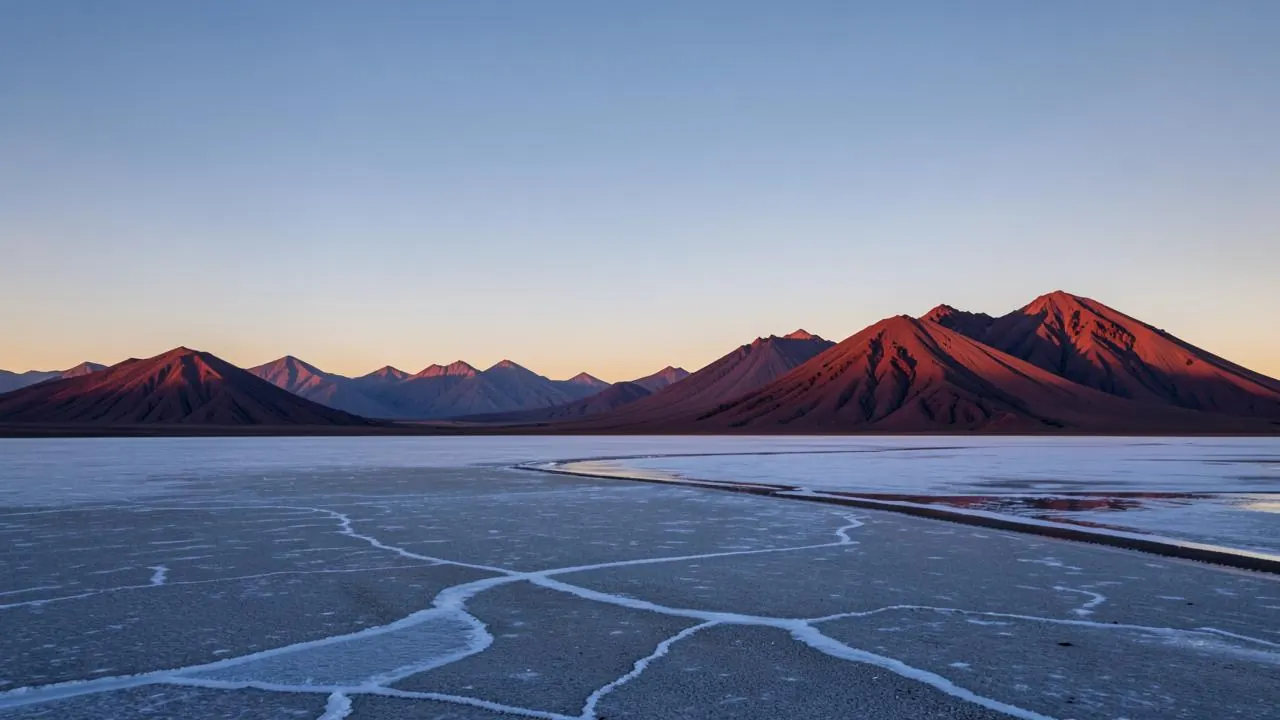

Atacama Desert, Chile
Sixty-six radio antennas were built on a plateau above San Pedro at 5,000 metres because of the atmosphere here. On a moonless night the Milky Way casts a shadow.
The places to stay
San Pedro de Atacama
Four pools, a stable and the desert's largest excursion programme
Explore Hotel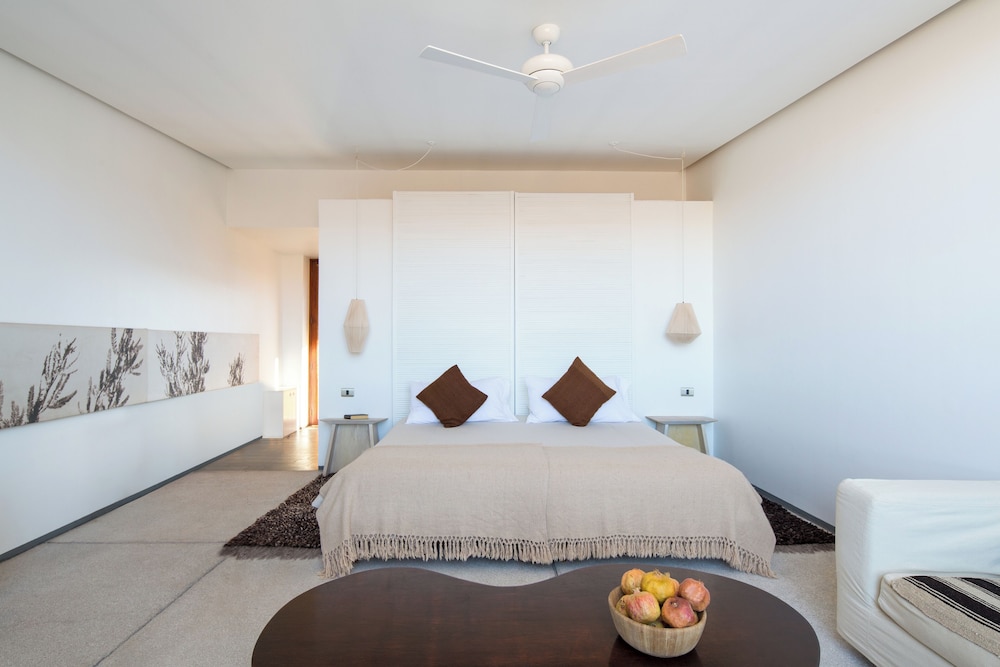
Facing Licancabur
Volcano views with one of northern Chile's best kitchens
Explore Hotel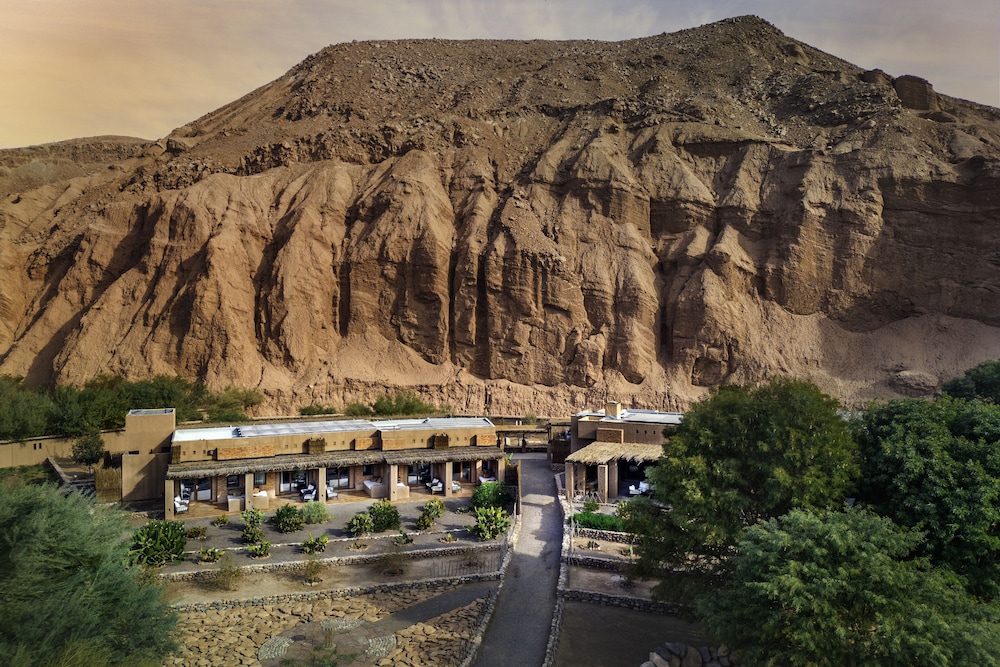
Catarpe valley
Six pools and a private observatory against a cliff
Explore Hotel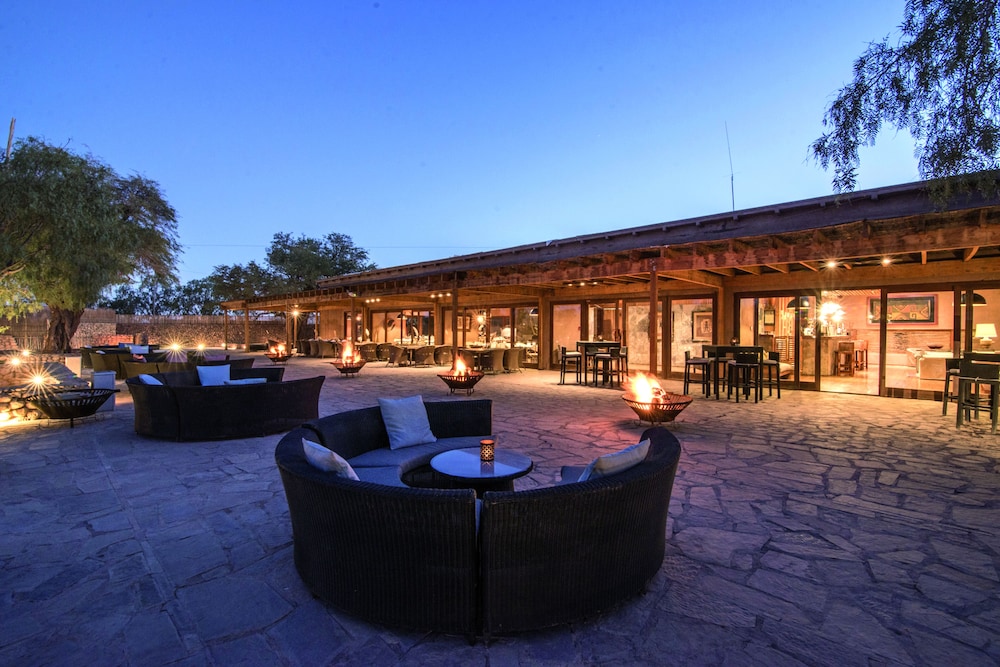
San Pedro village
Pool and gardens at a fraction of the lodge rates
Explore HotelBy Happi · Last updated September 2026
A little local perspective
$$$ to $$$$ — roughly $600-2,000 a night, mostly fully inclusive of guiding
Some weather stations in the Atacama have never recorded rain. The desert sits between the Andes and the coastal range, which block moisture from both directions, and parts of it receive under a millimetre a year. Combine that with an altitude of 2,400 metres at San Pedro and very little light pollution, and you get the clearest night sky on the planet.
That is not a marketing claim. The world's largest astronomical project, an array of 66 radio antennas, was built on the Chajnantor plateau above San Pedro at 5,000 metres precisely because of the atmospheric conditions here, and several other major observatories sit in the same desert.
Atacama hotels operate on a model that is unusual outside safari: most of the good ones are all-inclusive in a specific sense, covering accommodation, all meals, drinks and a programme of guided excursions with the property's own guides and vehicles.
That matters because the sights are spread across a large area of desert and are not straightforward to reach independently: the Tatio geysers at 4,300 metres require a departure around five in the morning, the Salar de Atacama and the altiplano lagoons are hours out, and the roads are unsigned.
Comparing a nightly rate here against a city hotel is meaningless. Compare against the all-in cost of a room, three meals, drinks and two guided excursions a day.
The other thing to plan around is the altitude. San Pedro is at 2,400 metres and the excursions go to 4,300 and above. Take the first day gently and do not book the geysers for the morning after you arrive.
The six below are all in or around San Pedro de Atacama.
Full board, guides and excursions included.
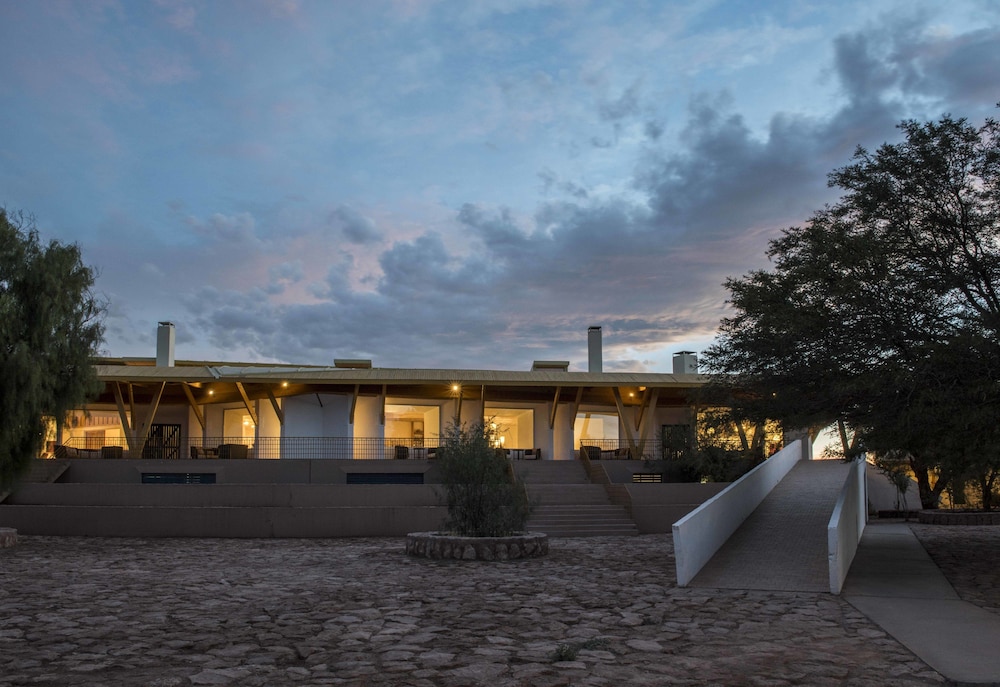
Explora Atacama occupies a low adobe building on the edge of the village with a horse stable, four pools and the largest excursion programme in the desert, run by guides who work the same routes for years. It is the most established lodge in the Atacama.
Awasi Atacama sits outside the village with individual adobe villas, each with a private guide and vehicle assigned for the stay, which means your itinerary is yours rather than a group's. It is the most personal way to see the desert and it is priced accordingly.
Tierra Atacama Hotel & Spa occupies a site facing the Licancabur volcano with a design that references the local architecture, a spa and one of the better kitchens in northern Chile.
Nayara Alto Atacama Desert Lodge & Spa sits in the Catarpe valley three kilometres from the village, built from stone and adobe against a cliff, with six pools and a private observatory on the property.
Room-only or half board, with excursions booked separately in San Pedro.
Hotel Cumbres San Pedro de Atacama occupies a site near the centre of San Pedro with a pool, gardens and comfortable rooms, at a fraction of the lodge rates.
Noi Casa Atacama sits on the edge of the village with an adobe-style build, a pool and a quieter setting.
The hostels and small residenciales in San Pedro are excluded. The village has a great many of them and they are the reason the Atacama is accessible to independent travellers on a budget. They are not hotels at this standard.
Go to the Tatio geysers at dawn, which means leaving around five in the morning and arriving at 4,300 metres in near-freezing conditions to see the fumaroles at their most active. Dress properly and do not do it on day one.
Watch the sunset in the Valle de la Luna, where salt formations and dunes change colour as the light goes. It is fifteen minutes from the village and it is the standard first evening.
Look up, properly, with a telescope. Several operators run astronomy nights and one lodge has its own observatory. On a moonless night the Milky Way casts a shadow.
Float in the Laguna Cejar salt lagoons, see the flamingos on the Salar de Atacama, and drive up to the altiplano lagoons at 4,200 metres.
Acclimatise. The single most common mistake is arriving from sea level and going straight to altitude.
Calama airport is about an hour and a half from San Pedro, with flights from Santiago. Most lodges arrange transfers.
The desert is dry year round. The Bolivian winter, roughly January and February, brings occasional afternoon storms to the altiplano that can close roads. Nights are cold in every season, often below freezing in winter.
Sun protection is not optional at this altitude. Drink far more water than feels necessary.
Prices shown are sample rates from upcoming dates — not quotes for specific dates. Open a hotel and choose your own dates and guests to see the exact price.
Compare them against a room, all meals, drinks and two guided excursions a day. On that basis they are usually reasonable, and the guiding is the real value.
San Pedro at 2,400 metres is manageable for most people. The excursions go above 4,000 and that is where it is felt. Take the first day slowly.
The atmospheric conditions here are why the major observatories were built in this desert. It is as good as it gets.
Four. Three is enough for the main excursions and the fourth allows a slow first day.