




A little local perspective
Worth knowing.
Worth going.
- Destination
- Seoul, South Korea
- The selection
- 10 hotels
- Your kind of trip
- first visit · food · history · city break
$$ to $$$$ — roughly 200,000-700,000 won a night, peaking in spring and autumn
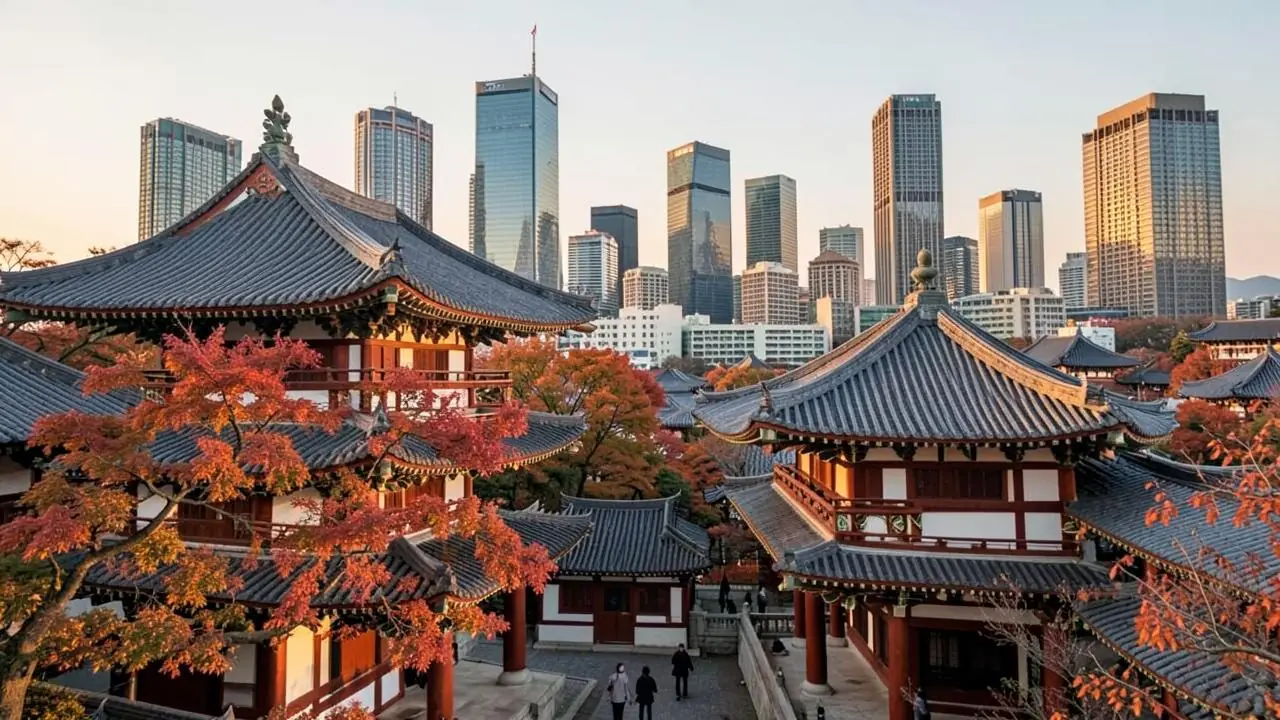
Seoul is split by the Han river into two cities that were built six hundred years apart. North of it is the old capital: five royal palaces, the Bukchon hanok village, the mountain that the city was founded against, and the streets where Seoul's food and drinking culture actually developed. South of it is Gangnam, built from the 1970s onward, gridded, glassy and prosperous, and where a great many of the international hotels are.
The subway between them takes about forty minutes with a change. That is the decision most visitors make without noticing they are making it.
Why the palace side is where to sleep
Everything a first visit wants to see is north of the river and most of it is within a walkable area of about three kilometres: Gyeongbokgung and Changdeokgung, the Bukchon and Ikseon-dong hanok quarters, Insadong, Myeongdong, and the hiking paths up Bugaksan and Inwangsan that start at the top of the city.
The palaces also close early, most around five or six, and the changing of the guard runs at fixed hours. Being twenty minutes away rather than fifty is the difference between fitting two palaces into a morning and fitting one.
Gangnam is worth a night if shopping and the newest restaurants are the trip. It is the wrong base for the history.
The ten below are grouped by which part of the northern city they sit in.
The palace quarter
Gwanghwamun, Jongno and the streets below Bugaksan, within walking distance of the main palaces.
Four Seasons Hotel Seoul sits opposite Gyeongbokgung with a view up to the mountain behind it, the largest indoor pool in the city and the best service in Korea. It is the most convenient luxury address in Seoul.
JW Marriott Dongdaemun Square Seoul occupies a position beside Dongdaemun with a design-forward interior, a rooftop with the old city wall running past it and the best value among the international hotels.
RYSE, Autograph Collection sits on the northern side with contemporary rooms and a good bar, a short walk from the Ikseon-dong hanok alleys, which are the most enjoyable eating streets in the city.
Namsan and Myeongdong
The mountain in the middle of the old city and the shopping district below it. Central, busy, and a walk to the palaces.
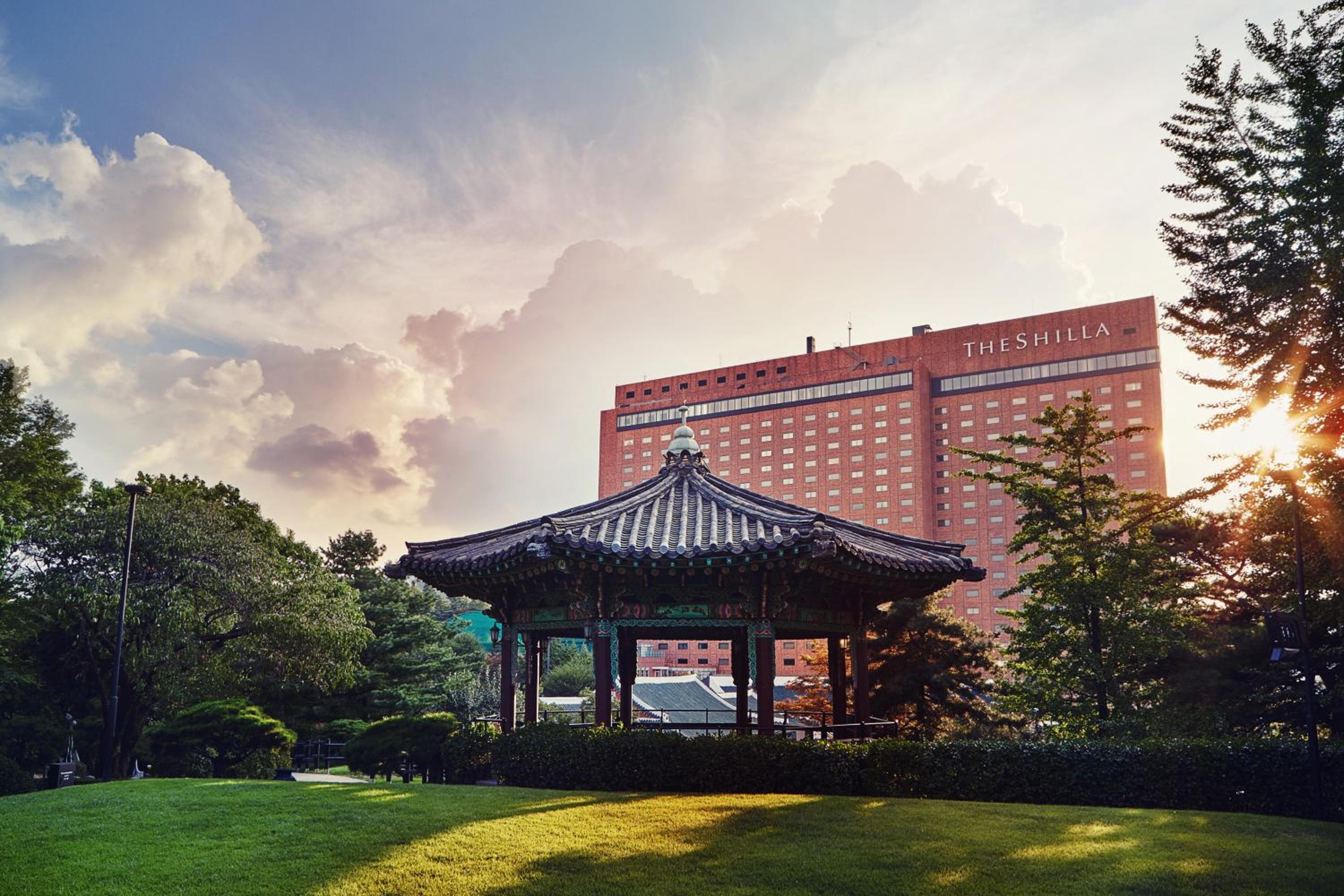
The Shilla Seoul occupies a wooded site on the Namsan slope with a garden, a spa and the deepest service bench in the country. It is the grande dame of Korean hotels and the quietest central address.
Lotte Hotel Seoul sits in Myeongdong with the largest rooms downtown, several restaurants and direct subway access. It is the practical family choice.
The Westin Josun Seoul occupies a building beside it with a long history, a good spa and a straightforward, well-run operation at a lower rate.
Banyan Tree Club & Spa Seoul sits on the Namsan slope with a spa, a garden and a members' club feel, and it is the most relaxed of the central hotels.
L7 Myeongdong by Lotte is the value option in Myeongdong with a rooftop bar over the district and small, well-designed rooms.
Itaewon and the river
South of Namsan, closer to the river and the museums, with the widest international food.
Grand Hyatt Seoul sits above Itaewon with a hillside position, an outdoor pool that becomes a skating rink in winter, and views over the river. It is a short taxi from the palaces.
Signiel Seoul occupies a tower with the highest rooms in the country and a view over the whole city. It is on the southern side of the river and it earns its place on the view rather than the location.
What we have left off
The Gangnam hotels are excluded, and they include the newest rooms and the best shopping in Korea. They are also forty minutes and a change from every palace, which for a first visit is the wrong side of the water.
What to do
Do two palaces rather than five. Gyeongbokgung for scale and the guard ceremony, Changdeokgung for the Secret Garden, which requires a separate timed ticket and is the better of the two.
Walk Bukchon early, before the coaches, and remember people live there. Ikseon-dong in the evening for the converted hanok bars and restaurants.
Hike. Inwangsan and Bugaksan start inside the city and take two hours, with the old fortress wall running along the ridge. Bukhansan, further out, is a proper mountain.
Eat late and eat cheaply: Gwangjang market for the street food, Euljiro for the drinking alleys, and Korean barbecue anywhere there is a queue of locals.
Jjimjilbang, the bathhouses, are open through the night and are a genuine part of the culture rather than a tourist activity.
Practical notes
Incheon is 60 to 90 minutes from the centre; the AREX express train reaches Seoul Station in 45. Gimpo is closer and serves regional flights.
Spring, late March to May, and autumn, September to November, are excellent. Summer is hot, humid and includes a rainy season. Winter is very cold and dry, and the city handles it well.
Get a T-money card. The subway is one of the best in the world and English signage is comprehensive.
Explore 4 & 5 Star Seoul Hotels
Prices shown are sample rates from upcoming dates — not quotes for specific dates. Open a hotel and choose your own dates and guests to see the exact price.
Questions people actually ask
Gangnam or the north?
North for a first visit, without hesitation. Gangnam for shopping, nightlife and newer rooms, and it is a subway ride from the history.
How many palaces should you do?
Two, properly. Five is a queue and a blur.
Is Seoul walkable?
The old city is, in patches, with steep bits. The city overall is very large and the subway does the rest.
How many nights?
Four. Three for the city and a fourth for a DMZ trip or a day in Suwon.