Top of the Spanish Steps
Hotel Hassler Roma
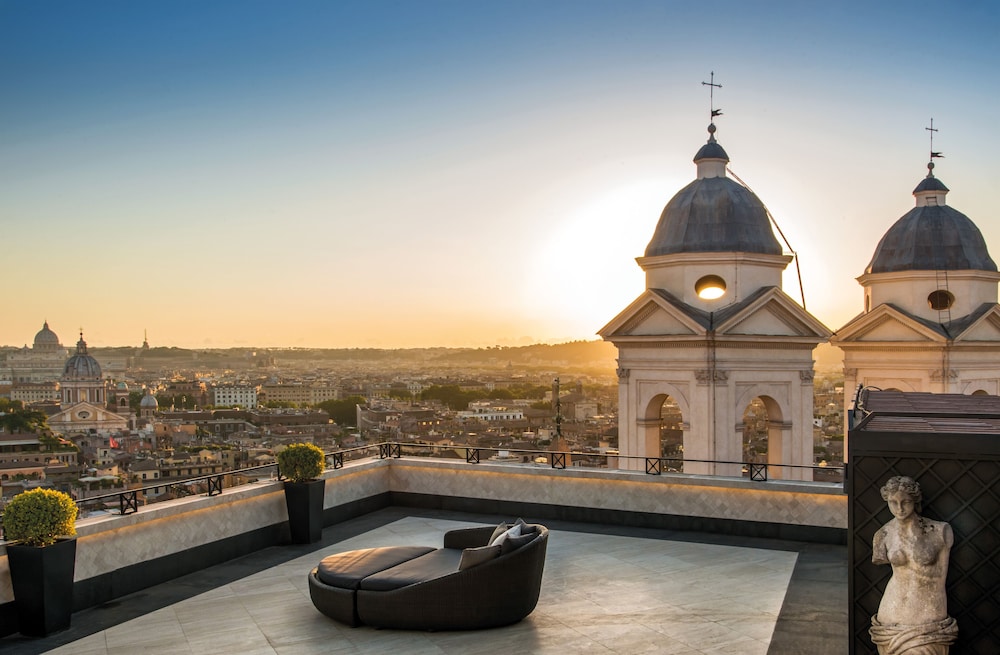
Rooftop looking straight down the Spanish Steps
Explore Hotel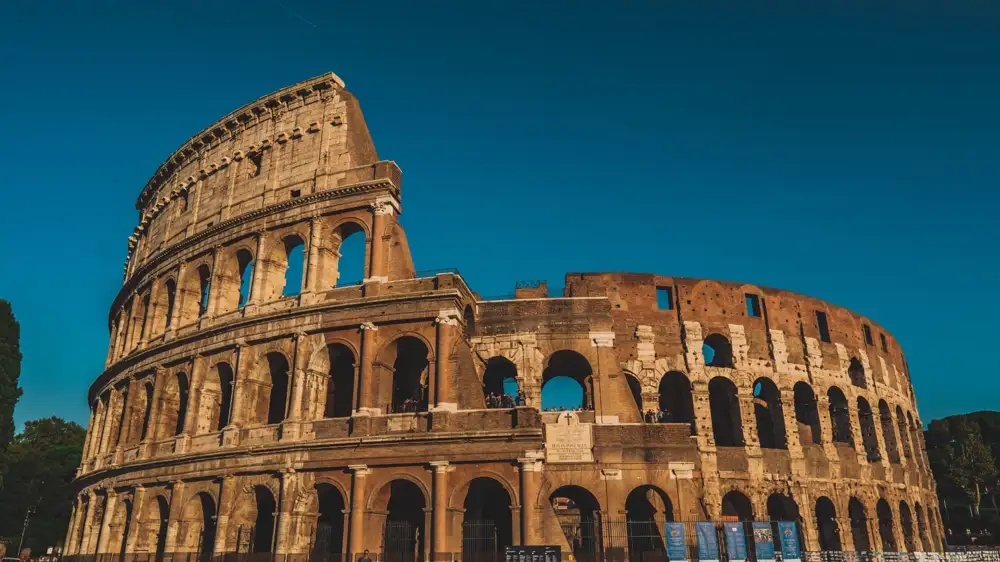

Rome, Italy
The Pantheon to the Trevi is six minutes. Book near a metro station and you will spend the week underground for no reason.
The places to stay
Top of the Spanish Steps
Rooftop looking straight down the Spanish Steps
Explore Hotel


Via Bocca di Leone
The Tridente's oldest hotel, in the shopping streets
Explore Hotel


Near the Baths of Diocletian
Largest rooms and the easiest late arrival
Explore HotelBy Happi · Last updated September 2026
A little local perspective
$$$ to $$$$ — roughly 400-1,000 euros a night, peaking in May and October
Rome punishes people who treat it like a big city. It looks enormous on a map and the sites appear scattered, so visitors book near a metro station, buy transport passes, and spend the week underground. Then somebody points out that the Pantheon to the Trevi Fountain is a six-minute walk, the Trevi to the Spanish Steps is eight, and the Spanish Steps to Piazza del Popolo is another eight. The entire historic centre, the area inside the bend of the Tiber, is about a mile across and almost entirely closed to through traffic.
The metro is beside the point. Rome has two useful lines and neither goes where you want, because you cannot tunnel through a city that is built on itself. What Rome has instead is a centre you can cross on foot in twenty minutes.
Staying inside it means the evening works. Rome's pleasure is the passeggiata: going out at seven, walking without a destination, stopping for an aperitivo, eating at nine, walking home past floodlit fountains with nobody around. That only happens if home is inside the walls.
Staying outside it, near Termini or in Prati or across in Trastevere, means each of those evenings ends with a decision about transport, and the decision gradually becomes not going out at all.
The second thing to know is that the centre is noisy in a specific way. Stone streets, scooters, and restaurant tables outside until midnight. Almost every hotel here has quiet interior rooms and louder street ones, and the difference is significant. Ask.
The twelve below are grouped by which quarter of the centre they sit in.
The northern wedge between Piazza del Popolo, the Spanish Steps and the Corso. The best shopping, the most elegant streets, and the easiest walking.
Hotel Hassler Roma sits at the top of the Spanish Steps with the most famous view in Rome from its rooftop restaurant, looking down the steps and across the domes. It is the traditional grand choice and the rooms are large.
Hotel de la Ville occupies the building beside it, considerably more current in style, with a terrace bar that has the same view and better drinks. It is the best combination of position and design in the city.
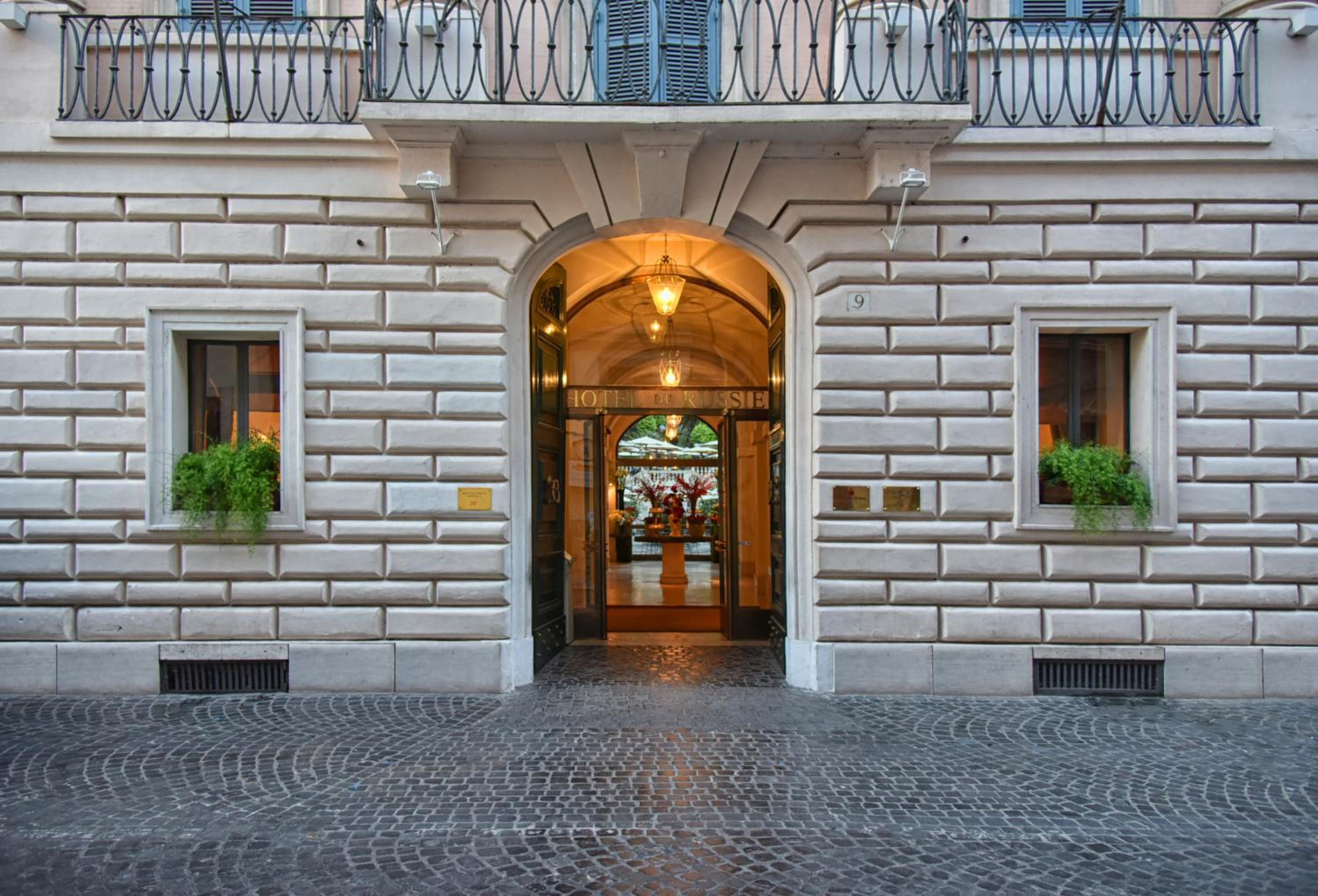
Hotel de Russie sits below Piazza del Popolo with a terraced secret garden climbing the hill behind it, which is the most peaceful outdoor space in central Rome and the reason to book here in summer.
J.K. Place Roma is a small palazzo off Via Condotti with the feel of a private apartment and a rooftop over the Tridente rooftops. It is discreet, expensive and very well run.
Hotel d’Inghilterra Roma – Starhotels Collezione sits on Via Bocca di Leone in the middle of the shopping streets, the oldest hotel in this quarter, recently reworked. Rooms vary considerably in size.
Hotel Vilon occupies a townhouse steps from the Spanish Steps with a rooftop terrace and a members-club atmosphere. It is the smallest of the group and the most personal.
The dense medieval heart, where the streets stop making sense and the walking is best.
Hotel Raphael sits behind Piazza Navona under a curtain of ivy, with a rooftop restaurant looking over the square and the domes. It is the most atmospheric address in the old centre and the rooms are compact.
Singer Palace Hotel is a palazzo conversion near Piazza Venezia with a rooftop bar that takes in the Vittoriano and the domes, and rooms considerably larger than the quarter usually allows.
Six Senses Rome occupies a former convent near the Trevi with a spa built into the lower floors, a large open lobby that functions as a public living room, and the most contemporary interiors of the twelve.
The eastern edge, quieter and closer to the ancient city.
Palazzo Manfredi faces the Colosseum directly, close enough that the arches fill the windows, and has a rooftop restaurant with the same view. Nowhere else in Rome offers this. The area is quiet at night.
Hotel Eden sits on the Via Veneto edge above the Spanish Steps with a rooftop bar and restaurant looking across the whole city to St Peter's, which is the widest view any Rome hotel has. It is the most formal of the group.
The St. Regis Rome occupies the corner near the Baths of Diocletian with the largest rooms and best facilities of the twelve, and the easiest arrival, being a short walk from Termini. It is the pick for a first night after a late flight.
The Trastevere and Vatican-side hotels are excluded. Trastevere in particular has better eating and more atmosphere than most of the centre, and it puts the river between you and everything you came to walk to.
Go to the Vatican Museums first thing with a pre-booked ticket, or in the last entry slot when the tour groups have gone. The Sistine Chapel late in the day is a different experience entirely.
The Pantheon is free and takes ten minutes, and is best at opening or after dark from outside. The Borghese Gallery requires booking weeks ahead and limits you to two hours, which is exactly right.
For the walk nobody takes, follow the Tiber from Ponte Sisto down past the Isola Tiberina in the early evening, cross into Trastevere for dinner, and walk back over the river afterwards.
Eat in Testaccio for the Roman classics, in Trastevere for the atmosphere, and never within sight of a major monument.
Fiumicino connects by Leonardo Express to Termini in 32 minutes, or a flat-rate taxi to anywhere inside the walls is 55 euros, which is the better option with luggage since Termini is not where you are staying.
April, May, September and October are ideal. August is very hot and many Roman restaurants close. The Jubilee and Easter weeks fill the city entirely. Winter is mild and quiet and the light is excellent.
Cars cannot enter the ZTL. Cobbles make wheeled luggage genuinely difficult, so pack accordingly.
Prices shown are sample rates from upcoming dates — not quotes for specific dates. Open a hotel and choose your own dates and guests to see the exact price.
For a second visit, yes; the eating is better and the atmosphere is real. For a first, it puts the river between you and most of what you came for.
One hotel on this list faces it directly. Otherwise the eastern edge of the centre puts you fifteen minutes away on foot, which is close enough.
Four. Three covers the Vatican, the ancient city and the centre with nothing left over. The fourth is what makes it a trip rather than a checklist.
Rarely. Two lines, neither convenient. Walk, and use taxis after dark when you are tired.