Facing the Grand Theatre
InterContinental Bordeaux Le Grand Hotel
Rooftop pool and two spas in a neoclassical landmark
Explore Hotel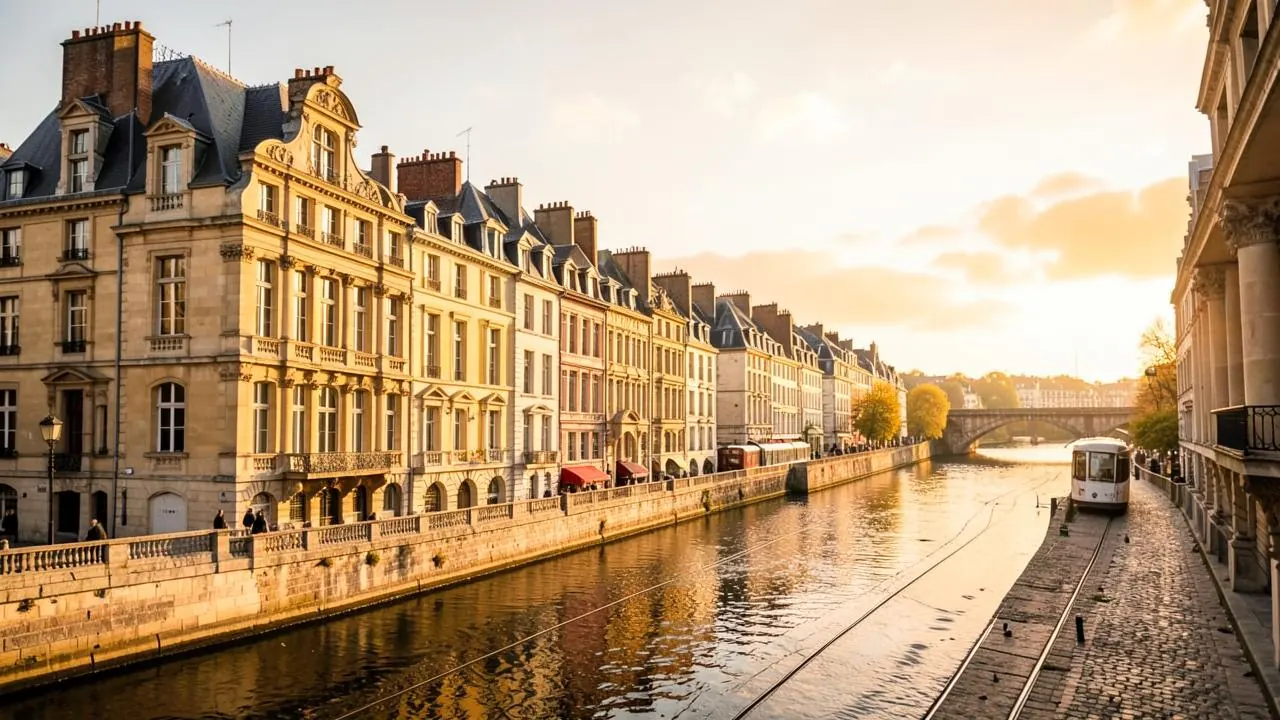

Bordeaux, France
Two centuries of soot came off the limestone in the 1990s and the frontages turned out to be pale gold. The wine is still forty-five minutes away.
The places to stay
Facing the Grand Theatre
Rooftop pool and two spas in a neoclassical landmark
Explore Hotel
Golden Triangle
Restored townhouse with the city's most refined interior
Explore Hotel


Near the Cite du Vin
Pool and spa with large rooms below centre rates
Explore Hotel
Martillac, Graves
Cabins over a lake and the spa that invented vinotherapie
Explore Hotel
Pauillac, Medoc
Inside a classified Medoc estate with a starred kitchen
Explore Hotel
Saint-Emilion village
In the middle of a UNESCO village with vines at the street
Explore Hotel
Outside Saint-Emilion
A nineteenth-century chateau ringed by classified vineyards
Explore Hotel
Sauternes
A classified sweet wine estate with the vines outside
Explore HotelBy Happi · Last updated September 2026
A little local perspective
$$ to $$$$ — roughly 250-900 euros a night, peaking at harvest
Bordeaux spent the 1990s and 2000s scrubbing two centuries of soot off its buildings. The eighteenth-century limestone frontages along the river, put up when the city was getting rich on wine and colonial trade, turned out to be pale gold underneath, and the riverfront was cleared of warehouses and rail track and given back as a promenade. The historic centre became a UNESCO site in 2007.
It is now the most handsome large city in France after Paris, and it is a compact one: the centre is walkable, the tram network is good, and the wine is somewhere else.
That last point is the decision.
Bordeaux city has the architecture, the restaurants, the wine bars and the Cité du Vin museum. It has no vineyards. Saint-Émilion is 45 minutes east, the Médoc châteaux 45 minutes to an hour north, and Sauternes an hour south.
The châteaux now take guests. A number of the classified estates have opened hotels in their own buildings, which means sleeping on the property, eating with the estate's wine and touring the cellars before the day visitors arrive.
The trade is the same as anywhere in wine country: the estates are beautiful and isolated, and dinner is where you are staying.
Most trips do both — two nights in the city and two on an estate — which the distances make easy.
The eleven below are grouped that way.
The eighteenth-century centre and the riverfront.
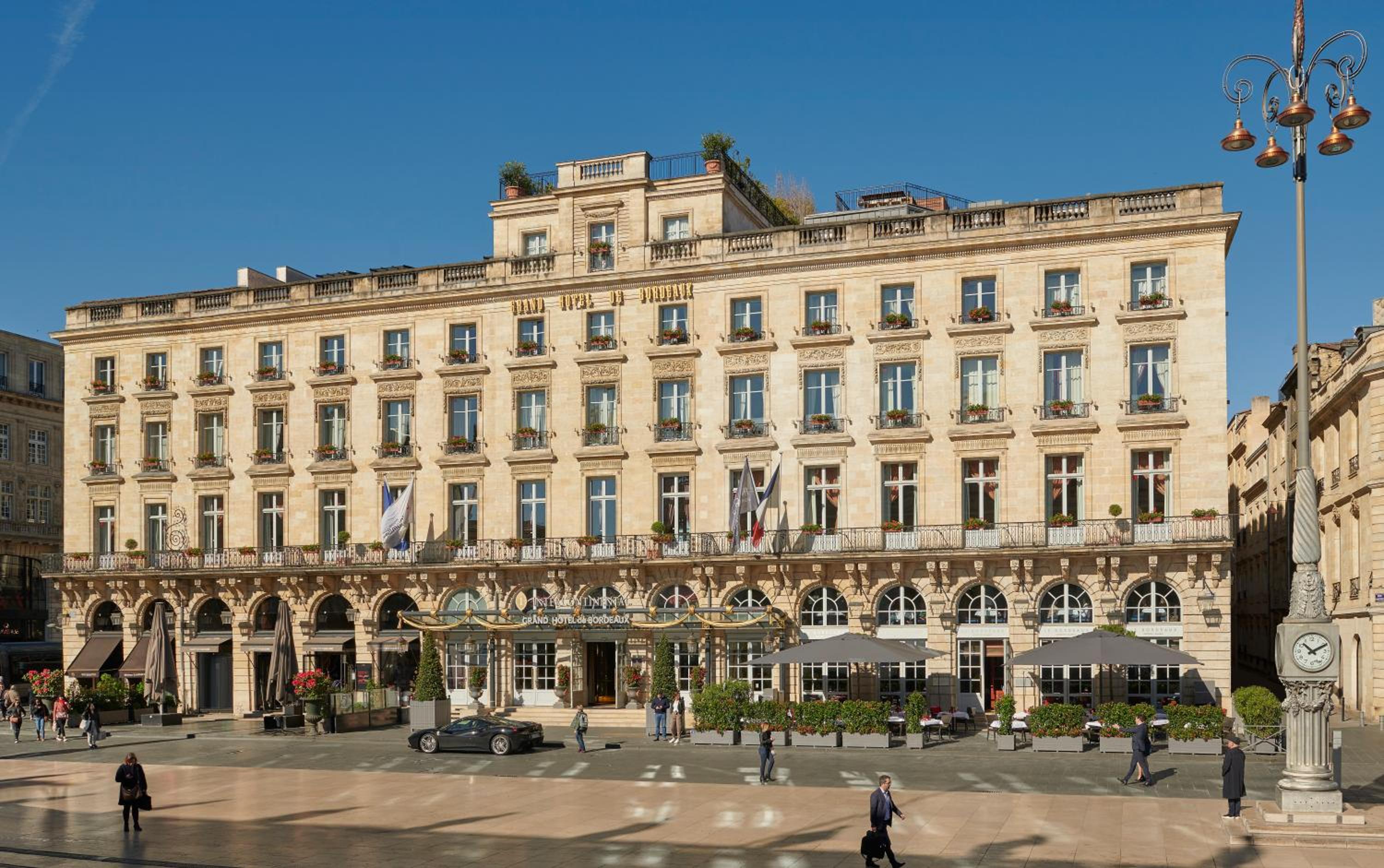
InterContinental Bordeaux Le Grand Hotel occupies a neoclassical building facing the Grand Théâtre with a rooftop pool, two spas and a Gordon Ramsay restaurant. It is the grandest hotel in the city and the position is the best in it.
Villas Foch Boutique Hotel & Spa sits in a restored townhouse near the Golden Triangle with a spa, a small room count and the most refined interior in Bordeaux.
Yndo Hotel occupies a nineteenth-century house with a garden, a contemporary art programme and a level of design that is unusual for the city.
Hotel de Seze sits in a restored eighteenth-century building in the Triangle d'Or with a courtyard and rooms that are the best value among the central hotels.
Seeko'o Hotel occupies a modern building on the quays with a rooftop terrace over the river and the most contemporary rooms in Bordeaux.
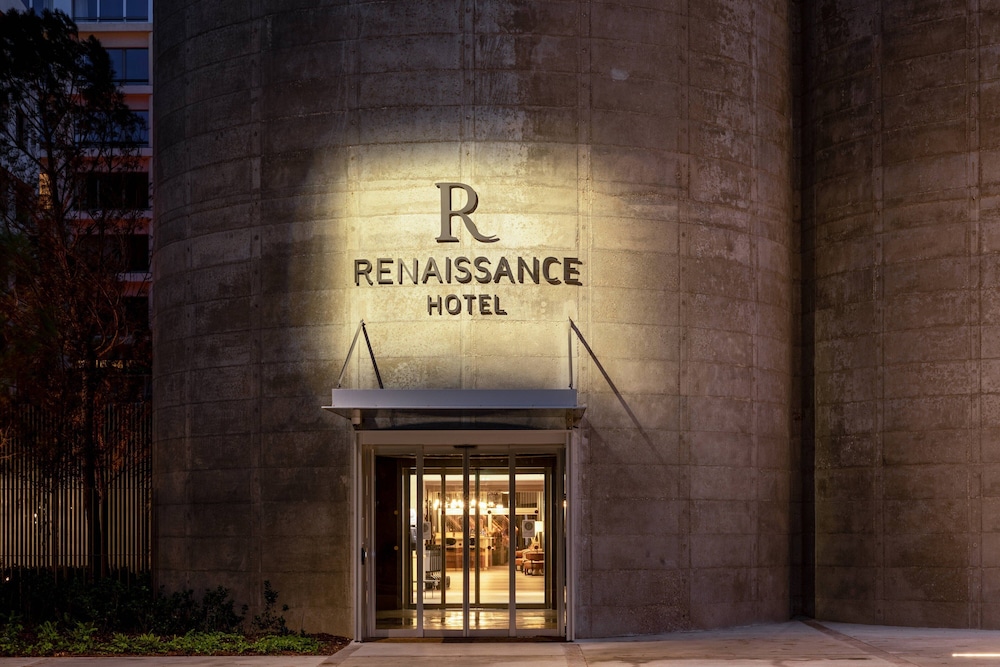
Renaissance Bordeaux Hotel sits near the Cité du Vin with a pool, a spa and large rooms at a rate below the centre.
Forty-five minutes to an hour out. Sleeping on the estate.
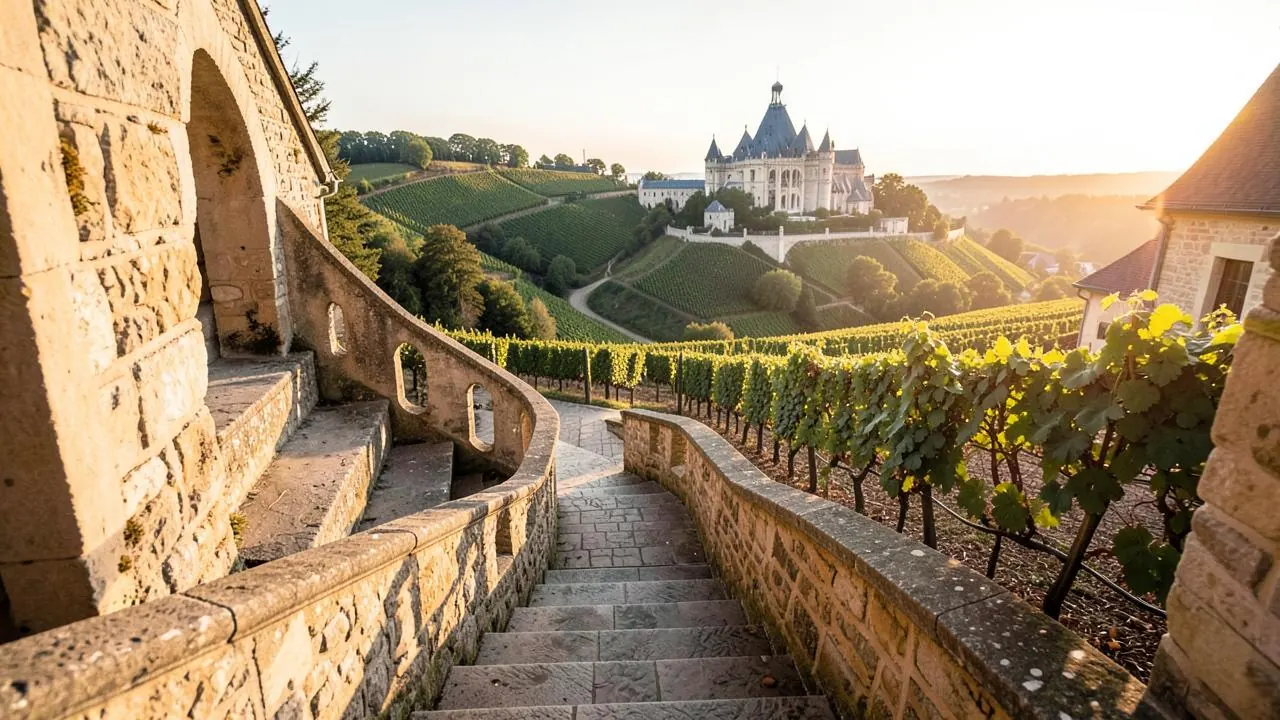
Les Sources de Caudalie occupies a property in the Graves at Martillac with cabins over a lake, a vinothérapie spa that invented the treatment, two restaurants and a working vineyard around it. It is the best hotel in Bordeaux wine country.
Chateau Cordeillan-Bages sits inside a first-growth classified estate at Pauillac in the Médoc, with a restaurant that has held stars for years and cellars a walk from the rooms.
Hotel de Pavie occupies a property in the middle of Saint-Émilion village, which is a UNESCO site in its own right, with a spa and the vines at the edge of the street.
Chateau Hotel Grand Barrail sits in a nineteenth-century château outside Saint-Émilion with grounds, a pool and a restaurant, surrounded by classified vineyards.
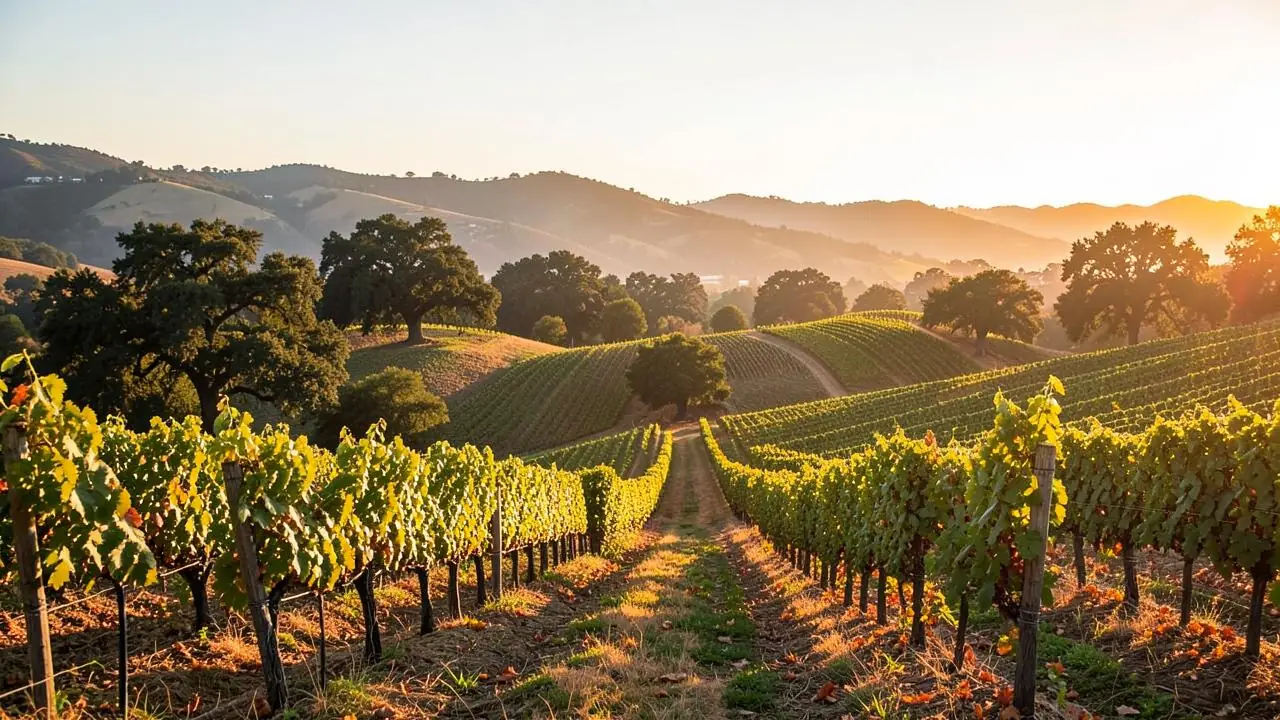
Chateau Lafaurie-Peyraguey occupies a Sauternes estate producing classified sweet wine, with a restaurant, a small room count and the vines that make it directly outside.
The chambres d'hôtes across the Médoc and Saint-Émilion are excluded, and in a region of small estates they are a substantial and often excellent part of the accommodation. They are guest houses rather than hotels.
Book the châteaux. Bordeaux estates almost universally require appointments, some are members-only or closed to visitors entirely, and the classified growths fill weeks ahead.
Do the Cité du Vin, which is a serious museum about wine as a global cultural object rather than a tasting room, and takes half a day.
Walk Saint-Émilion, which is a medieval village built on a limestone plateau riddled with quarries, including a church carved out of the rock beneath the square.
Eat in the city. Bordeaux's restaurant scene has improved sharply and the Marché des Capucins on a Sunday morning is the best food market in southwest France.
Go to the coast. The Dune du Pilat, the tallest sand dune in Europe, is an hour west at Arcachon, along with the oyster beds.
Bordeaux airport is 30 minutes from the centre and the TGV from Paris takes just over two hours, which makes the train the better route.
May, June and September are ideal. Harvest is late September into October and the region is busy and beautiful. Winter is quiet, wet and much cheaper, and many estates close to visitors.
Hire a driver for tasting days. The rural roads are patrolled and the limits are enforced.
Prices shown are sample rates from upcoming dates — not quotes for specific dates. Open a hotel and choose your own dates and guests to see the exact price.
Both. Two nights in each, with the estates 45 minutes to an hour out.
Saint-Émilion for the village and the merlot, the Médoc for the classified growths and cabernet, Sauternes for the sweet wines and the quiet.
Almost always, and often weeks ahead for the classified estates.
Four. Two in the city and two in the vines.