Pearl and Thirteenth
Hotel Boulderado
A 1909 stained glass atrium the town uses as a lobby
Explore Hotel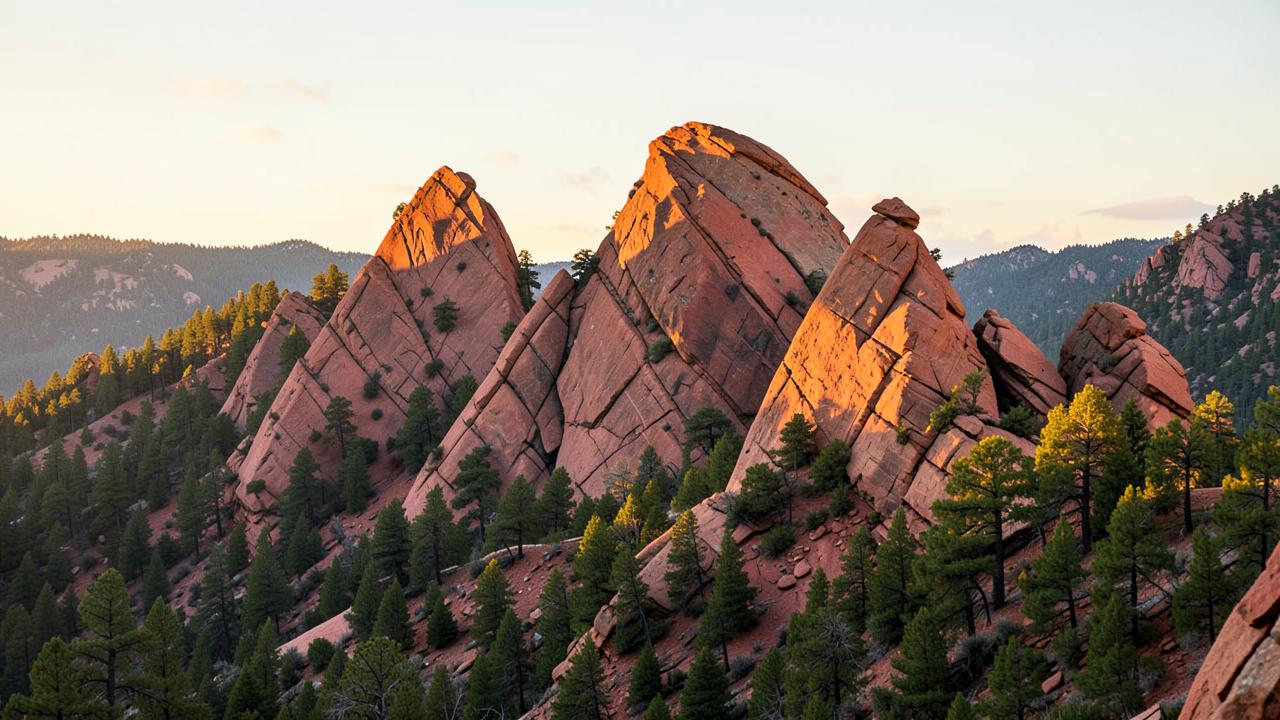

Boulder, Colorado, USA
The first American city to tax itself to buy its own surroundings, and then to legislate that nothing block the view. Two votes made the town.
The places to stay
Pearl and Thirteenth
A 1909 stained glass atrium the town uses as a lobby
Explore Hotel
A block from Pearl Street
Rooftop and gear storage for climbers and cyclists
Explore HotelBy Happi · Last updated September 2026
A little local perspective
$$$ — roughly $300-600 a night, peaking in summer and at graduation
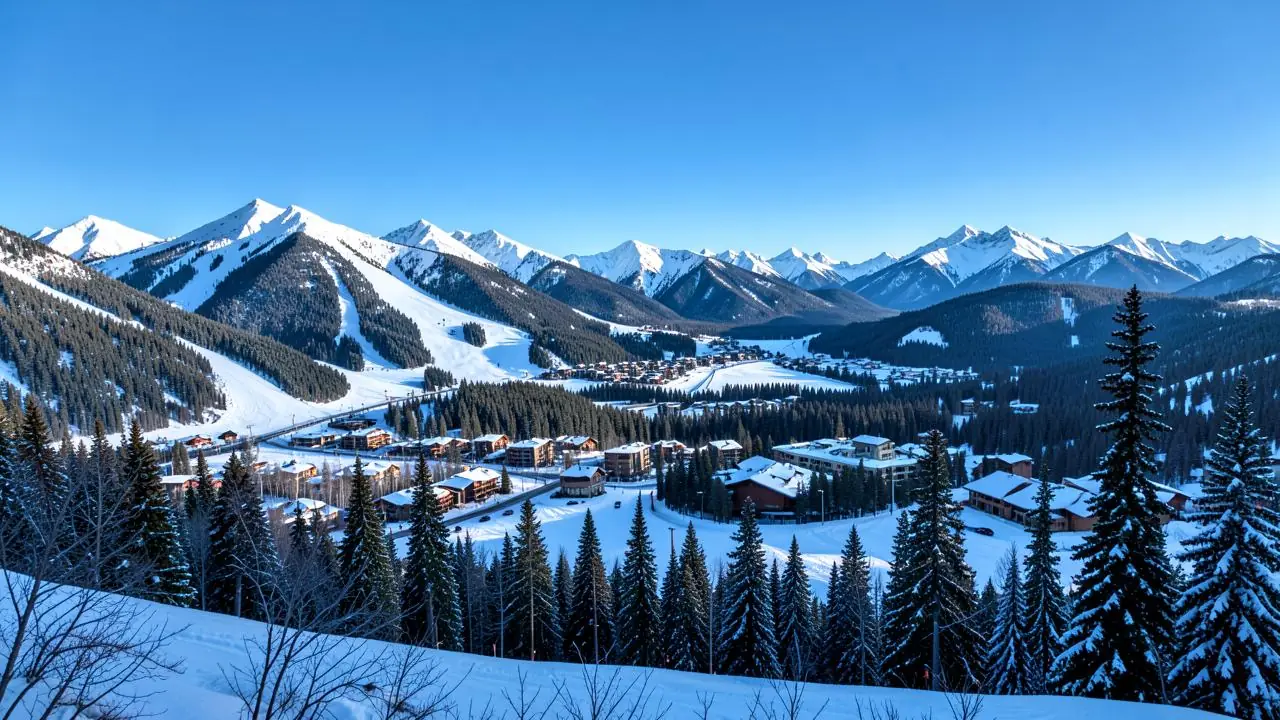
In 1967 Boulder became the first city in the United States to tax itself specifically to buy the land around it. Voters approved a sales tax dedicated to acquiring open space, and the city has been purchasing ever since — the holding is now somewhere over 18,000 hectares of grassland, forest and ridge, held in perpetuity and surrounding the city on every side.
The effect is that Boulder cannot sprawl. It is a city with a hard edge, and where the last house stops the trail starts.
In 1971 voters went further and imposed a height limit of 55 feet — roughly five storeys — specifically so that nothing would block the view of the Flatirons, the five tilted slabs of sandstone that sit above the city. The limit still holds.
So Boulder looks the way it does because of two votes, and that is also why the hotel list is four properties long. A city that will not sprawl and will not build upward does not generate much inventory.
The slabs are Fountain Formation sandstone, laid down about 290 million years ago as debris eroding off an earlier range of Rocky Mountains, then tilted to their present angle when the current Rockies rose. They are the same rock as Red Rocks amphitheatre south of here.
Chautauqua Park sits at their base, a survival of the adult education movement of the 1890s with an auditorium and cottages still in use, and the trails up the Flatirons start from the meadow.
Boulder has one of the highest concentrations of doctorates per head in the country, because the federal laboratories are here — the National Institute of Standards and Technology, where one of the atomic clocks that defines American time runs, along with NOAA and the National Center for Atmospheric Research in a building I. M. Pei designed to echo the cliff dwellings at Mesa Verde.
It gives the place a particular character: a university town, a climbing town and a research town at once, with a pedestrian main street and a great deal of very good food for a population of 105,000.
The four below are all within a few minutes of each other, because Boulder is small.
The pedestrian centre.
St Julien Hotel & Spa occupies a building at the western end of Pearl Street with a spa, a courtyard and rooms facing the Flatirons, and it is the only property in the city at this standard with a proper spa.
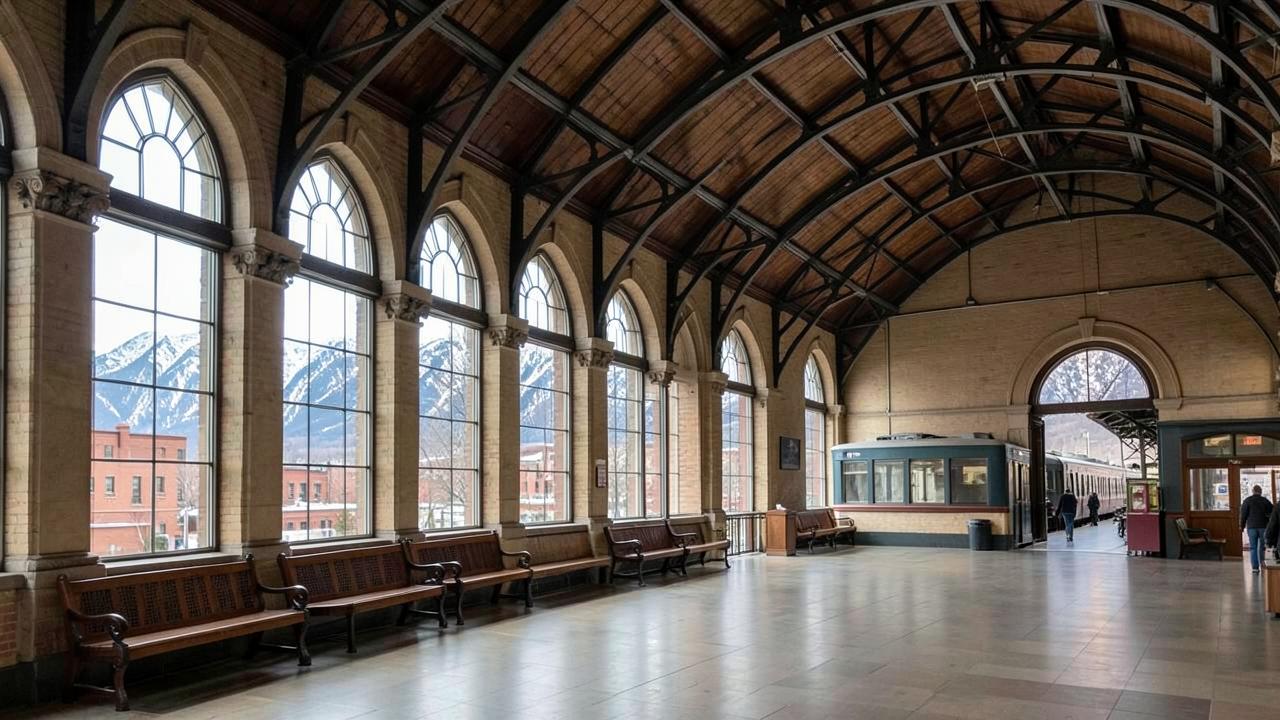
Hotel Boulderado sits on the corner of Pearl and Thirteenth in a 1909 building with a stained glass atrium, a cantilevered staircase and a lobby that the town uses.
Limelight Hotel Boulder occupies a position a block from the pedestrian mall with contemporary rooms, a rooftop and gear storage for climbers and cyclists.
The Bradley Boulder Inn sits in a small inn near the university with a handful of rooms, a fireplace and a quieter position.
The bed and breakfasts and the university-adjacent guest houses are excluded, and in a city this size they are a meaningful share of the beds. They are guest houses rather than hotels.
Walk up the Flatirons from Chautauqua. The Royal Arch trail is a steep two hours return; the Chautauqua Trail across the meadow is twenty minutes and gives most of the view.
Walk Pearl Street, which has been pedestrianised since 1977, and eat — Boulder has an unusual density of good restaurants for its size.
Cycle. The city has some of the most extensive bike infrastructure in the United States and the Boulder Creek Path runs the length of it.
Climb, or watch. Eldorado Canyon south of town is among the most historically significant trad climbing areas in America, and the Boulder Rock Club is where a great many climbers train.
Go up to NCAR for the Pei building and the view, and take the short trail behind it.
Denver airport is about forty-five minutes east and there is a direct bus. Denver itself is forty minutes.
Boulder sits at 1,655 metres, slightly higher than Denver, and the same acclimatisation logic applies before going into the mountains.
Summer and early autumn are best. Winter is cold but dry and sunny. Spring brings the heaviest snow of the year in March.
A 1967 sales tax, the first of its kind in the country, has been buying land around the city ever since. The holding is over 18,000 hectares.
A 1971 ordinance caps height at 55 feet so nothing blocks the Flatirons. It still holds.
A city that will not sprawl outward or build upward does not generate much inventory. The list is short because the rules are.
Two, or one as part of a Colorado trip.