Upper Merrion Street
The Merrion Hotel
Four Georgian townhouses around a garden courtyard
Explore Hotel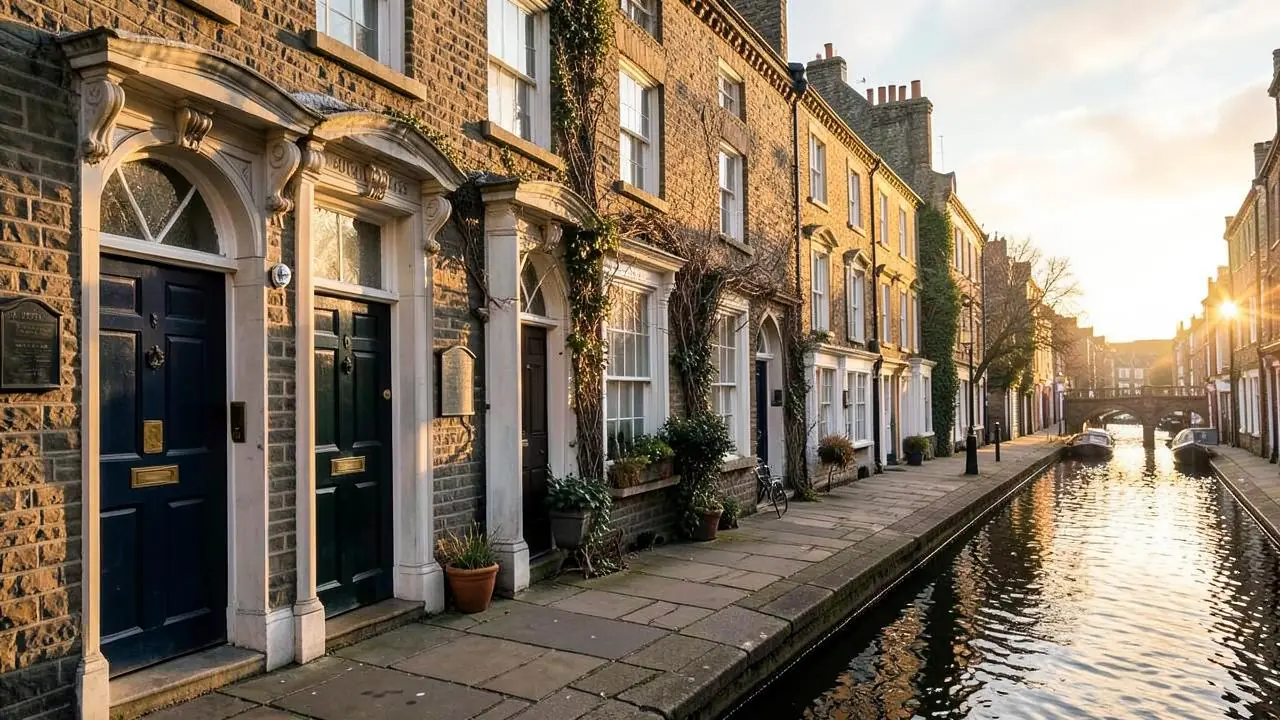

Dublin, Ireland
It is the neighbourhood name visitors know, so it is the one they book. Two streets south the Georgian squares begin and the noise stops.
The places to stay
Upper Merrion Street
Four Georgian townhouses around a garden courtyard
Explore Hotel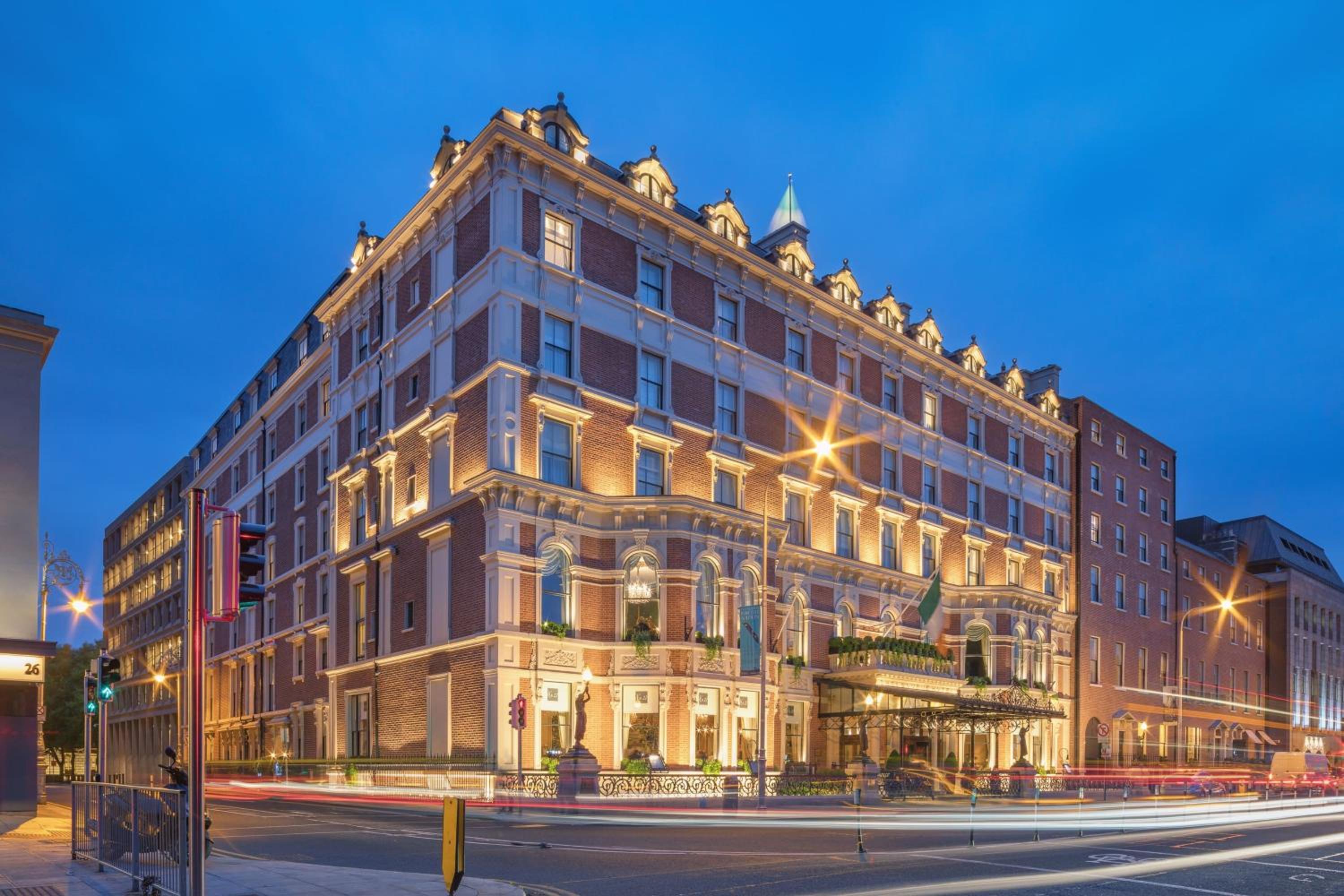
St Stephen's Green
Contemporary rooms on the Green below neighbouring rates
Explore Hotel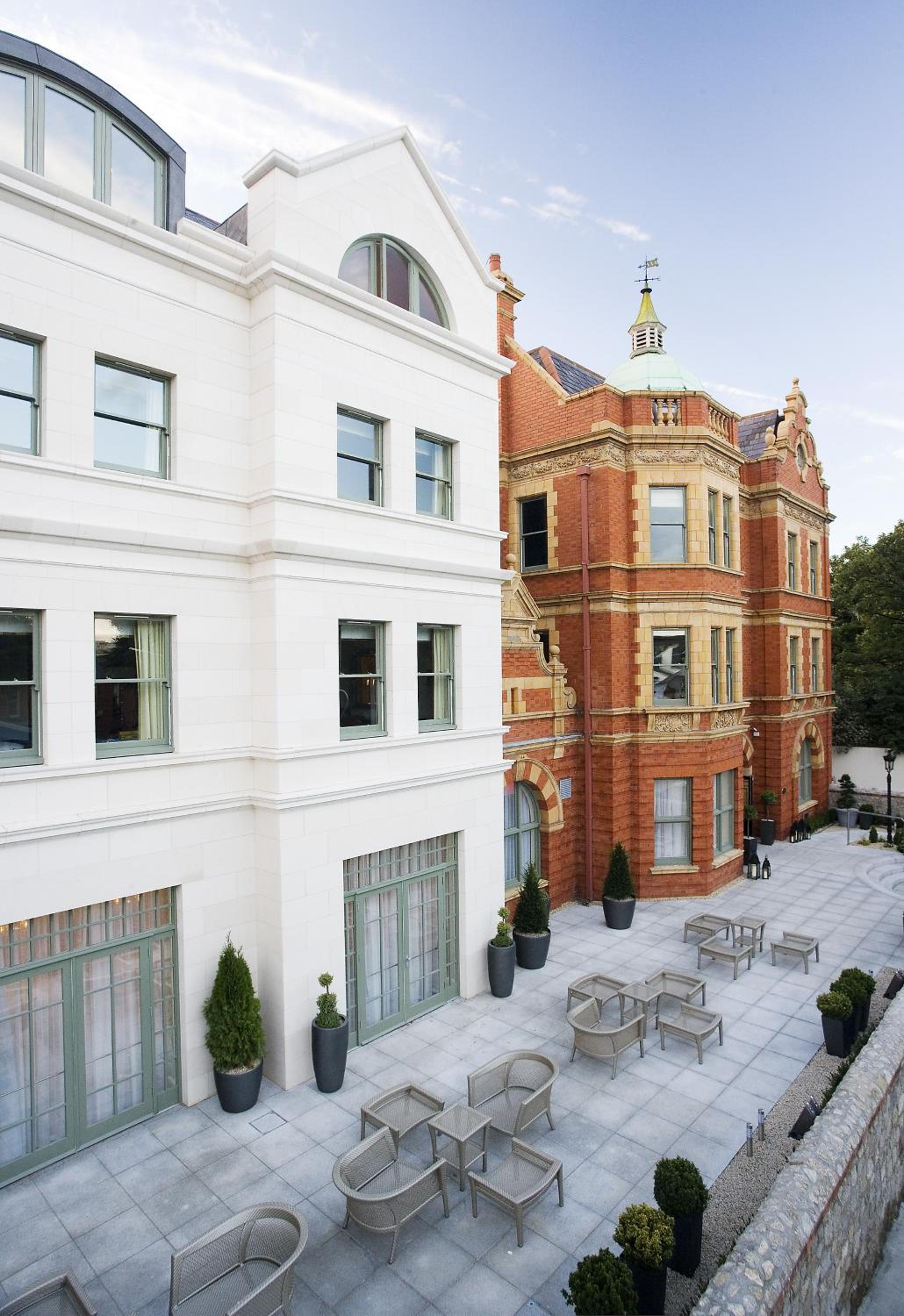
Near Fitzwilliam Square
Restored red-brick townhouse, best value in the quarter
Explore Hotel
Grand Canal Square
Rooftop over the docks with the largest rooms in Dublin
Explore Hotel

Merrion Square edge
Five minutes from Grafton Street at the lowest rate here
Explore HotelBy Happi · Last updated September 2026
A little local perspective
$$ to $$$$ — roughly 200-600 euros a night, peaking in summer and on rugby weekends
Temple Bar is about four streets. It occupies a small block between Dame Street and the river, it is cobbled and enclosed, and from Thursday to Sunday it produces a volume of noise that is genuinely difficult to comprehend until you have tried to sleep two hundred metres from it. Live music from early afternoon, stag and hen groups, and closing time somewhere around three.
It is also the first place most visitors book, because it is the neighbourhood name they know.
Two streets south the Georgian squares begin and the noise stops almost completely. Merrion Square, Fitzwilliam Square and St Stephen's Green are a five to ten-minute walk from the same pubs, and they are silent at midnight.
Dublin's centre is small. From St Stephen's Green to Trinity College is five minutes, to Temple Bar is eight, to the Guinness Storehouse is twenty. Nothing in the city core requires transport, which means you lose nothing by staying two streets back.
What you gain is a Georgian quarter that is one of the most complete in Europe: brick terraces, fanlights, coloured doors and railed gardens, built in the eighteenth century when Dublin was the second city of the empire. The National Gallery, the Natural History Museum and the government buildings are all in it.
The other useful geography is the docklands, east along the Liffey, which is newer, quieter again, and about fifteen minutes from the centre on foot.
The nine below are grouped by how far back from the noise they sit.
Merrion Square, Fitzwilliam and St Stephen's Green. Five to ten minutes from everything and quiet.
The Merrion Hotel occupies four restored Georgian townhouses on Upper Merrion Street with a garden courtyard, an art collection that includes significant Irish paintings and the best service in Ireland. It faces the government buildings and it is the finest hotel in the country.
The Shelbourne sits on the north side of St Stephen's Green, a Victorian building that has been the city's grand hotel since 1824 and where the Irish constitution was drafted upstairs. The Green is across the road.
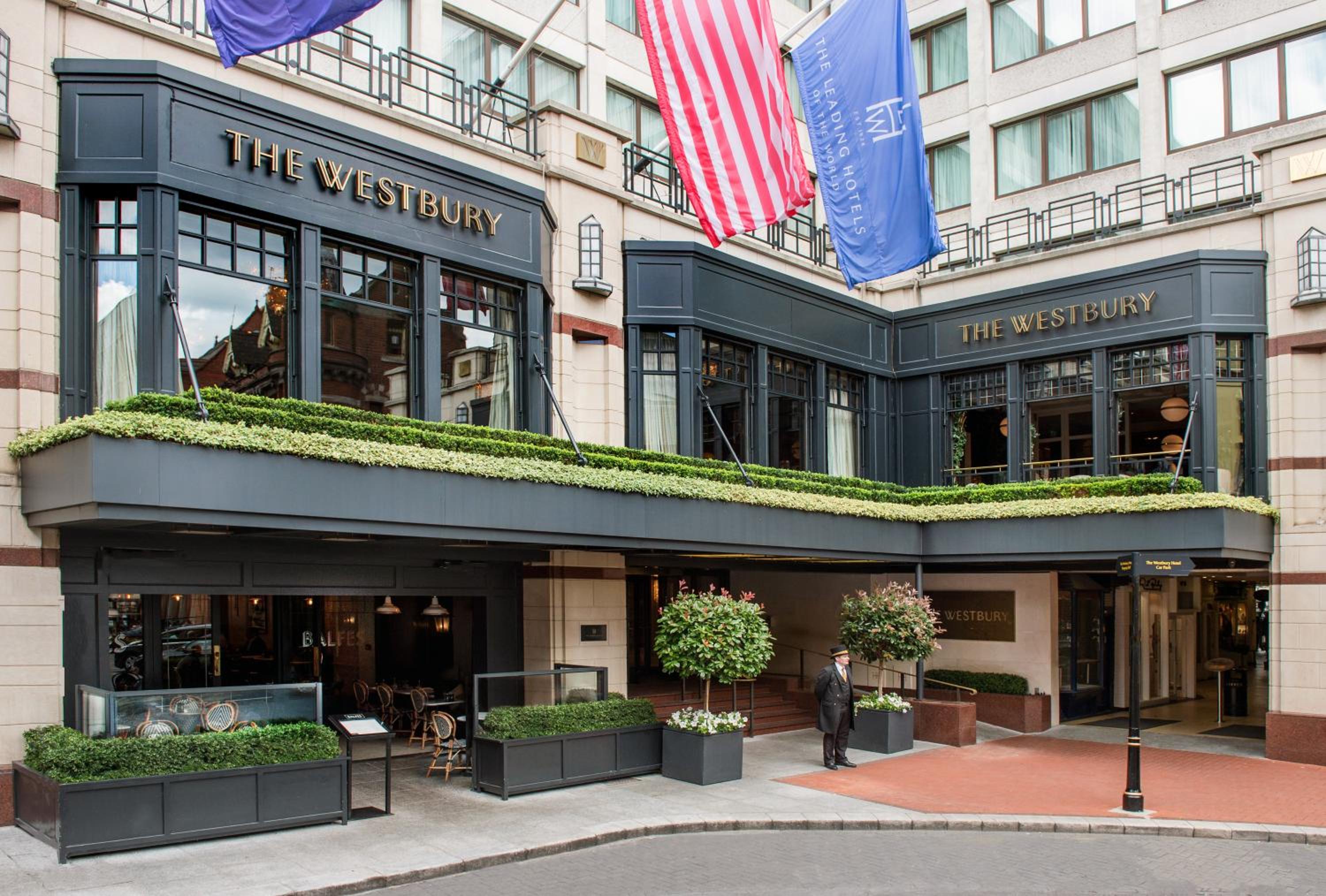
The Westbury occupies a building off Grafton Street with large rooms, a good bar and the shortest walk to the shopping. It is the most comfortable of the central hotels.
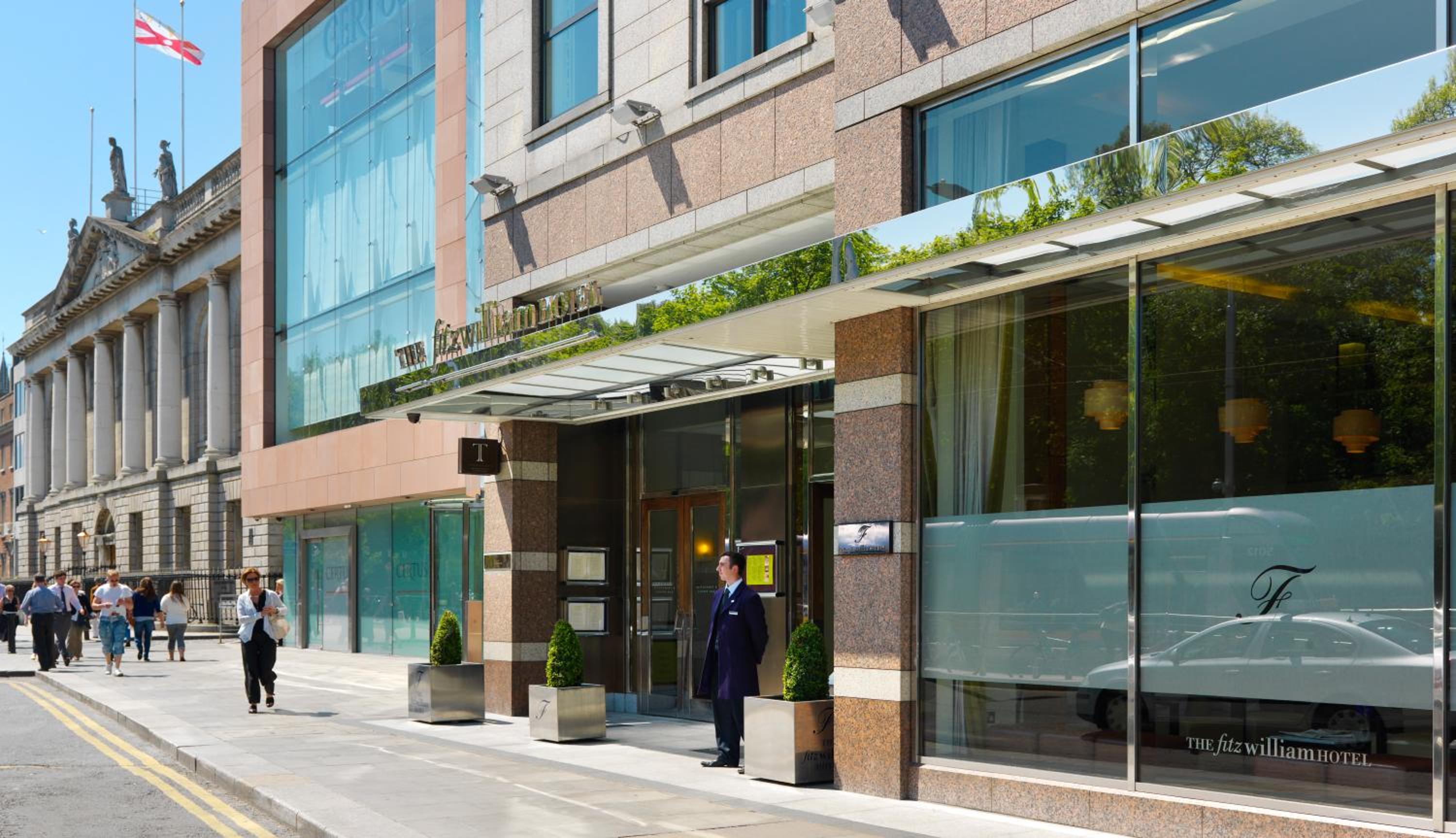
The Fitzwilliam Hotel sits on St Stephen's Green with contemporary rooms, a strong restaurant and rates below its two neighbours.
The Dylan Hotel occupies a Victorian building in Ballsbridge with a garden and a residential feel, twenty minutes' walk from the centre and considerably quieter.
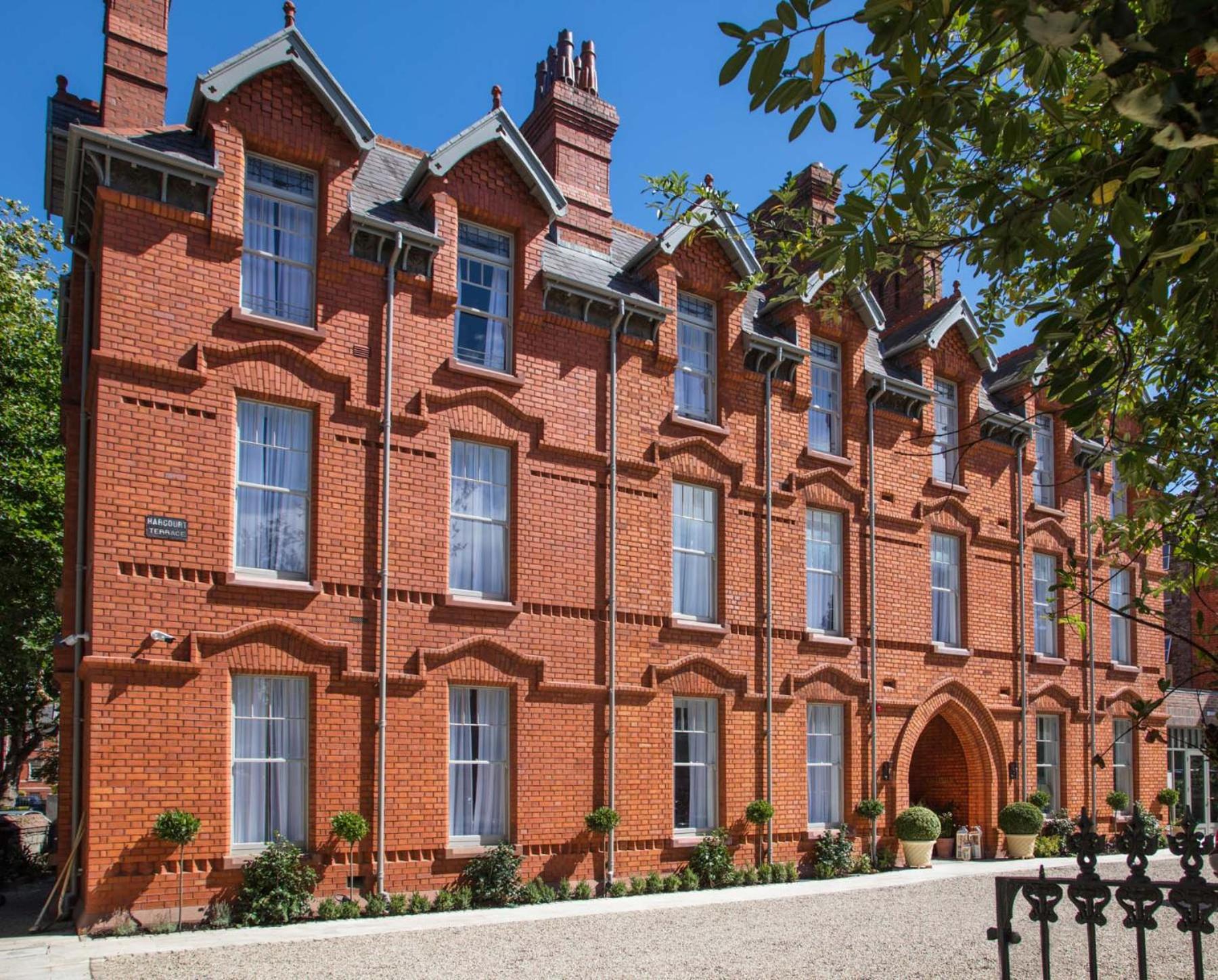
Wilder Townhouse is a restored red-brick townhouse near Fitzwilliam Square with a small room count and a personal operation. It is the best value on this side of the city.
East along the Liffey, newer and quieter, with the concert hall and the modern offices.
Anantara The Marker Dublin Hotel occupies a building on Grand Canal Square with a rooftop bar looking over the docks and the mountains, a spa and the largest rooms in Dublin.
The Mayson sits on the south quays with a design-led interior, a good restaurant and a ten-minute walk into the centre along the river.
The Alex Hotel occupies a building on the edge of the Georgian quarter with contemporary rooms, a rooftop and rates that are the lowest on this list. It is five minutes from Grafton Street and far enough from Temple Bar.
The Temple Bar hotels are excluded, all of them. Some have good rooms and the location is genuinely convenient for a night out. It is also four cobbled streets of amplified live music until three in the morning, and nobody books it expecting that.
Trinity College and the Book of Kells with a timed ticket, early. The Long Room library above it is the reason to go.
The National Gallery and the Chester Beatty Library are both free and both excellent, and the Chester Beatty is the one almost nobody visits.
Walk the Georgian squares and look at the doors. Then walk the coast: the DART train to Howth for the cliff path or to Dún Laoghaire and Dalkey, both about half an hour.
Drink in the older pubs rather than the loud ones. Kehoe's, the Long Hall, Grogan's, the Palace Bar. The Guinness Storehouse is worth doing once for the view from the top.
Eat properly. Dublin's food has improved sharply and the good restaurants book out.
Dublin airport is 30 to 40 minutes from the centre by bus or taxi. There is no rail link.
May, June and September are the best months. Summer is mild and wet, winter is dark and wet, and the rain is a constant across all of them rather than a season.
The centre is entirely walkable. The Luas trams and the DART coastal train cover the rest.
Prices shown are sample rates from upcoming dates — not quotes for specific dates. Open a hotel and choose your own dates and guests to see the exact price.
Yes, from Thursday to Sunday, until roughly three in the morning. It is not a reason to avoid the area during the day.
The Georgian squares around St Stephen's Green and Merrion Square. Everything is within ten minutes and the nights are quiet.
Hotels are, particularly in summer and during rugby weekends. Food and drink are comparable to London.
Three. Two for the city and a third for the coast or Glendalough.