Ha My beach, Hoi An
Four Seasons Resort The Nam Hai
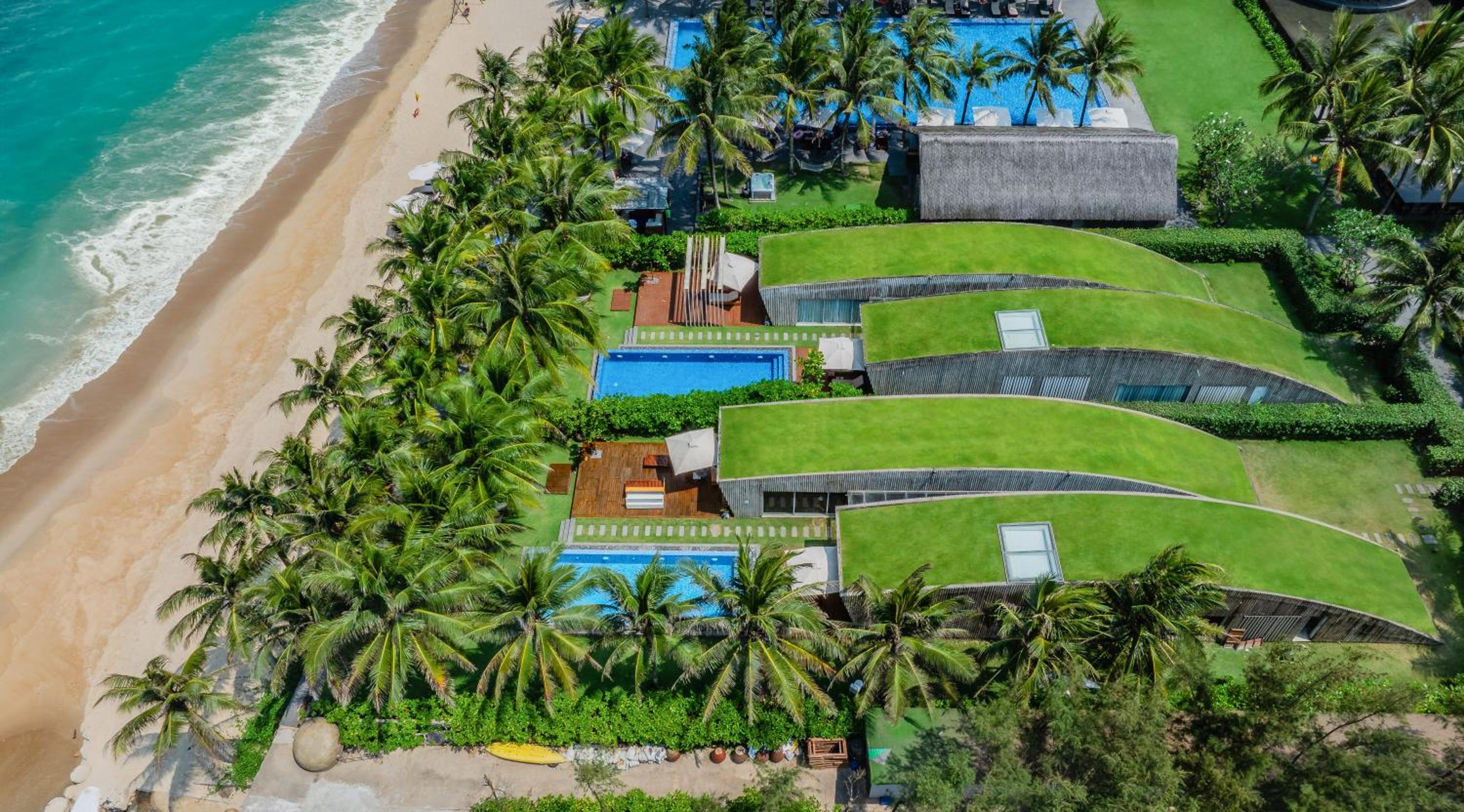
Villas on the plan of a Vietnamese village around stepped pools
Explore Hotel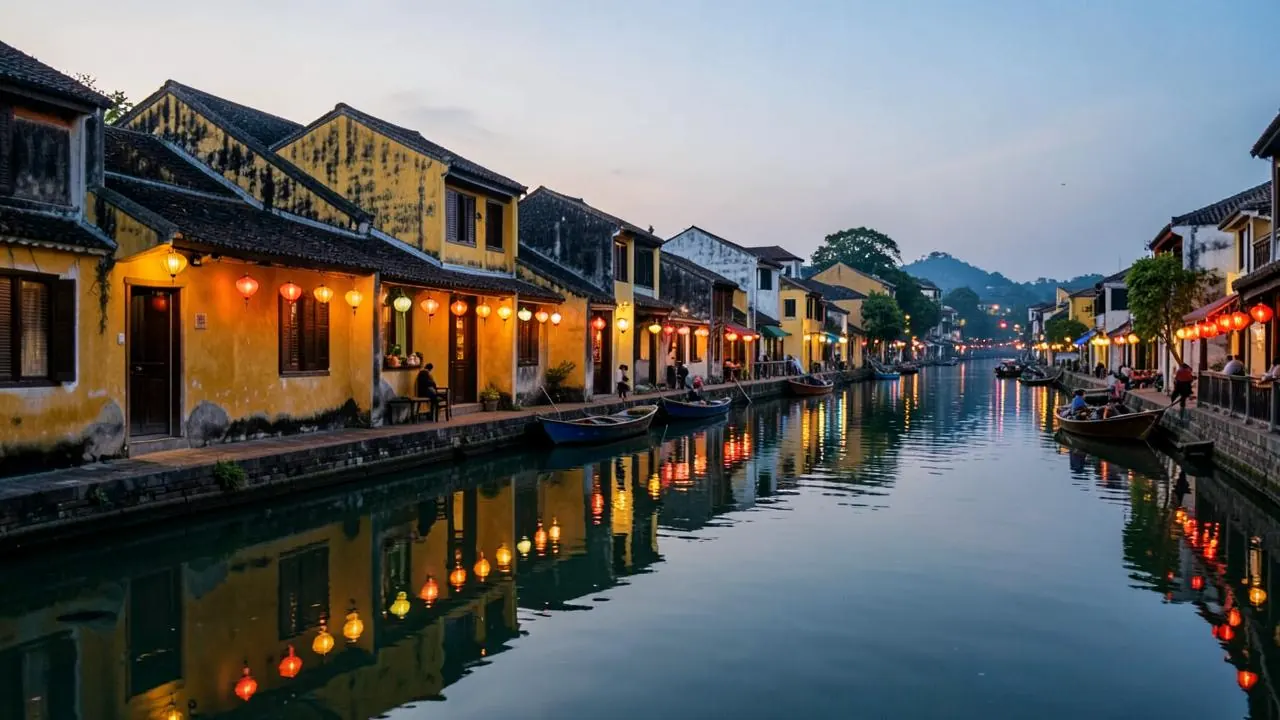

Hoi An and Da Nang, Vietnam
The port silted up, the money went to Da Nang, and eleven hundred timber buildings were never rebuilt. That is the whole reason it is still there.
The places to stay
Ha My beach, Hoi An
Villas on the plan of a Vietnamese village around stepped pools
Explore Hotel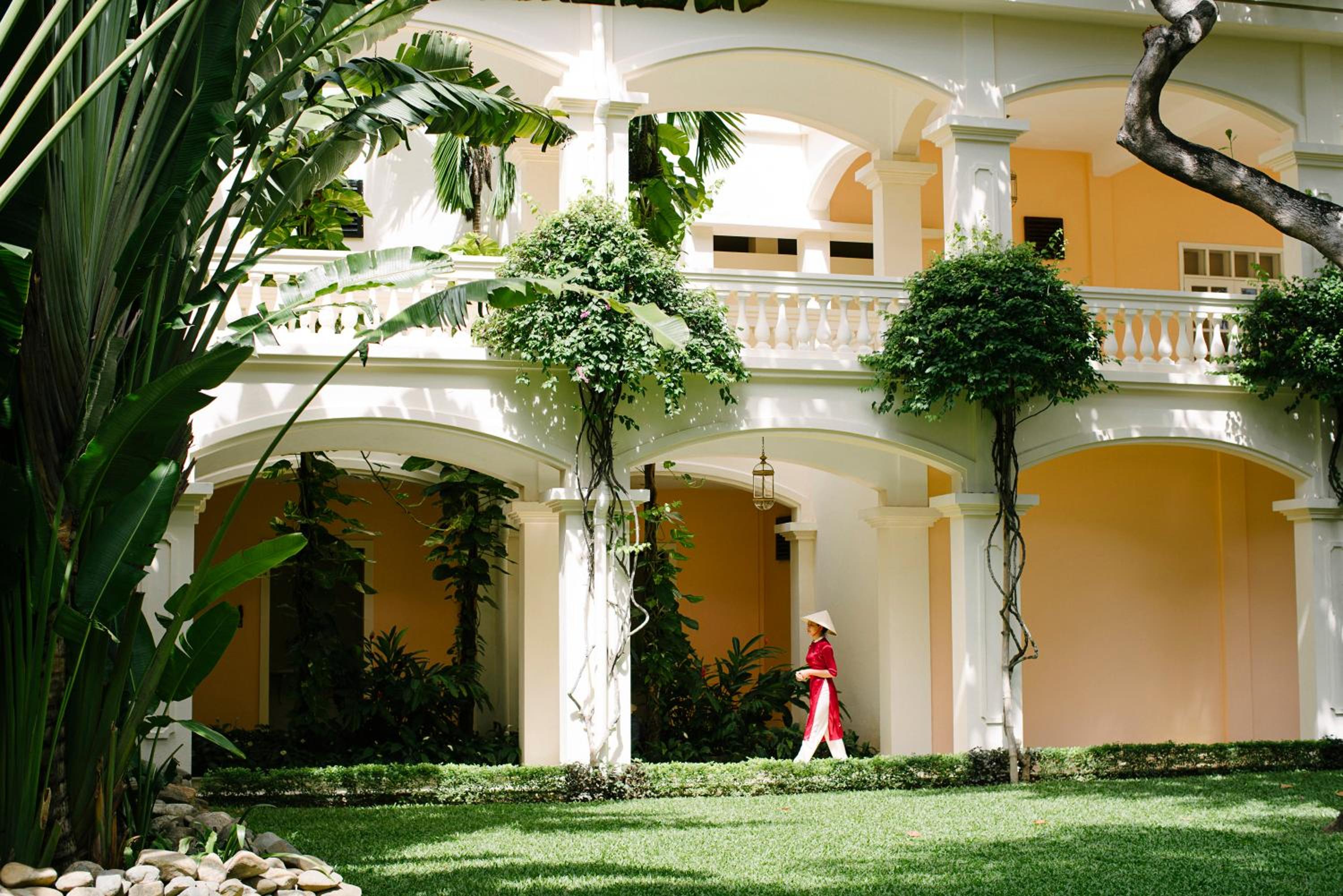
Thu Bon riverside
A colonial-style garden property between town and sea
Explore Hotel
Cua Dai beach
Gardens and a large pool with a shuttle into town
Explore Hotel
Between town and beach
Design-led with a pool at a mid-range rate
Explore Hotel
Old town edge
A rooftop pool and a Japanese-influenced interior
Explore Hotel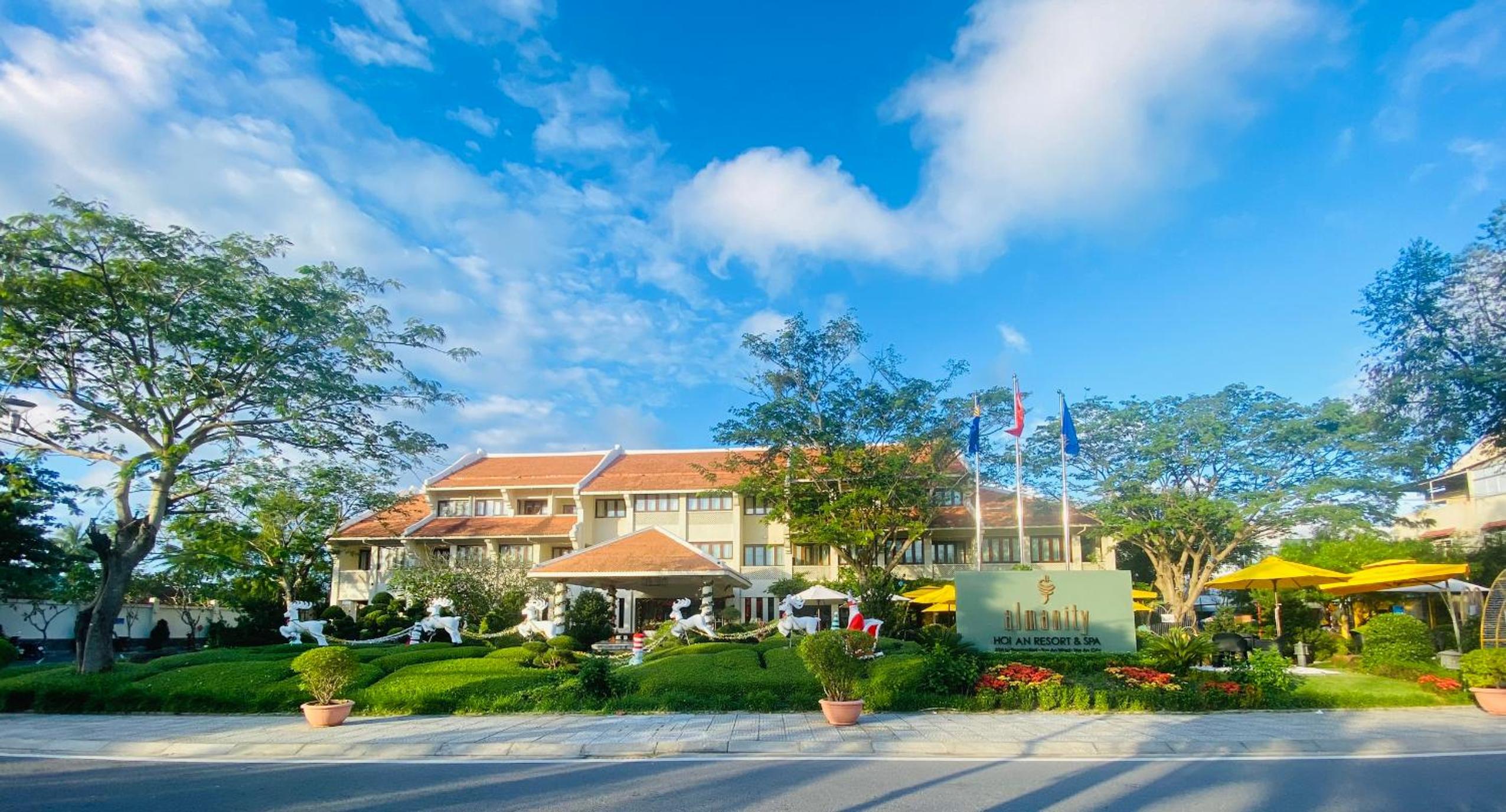
Between Da Nang and Hoi An
Strong architecture with villas and a beachfront pool
Explore HotelBy Happi · Last updated September 2026
A little local perspective
$$ to $$$$ — roughly $120-900 a night, peaking February to May
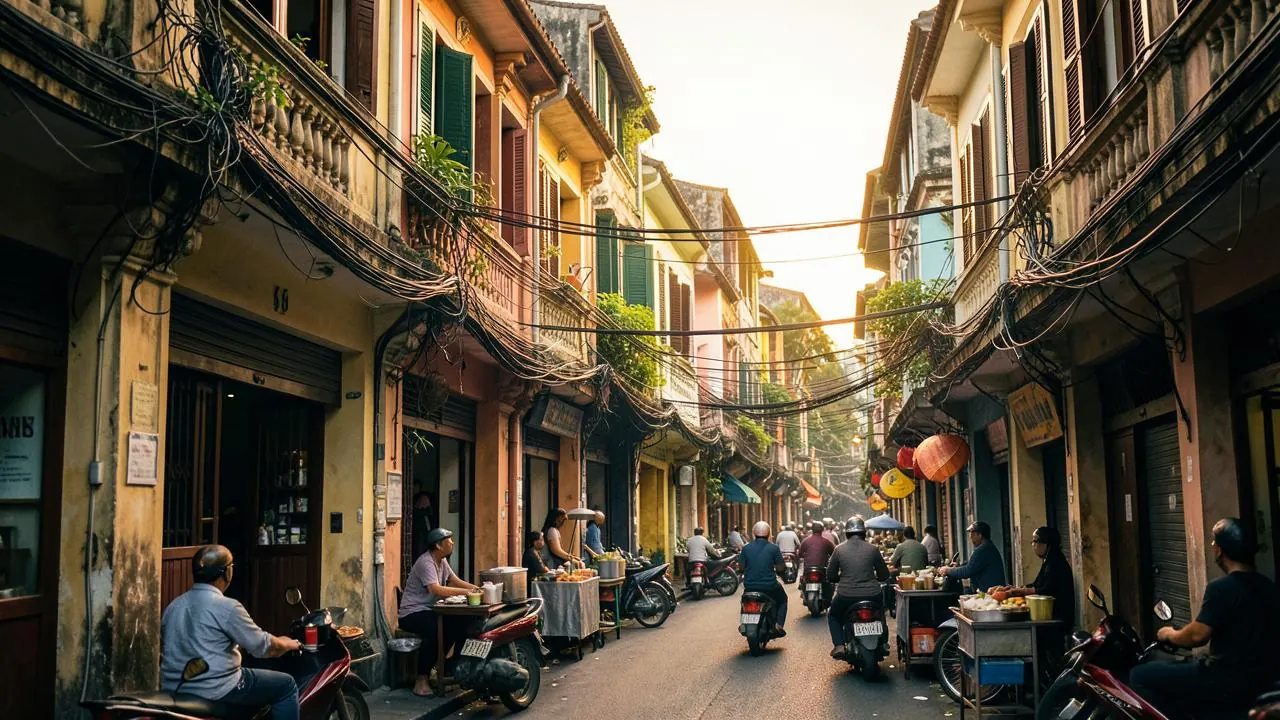
Hoi An was a major trading port from the fifteenth to the nineteenth century, where Japanese, Chinese, Dutch and Portuguese merchants met and settled. Then the Thu Bon river silted up, the trade moved to Da Nang, and the town stopped growing.
That is why it survives. Roughly 1,100 timber-framed buildings in the old town went unmodernised because there was no money to rebuild, and the whole thing is now a UNESCO site: merchant houses, assembly halls, a covered Japanese bridge from the 1590s, and streets closed to cars.
The silk lanterns are the town's image and there is a specific night for them. On the fourteenth day of each lunar month the old town switches off its electric lights, the lanterns and candles come on, and boats carry paper lanterns down the river. It is a monthly event, not a nightly one, and it is worth checking the lunar calendar against your dates.
The other thing the river does is flood. From roughly October to November, sometimes into December, the Thu Bon rises and the old town streets take water — occasionally a metre or more. Shops move stock upstairs, boats replace bicycles in the lanes, and life continues. It is genuinely part of the place. It is also not what most visitors are expecting, and hotels in the old town are more exposed than those on the beach.
The old town is the UNESCO core: no cars, tailors, lanterns and the merchant houses. Most accommodation here is small.
An Bang and Cua Dai beaches, ten to fifteen minutes east by bicycle or taxi, have the resorts. Note that Cua Dai has suffered severe erosion and much of its sand has gone, with sea walls in place; An Bang is the better beach now.
Da Nang, forty minutes north, is a large modern coastal city with a long beach, an airport and the Marble Mountains, and it is the base for the Hai Van Pass and Ba Na Hills.
Between them, My Son is a Cham temple complex an hour inland, and Hue, the imperial capital, is two and a half hours north over the pass.
The eleven below are grouped that way.
Ten to fifteen minutes from the old town.
Four Seasons Resort The Nam Hai occupies a beachfront site north of the old town with villas laid out in a grid around a set of stepped pools, based on the plan of a Vietnamese village, with a long private beach. It is the best hotel in central Vietnam.
Anantara Hoi An Resort sits on the river between the town and the sea with a garden, a pool and a colonial-influenced build.
Victoria Hoi An Beach Resort occupies a beachfront position at Cua Dai with a large pool, gardens and a shuttle into the old town.
La Siesta Hoi An Resort & Spa sits between the town and the beach with a pool, a spa and a design-led interior at a mid-range rate.
Inside the UNESCO core, no cars.
Hotel Royal Hoi An, MGallery occupies a building at the edge of the old town with a rooftop pool, a Japanese-influenced interior reflecting the town's trading history and the lanes outside the door.
Almanity Hoi An sits near the old town with a spa, a pool and a short walk to the covered bridge.
Forty minutes north. The city, the beach and the airport.
InterContinental Danang Sun Peninsula Resort occupies a steep forested hillside on the Son Tra peninsula, designed by Bill Bensley across four levels linked by a funicular, with a private beach in a cove. It is the most theatrical resort in Vietnam.
TIA Wellness Resort sits on the Da Nang beach as an all-inclusive wellness property where spa treatments are included in the rate rather than charged.
Naman Retreat occupies a beachfront position between Da Nang and Hoi An with villas, a pool and a strong architectural identity.
Premier Village Danang Resort sits on the Da Nang beachfront with several pools, a spa and full family facilities.
Furama Resort Danang occupies a long-established beachfront site with mature gardens, a pool and a lower rate than its neighbours.
The homestays and small hotels across Hoi An are excluded, and the town has a very large supply at low prices, several in restored houses. They are guest houses rather than hotels.
Walk the old town at dawn and again after dark. The morning market by the river is the best hour and the lantern-lit evening is the other.
Have something made. Hoi An's tailors are the town's second industry and a suit or a dress can be measured, made and fitted inside two days. Quality varies enormously; ask your hotel rather than picking off the street.
Cycle to An Bang beach through the rice fields, which takes about twenty minutes and is flat.
Eat the town's own dishes: cao lầu, made with water from a specific local well, white rose dumplings, and bánh mì from the two famous carts.
Go to My Son at opening, a Cham Hindu temple complex from the fourth to fourteenth centuries, damaged in the war and quietly moving.
Da Nang's airport has domestic and regional connections and is 40 minutes from Hoi An.
February to May is the best window: dry and warm. June to August is hot. The rainy season runs September to December, with October and November the wettest and the flood period.
The old town is pedestrianised for much of the day and bicycles are the sensible transport.
Prices shown are sample rates from upcoming dates — not quotes for specific dates. Open a hotel and choose your own dates and guests to see the exact price.
The fourteenth day of each lunar month, when the town's electric lights go off. Check the lunar calendar against your dates.
Most years, from around October to November. Streets take water, boats replace bicycles, and life carries on. Beach hotels are less exposed.
Old town for the lanes and the atmosphere, beach for space and pools. Fifteen minutes apart by bicycle.
Four. Three in Hoi An and one for My Son or Da Nang.