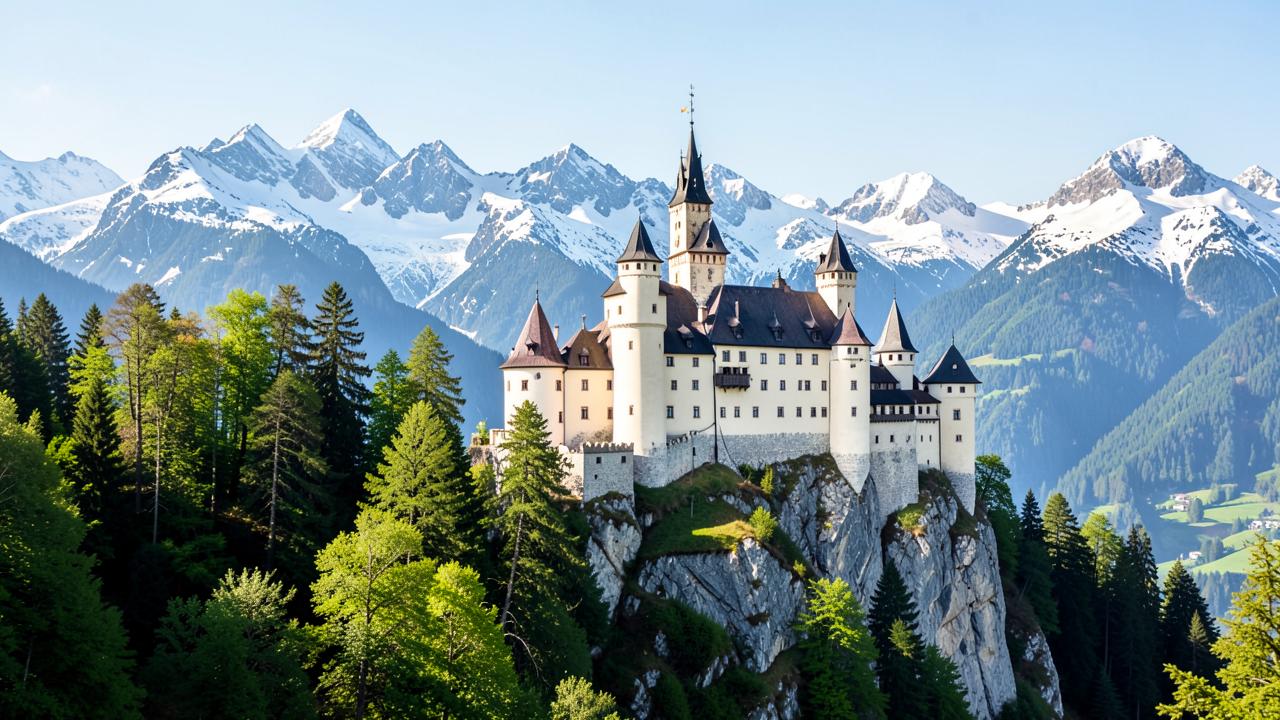
Innsbruck old town
Hotel Schwarzer Adler
Taking guests since the fourteenth century, with painted vaults
Explore Hotel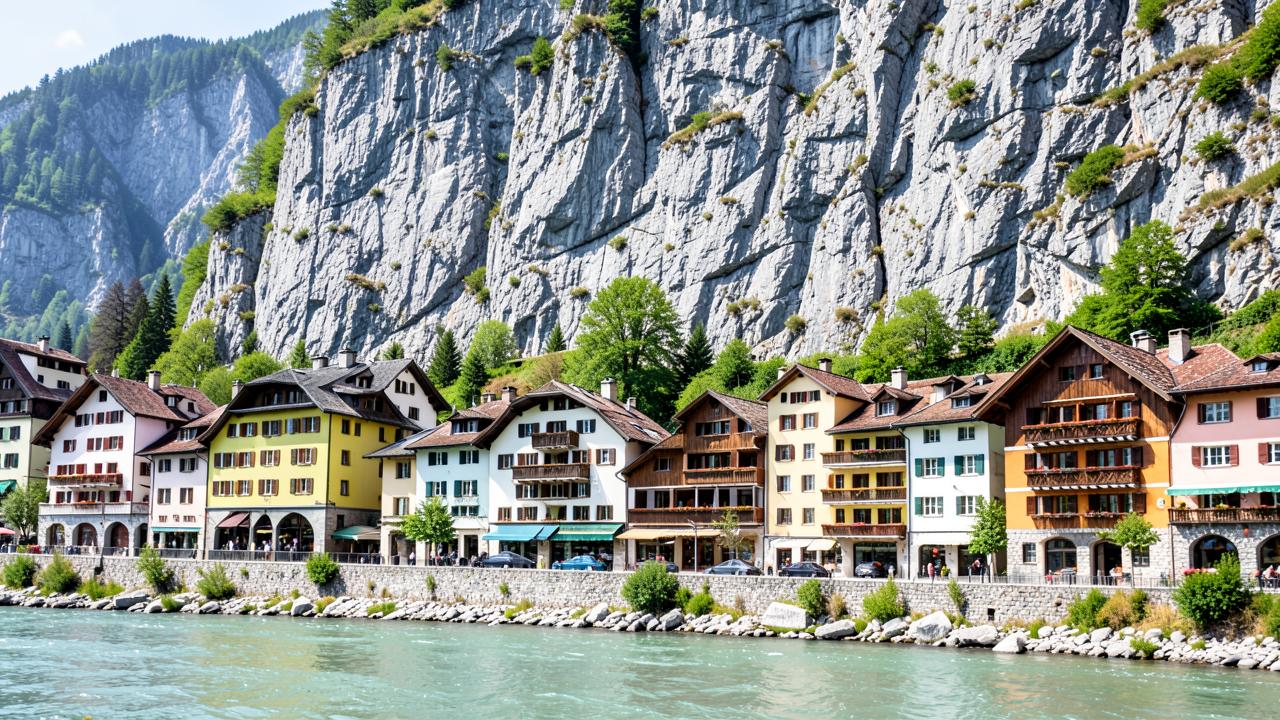

Innsbruck and Tyrol, Austria
Ski in the morning and be at a café on the Maria-Theresien-Strasse by lunch. No other Alpine capital sits that close to a high ridge.
The places to stay
Innsbruck old town
Taking guests since the fourteenth century, with painted vaults
Explore Hotel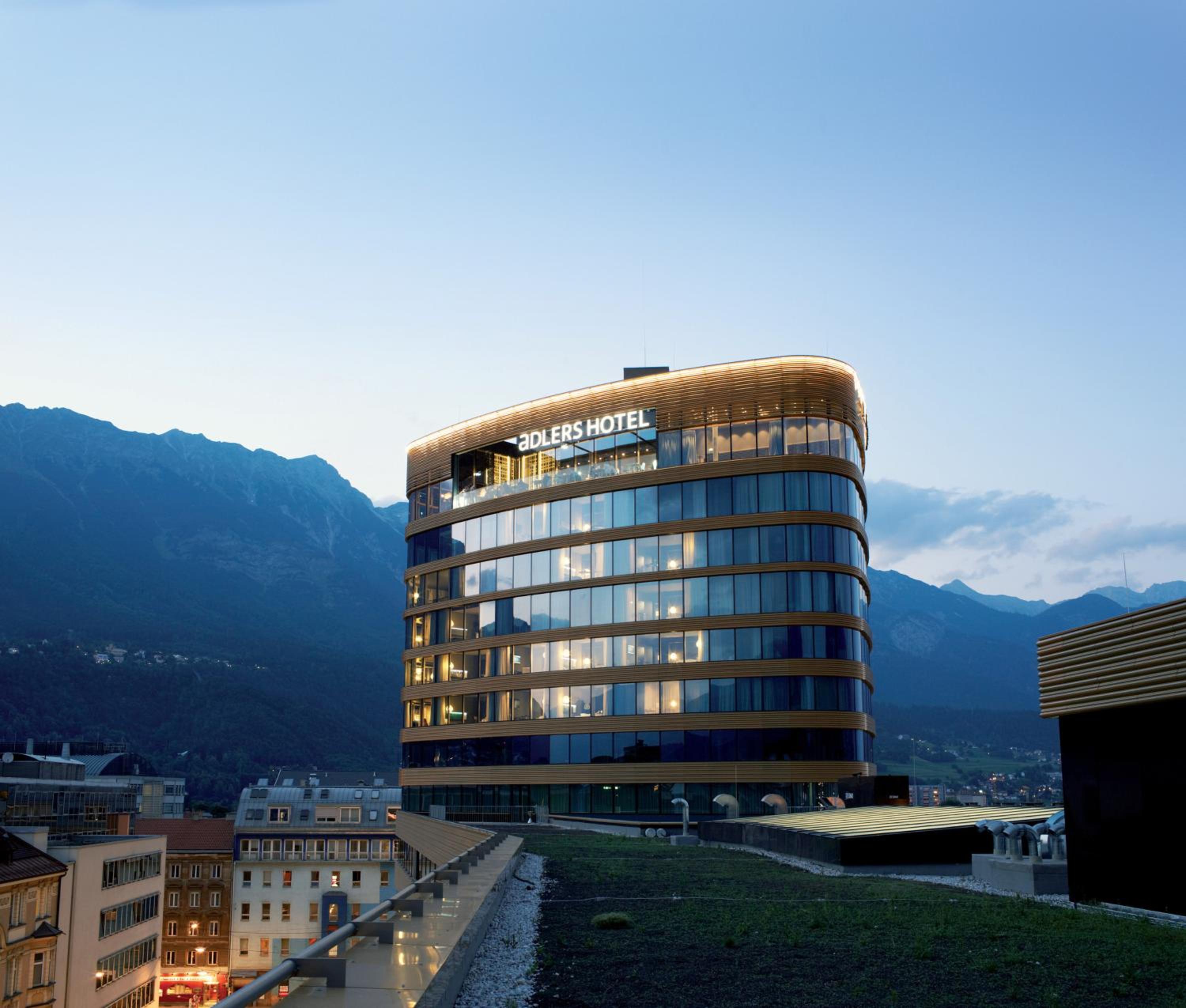

Near Innsbruck old town
Rooms designed by different artists, at the best value
Explore Hotel
Seefeld
A spa across several floors with full family facilities
Check availability

Telfs-Buchen, 1,300m
Its own road, no through traffic and a vast spa
Explore Hotel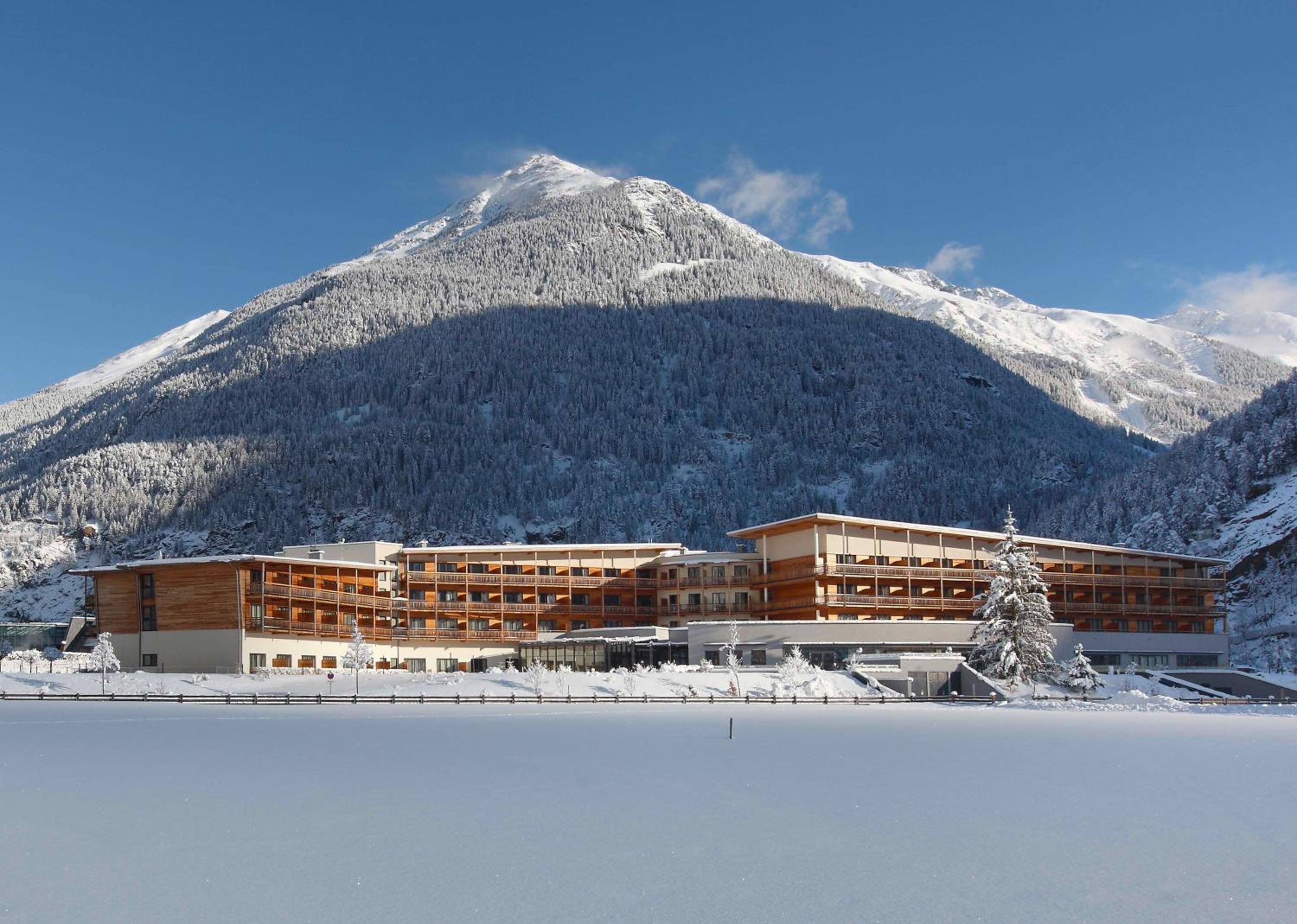
By Happi · Last updated September 2026
A little local perspective
$$ to $$$$ — roughly 180-900 euros a night, peaking in February and August
From the middle of Innsbruck's medieval old town you can be standing at 2,256 metres in about twenty minutes. A funicular designed by Zaha Hadid climbs out of the city, crosses the river underground and emerges on the hillside; two cable cars take over from there and put you on the Nordkette ridge, looking back down at the rooftops directly below.
Nowhere else in the Alps puts a capital city and a high alpine ridge that close together. You can ski in the morning and be at a café on the Maria-Theresien-Strasse by lunchtime, which is the whole proposition of Innsbruck and the reason it hosted two Winter Olympics, in 1964 and 1976.
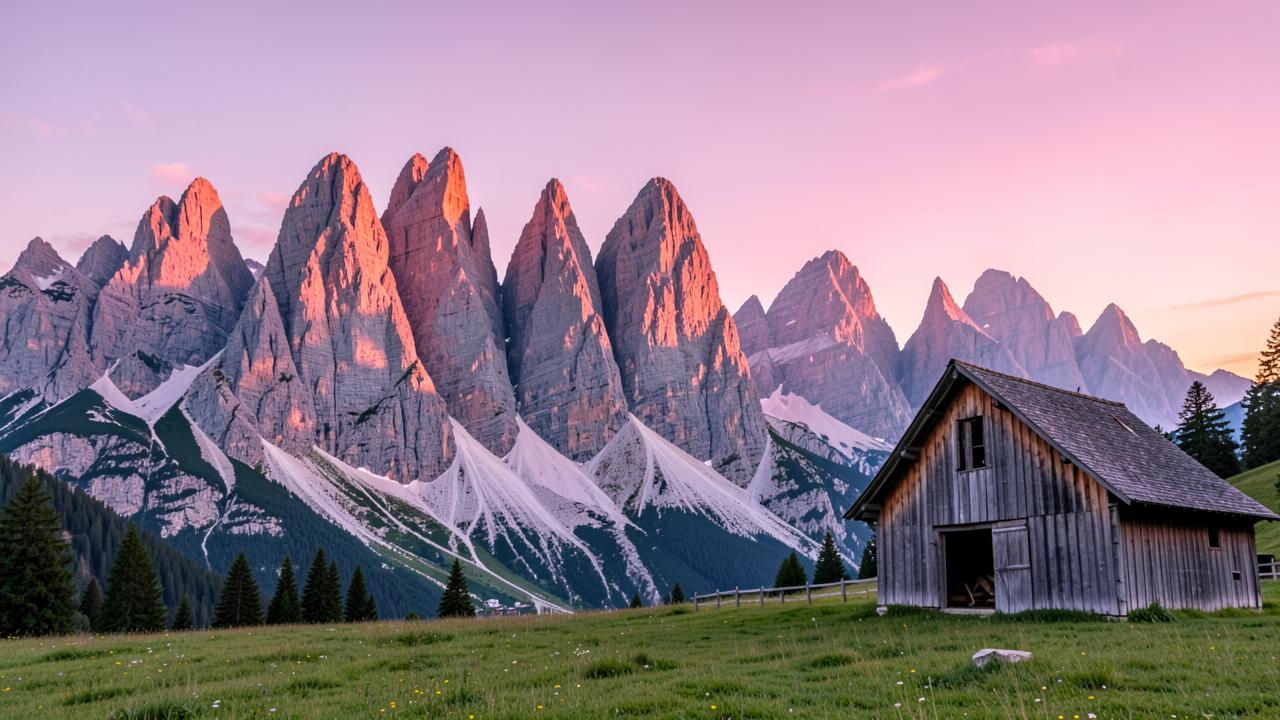
Innsbruck sits in the Inn valley with the Nordkette to the north and the Tuxer Alps to the south, which is why it is in shadow early in winter and why the light on the north wall in the evening is what the city is photographed for.
Innsbruck itself has the Golden Roof of 1500, the imperial palace, the Bergisel ski jump rebuilt by Hadid, and Swarovski's Crystal Worlds twenty minutes east.
Seefeld, twenty-five minutes up on a plateau at 1,200 metres, is the cross-country skiing and spa town, gentler than the high resorts.
Kitzbühel, an hour east, is the glamorous one, with the Hahnenkamm downhill in January — the most dangerous race in the World Cup, run on a pitch of up to 85 percent.
Ötztal and Sölden, southwest, are the high glacier resorts with skiing into early summer.
The Zillertal and the Achensee, east and north, are the walking valleys.
The nine below are grouped that way.
The city under the ridge.
Grand Hotel Europa occupies a building on the Südtiroler Platz opposite the station, a short walk from the old town, with a spa, a pool and the most complete facilities in the city.
Hotel Schwarzer Adler sits in the old town near the Golden Roof in a building that has taken guests since the fourteenth century, with painted vaults and a restaurant in the original hall.
aDLERS Hotel occupies a tower by the river with a bar on the top floor looking straight at the Nordkette, and the funicular station a few minutes away.
Nala Individuellhotel sits near the old town with rooms individually designed by different artists and a deliberately unpolished tone at the best value in Innsbruck.
The plateau, twenty-five minutes up.
Astoria Resort Seefeld occupies a large property at Seefeld with a spa across several floors, several pools and full family facilities.
Hotel Klosterbräu & SPA sits in the centre of Seefeld in a family hotel running since 1516, with a brewery, a spa and a chapel in the building.
Glacier and spa country.
Interalpen-Hotel Tyrol occupies a position above Telfs at 1,300 metres, reached by its own road, with a spa of considerable scale, no through traffic and views the length of the Inn valley.
Bio-Hotel Stanglwirt sits at Going below the Wilder Kaiser on a working farm, with its own dairy, a riding school, tennis courts and a spa. It has been in the same family for four centuries.
Aqua Dome, Tirol Therme occupies a thermal complex at Längenfeld in the Ötztal with pools cut into the rock and mountain water at 40 degrees.
The Gasthöfe and mountain huts across Tyrol are excluded. The huts in particular are how the high walking is done, with dinner and a dormitory at altitude. They are inns and huts rather than hotels.
Take the Nordkette up in the evening. The last cable cars run late in summer and the city lights come on below while you are still at 2,000 metres.
See the Bergisel ski jump, which Hadid rebuilt in 2002 with a café at the top of the tower, and which is open year round.
Walk a section of the Adlerweg, the eagle path, which crosses Tyrol in 33 stages and can be sampled in a day from several valleys.
Go to Swarovski Kristallwelten if you have children, and to the Ambras Castle armoury if you do not.
Eat Tyrolean: Kaspressknödel, Gröstl, Kaiserschmarrn, and the speck, which is smoked rather than air-dried and is different from its Italian neighbour.
Innsbruck's airport is ten minutes from the centre with seasonal European traffic; Munich is two hours by road. The city is walkable and the regional trains are excellent.
The ski season runs December to April, with glacier skiing at Sölden from October. Summer walking runs June to September. April, May and November are the quiet months.
The Innsbruck Card covers the Nordkette funicular and cable cars, the museums and the buses, and usually pays for itself in a day.
About twenty minutes from the old town to 2,256 metres, by funicular and two cable cars.
Innsbruck for a real city with mountains attached. Kitzbühel for the ski scene and the Hahnenkamm. An hour apart.
Very. The walking, the lifts and the city all run, and rates are lower than in winter.
Four. Two in the city and two in a valley.