Central Kanazawa
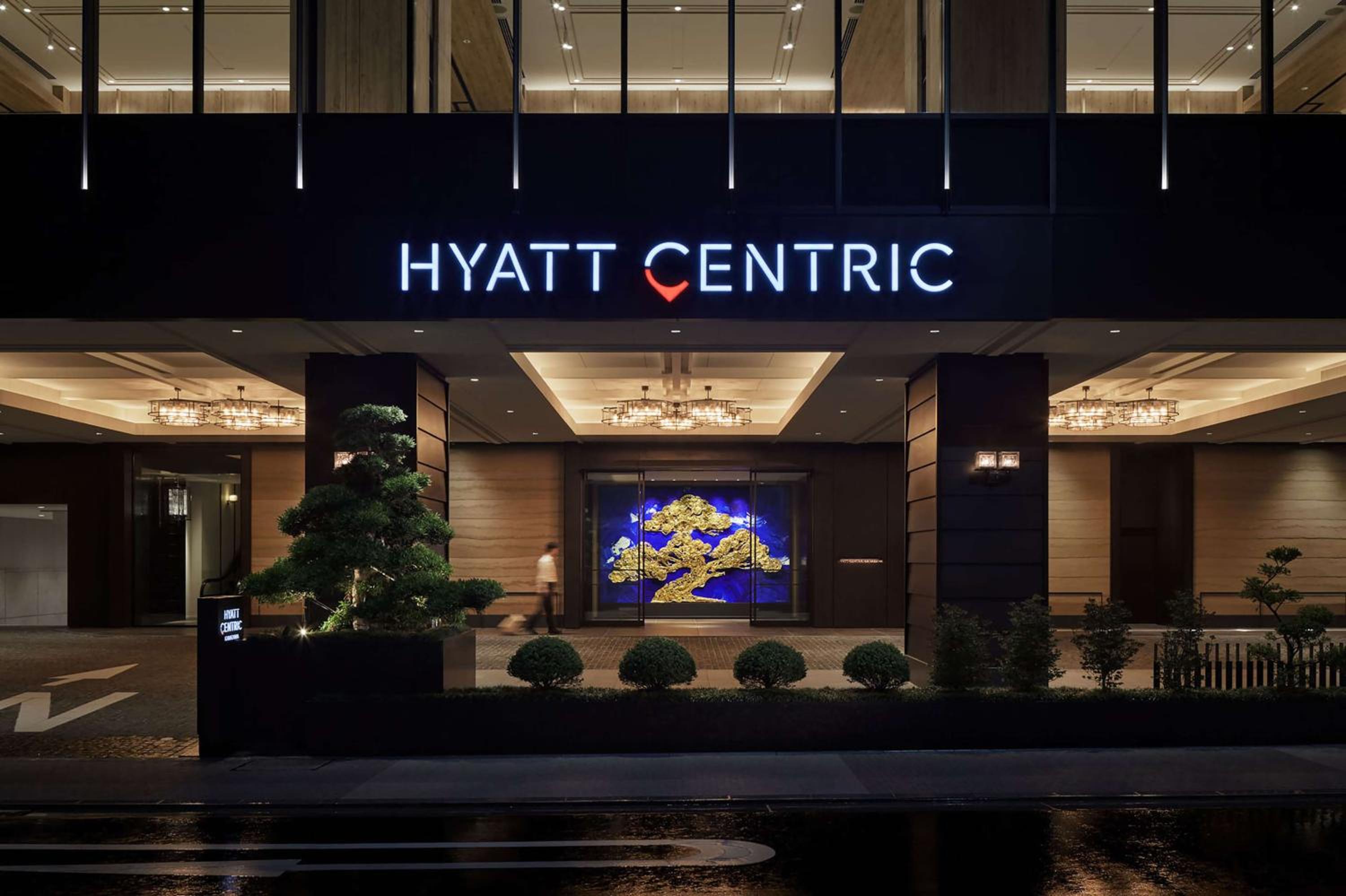
Hyatt Centric Kanazawa
Shortest walking radius to all three old districts
Explore Hotel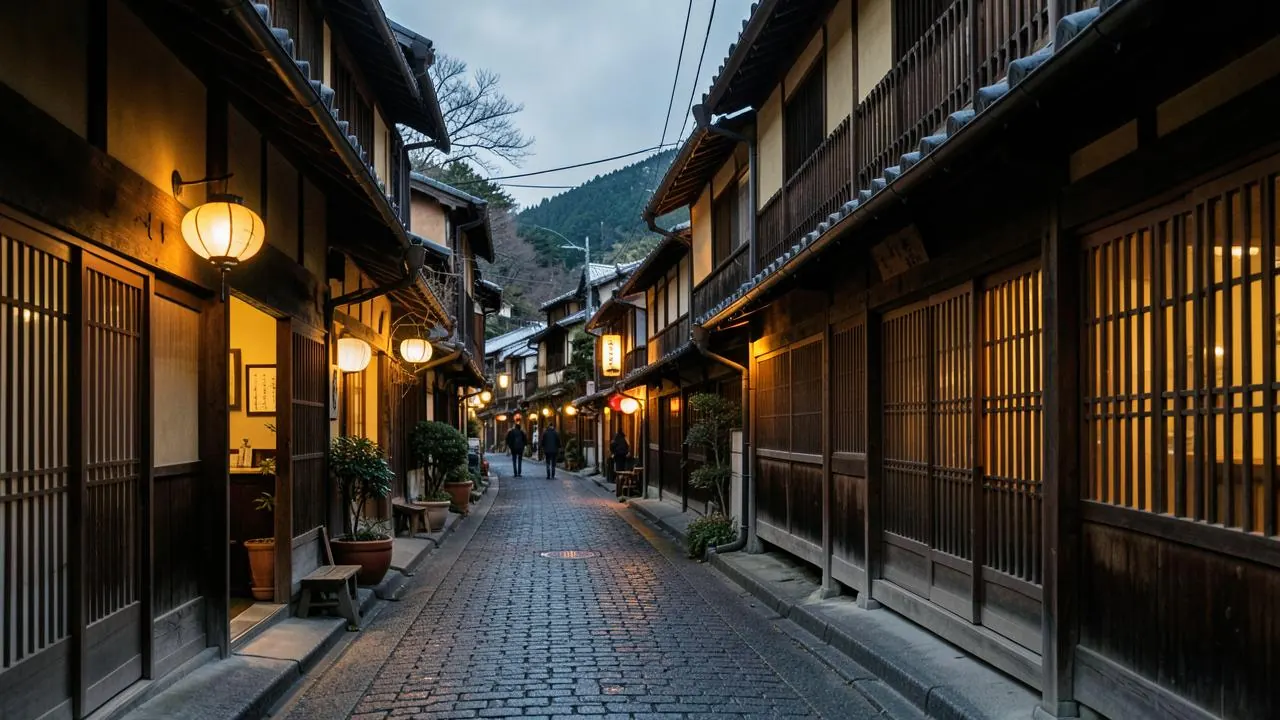

Kanazawa, Japan
The wealthiest domain after the Tokugawa put its money into gold leaf, lacquer and Noh rather than armies. Then the war left the city alone.
The places to stay
Central Kanazawa
Shortest walking radius to all three old districts
Explore Hotel

Near the castle
Top-floor bath and a garden by the castle grounds
Explore Hotel

Kanazawa station
Reliable rooms with a bath house near the shinkansen
Explore Hotel
Korinbo, central
Contemporary rooms between Nagamachi and the garden
Explore Hotel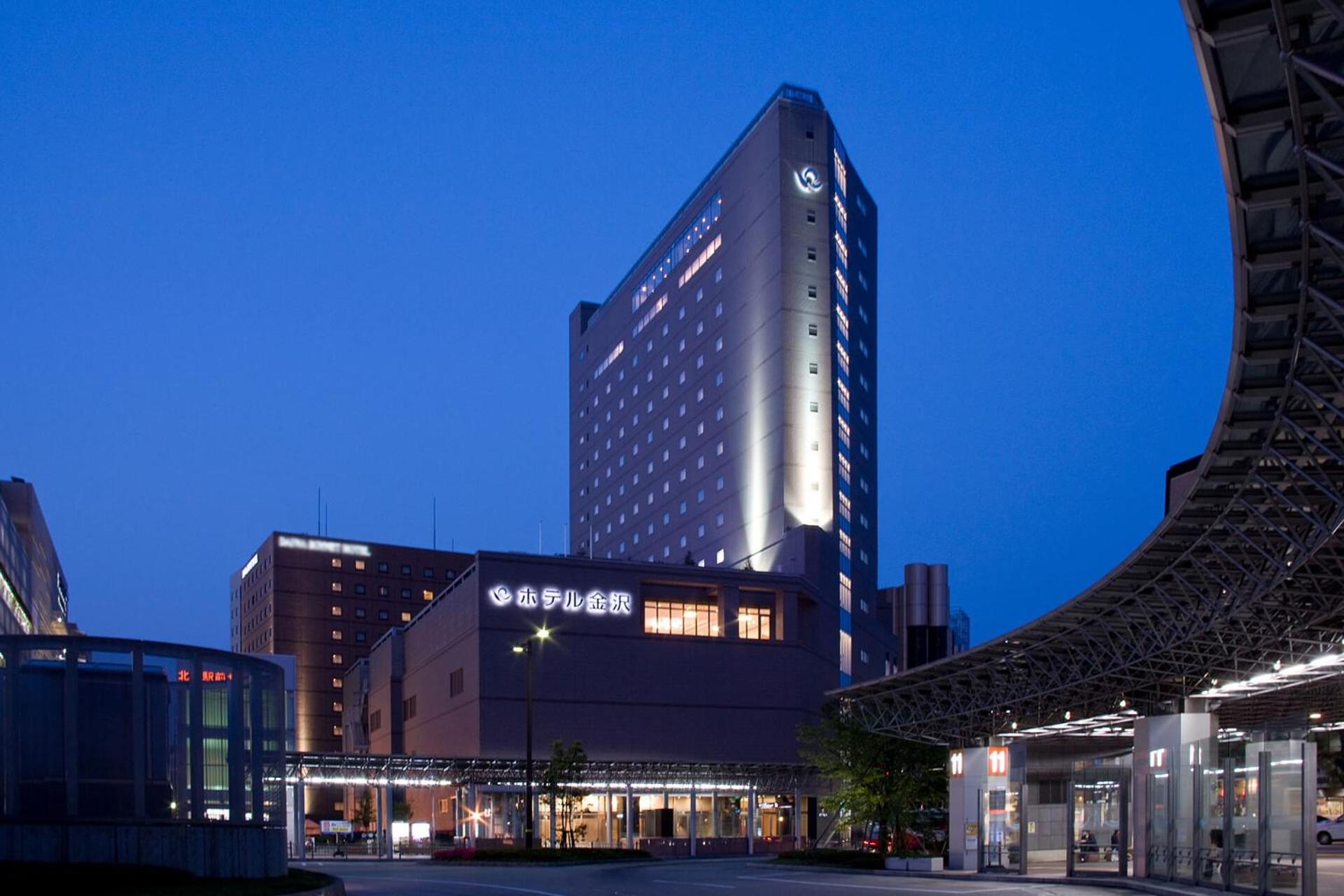
By Happi · Last updated September 2026
A little local perspective
$$ to $$$ — roughly 20,000-60,000 yen a night, peaking in spring and autumn
Kanazawa was the seat of the Maeda clan, the wealthiest feudal domain in Japan after the Tokugawa themselves, and the money went into craft rather than military spending — gold leaf, lacquer, Kutani porcelain, silk dyeing, Noh theatre. The city still produces almost all of Japan's gold leaf.
It was also never bombed. Kanazawa had no significant military industry and it survived the Second World War intact, which is why three Edo-period districts still stand where in most Japanese cities they do not.
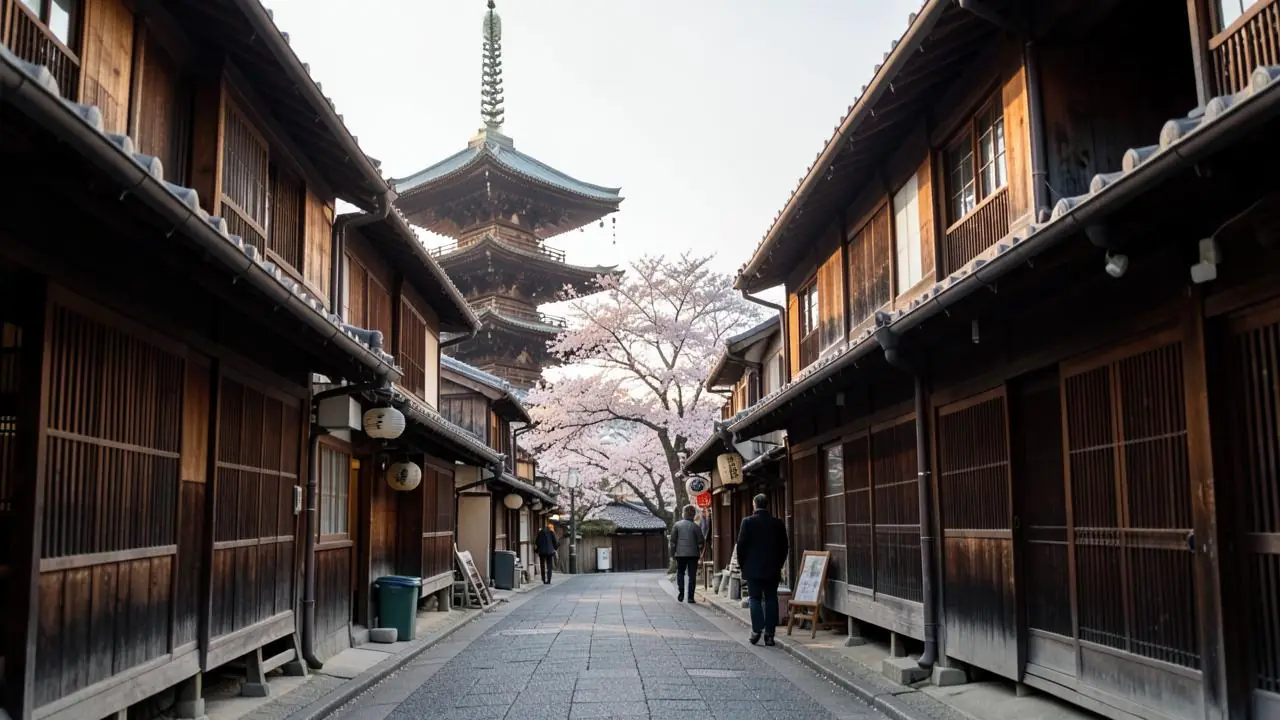
Higashi Chaya, the eastern teahouse district, is the largest and best preserved: two-storey wooden buildings with slatted latticework, several open to visitors, and geisha still working in a small number of them.
Nishi Chaya, the western one, is smaller and quieter.
Nagamachi, the samurai district, is different in kind: earthen walls along narrow lanes, with the residences of middle-ranking retainers behind them, and water channels running down the streets.
Between them sits Kenrokuen, which is generally counted among the three great gardens of Japan, and the castle grounds beside it.
The city is compact — everything above is within about two kilometres — and it is on the shinkansen from Tokyo, which took it from a place people flew to occasionally to a straightforward two and a half hour trip.
The seven below are grouped by position relative to those districts.
Central, walkable to all three quarters and the garden.
Hyatt Centric Kanazawa occupies a building in the centre with a design that draws on local craft, a good restaurant and the shortest walking radius to Higashi Chaya, Nagamachi and Kenrokuen.
KUMU Kanazawa sits near the Omicho market with rooms that reference Kanazawa's crafts, a bar and a compact contemporary format.
Kanazawa Hakuchoro Hotel Sanraku occupies a position between the station and the centre, with a top-floor bath, a garden and views over the city.
Beside the garden, on the eastern side.
Hotel Nikko Kanazawa sits within walking distance of Kenrokuen with a garden of its own, a hot spring bath and a traditional format.
ANA Crowne Plaza Kanazawa occupies a hillside position with a public bath fed from a hot spring, tatami rooms and a quieter setting than the centre.
The shinkansen end, under the wooden Tsuzumi gate.
Hotel Intergate Kanazawa occupies a tower attached to the station with a spa, several restaurants and the shortest transfer of anything in the city.
Hotel Kanazawa sits near the station with contemporary rooms, a bath house and rates below the central hotels.
The machiya conversions across the old districts are excluded, and staying inside a two-hundred-year-old wooden townhouse in Higashi Chaya is a genuinely good way to experience Kanazawa. They are self-catering rentals rather than hotels.
Go to Kenrokuen at opening. The garden is best empty and in winter it has the yukitsuri, the rope cones rigged over the pines to protect the branches from snow, which is the image of Kanazawa.
Walk Higashi Chaya early and again after dark, when the lanterns are lit and the day visitors have gone.
See the 21st Century Museum of Contemporary Art, a circular glass building by SANAA that is one of the best modern museums in Japan, with a swimming pool installation that everyone photographs.
Eat at the Omicho market, which has been running since the eighteenth century, and eat the seafood: Kanazawa is on the Sea of Japan and the winter crab and yellowtail are the reason chefs from Tokyo come here.
Try gold leaf. It is applied to ice cream and sake as a novelty and it is also a serious craft with workshops you can visit.
The shinkansen from Tokyo takes about two and a half hours. Kanazawa is also a straightforward stop between Tokyo and Kyoto if you are willing to change trains.
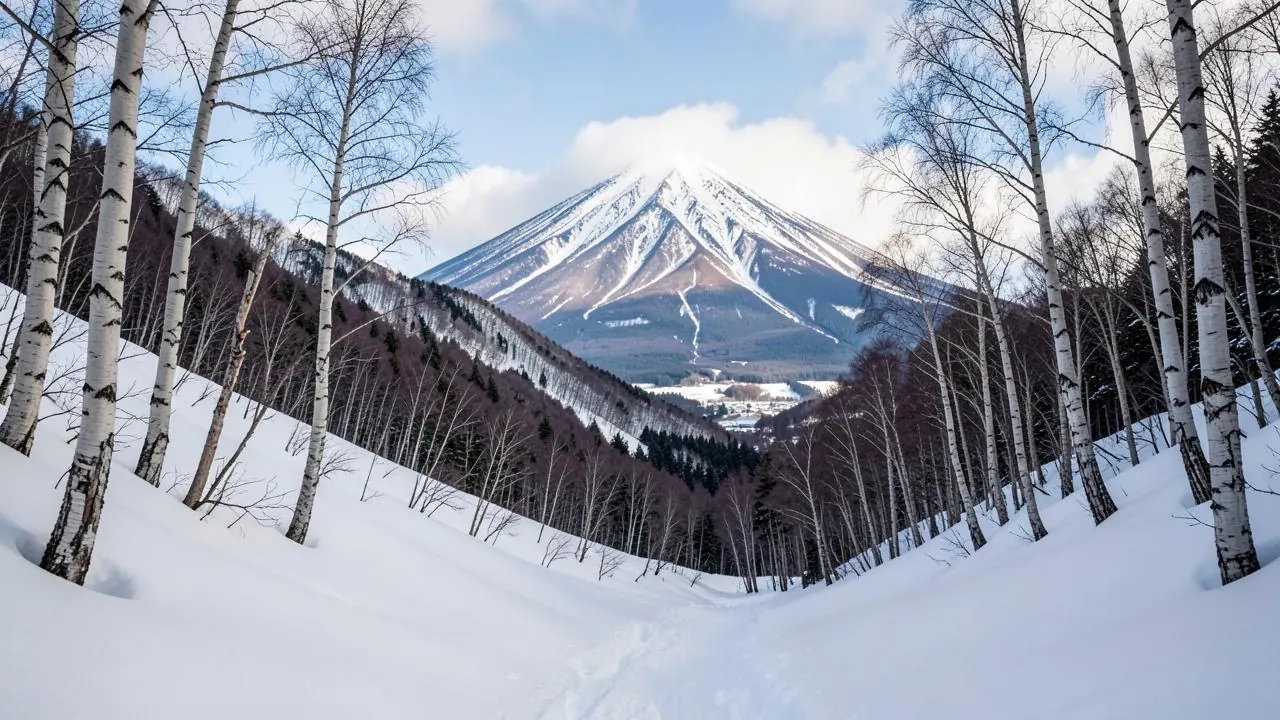
Spring and autumn are the best seasons. Winter is grey, wet and snowy on this coast, and it is when the seafood is at its best and the garden looks most striking. Summer is hot and humid.
The city is walkable and the loop bus covers the rest.
Prices shown are sample rates from upcoming dates — not quotes for specific dates. Open a hotel and choose your own dates and guests to see the exact price.
It had no significant military industry and was not bombed, which is why three Edo districts survive here and almost nowhere else.
Two and a half hours from Tokyo on the shinkansen, and yes. It gives you preserved districts without Kyoto's crowds.
Winter, particularly for crab. It is also the wettest season.
Two. Everything is within walking distance and the districts deserve an evening as well as a morning.