Sasso Caveoso
Sextantio Le Grotte della Civita
Eighteen cave rooms lit by candle, with a rock church at breakfast
Explore Hotel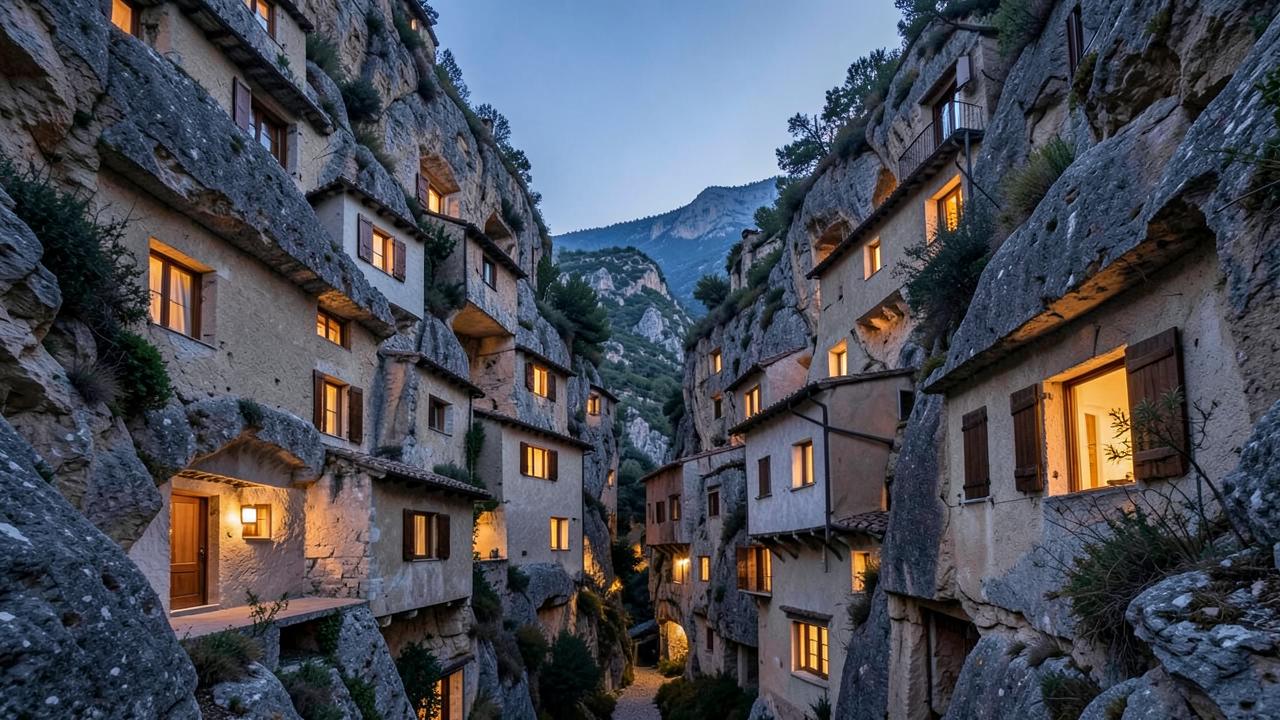

Matera and Basilicata, Italy
Nine thousand years of continuous habitation, then a 1952 law that emptied the district and called it the shame of Italy. The caves stood empty for thirty years.
The places to stay
Sasso Caveoso
Eighteen cave rooms lit by candle, with a rock church at breakfast
Explore Hotel
Sasso Barisano
A spa cut into the rock with a pool in a former cistern
Explore Hotel
Civita, above the Sassi
A rooftop over the whole ravine, with conventional rooms
Explore Hotel

By Happi · Last updated September 2026
A little local perspective
$$ to $$$$ — roughly 180-600 euros a night, peaking in spring and autumn
Matera has been continuously inhabited for something in the order of nine thousand years, which makes it one of the oldest lived-in settlements anywhere on earth. People carved houses into the soft tufa of a ravine, extended them backwards into the rock, and kept doing so from the neolithic until the twentieth century.
By the 1940s around fifteen thousand people were living in those caves — the Sassi — frequently sharing a single room with their animals, with no running water or sewerage, and infant mortality and malaria rates that shocked the country when they were written about. In 1952 the Italian government passed a law and forcibly emptied the district, moving the population into new housing on the plateau above. Matera was called the shame of Italy in parliament.
The caves stood abandoned for thirty years. From the 1980s they were slowly reoccupied, in 1993 UNESCO listed them, and in 2019 Matera was European Capital of Culture. The hotels below are in those caves.
That history is not a footnote and the good hotels here do not treat it as one. Several were restored with an explicit intention to show the rooms as they were — stone floors, cisterns, niches cut for oil lamps, and in some cases the original mangers where animals were kept.
The effect is remarkable and it is not luxurious in the usual sense. Rooms are dim by design, some have no windows, and the finish is deliberately rough. Anyone expecting a conventional five-star room in a cave will be disappointed; anyone who understands what they are looking at will not be.
Sasso Barisano and Sasso Caveoso are the two cave districts, dropping down either side of a spur with the cathedral on top.
The Civita, the spur itself, is the oldest part.
The Piano, the flat town above, is the nineteenth and twentieth century city where most residents actually live.
The Murgia, across the ravine, is a plateau of rock churches — over a hundred and fifty of them, cut into cliffs and painted with Byzantine frescoes.
Maratea, two hours west on the Tyrrhenian coast, is Basilicata's only sea town and is often added to a Matera trip.
The six below are grouped by district.
In the caves themselves.
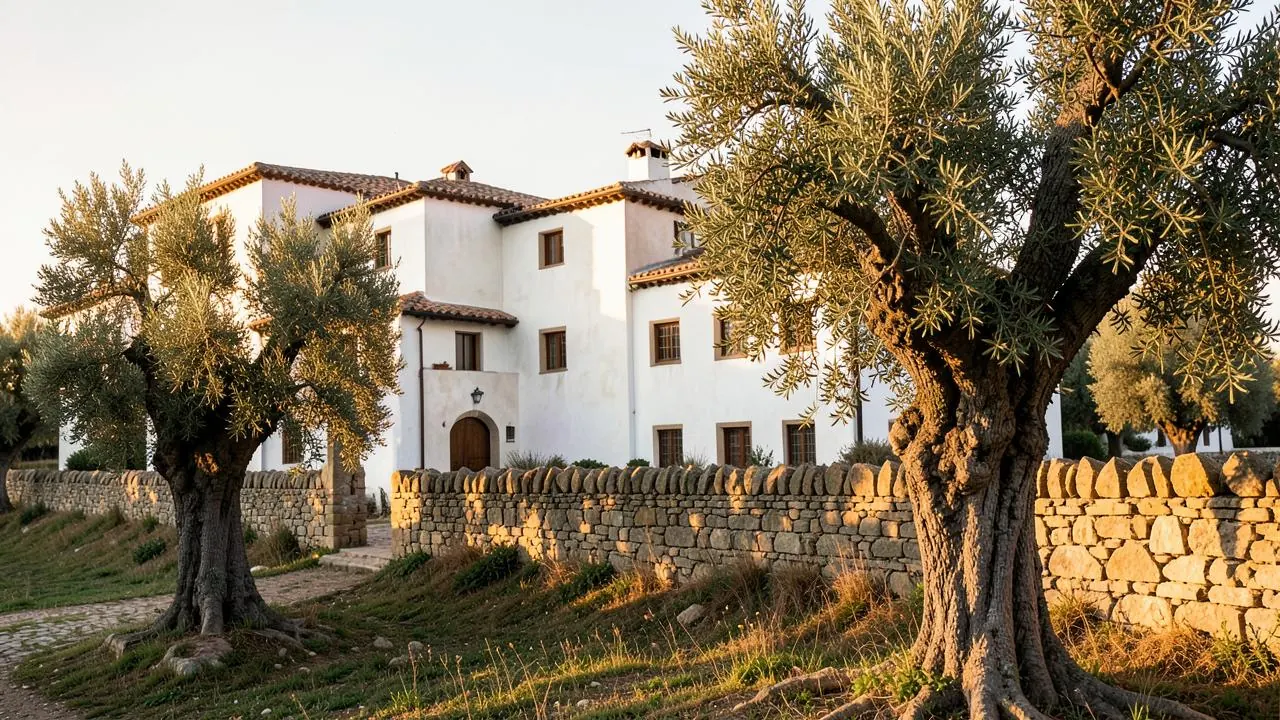
Sextantio Le Grotte della Civita occupies eighteen cave rooms in Sasso Caveoso, restored with almost nothing added: candles rather than bulbs in several rooms, original cisterns, and a deconsecrated rock church as the breakfast room. It is the most uncompromising of the conversions and the most affecting.
Aquatio Cave Luxury Hotel & SPA sits in Sasso Barisano with cave rooms, a spa cut into the rock including a pool in a former cistern, and a more comfortable finish than its neighbours.
Palazzo Gattini Luxury Hotel occupies a seventeenth-century palazzo on the edge of the Sassi with a rooftop over the whole ravine, a spa and conventional rooms. It is the choice for anyone who wants the view without the cave.
Sant'Angelo Luxury Resort sits in Sasso Barisano in a restored complex with cave rooms, terraces and a pool.
Corte San Pietro occupies a small group of caves in Sasso Caveoso with a handful of rooms, a courtyard and a personal operation.
La Dimora di Metello sits on a lane above the Sassi with cave rooms, a terrace and the best value in the town.
The affittacamere and small B&Bs across the Sassi are excluded, and many of them are in caves just as interesting at a fraction of the price. They are guest houses rather than hotels.
Take a guided walk of the Sassi with someone local. The history is recent enough that guides frequently have family who were moved out in the 1950s, and that account is the reason to have one.
Cross the ravine to the Murgia and see the rock churches, either on foot over the footbridge or by road. Santa Maria de Idris and the Crypt of Original Sin are the ones to prioritise.
Visit a casa grotta, a cave house preserved as it was when families lived in it with their animals. It takes ten minutes and it reframes everything else you see.
Eat Lucanian: orecchiette with cime di rapa, peperoni cruschi, cardoncelli mushrooms and bread made from Matera's own durum wheat with a protected designation.
Go at dusk, when the Sassi are lit and the ravine goes dark, which is the hour the town is photographed for.
Bari is the nearest airport, about an hour by road. Naples is three hours, Rome four. There is a rail connection to Bari on a private line.
April, May, September and October are ideal. Summer is very hot on exposed rock. Winter is cold and the caves hold it.
The Sassi are steep, stepped and cobbled throughout. Luggage will be carried and mobility is a genuine consideration.
Yes. They are restored dwellings in the tufa, and the better ones deliberately leave the original features visible.
Atmospheric rather than plush. Rooms are dim, some have no windows, and that is the point.
A 1952 law rehoused around fifteen thousand people after conditions in the Sassi became a national scandal.
Two. Three with the Murgia churches and a day toward the coast.