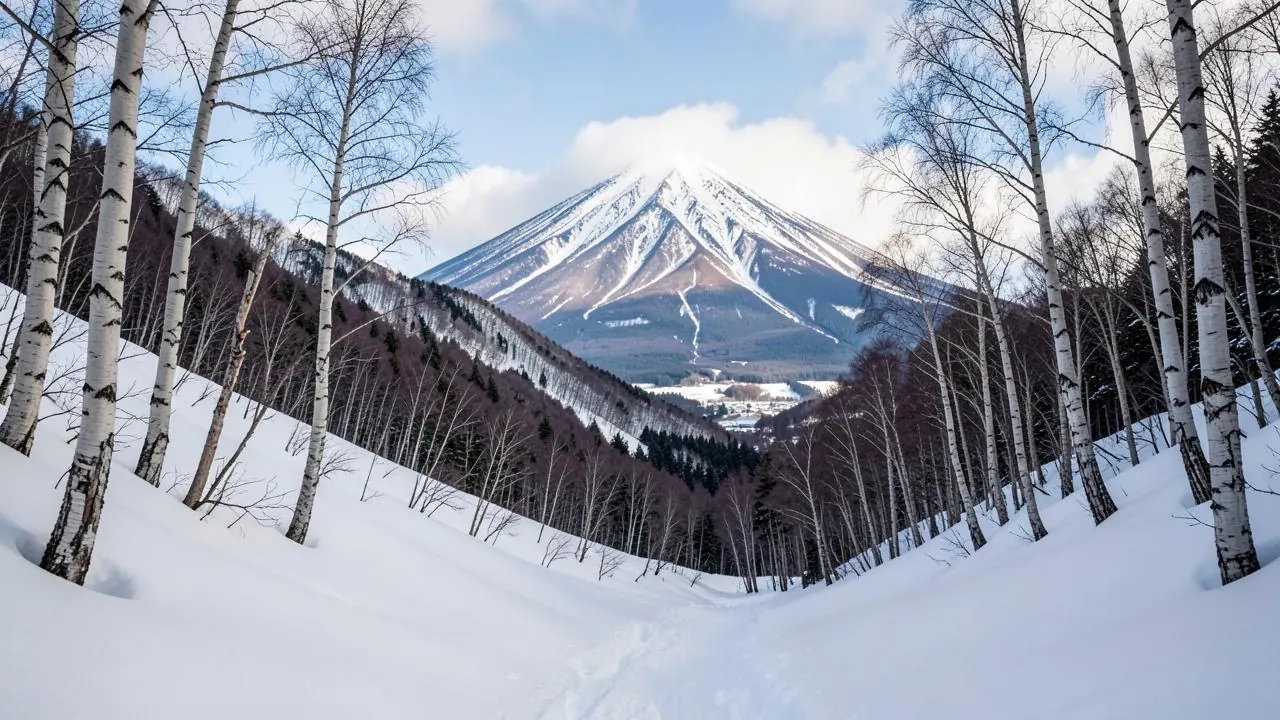
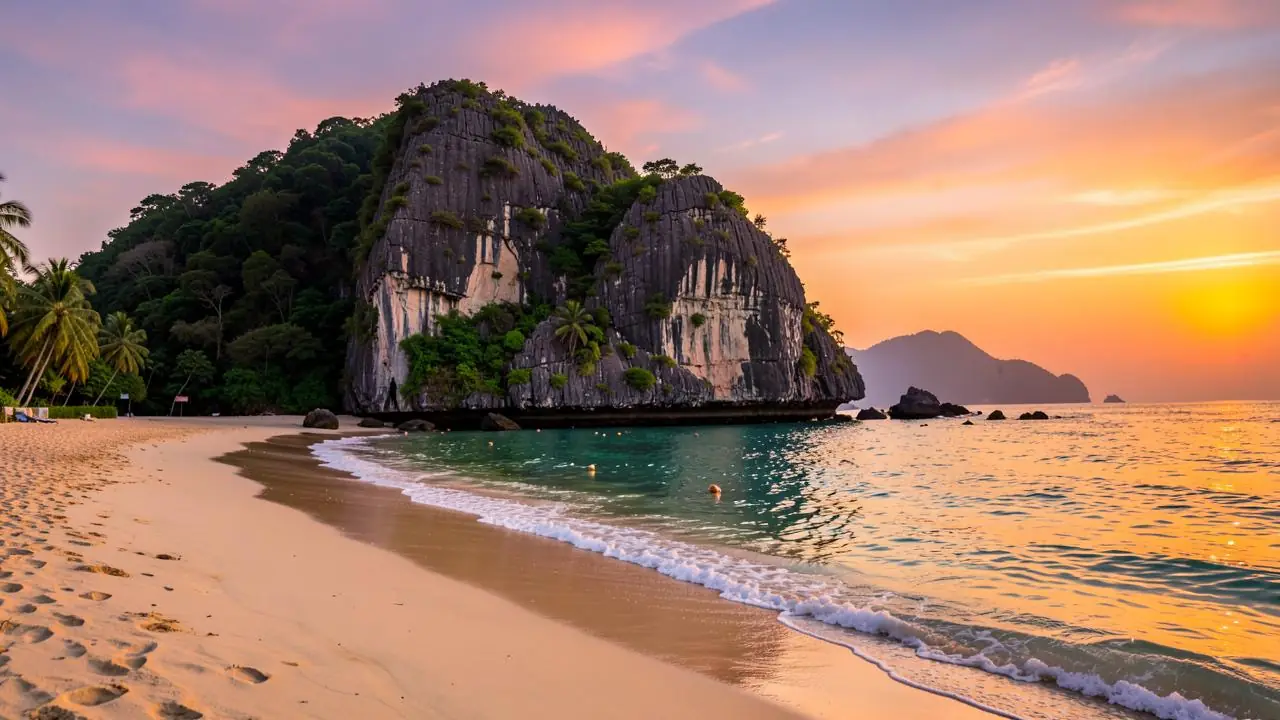
Taketomi, Yaeyama
Hoshinoya Taketomi Island
A Ryukyu village of coral walls on an island of 350 people
Explore Hotel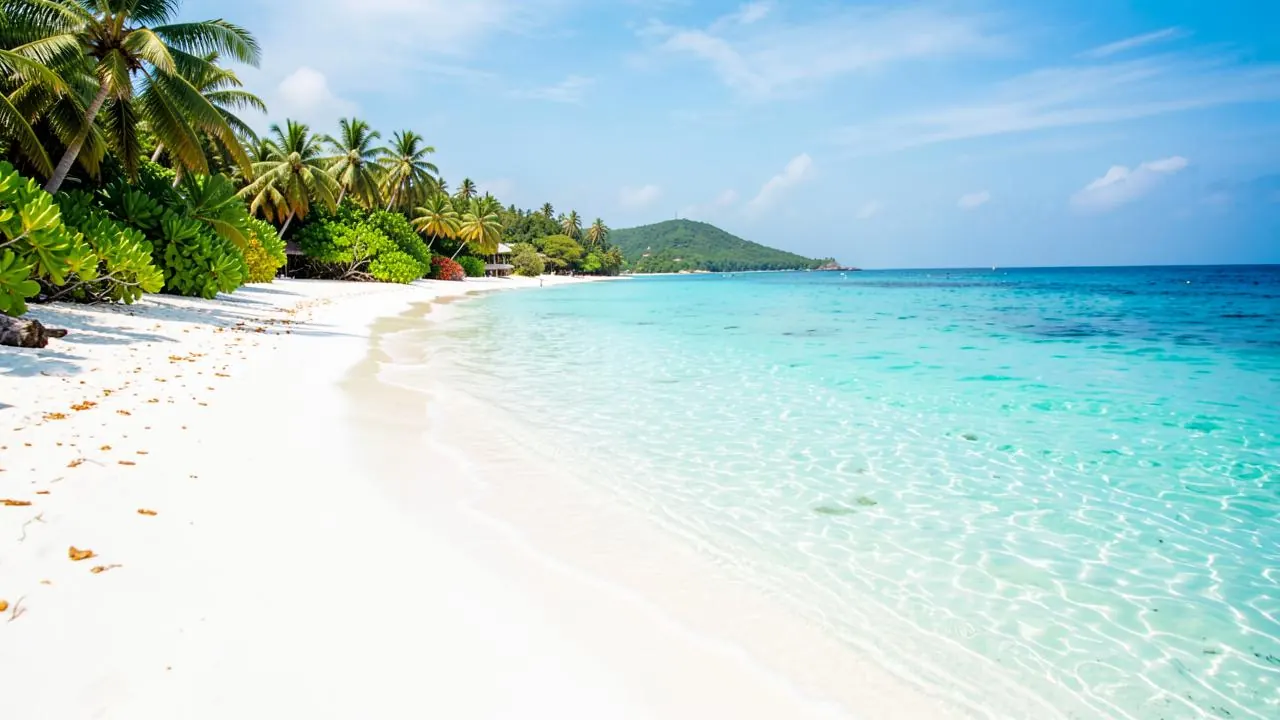

Okinawa, Japan
A hundred and sixty islands running a thousand kilometres toward Taiwan. The water people picture is at the far end of that.
The places to stay
Taketomi, Yaeyama
A Ryukyu village of coral walls on an island of 350 people
Explore Hotel
Ishigaki
Beach and pools, and the base for Sekisei Lagoon diving
Explore Hotel
Irabu, Miyako
A cliff pool on a headland across Japan's longest free bridge
Explore Hotel
Shigira, Miyako
Suites with access to a large resort complex
Explore Hotel

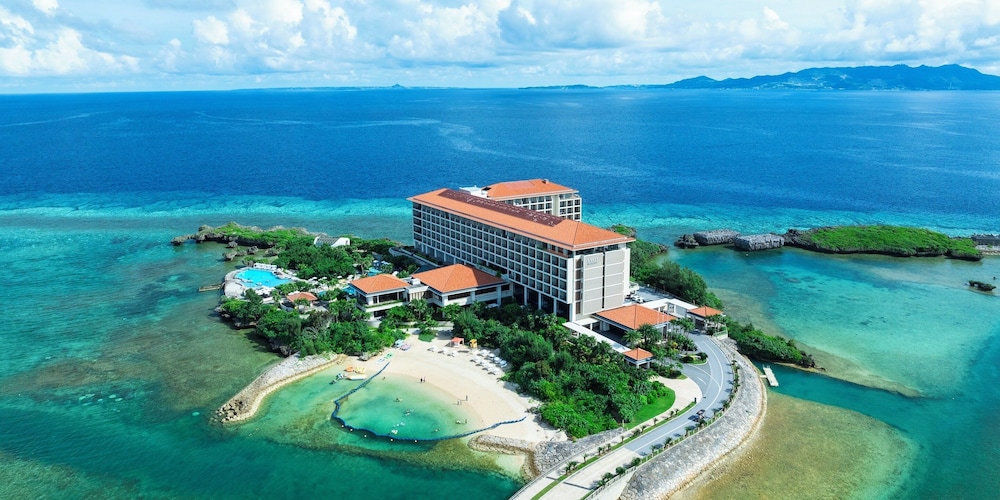
Onna, main island
Private beach on its own small island headland
Explore Hotel
Manza cape, Onna
Long-established with a private beach and mature grounds
Explore HotelBy Happi · Last updated September 2026
A little local perspective
$$$ to $$$$ — roughly 40,000-150,000 yen a night, peaking in summer
Okinawa Prefecture is about 160 islands running 1,000 kilometres southwest from Kyushu toward Taiwan. The main island, where Naha and the airport are, sits at the northern end. The islands with the coral, the clear water and the beaches most people picture are the Yaeyama and Miyako groups at the far southwestern end, closer to Taipei than to Tokyo.
That distance is the thing to plan around. Ishigaki is a further hour by air from Naha, and Naha is two and a half hours from Tokyo.
The main island has the history and the culture: Shuri Castle, the Ryukyu Kingdom sites, the American bases that still occupy a substantial share of the land, and the Okinawan food and awamori tradition. Its western resort strip along the Onna coast is developed, comfortable and has decent but not exceptional water.
Miyako, 300 kilometres southwest, has the best beaches in Japan by common agreement — Yonaha Maehama is seven kilometres of white sand — and bridges connecting several islands.
The Yaeyamas, further again, are the wild end: Ishigaki as the hub, Taketomi with its preserved village of coral walls and sand lanes, Iriomote almost entirely jungle and mangrove.
The coral around the outer islands is the reason to make the journey. Sekisei Lagoon between Ishigaki and Iriomote is the largest coral reef in Japan.
The nine below are grouped by island group.
The far southwest. Ishigaki, Taketomi and Iriomote.
Hoshinoya Taketomi Island occupies a site on Taketomi island laid out as a traditional Ryukyu village, with red-tiled roofs, coral walls and sand lanes, on an island of about 350 residents that has no other hotel of this kind. It is the most distinctive property in Okinawa.
ANA InterContinental Manza Beach Resort sits on Ishigaki's northern coast with a beach, several pools and full resort facilities, and it is the practical base for diving Sekisei Lagoon.
Fusaki Beach Resort Hotel & Villas occupies a beachfront position on Ishigaki with villas, a pool and a quieter setting than the larger resorts.
Three hundred kilometres southwest of the main island. The best beaches in Japan.
Iraph Sui, a Luxury Collection Hotel occupies a headland at Irabu, connected to Miyako by the longest toll-free bridge in Japan, with suites overlooking the sea and a pool on the cliff. It is the most refined hotel in the prefecture.
Shigira Bayside Suite Allamanda sits on the Shigira coast with suites, several pools and access to a large resort complex.
The western resort strip, forty minutes to an hour north of the airport.
Halekulani Okinawa occupies a beachfront position at Onna with a spa, several pools and a level of service that is the best on the main island.
The Ritz-Carlton, Okinawa sits above Nago on a hillside with an infinity pool, a golf course and views over the East China Sea.
Hyatt Regency Seragaki Island Okinawa occupies a headland at Onna with a private beach, a large pool complex and full family facilities.
ANA InterContinental Ishigaki Resort sits on a cape at Onna in a long-established resort with a private beach, several restaurants and mature grounds.
The minshuku across the outer islands are excluded, and on Taketomi and Iriomote in particular they are the standard way to stay and the best way to meet anyone. They are guest houses rather than hotels.
Get to the outer islands. The main island is worth two nights for the history; the water is southwest.
Snorkel or dive Sekisei Lagoon between Ishigaki and Iriomote, and go to Kabira Bay on Ishigaki, which is glass-bottom-boat only because the coral is protected.
Walk or cycle Taketomi, which takes an hour, and ride the water buffalo cart through the village lanes, which is genuinely how the island moves.
On the main island, see Shuri Castle at Naha. It burned in 2019 and reconstruction is ongoing; check what is accessible before going.
Eat Okinawan, which is not Japanese food: goya champuru, rafute pork belly, taco rice, and Okinawa soba, which is neither soba nor ramen.
Naha is two and a half hours from Tokyo. Ishigaki and Miyako both have their own airports with direct flights from Tokyo and Osaka as well as connections from Naha.
April to June and October to November are the best windows. July and August are hot, humid and the peak of typhoon season, which regularly disrupts flights to the outer islands. Winter is mild but too cool for comfortable swimming.
Build slack around outer-island connections in typhoon season.
Prices shown are sample rates from upcoming dates — not quotes for specific dates. Open a hotel and choose your own dates and guests to see the exact price.
Outer islands for the water and the beaches, main island for the history and the food. They are an hour apart by air.
Miyako for beaches, the Yaeyamas for coral, jungle and the preserved village on Taketomi.
Roughly July to October, with the peak in August and September. Flights to the small islands are the first thing cancelled.
Seven. Two on the main island and five in the southwest.