Muscat beachfront
The Chedi Muscat
A private beach, a long water channel and the country's best spa
Explore Hotel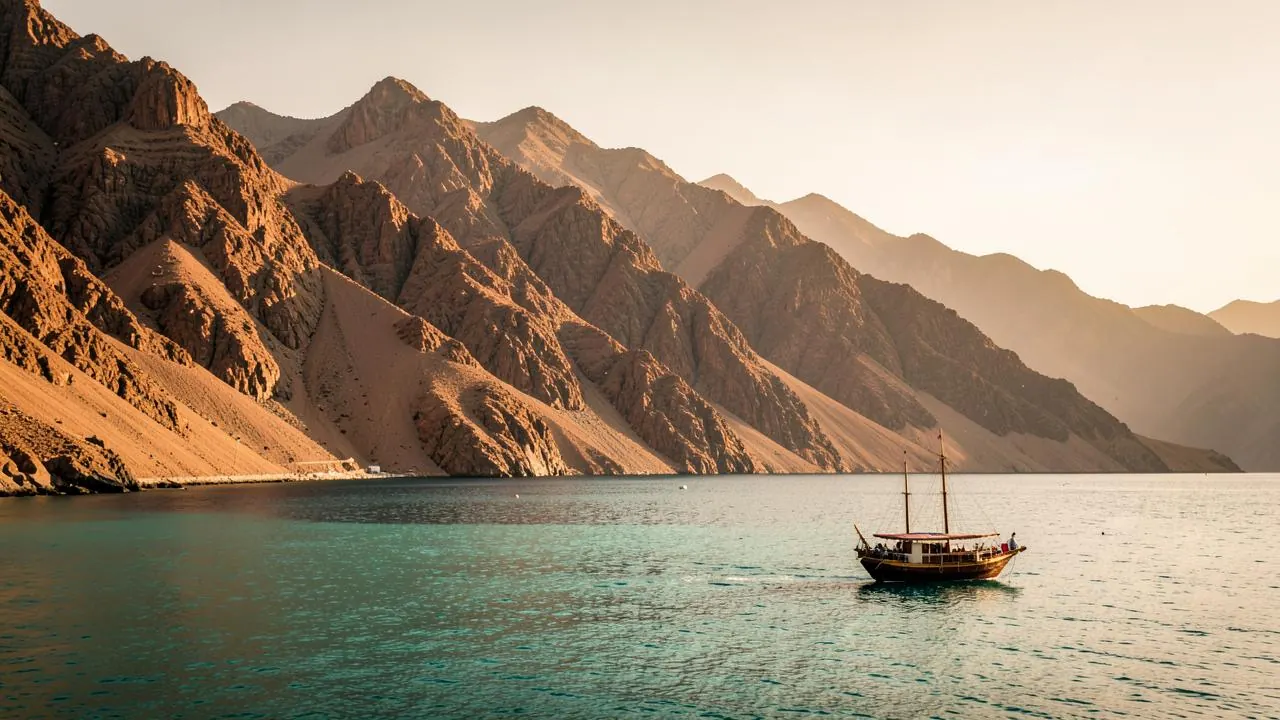

Muscat and Oman
No skyscrapers by regulation, buildings held to a traditional style, and a coastline that is mostly undeveloped. It is not the Gulf you know.
The places to stay
Muscat beachfront
A private beach, a long water channel and the country's best spa
Explore Hotel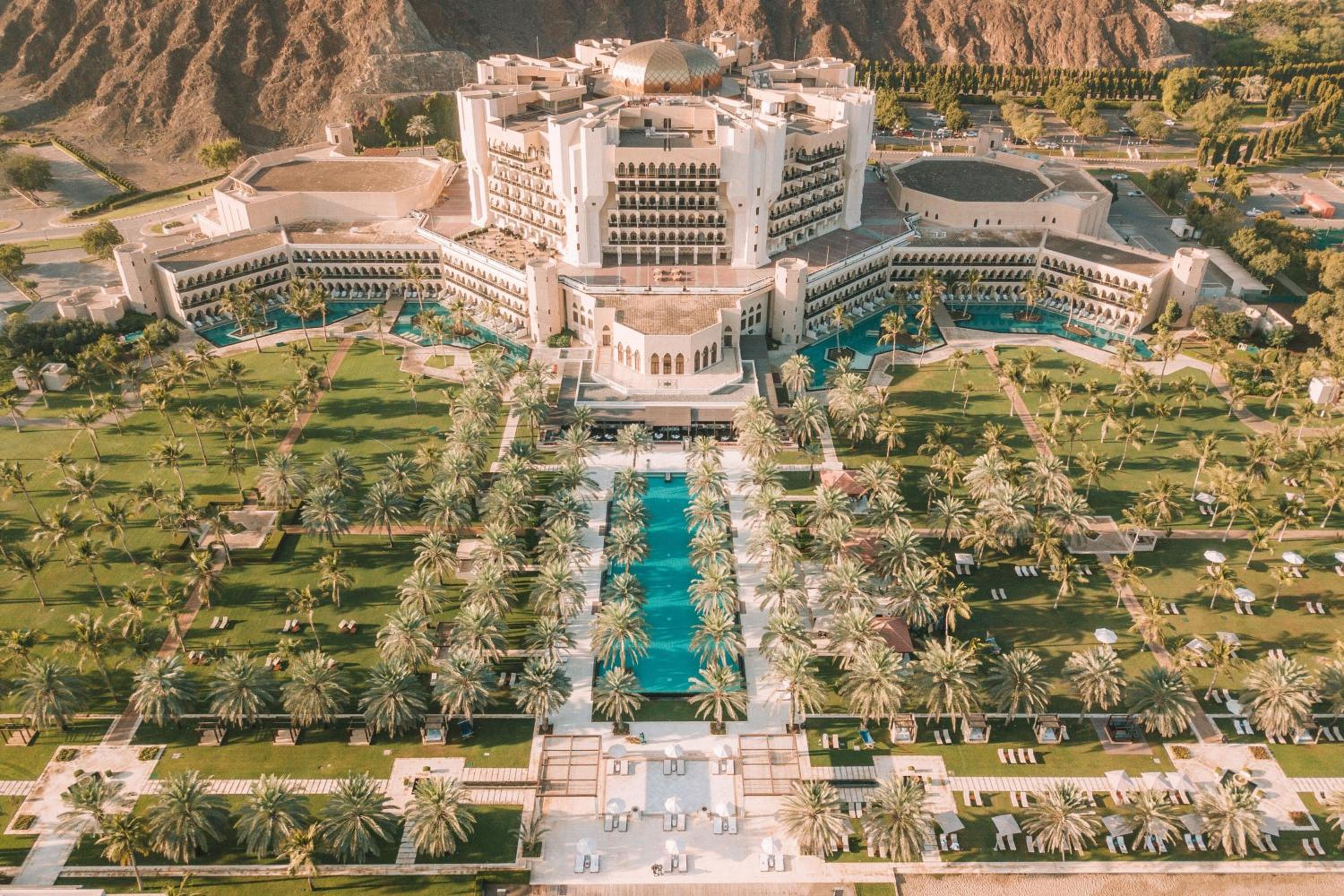
Muscat
A 1985 palace between mountains and a private beach
Explore Hotel

Al Mouj, Muscat
Private beach with several pools and family facilities
Explore Hotel

Jebel Akhdar, 2,000m
A terrace over a thousand-metre drop, twenty degrees cooler
Explore Hotel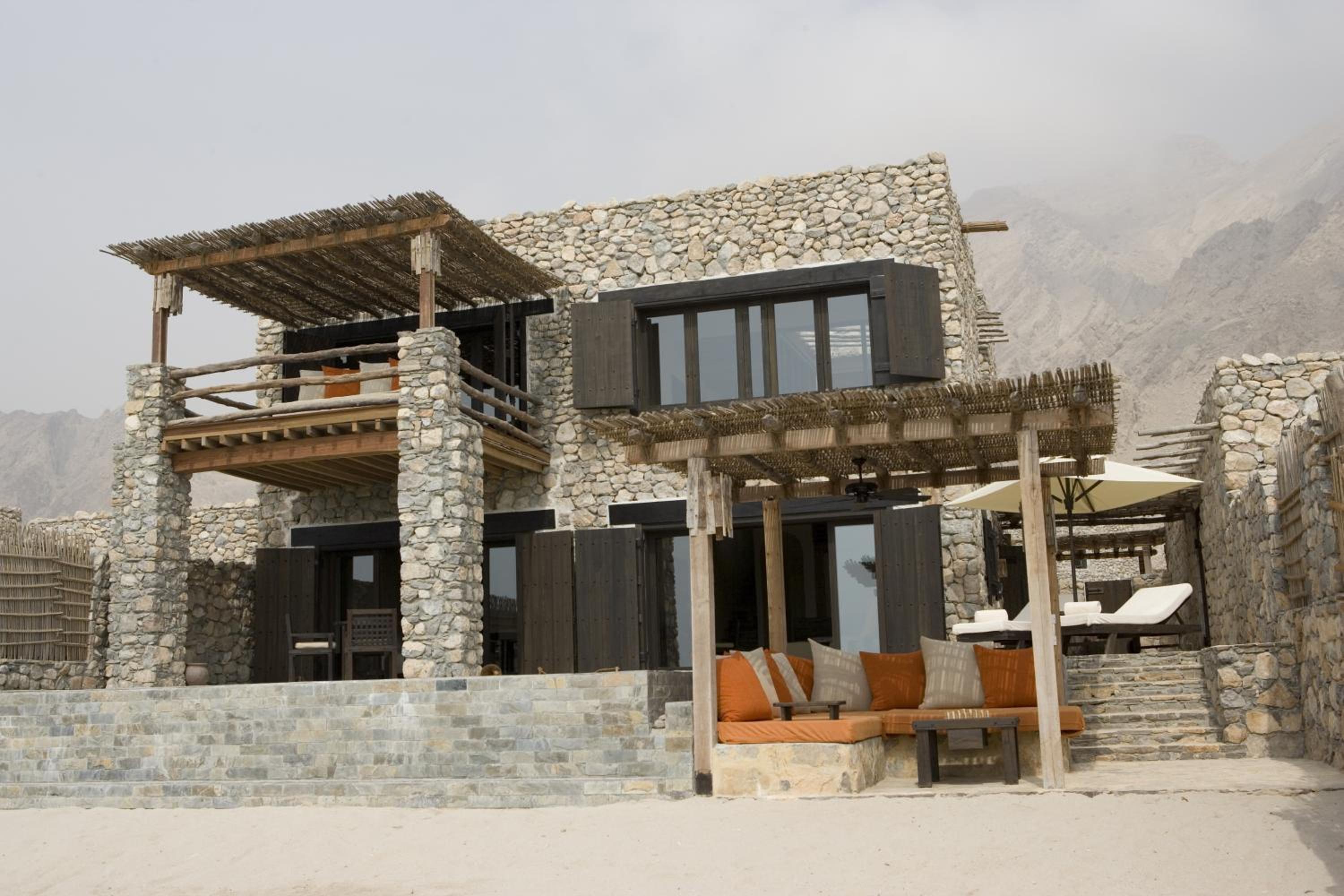
Musandam peninsula
A bay reached by mountain road, boat or paraglider
Explore Hotel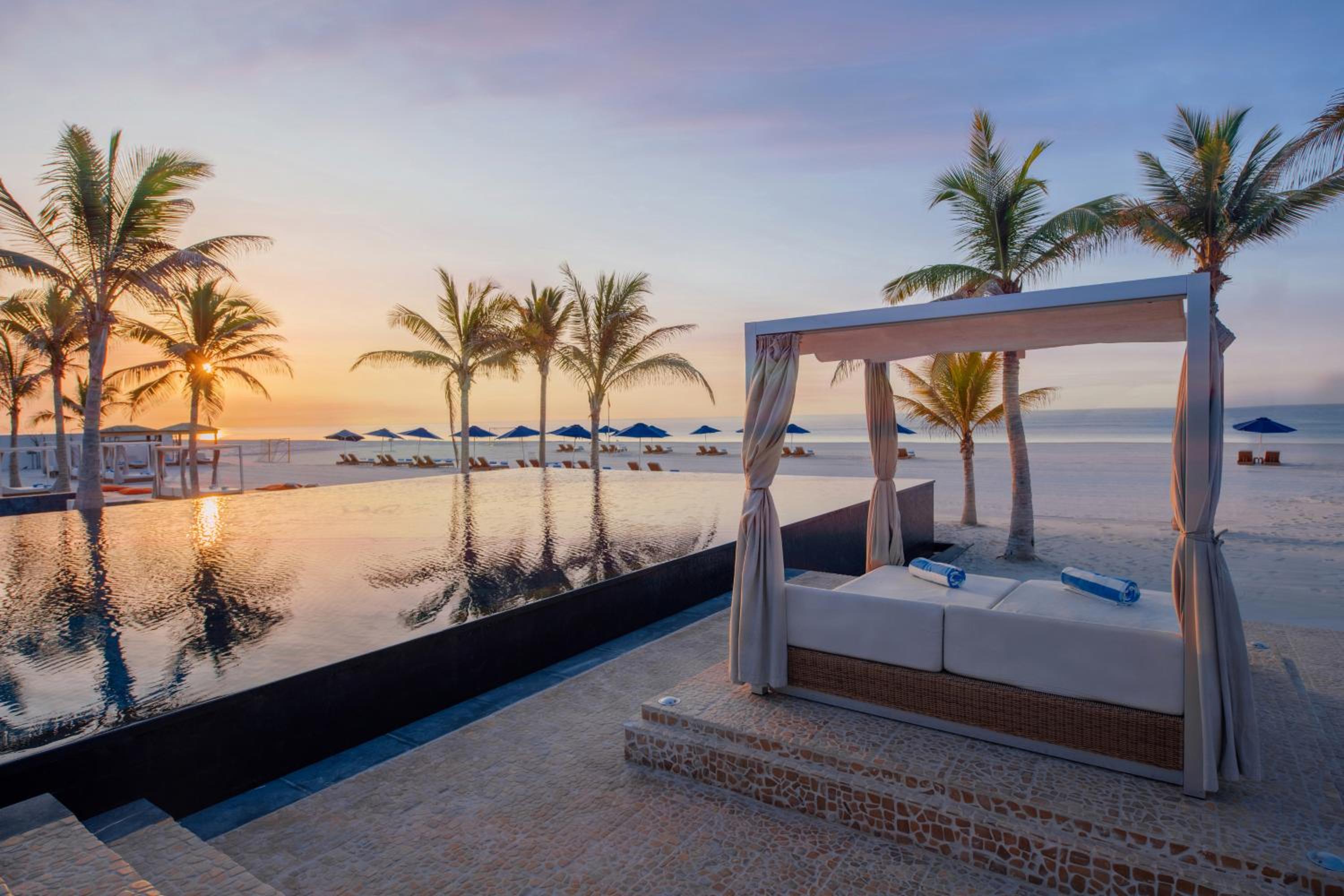
Salalah
Beside a frankincense port ruin, green in the monsoon
Explore HotelBy Happi · Last updated September 2026
A little local perspective
$$$ to $$$$ — roughly $300-1,200 a night, peaking October to April
The Hajar mountains run parallel to Oman's northern coast, reaching 3,000 metres at Jebel Shams, and they are close enough to the sea that you can be on a beach in Muscat in the morning and at 2,000 metres in the afternoon with a twenty-degree temperature drop.
That vertical range is the reason to come here rather than to the Gulf cities. Oman has the wadis, the canyons, the falaj irrigation channels that have watered terraced villages for a thousand years, and a coastline that is mostly undeveloped.
It is also a conservative country in a way that its neighbours are not, and that is part of the appeal: there are no skyscrapers by regulation, buildings in Muscat are limited in height and required to follow a traditional style, and the capital is low, white and spread along the coast.
Muscat is the capital: the Grand Mosque, the souq at Mutrah, the corniche and the palaces, spread over about 50 kilometres of coast between mountains and sea.
Jebel Akhdar, two hours inland and 2,000 metres up, is the green mountain — terraced villages growing pomegranates and roses, canyon-edge hotels and genuinely cold nights.
Musandam, the peninsula at the Strait of Hormuz, is separated from the rest of Oman by the UAE and reached by flight or a long drive. It has the khors, deep inlets between cliffs, and dolphins.
Salalah, in the far south near Yemen, catches the Indian Ocean monsoon between June and September, which turns a desert green for three months. It is a two-hour flight from Muscat.
The nine below are grouped that way.
The capital, along the coast.
The Chedi Muscat occupies a long low property on a private beach with a serrated water channel running through the grounds, a very large spa and a restrained Omani-influenced design. It is the best hotel in the country.
Al Bustan Palace, a Ritz-Carlton Hotel sits in a palace built in 1985 between mountains and a private beach, with an atrium of considerable scale and mature gardens. It is the grand hotel of Oman.
Shangri-La Al Husn occupies a clifftop position at Barr Al Jissah as the adults-only wing of a three-hotel complex, with a private beach, an infinity pool and access to everything next door.
Kempinski Hotel Muscat sits on a private beach north of the city with several pools, a spa and full family facilities.
W Muscat occupies a tower on the Muscat waterfront with a rooftop pool and the most contemporary rooms in the capital.
Two hours inland, at 2,000 metres.
Alila Jabal Akhdar occupies a canyon-edge position at 2,000 metres with rooms in local stone, a spa cut into the rock and a terrace over a 1,000-metre drop. The temperature is twenty degrees below the coast.
Anantara Al Jabal Al Akhdar Resort sits nearby on the same escarpment with an infinity pool over the canyon, a large spa and rose gardens.
The peninsula at the Strait of Hormuz.
Six Senses Zighy Bay occupies a bay reached by mountain road, boat or paraglider, with villas on the sand, a spa and cliffs on three sides. It is the most remote hotel in the region and the arrival is the point.
The far south, and the monsoon.
Al Baleed Resort Salalah by Anantara sits on a beach beside the ruins of a frankincense trading port, with a lagoon, a spa and a museum next door. Between June and September the hills behind it turn green.
The desert camps in the Wahiba Sands are excluded, and a night on the dunes is one of the best things in Oman. They are tented camps and this is a hotel guide. Do it as a night out from Muscat.
Drive into the mountains. Jebel Shams and the Wadi Ghul canyon, sometimes called the Grand Canyon of Arabia, and the abandoned village at Wadi Bani Habib. A four-wheel drive is required for several routes.
Swim in a wadi. Wadi Shab requires a short boat, a 45-minute walk and a swim through a slot in the rock to reach a waterfall in a cave. It is the best thing in northern Oman.
See the Sultan Qaboos Grand Mosque in Muscat, which holds one of the largest handwoven carpets in the world, and go early with covered shoulders, knees and hair for women.
Watch green turtles nesting at Ras al Jinz on the east coast, which happens year round with a peak in summer, on a guided night visit.
Take a dhow into the Musandam khors for the dolphins and the cliffs.
Muscat's airport has good regional and European connections. Salalah and Musandam are domestic flights.
October to April is the season on the coast: warm, dry and comfortable. May to September exceeds 40 degrees in the north. Salalah reverses this: its season is the monsoon, June to September, when the rest of the country is at its hottest.
Oman is conservative and dress standards away from resorts matter. Alcohol is served in hotels rather than generally.
Prices shown are sample rates from upcoming dates — not quotes for specific dates. Open a hotel and choose your own dates and guests to see the exact price.
No. Building heights are restricted, there are no skyscrapers in Muscat and the appeal is landscape and tradition rather than scale.
Both. They are two hours apart with a twenty-degree temperature difference, which makes a split trip easy.
June to September, during the monsoon, which is the opposite of the rest of the country's season.
Seven. Three in Muscat, two on Jebel Akhdar and two for the wadis or the desert.