Gordes, Luberon
Airelles Gordes, La Bastide
Terraced gardens below the most photographed village here
Explore Hotel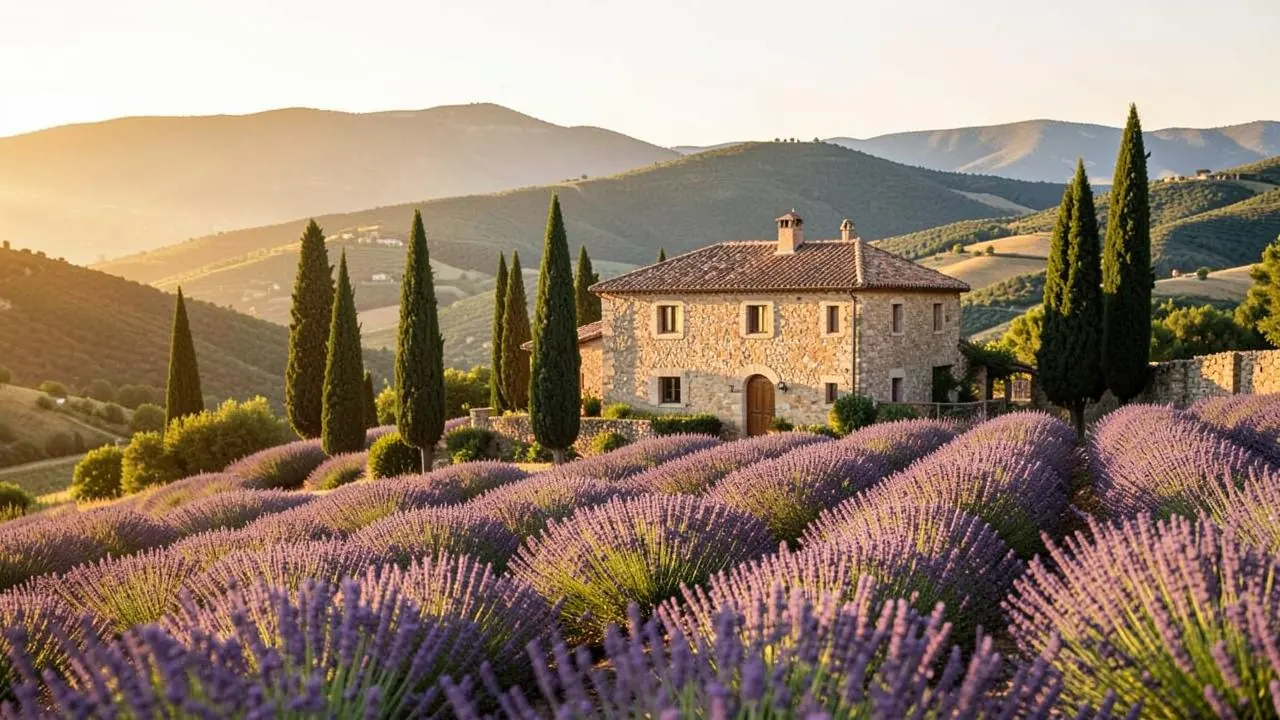

Provence and the Luberon, France
Few openings on the north side, cypress planted as windbreaks and blank walls to the north. The old farmhouses were solving a problem.
The places to stay
Gordes, Luberon
Terraced gardens below the most photographed village here
Explore Hotel
Lauris, Luberon
An eighteenth-century wine estate with a botanical garden
Explore Hotel
Bonnieux, Luberon
Starred kitchen and a south-facing terrace over the valley
Explore Hotel

Les Baux, Alpilles
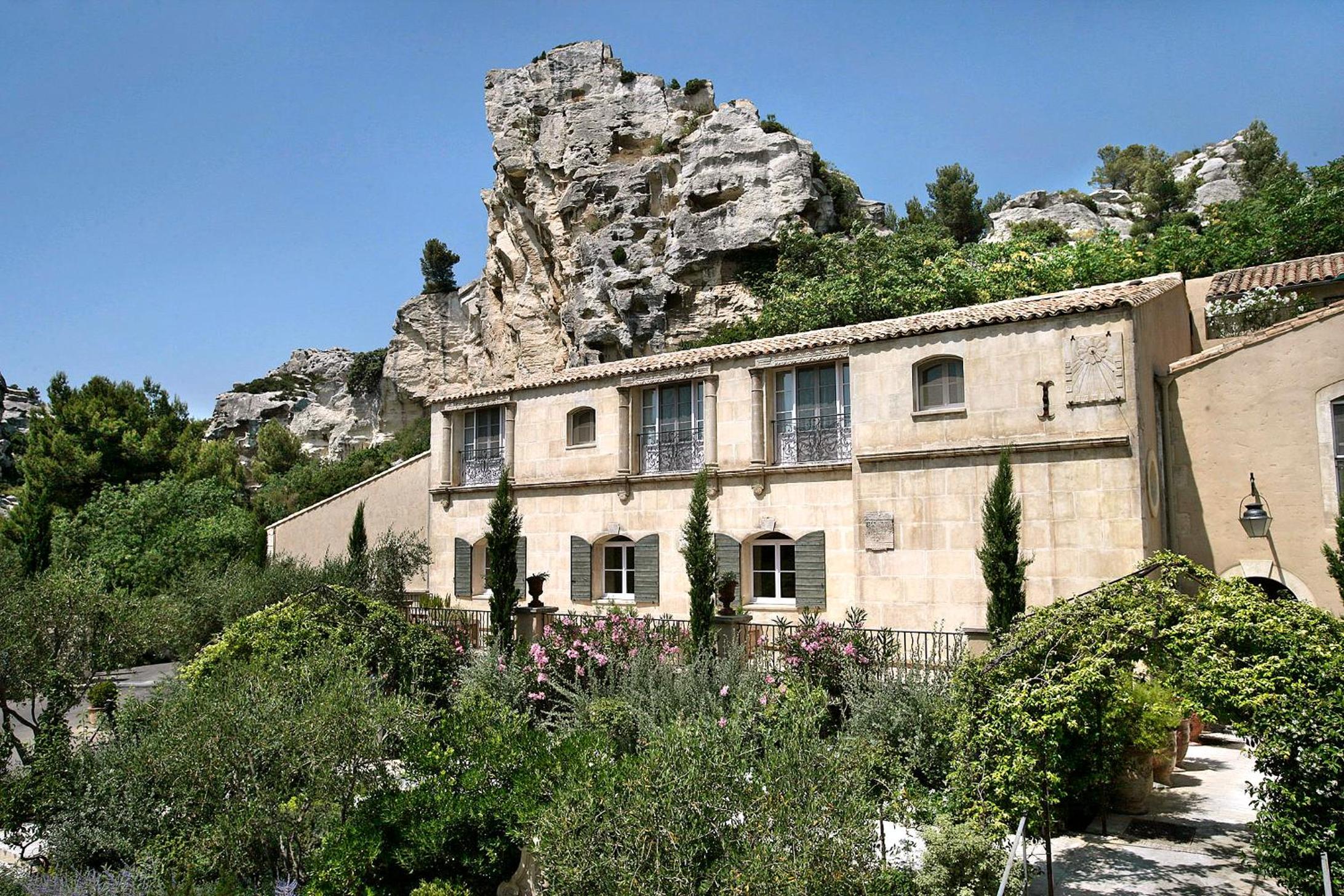
A legendary kitchen in a valley of white rock
Explore Hotel


By Happi · Last updated September 2026
A little local perspective
$$$ to $$$$ — roughly 350-1,500 euros a night, closed much of the winter
The mistral is a cold, dry wind that funnels down the Rhône valley from the Massif Central toward the Mediterranean. It blows on around 100 days a year, most often in winter and spring, typically for three, six or nine days at a stretch — the local saying, which is not meteorology but is roughly accurate.
It is strong enough to have shaped how Provence was built. The old farmhouses have few or no openings on the north side, rows of cypress were planted as windbreaks along field edges, and the hilltop villages present blank walls to the north and open to the south.
A terrace, a pool and long lunches outside are the entire point of a Provençal hotel. In April, when the mistral is at its most frequent, a property with an exposed north-facing terrace is a property you will not sit on.
The good hotels here are almost all in converted bastides, mas and abbeys, which means they were built by people solving this problem. Courtyards, south-facing terraces, plane trees and walls in the right places.
The Luberon is the hill range east of Avignon with the villages everyone pictures: Gordes, Bonnieux, Ménerbes, Roussillon and Lourmarin, strung along a valley of vines and lavender.
The Alpilles, south of Avignon, are smaller, whiter limestone hills around Saint-Rémy and Les Baux, with the olive groves and the Roman ruins at Glanum.
Aix-en-Provence is the elegant town: plane-tree boulevards, fountains, markets and the best restaurants.
Avignon has the papal palace and the bridge, and is the transport hub, with the TGV from Paris in two hours forty.
Lavender flowers from roughly late June to early August on the Valensole plateau and around Sault, which is later and higher than most people expect.
The thirteen below are grouped by area.
The hill villages, the vines and the lavender.
Airelles Gordes, La Bastide occupies a bastide below the village of Gordes with terraced gardens, a pool looking across the valley and interiors of considerable richness. The village above is the most photographed in Provence.
La Bastide de Marie sits outside Ménerbes on a working vineyard with a small room count, a pool among the vines and the feel of a private house.
Domaine de Fontenille occupies an eighteenth-century estate at Lauris with a vineyard, a botanical garden, two restaurants and the best value of the serious Luberon properties.
La Coquillade Provence Village & Spa sits on a hillside at Gargas as a hamlet of buildings around a vineyard, with a very large spa, a cycling programme and long views across the Luberon.
Capelongue, a Beaumier hotel occupies a position above Bonnieux with a starred restaurant, a pool and a terrace facing south across the valley.
Crillon le Brave sits in the village of Crillon-le-Brave as a set of connected houses on the hillside below Mont Ventoux, with gardens stepping down and the best village setting in Provence.
Le Saint Remy occupies a position at Joucas with a pool cut into the rock, a spa and views over the plain.
South of Avignon. Olive groves, white limestone and the Roman sites.
Baumaniere Les Baux-de-Provence sits below Les Baux in a valley of rock with a legendary restaurant, gardens and a long history as the address in southern France.
Domaine de Manville occupies a golf estate at Les Baux with a spa, a pool and a large stone farmhouse at its centre.
Hotel de Tourrel sits in the middle of Saint-Rémy in a converted eighteenth-century mansion with a rooftop terrace and a small room count.
The towns, with the markets and the restaurants.
Villa Gallici occupies an eighteenth-century townhouse in Aix with a garden, a pool and interiors of deliberate excess. It is the most atmospheric hotel in the town.
Hotel Le Pigonnet sits in a park on the edge of Aix with mature gardens, a pool and a quieter setting a walk from the Cours Mirabeau.
La Mirande occupies a fourteenth-century cardinal's palace beside the papal palace in Avignon, with a courtyard, a cooking school and the best rooms in the city.
The gîtes and villa rentals across the Luberon are excluded, and in a region built on stone farmhouses they are how a great many visitors stay for a week or two. They are houses rather than hotels.
Go to the markets. Each village has its day and they are the actual social event of Provence: Saint-Rémy on Wednesday, Apt on Saturday, Lourmarin on Friday, Isle-sur-la-Sorgue on Sunday for the antiques.
Time the lavender properly. Late June to early August on the Valensole plateau and at Sault, which is higher and later than the Luberon.
See the Roman sites: the Pont du Gard aqueduct, the theatre at Orange and Glanum below Saint-Rémy.
Drive up Mont Ventoux if it is open, and walk the ochre trail at Roussillon.
Eat lunch outside for three hours. That is what the terraces are for.
Marseille and Nîmes have airports; Avignon TGV is two hours forty from Paris and is the better route. A car is essential once you are here.
May, June and September are ideal. July and August are hot, busy and the lavender is at its peak. Winter is cold, the mistral is at its strongest and many hotels close from November to March.
Prices shown are sample rates from upcoming dates — not quotes for specific dates. Open a hotel and choose your own dates and guests to see the exact price.
It blows around a hundred days a year, strongest in winter and spring, usually in bursts of three, six or nine days. It is dry and cold rather than stormy.
Late June to early August, and it is at Valensole and Sault rather than in the Luberon villages.
Luberon for the hill villages and the vines, Alpilles for olive groves, the Roman sites and slightly fewer visitors.
Six. Four in one area and two in a town, or six in the Luberon with days out.
Search 4 and 5 star hotels in Provence and the Luberon, France