Praça Castro Alves
Fasano Salvador
A former newspaper building with a rooftop over the bay
Explore Hotel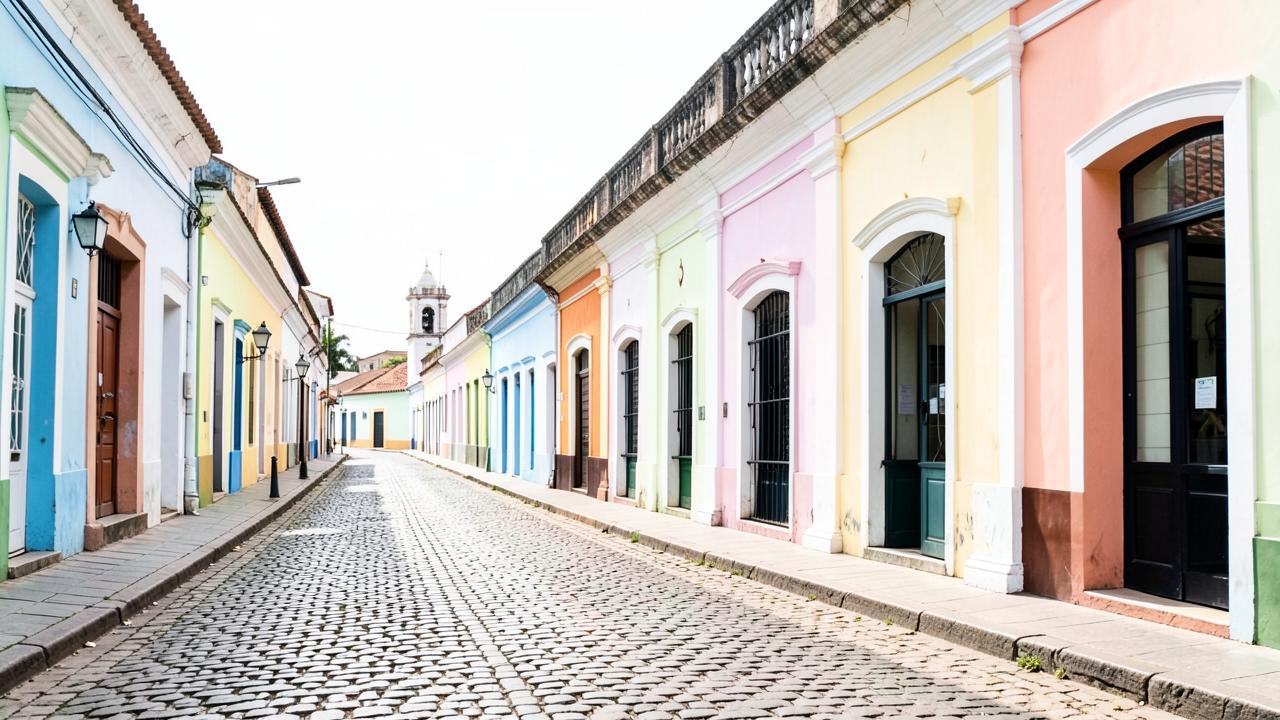

Salvador and Bahia, Brazil
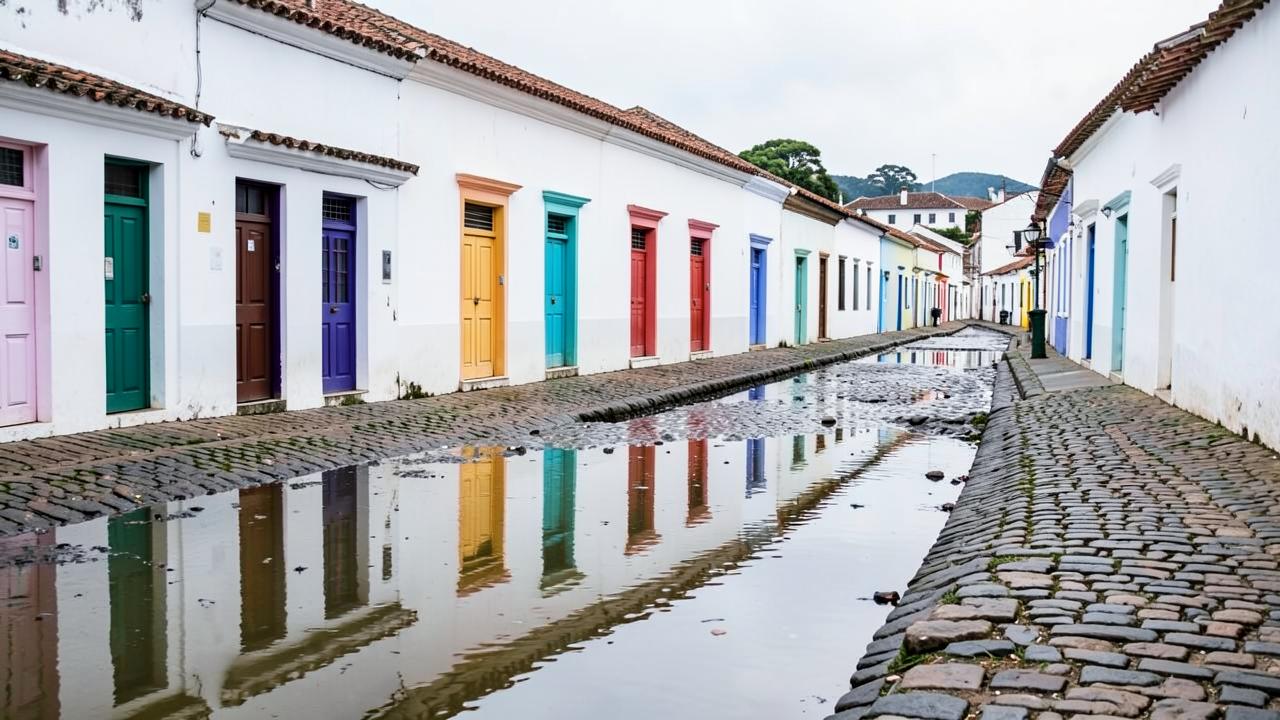
The quarter is named for the pillory. The whipping post stood in the square where the pastel houses are photographed, and the name was never changed.
The places to stay
Praça Castro Alves
A former newspaper building with a rooftop over the bay
Explore Hotel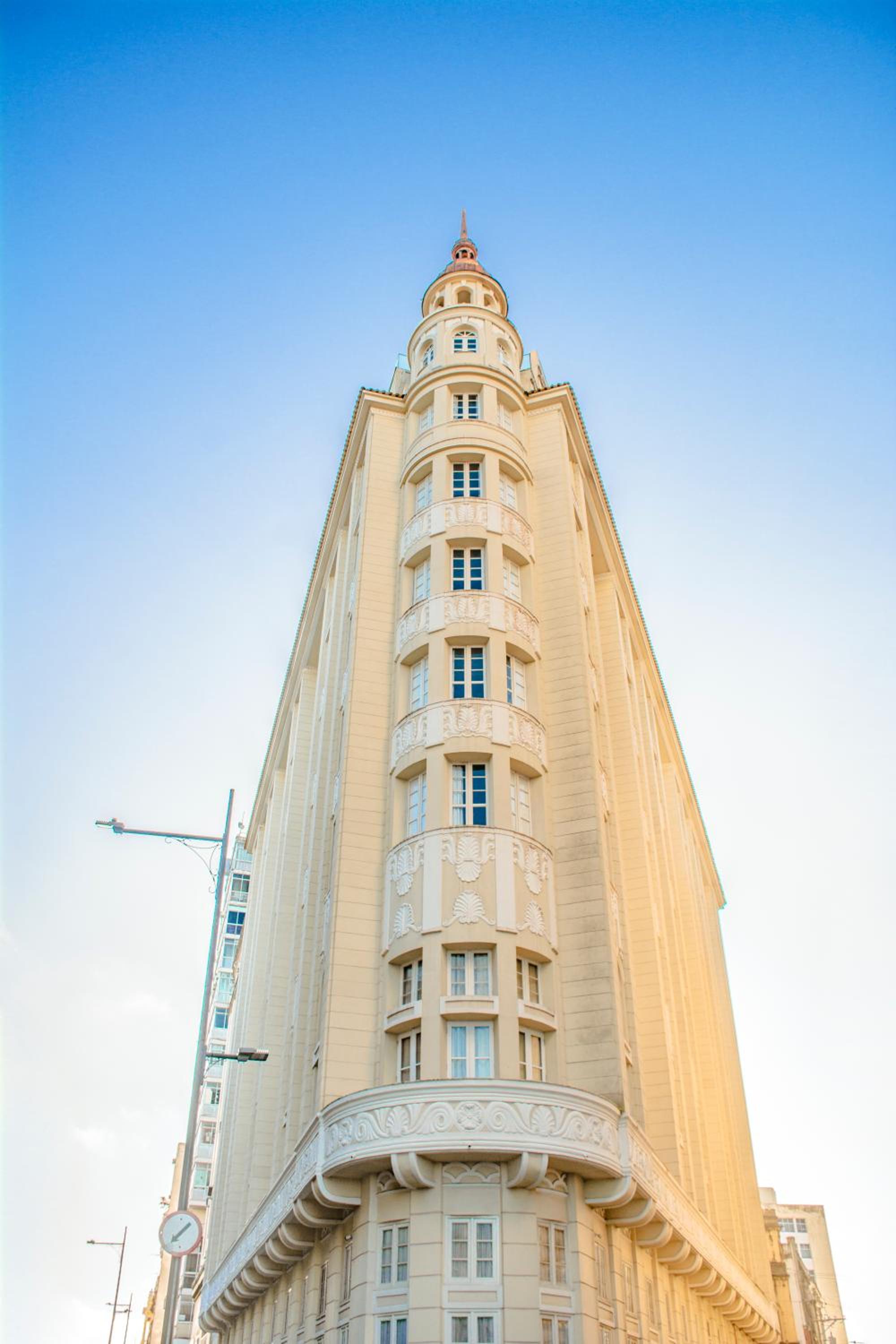
Salvador historic centre
A restored 1930s tower with the best rooftop view
Explore Hotel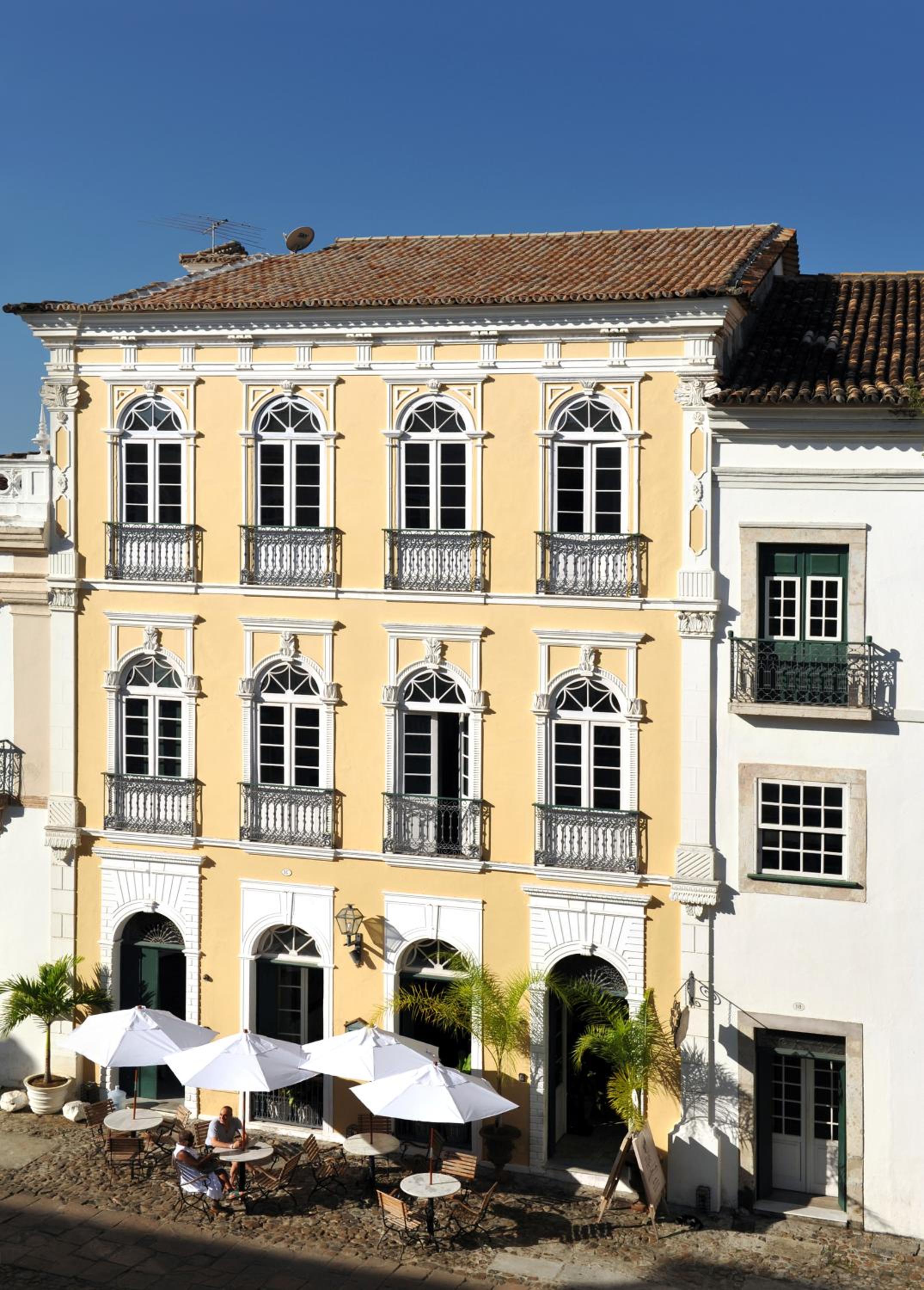

Praia do Forte
Gardens and pools beside the sea turtle project
Explore Hotel
By Happi · Last updated September 2026
A little local perspective
$$ to $$$$ — roughly $180-800 a night, peaking at carnival
Around 4.9 million enslaved Africans were landed in Brazil — more than in any other country in the Americas, and roughly ten times the number taken to what became the United States. Salvador was the principal port for much of that traffic and it was Brazil's capital from 1549 until 1763.
That history is not background here. It is the city.
Bahia has the largest Black population of any state in Brazil, and Salvador is frequently described as the most African city outside Africa — in its candomblé terreiros, in capoeira, in the acarajé sold by women in white lace who are often initiates of the religion, in the drumming of Olodum and Ilê Aiyê, in the food built on dendê palm oil, okra and dried shrimp.
Pelourinho, the UNESCO-listed historic quarter, is named for the pillory. The whipping post stood in the square where the pastel-coloured houses are photographed now. The name was never changed.
Salvador is built on a scarp, and the two levels are joined by the Elevador Lacerda — a public lift opened in 1873, rebuilt in art deco in 1930, running 72 metres between the lower harbour and the upper town in about thirty seconds. It carries tens of thousands of people a day, costs a few cents and is one of the earliest urban elevators anywhere.
The Cidade Alta holds Pelourinho, the Terreiro de Jesus and the São Francisco church, whose interior is covered in something near a tonne of gold leaf.
Barra, south, has the lighthouse, the beaches and a calmer waterfront.
Rio Vermelho is the nightlife and music quarter and where the acarajé is best.
The Bahian coast runs for over a thousand kilometres — Praia do Forte north with its turtle project, Morro de São Paulo and the Maraú peninsula south, and Itacaré where the forest meets the surf.
The seven below are grouped that way.
The old city and the coast road.
Fasano Salvador occupies a former newspaper headquarters on Praça Castro Alves with a rooftop pool over the bay, a restrained interior and the old city on foot.
Pestana Convento do Carmo sits in a sixteenth-century Carmelite convent in Pelourinho with cloisters, a pool in the garden and rooms in the former cells.
Fera Palace Hotel occupies a 1930s art deco tower in the historic centre, restored, with a rooftop pool and the best view over the roofs of Pelourinho.
Hotel Villa Bahia sits in two colonial houses in Pelourinho with a courtyard, a pool and a small room count.
North and south of the city.
Tivoli Ecoresort Praia do Forte occupies a position at Praia do Forte with gardens, several pools and the sea turtle project next door.
Txai Resort Itacaré sits at Itacaré on a beach backed by Atlantic forest, with bungalows, a spa and surf breaks along the coast.
Kiaroa Eco-Luxury Resort occupies a remote position on the Maraú peninsula, reached by boat and track, with bungalows between a lagoon and the ocean.
The pousadas across Pelourinho and the Bahian coast are excluded, and in Brazil they are the standard and often the most characterful accommodation. They are guest houses rather than hotels.
Go to a candomblé ceremony only if invited or through a respectful arranged visit, dress in white, and understand that it is a religion rather than a performance.
Hear drumming. Olodum rehearse publicly in Pelourinho on set evenings and it is loud, free and extraordinary.
Eat acarajé from a baiana's stand, ask for it with everything, and have moqueca at least once — the Bahian version with dendê and coconut milk, not the Espírito Santo one.
See the São Francisco church, then the Afro-Brazilian Museum, which covers the religions and the material culture properly.
Take the ferry or a catamaran to Morro de São Paulo, which has no cars and is reached across the Baía de Todos os Santos.
Salvador's airport has domestic and some European connections. Coastal destinations are two to five hours by road or a short flight.
September to March is hot and the festival season — carnival in Salvador is the largest street carnival in the world and fills everything. April to July is the rainy season.
Salvador has real street crime in some areas. Take normal city precautions, use taxis at night, and ask the hotel which streets to avoid.
It was the main port for a slave trade that landed around 4.9 million people in Brazil, and Bahia's culture, religion, food and music are built on that inheritance.
Pillory. The whipping post stood in the square, and the name was never changed.
Salvador for the culture and the history, the coast for beaches and forest. Give the city at least three days.
Seven. Three or four in Salvador and the rest on the coast.