Sharm el-Sheikh
Four Seasons Resort Sharm El Sheikh
A terraced hillside with a jetty to a house reef
Explore Hotel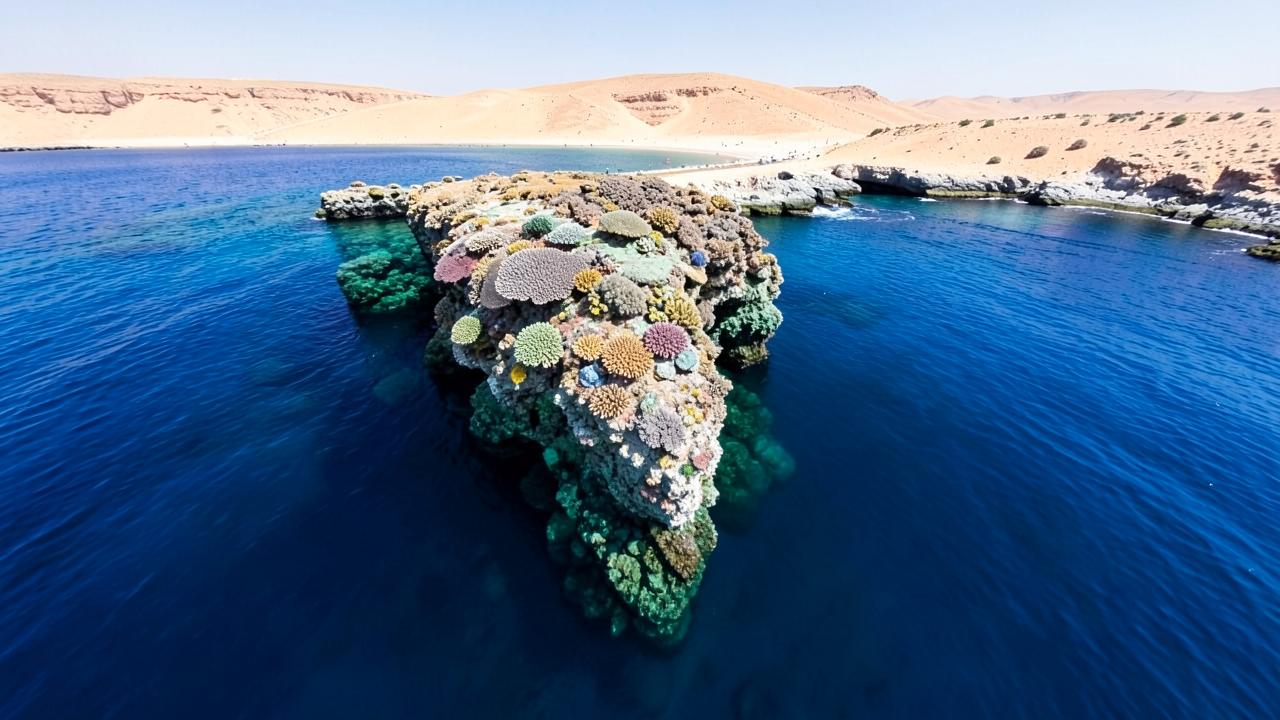

Sharm el-Sheikh and Sinai, Egypt
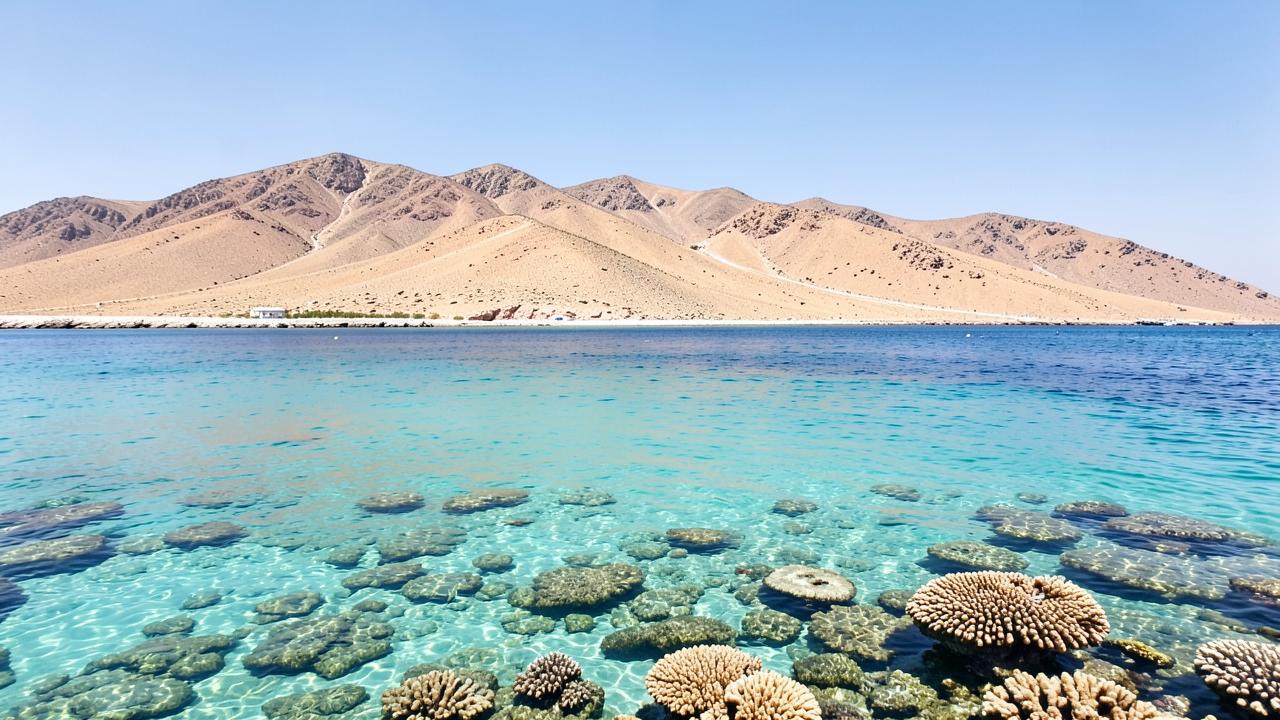
The peninsula ends where two gulfs meet over a trench, and the coral has grown along the edge of it.
The places to stay
Sharm el-Sheikh
A terraced hillside with a jetty to a house reef
Explore Hotel


Sharm el-Sheikh
Villas and several pools with family facilities
Explore Hotel
By Happi · Last updated September 2026
A little local perspective
$$ to $$$ — roughly $150-500 a night, peaking October to May
At Ras Muhammad, on the southern tip of Sinai, the reef wall drops from a couple of metres to around eight hundred within a short swim of the shore. The peninsula ends where the Gulf of Suez and the Gulf of Aqaba meet over a deep trench, and the coral has grown on the edge of it.
Shark Reef and Yolanda Reef sit on that wall, and the current carries big schooling fish past it — barracuda, jacks, snapper in the thousands during summer aggregations. It is consistently ranked among the best shore-accessible wall dives anywhere.
The whole area has been a national park since 1983, which is unusually early for the region and is the reason the coral inside the boundary is in better condition than the coast to the north.
Dahab, ninety minutes north, has a submarine sinkhole about a hundred metres deep with a tunnel through the reef wall at around fifty-two metres called the Arch.
More divers have died at the Blue Hole than at almost any other dive site in the world. Estimates run to well over a hundred. Most died attempting to find the Arch on air, at depths where nitrogen narcosis impairs judgement badly, often with inadequate training. There is a memorial of plaques on the rock above the water and it is long.
Snorkelling the Blue Hole and diving its outer rim are safe and lovely. The Arch is a technical dive requiring mixed gas and appropriate certification, and anybody offering it to a recreational diver on air is offering something that has killed a lot of people.
Sharm el-Sheikh, at the tip, has the airport, the resorts and Naama Bay, and is the base for Ras Muhammad and the Tiran Strait.
Dahab, north on the Gulf of Aqaba, is smaller, older and more informal, with a Bedouin-influenced seafront of low buildings and a serious diving and climbing community.
Nuweiba and Taba, further north, look across at Saudi Arabia and Jordan.
St Catherine, in the interior mountains, holds a monastery built in the sixth century at the foot of the mountain identified in tradition as Sinai, continuously inhabited ever since, and holding the second largest collection of early manuscripts and icons in the world after the Vatican.
Travel guidance for parts of Sinai varies and has done for years. The southern resort corridor is treated differently from the interior and the north. Check current advice before booking and follow it.
The eight below are grouped that way.
The southern tip.
Four Seasons Resort Sharm El Sheikh occupies a terraced hillside above its own bay with a spa, several pools and a jetty to a house reef. It is the best hotel in Sinai.
Savoy Sharm El Sheikh sits at Naama Bay with several pools, a spa and a long-established operation.
Rixos Premium Seagate occupies a large site with an all-inclusive programme, a water park and a children's club.
Hyatt Regency Sharm El Sheikh sits on a headland with a pool complex, a spa and a house reef below.
Baron Palms Resort occupies a beachfront position with an adults-only policy, gardens and a quieter tone.
Sheraton Sharm Hotel, Resort, Villas & Spa sits on a bay with villas, several pools and full family facilities.
Cleopatra Luxury Resort occupies a large resort site with an all-inclusive rate and direct reef access.
Ninety minutes north.
Le Méridien Dahab Resort occupies a low-rise property on the Dahab seafront with a pool, gardens and the town's dive centres nearby.
The camps and small dive lodges along the Dahab and Nuweiba seafront are excluded, and they are the character of that coast — simple rooms, cushions on the beach, a dive centre attached. They are guest houses rather than hotels.
Dive Ras Muhammad, ideally on a day boat from Sharm, and do Shark and Yolanda as a drift.
Dive or snorkel the Thistlegorm, a British supply ship sunk by German bombers in 1941 with motorcycles, trucks and locomotives still in the holds. It is one of the great wreck dives and it is a war grave.
Snorkel the Blue Hole from the rim, and do not let anyone talk you into the Arch.
Go to St Catherine's Monastery and climb Mount Sinai overnight for sunrise if the access situation allows, which is checkable locally and changes.
Eat with Bedouin operators in Dahab, and note that the community here has a long and complicated relationship with the resort economy.
Sharm el-Sheikh has an international airport with European traffic. Dahab is ninety minutes by road; St Catherine is about two and a half hours from Sharm.
October to May has the best air temperatures; the water is divable year round and coolest around February. Summer is extremely hot on land.
Check travel advice for Sinai before booking and again before travelling.
The reef wall drops around eight hundred metres close to shore where two gulfs meet over a trench, and it has been a national park since 1983.
The Arch tunnel at around fifty-two metres has killed well over a hundred divers. Snorkelling and the outer rim are safe; the Arch is a technical dive.
Sharm for resorts, flights and Ras Muhammad. Dahab for a smaller, more informal diving town.
Seven. Five diving and two for St Catherine if access allows.