Tromsø waterfront
Clarion Hotel The Edge
Top-floor bar facing the Arctic Cathedral across the sound
Explore Hotel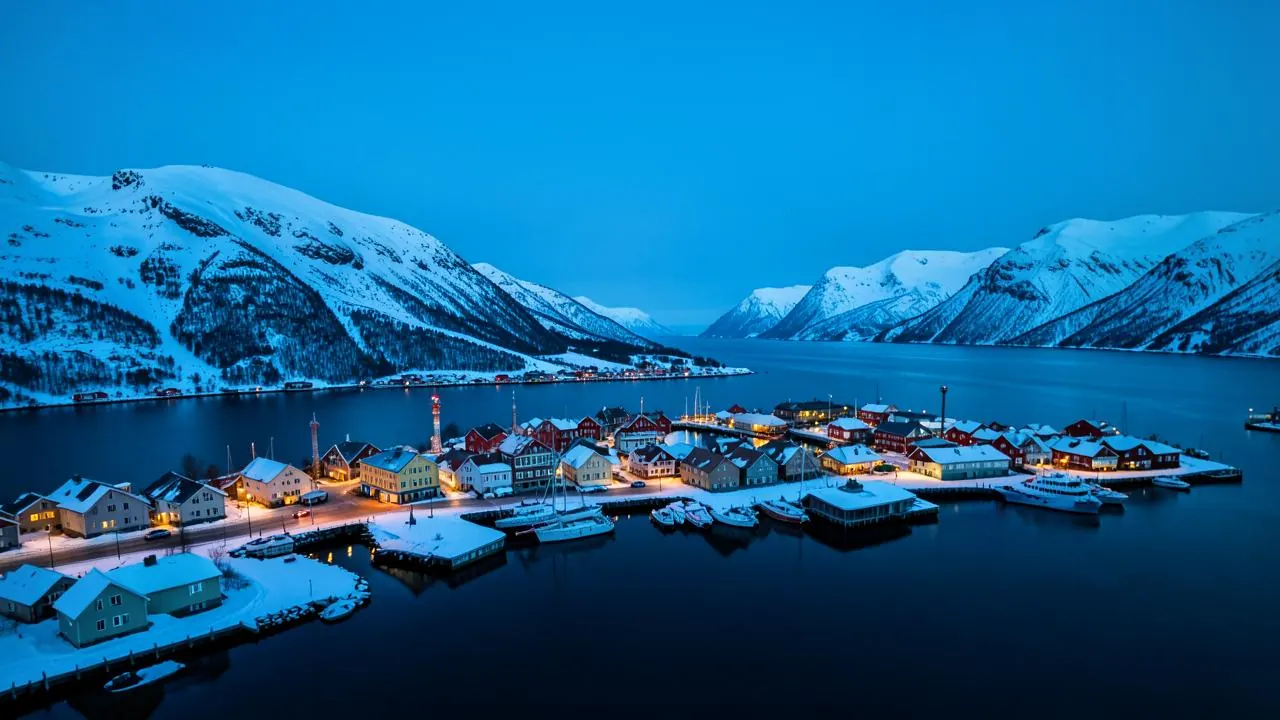

Tromso and Arctic Norway
Polar night is not darkness. Several hours of blue twilight a day, snow holding what light there is, and a town lit against it.
The places to stay
Tromsø waterfront
Top-floor bar facing the Arctic Cathedral across the sound
Explore Hotel
Tromsø harbour
Shortest walk to the whale and aurora boat departures
Explore Hotel
Svolvær, Lofoten
Harbour-front rooms and the best base for the islands
Explore HotelBy Happi · Last updated September 2026
A little local perspective
$$ to $$$$ — roughly 2,000-5,000 kroner a night, peaking in aurora season
Tromsø sits at 69.6 degrees north, roughly 350 kilometres inside the Arctic Circle. From about 27 November to 15 January the sun does not clear the horizon at all. From about 18 May to 25 July it does not set.
Polar night is not darkness. For several hours each day the sky goes through a long blue twilight, the snow holds what light there is, and the town is lit. It is one of the strangest and most beautiful conditions in Europe and people who expect black at noon are usually surprised by it.
The two extremes are entirely different holidays.
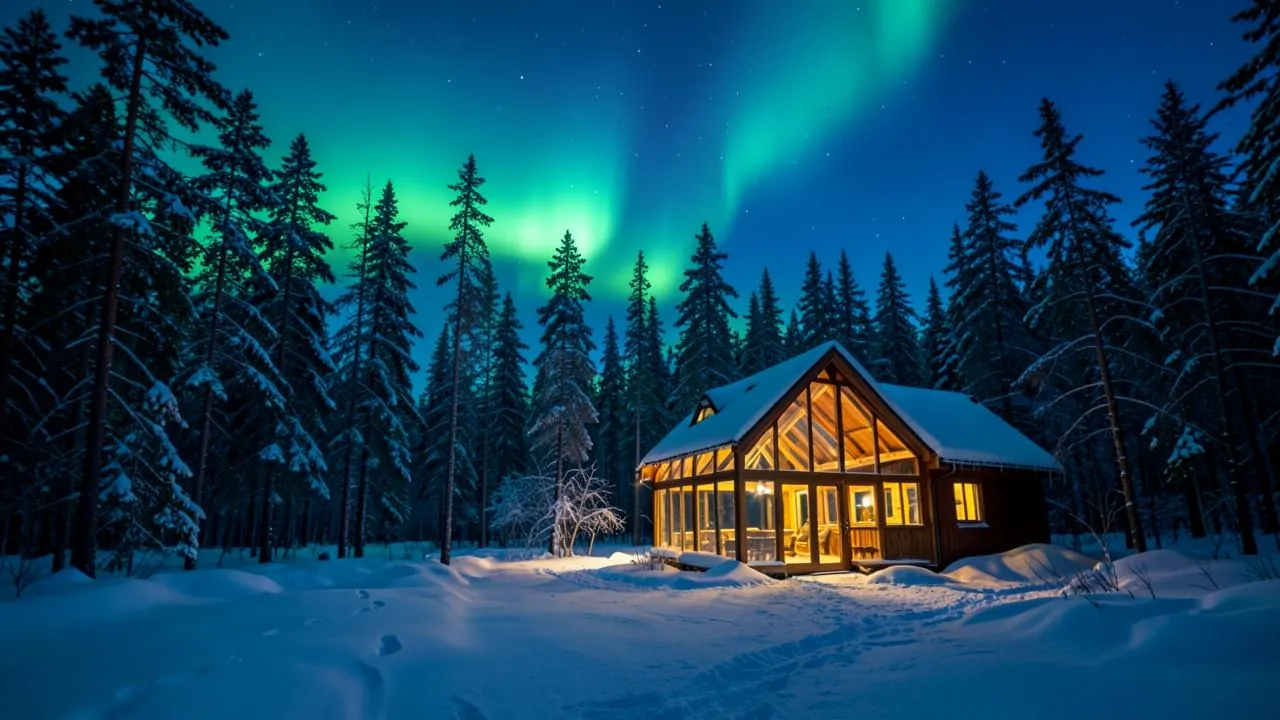
Late September to late March is aurora season, with the best statistical odds from December to February. It is cold, dark and the town is set up for it: whale watching in the fjords, dog sledding, Sami reindeer herding, and a small city with more pubs per head than anywhere else in Norway.
Late May to late July is the midnight sun, when the light never goes and people hike, kayak and sit outside at two in the morning. It is a completely different Arctic and it is much less marketed.
The shoulder weeks in April and August give you neither and cost considerably less.
Tromsø is on an island connected by bridges, with the Arctic Cathedral, a cable car up Storsteinen and the world's northernmost botanical garden. It has around 77,000 people and the university, which makes it a working city rather than a resort.
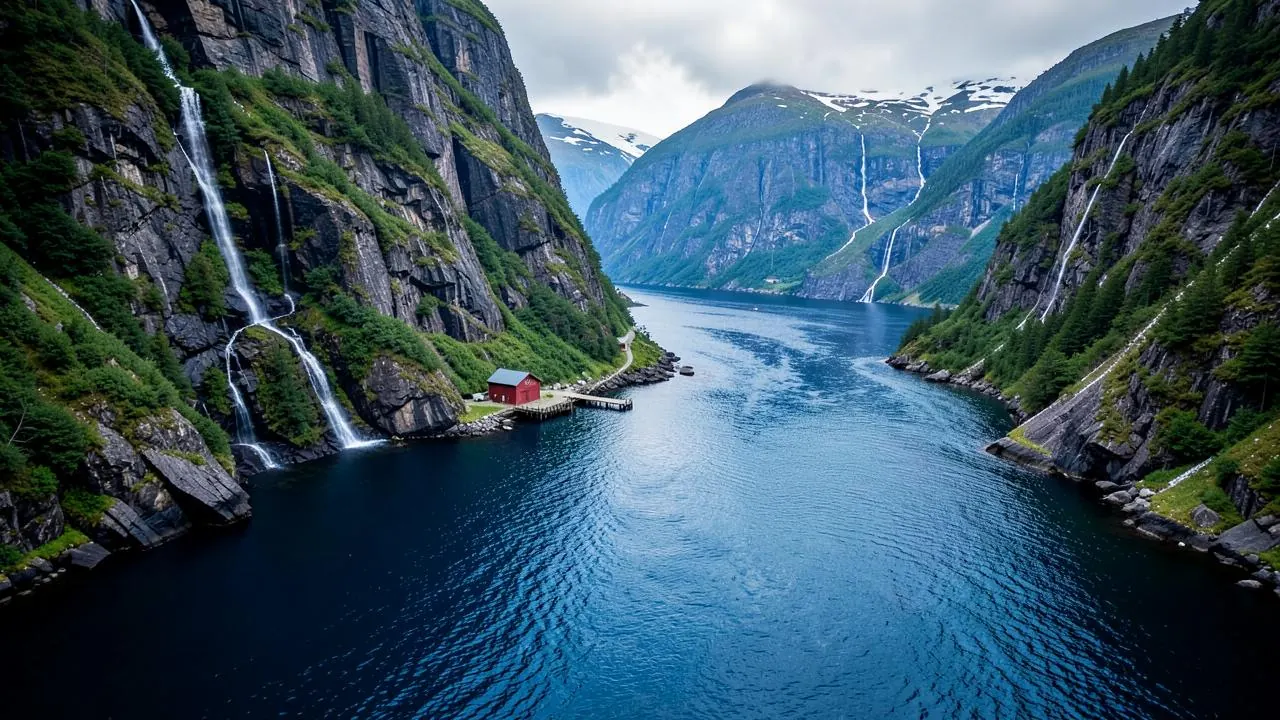
The Lofoten islands, further southwest and reached by a flight or a long drive, are the dramatic ones: granite peaks straight out of the sea, fishing villages of red rorbuer, and the best photography in Norway.
Alta and Senja, east and south, are quieter with their own wilderness lodges.
The seven below are grouped by that.
The city, on the island.
Clarion Hotel The Edge occupies a waterfront building with a bar on the top floor looking across the sound at the Arctic Cathedral and the mountains. It is the best-positioned hotel in the city and the aurora is visible from the roof on a clear night.
Radisson Blu Hotel Tromsø sits on the harbour with contemporary rooms, a good restaurant and the shortest walk to the boat departures.
Scandic Ishavshotel occupies a central position with reliable rooms, a bar and rates below the waterfront hotels.
Southwest, reached by flight or ferry. Peaks straight out of the sea.
Nusfjord Arctic Resort occupies a preserved nineteenth-century fishing village in a narrow inlet, with the original buildings restored as rooms, a bakery and a general store still operating. The whole village is the hotel and it is the most complete restoration in northern Norway.
Hattvika Lodge sits at Ballstad in a set of converted fishermen's cabins on the water, run by a family who organise skiing, fishing and boat trips from the door.
Thon Hotel Lofoten occupies a position at Svolvær with harbour-front rooms, a restaurant and the most convenient base for the islands.
East, on the Altafjord.
Sorrisniva Arctic Wilderness Lodge sits on a river outside Alta with a wilderness lodge, a spa and a long-running dog sledding operation. It also builds an ice hotel each winter, which is worth visiting and is not where you sleep.
The rorbu self-catering cabins across Lofoten are excluded, and they are the traditional and by far the most common way to stay on the islands. They are cabins rather than hotels.
Chase the aurora with a guide who moves. Tromsø's weather is coastal and cloudy, and the operators who drive inland toward the Finnish border on a bad night are the ones who find clear sky. A static viewing spot is a worse bet.
Go whale watching between November and January, when herring move into the fjords and orcas and humpbacks follow them. Boats leave from the harbour and it is cold work.
Take the Fjellheisen cable car up Storsteinen for the view over the city and the sound, in either season.
Meet reindeer with a Sami herder, and take the sledding seriously — it is a working relationship with animals rather than a ride.
In summer, hike Fløya or take a boat into the fjords at midnight, which is the best thing about the light.
Tromsø airport has direct flights from Oslo and several European cities. Lofoten is reached via Bodø or Evenes with a short onward flight or a long drive.
Aurora season runs late September to late March. Midnight sun runs late May to late July. Polar night is roughly late November to mid January.
It is genuinely cold and the weather changes fast. Most operators lend thermal suits and boots; confirm that they do.
Prices shown are sample rates from upcoming dates — not quotes for specific dates. Open a hotel and choose your own dates and guests to see the exact price.
No. There are several hours of blue twilight each day and the snow reflects it. It is dim rather than black.
Season and clear sky decide it. Three or four nights in winter with a mobile guide gives good odds, not a guarantee.
Tromsø for the city, the boats and the flight connections. Lofoten for the landscape and the photography.
Four in winter, to give the sky several chances. Longer if you are adding Lofoten.