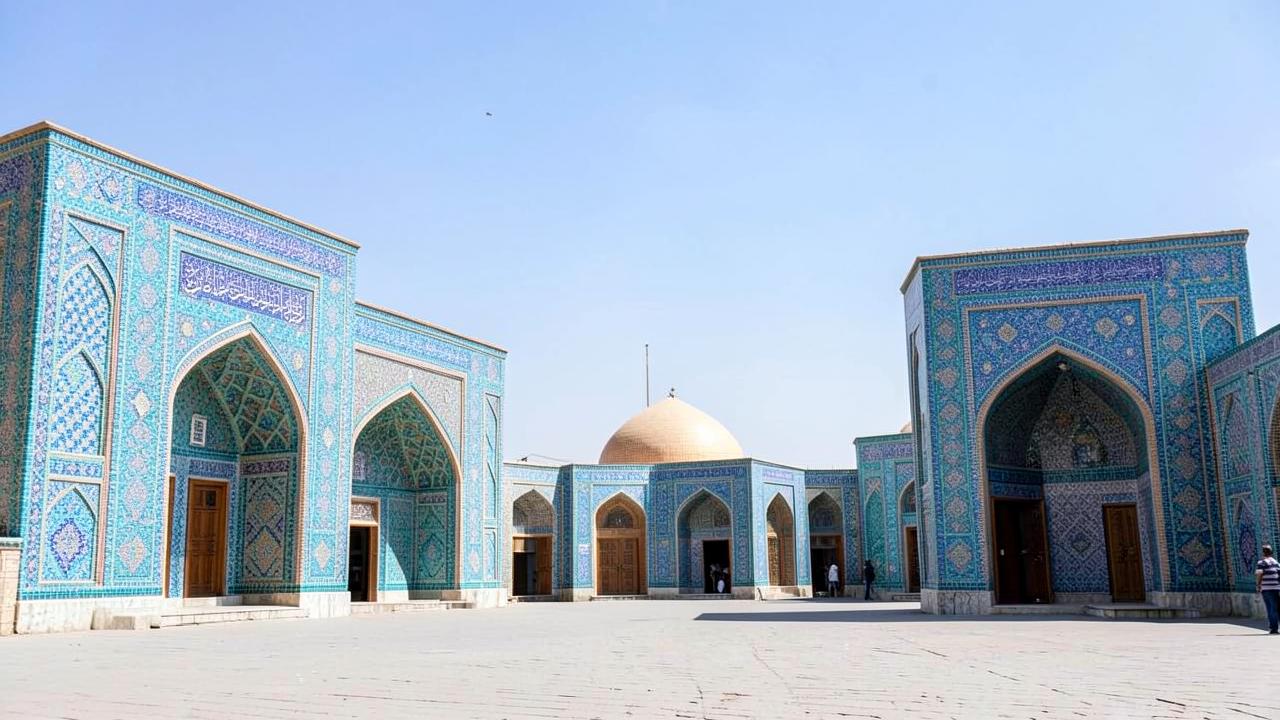
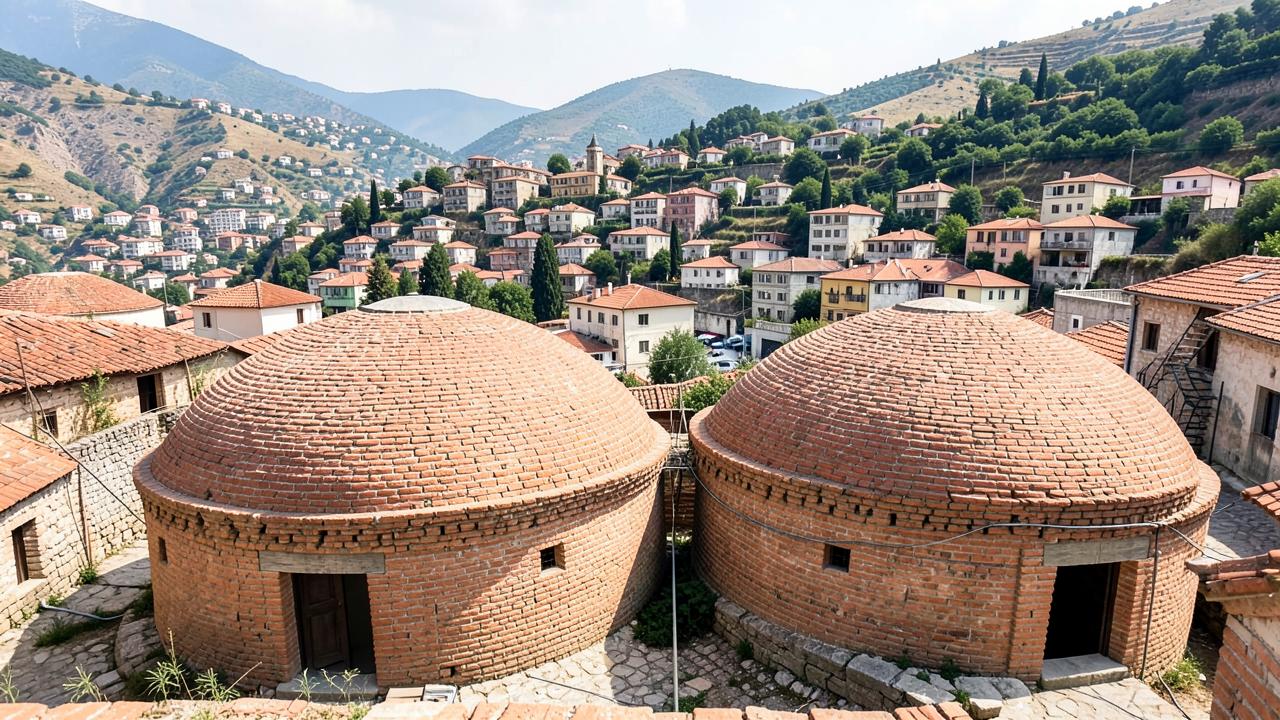
Baku seafront boulevard
Four Seasons Hotel Baku
Facing both the Caspian and the old city walls
Explore Hotel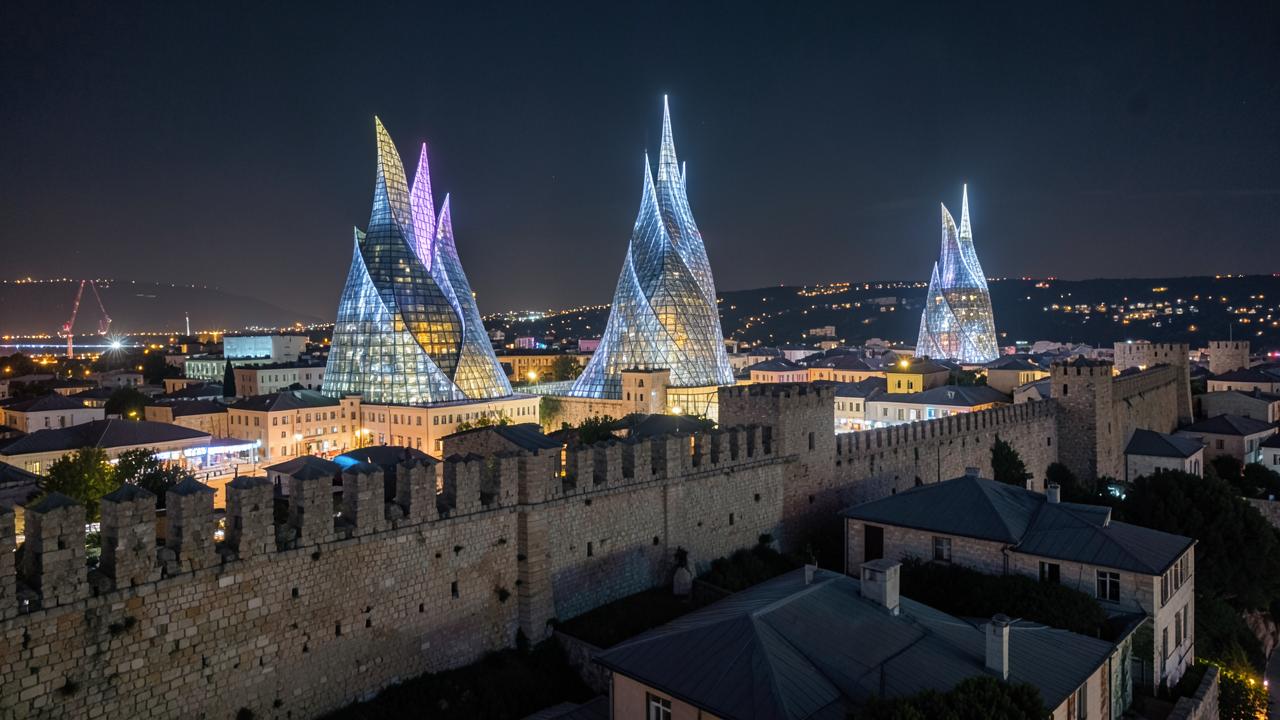

Baku, Azerbaijan
No crater and no volcano. The ground is simply on fire, and has been for as long as anyone has been counting.
The places to stay
Baku seafront boulevard
Facing both the Caspian and the old city walls
Explore Hotel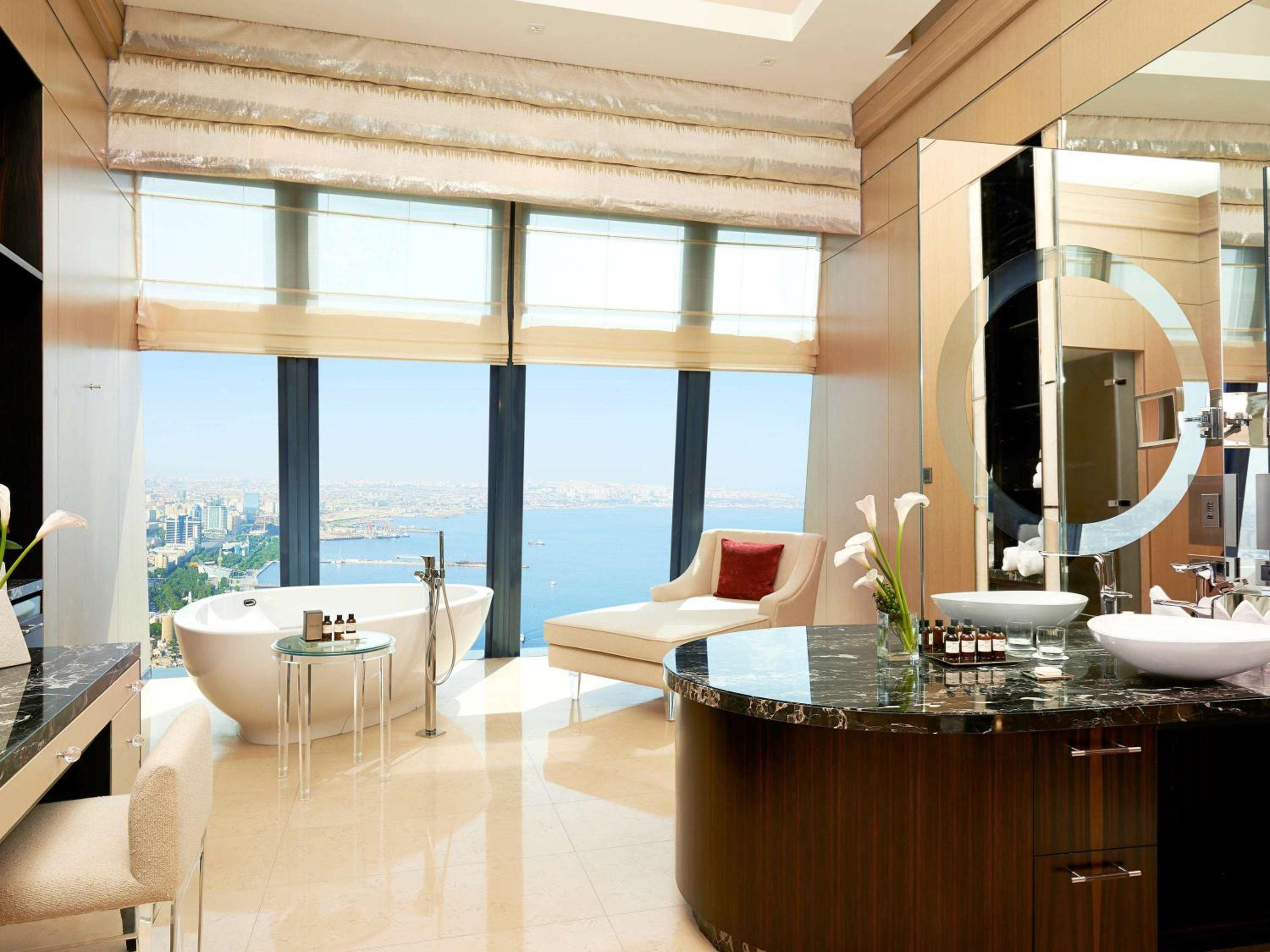
Flame Towers, Baku
Rooms at height inside the city's landmark
Explore Hotel
Azadliq Square, Baku
A spa and pool with large rooms on the Boulevard
Explore Hotel
Near the Baku seafront
A restored building with a rooftop
Check availability
Icherisheher
A small property inside the walls near the Maiden Tower
Explore Hotel

By Happi · Last updated September 2026
A little local perspective
$$ to $$$ — roughly $150-450 a night, peaking in spring and autumn
Azerbaijan's name is usually traced to a root meaning fire, and the country earns it literally. Yanar Dag, a hillside outside Baku, has been burning continuously for decades — natural gas seeping through porous sandstone, ignited at some point and never extinguished, a wall of flame a few metres wide at the base of a slope. There is no crater and no volcano. The ground is simply on fire.
Nearby at Ateshgah, a fire temple built around a natural gas vent was used by Zoroastrian, Hindu and Sikh worshippers travelling the trade routes, with inscriptions in Sanskrit and Persian around the courtyard. The natural flame went out in 1969 when the gas field was tapped commercially; it now runs on a pipe.
Azerbaijan also has roughly half the world's mud volcanoes — cold, slow cones that bubble grey clay and occasionally ignite.
By 1900 the Baku fields were producing something approaching half the world's oil. The Nobel brothers and the Rothschilds were both here, fortunes were made in a decade, and the money went into a belt of mansions around the old city in whatever European style the owner fancied — Venetian Gothic next to French Second Empire next to Moorish Revival, all in the same cream limestone.
A second boom after independence in 1991 produced the newer landmarks: the Flame Towers, three curved glass buildings completed in 2012 covered in LED screens that show flames at night, and Zaha Hadid's Heydar Aliyev Center, a white wave of a building with no straight lines that won Design of the Year in 2014.
Icherisheher is the medieval core, walled, UNESCO-listed in 2000, with the Shirvanshahs' Palace and the Maiden Tower — a cylindrical stone structure about thirty metres high with a buttress on one side, which nobody has been able to date securely or explain. Proposed functions include a fortress, an observatory, a Zoroastrian fire temple and a lighthouse, and the arguments are ongoing.
The seven below are grouped that way.
Facing the Caspian.
Four Seasons Hotel Baku occupies a building on the seafront boulevard with a spa, a pool and rooms facing both the Caspian and the old city walls. It is the best hotel in the Caucasus.
Fairmont Baku, Flame Towers sits inside one of the Flame Towers with rooms at height, a spa and the city below on three sides.
JW Marriott Absheron Baku occupies a position on the Boulevard with a spa, a pool and large rooms.
Baku Marriott Hotel Boulevard sits near the seafront in a restored building with a rooftop and contemporary rooms.
Inside and beside the walls.
Shah Palace Luxury Hotel occupies a building within Icherisheher with a small room count, a courtyard and the Maiden Tower a few minutes away.
Sahil Hotel sits near the walls with reliable rooms, a pool and the best central value.
Hilton Baku occupies a tower in the centre with a spa, a pool and views across to the Flame Towers.
The apartment rentals across central Baku are excluded, and several occupy oil-boom mansions. They are apartments rather than hotels.
Go to Yanar Dag after dark, when the flame is at its most absurd, and to Ateshgah in daylight for the inscriptions.
Walk Icherisheher and climb the Maiden Tower, then walk the oil-boom mansion belt around it and notice how many architectural styles fit into six streets.
See the Heydar Aliyev Center, inside and out. The interior is as uncompromising as the exterior and the collections are secondary to the building.
Go to Gobustan, an hour south, where around six thousand rock carvings dating back perhaps twelve thousand years cover the boulders, alongside a field of mud volcanoes.
Eat plov, dolma and the tea, which is served in a pear-shaped glass with jam rather than sugar.
Baku's airport has European and regional connections, thirty minutes from the centre. The metro is cheap and straightforward.
April, May, September and October are best. Summer is hot and humid on the Caspian. Winter is cold and windy — Baku means "city of winds" in one etymology and it is not a metaphor.
Check current visa arrangements, which have changed several times.
Gas seeps through porous rock at Yanar Dag and has burned continuously for decades. There is no volcano or crater.
A thirty-metre stone tower in the walled city that nobody has securely dated or explained. Theories include a fortress, an observatory and a fire temple.
Old city for the walls and the tower, the Boulevard for the Caspian and the hotels. They adjoin.
Three. Two for the city and one for Gobustan and the fires.