Torrent, Empordà
Mas de Torrent Hotel & Spa
An eighteenth-century masia with vineyards and a spa
Explore Hotel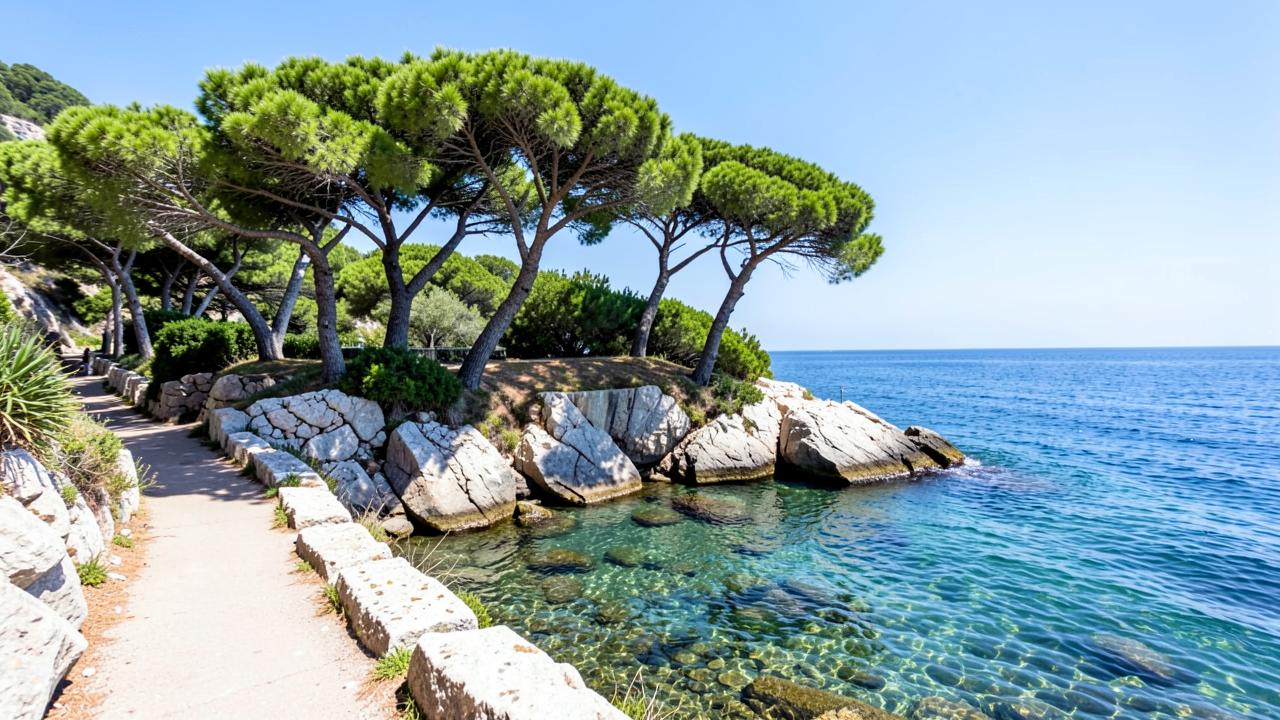

The Costa Brava, Spain
The Pyrenees run out into the sea here, so the shoreline is granite and pine, and the path along the cliffs was built to watch for smugglers.
The places to stay
Torrent, Empordà
An eighteenth-century masia with vineyards and a spa
Explore Hotel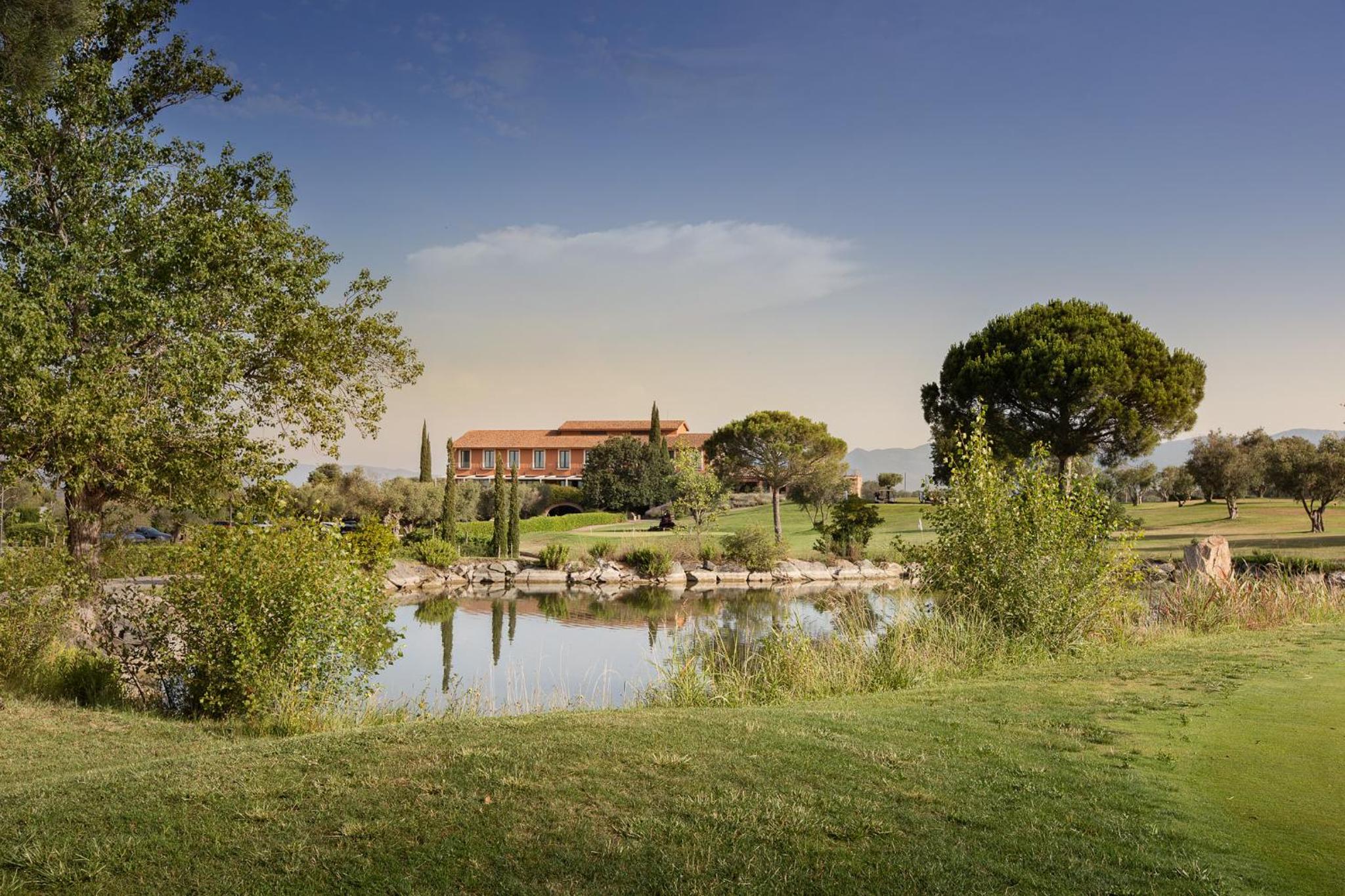
Peralada
A golf and wine estate with a summer festival in the castle
Explore Hotel


Vilaür, Empordà
A converted farmhouse between Girona and the sea
Explore HotelBy Happi · Last updated September 2026
A little local perspective
$$ to $$$$ — roughly 200-900 euros a night, peaking in August
The name was invented by a journalist. In 1908 Ferran Agulló wrote a piece in a Barcelona newspaper about the coast north of the city and called it the Costa Brava — the wild or rugged coast — and the name stuck so completely that it is now the legal designation of the region.
What he was describing was the geology: the Pyrenees run out into the sea here, so the shoreline is granite and pine rather than the flat sandy stretch that runs south of Barcelona. The coves are small, the cliffs come down to the water, and the coastal path — the camí de ronda, built originally so coastguards could watch for smugglers — still runs along the top of them for tens of kilometres.
Salvador Dalí spent most of his life on this coast and left three buildings: the theatre-museum at Figueres, which he designed as his own mausoleum and is buried in; the house at Portlligat outside Cadaqués, grown out of a row of fishermen's huts over forty years; and the castle at Púbol that he bought for Gala and could only enter by written invitation from her. The three are within an hour of each other and the trio is usually called the Dalí triangle.
El Bulli operated at Cala Montjoi near Roses until 2011. Its influence on what the region eats has not receded: the Costa Brava and its hinterland now hold one of the densest concentrations of Michelin stars in Europe, including a restaurant in Girona run by three brothers that has twice been ranked first in the world.
Cadaqués and Cap de Creus, at the top, are the wildest end — a whitewashed town reachable by one mountain road, and a headland of twisted schist that is the easternmost point of mainland Spain.
Empordà, inland, is flat farmland with medieval villages and the wine.
Begur and the middle coast, around Aiguablava and Tamariu, are the cove country and the best of the camí de ronda.
S'Agaró and Sant Feliu, south, have the 1920s villa development and the grand hotels.
Girona, half an hour inland, is a walled city with an intact Jewish quarter and the restaurants.
The eight below run north to south.
Inland and at the top of the coast.
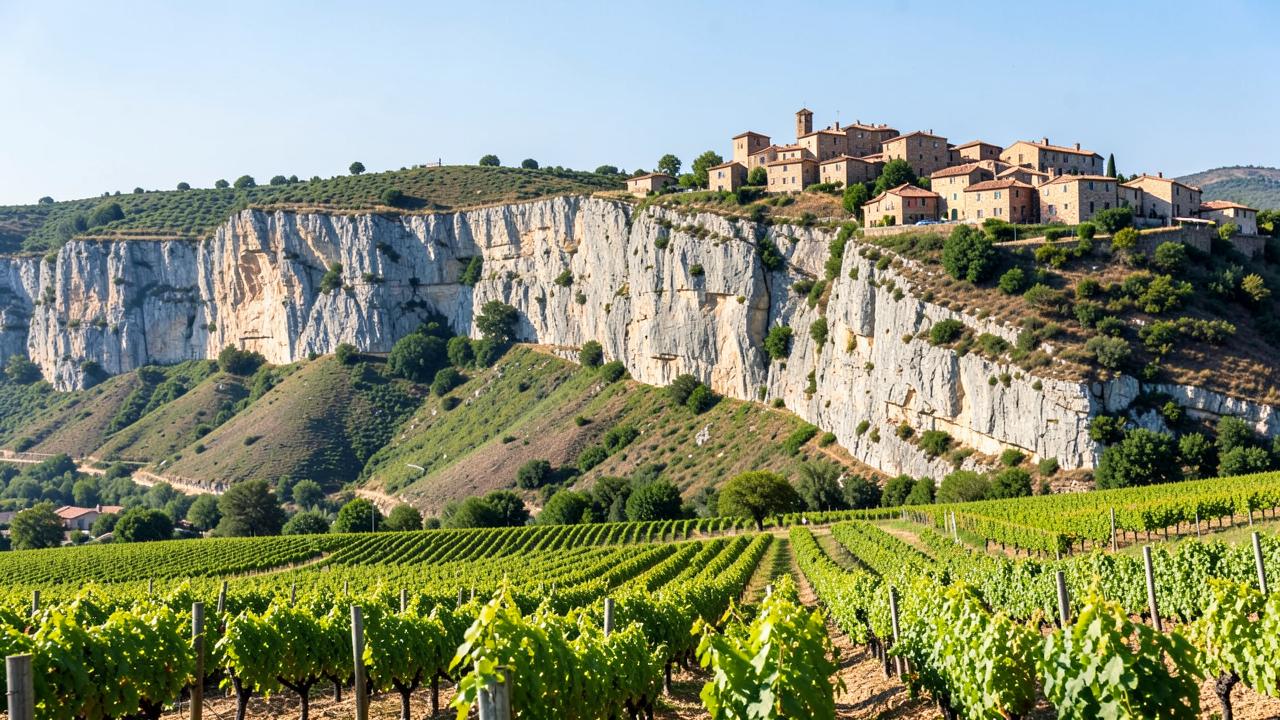
Mas de Torrent Hotel & Spa occupies an eighteenth-century masia in the Empordà countryside with a pool, gardens, a spa and vineyards, half an hour from both Figueres and the coast.
Hotel Peralada Wine Spa & Golf sits at Peralada on a golf and wine estate with a spa, a casino and a music festival in the castle grounds each summer.
The middle, and the coastal path.
Hotel Aiguaclara occupies a nineteenth-century indiano house in Begur with a small room count, a courtyard and the coves fifteen minutes down.
The 1920s development and the grand hotels.
Hostal de la Gavina occupies a position at S'Agaró opened in 1932, on a clifftop above two beaches with the camí de ronda running past the gate. Elizabeth Taylor and Orson Welles stayed and the building has not changed much.
Hotel Alàbriga sits on the same headland in a recent build of considerable ambition, with a rooftop pool, a spa and the largest suites on the coast.
Hotel Rigat Park & Spa occupies a beachfront position at Lloret with mature gardens, a pool and a long-standing family operation.
Half an hour inland.
Hotel Històric occupies a building in the Girona old town incorporating Roman wall and medieval structure, with a handful of rooms and the cathedral steps nearby.
Casa Anamaria Hotel & Villas sits outside Vilaür in a converted farmhouse with a pool, a garden and a quiet position between Girona and the coast.
The apartment and villa rentals along the cove coast are excluded, and around Begur and Calella de Palafrugell they are how most Catalan and French families spend August. They are houses rather than hotels.
Walk a section of the camí de ronda. The stretch from Calella de Palafrugell to Llafranc takes about forty minutes and passes coves you cannot reach by road.
Do the Dalí triangle, and book Portlligat ahead — the house takes small timed groups and sells out, and it is by some distance the best of the three.
Drive to Cap de Creus over the Pyrenean tail, and eat at Cadaqués, which Dalí, Picasso and Duchamp all worked in.
Eat in Girona, and if the famous table is beyond reach, the city has half a dozen others that would be the best restaurant in most European cities.
Swim at Aiguablava, Tamariu and Sa Tuna, which are small, granite-framed and clear.
Girona and Barcelona airports are forty minutes and ninety minutes from the middle coast. The AVE reaches Girona from Barcelona in thirty-eight minutes. A car is needed for the coves.
May, June and September are ideal. August is full of Catalan and French families and the cove roads are slow. Winter is quiet and many coastal hotels close.
The tramuntana, a north wind, blows hard for days at a time here, particularly in winter and spring. It is what bent the trees at Cap de Creus.
A Barcelona journalist coined it in 1908 to describe the rugged coast north of the city, and it became the official name.
A coastal path built for coastguards watching for smugglers, now a walking route linking coves along the cliffs.
The Portlligat house especially. Book the timed entry ahead; it takes very small groups.
Five. Three on the coast and two inland for Girona and the Empordà.