600 metres from the Taj
The Oberoi Amarvilas, Agra
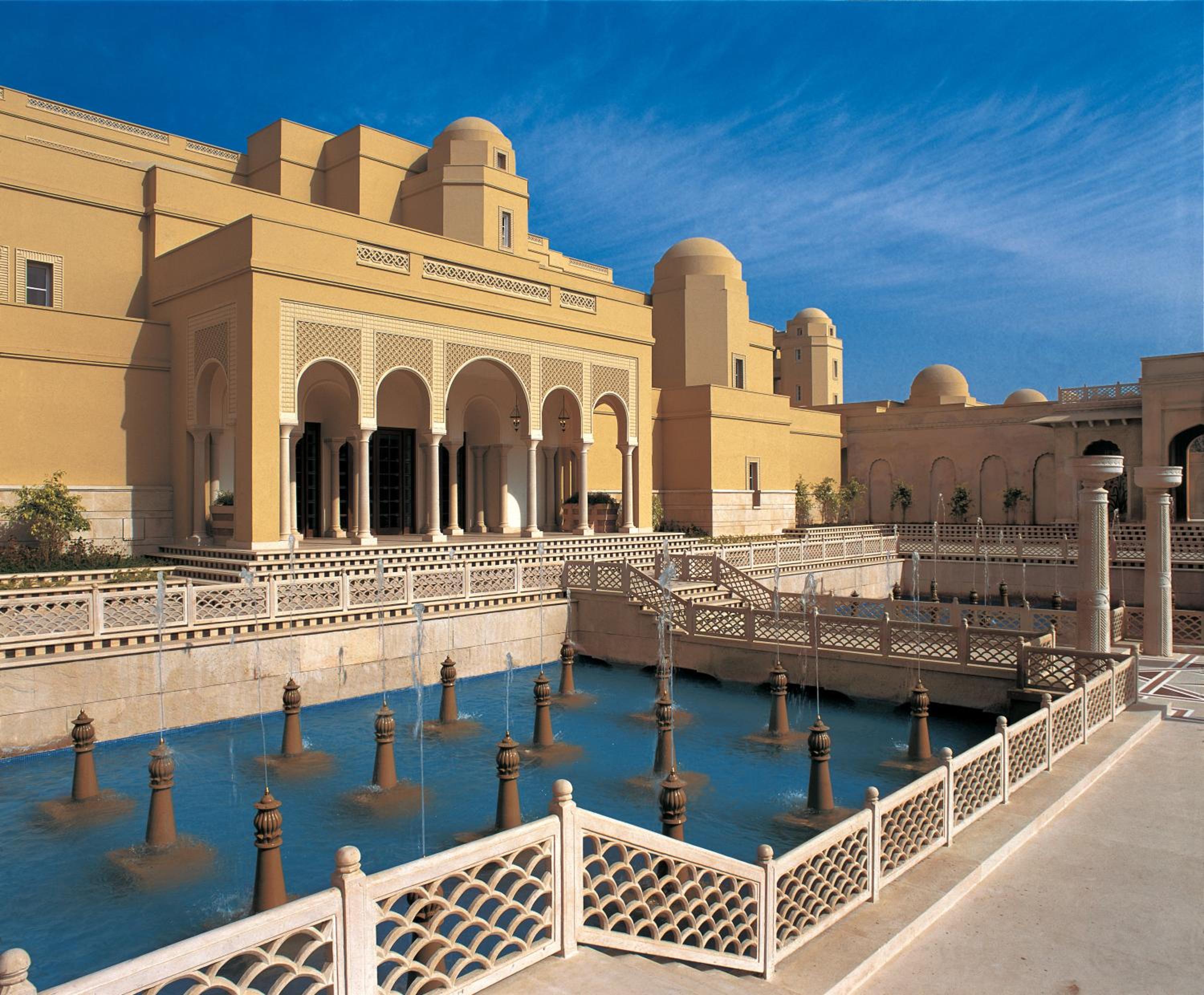
Every room faces the Taj Mahal across Mughal water gardens
Explore Hotel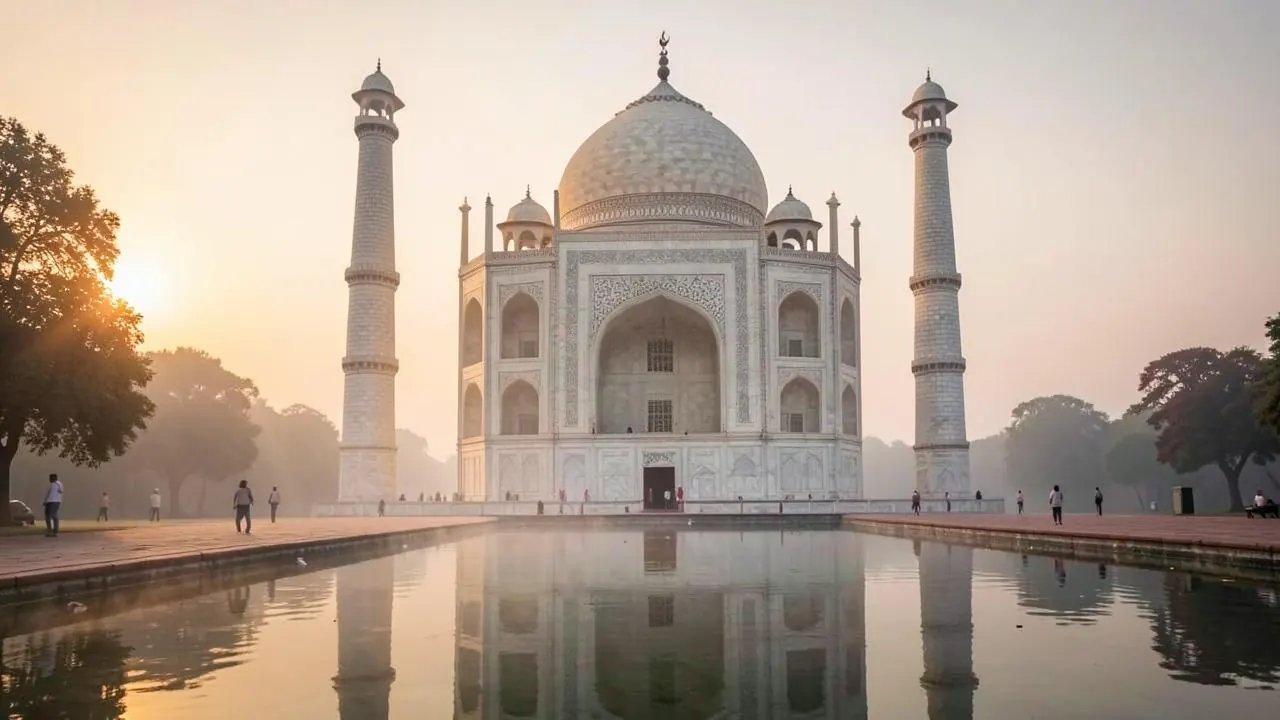

Delhi and Agra, India
Pink at dawn, white by mid-morning, and the crowds arrive between the two. A surprising number of visitors turn up on the day it is closed.
The places to stay
600 metres from the Taj
Every room faces the Taj Mahal across Mughal water gardens
Explore Hotel



Chanakyapuri
Rooftop pool with views to the presidential palace
Explore Hotel

Mansingh Road
Facing Lutyens' Delhi with a spa and long-standing regulars
Explore Hotel
By Happi · Last updated September 2026
A little local perspective
$$ to $$$$ — roughly $150-1,200 a night, peaking October to March
The Taj Mahal opens at sunrise and it is closed to visitors every Friday. Those two facts govern an Agra trip more than anything else, and a surprising number of people arrive on a Friday having not checked.
The building is white marble inlaid with semi-precious stone, and what it does with light is the reason to be there early: pink at dawn, white by mid-morning, and the crowds arrive between the two. By ten the queues at the mausoleum are substantial.
Agra is about 230 kilometres south of Delhi. The Yamuna Expressway covers it in roughly three to three and a half hours by car, and the Gatimaan Express train does it in about a hundred minutes from Hazrat Nizamuddin, which is the better route if the timings work.
That distance is the planning problem. A day trip from Delhi means leaving before dawn and reaching the Taj after the light has gone flat. Staying in Agra means being at the gate when it opens.
Delhi itself divides sharply. New Delhi, the Lutyens city built as the imperial capital in the 1910s and 20s, has wide avenues, the government buildings, Lodhi Gardens and almost all of the good hotels. Old Delhi, north of it, has the Red Fort, the Jama Masjid and Chandni Chowk, and is a completely different city.
The eleven below are grouped by which.
At the monument. The reason to stay overnight.
The Oberoi Amarvilas, Agra sits 600 metres from the Taj Mahal with every room facing it across landscaped water gardens in the Mughal style. It is the only hotel in the world with that view and it is the reason people stay in Agra rather than day-tripping. Book a Taj-view room; the others exist and miss the point.
ITC Mughal, Agra occupies a large red sandstone property in Mughal style with 35 acres of gardens, a spa and a good number of rooms with distant Taj views.
Andaz Delhi sits on a large site with a pool, several restaurants and full facilities at a lower rate than the two above.
Trident Agra occupies a garden property with a pool and comfortable rooms, and it is the best value in Agra.
The Lutyens city. Wide avenues, gardens and the hotels.
The Oberoi, New Delhi occupies a position overlooking the Delhi Golf Club and Humayun's Tomb, reworked recently, with a rooftop restaurant and the most polished service in India.
The Imperial, New Delhi sits on Janpath in a 1931 building that is part of the original imperial city, with a corridor of colonial art, a garden and a bar that has been a Delhi institution since independence.
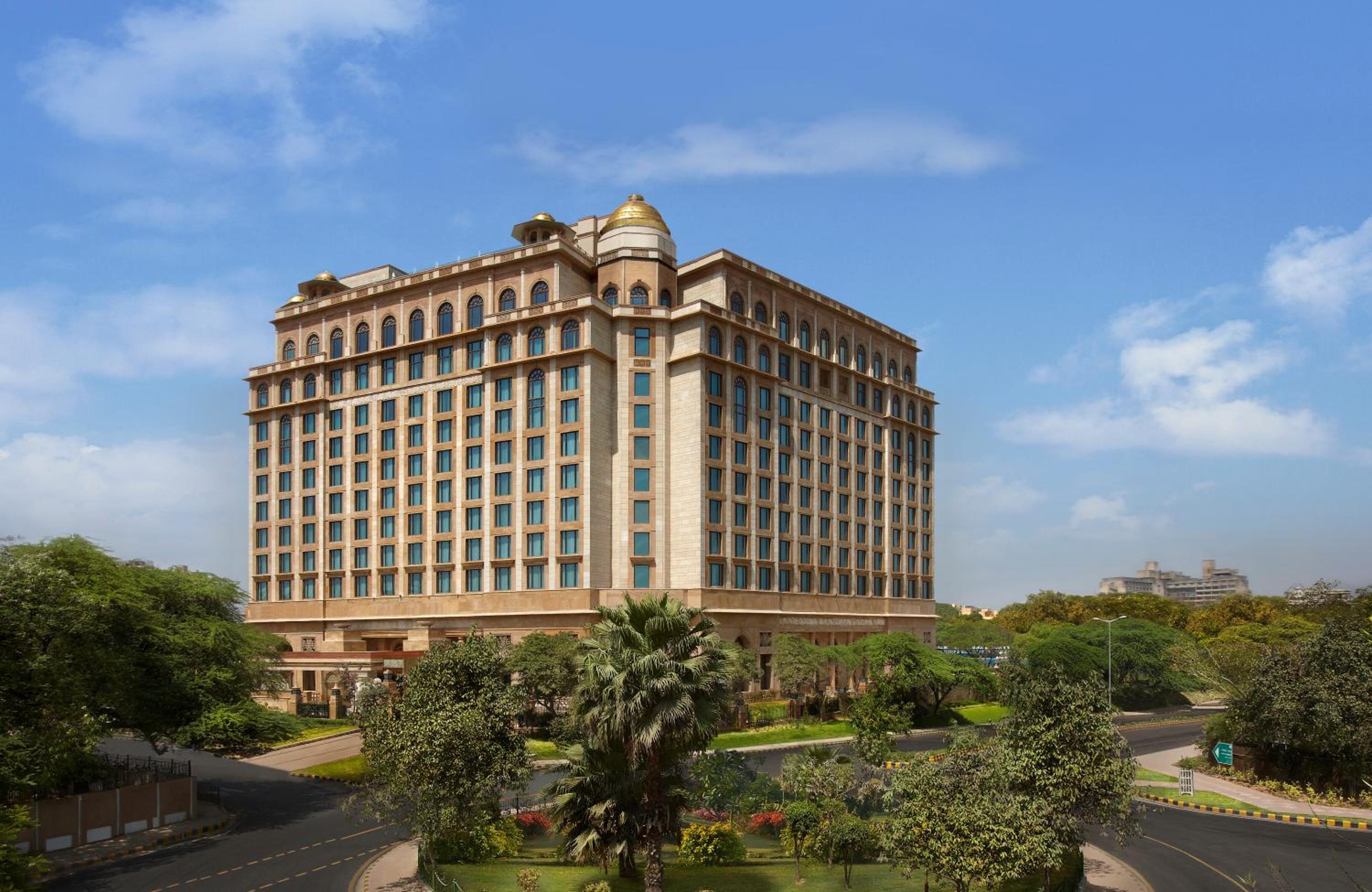
The Leela Palace New Delhi occupies a purpose-built palace-style building on Chanakyapuri with a rooftop pool, a spa and rooms looking at the presidential palace.
The Lodhi sits in the Lodhi district beside the gardens, with the largest rooms in Delhi, most with private plunge pools, and a quiet residential setting.
Taj Mahal, New Delhi occupies a position facing Lutyens' Delhi with a spa, several restaurants and a long-standing reputation among returning visitors.
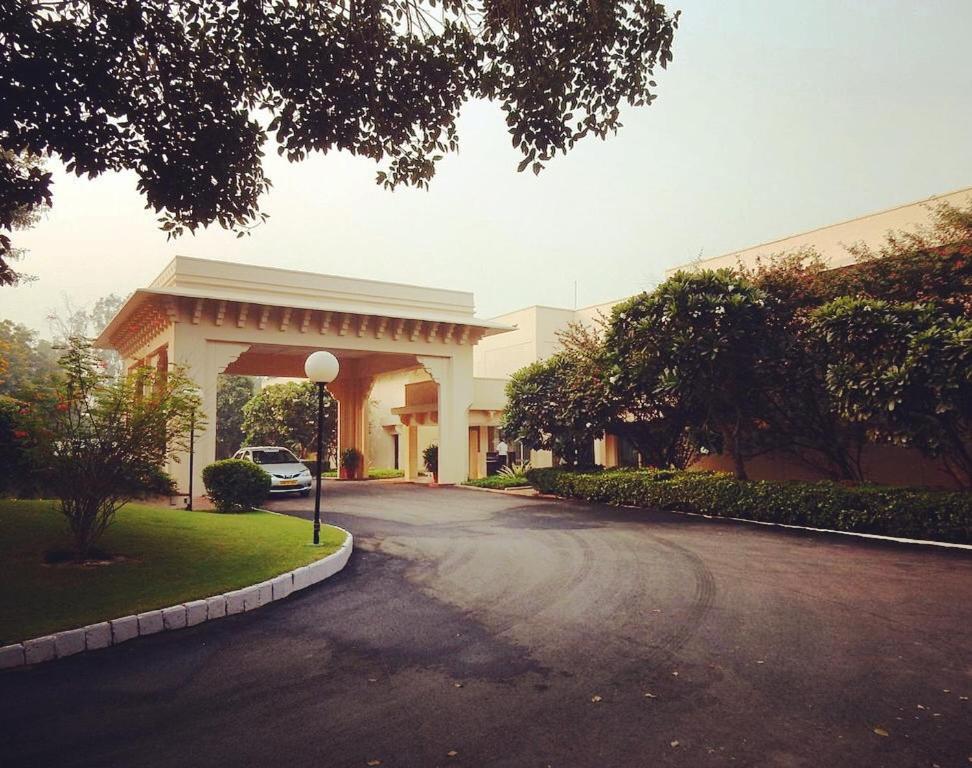
The Claridges New Delhi sits on Aurangzeb Road in a 1950s building with a garden, a pool and a more relaxed tone than the palace hotels.
Hotel Delhi Aerocity Inn occupies a contemporary building in Aerocity near the airport, with a rooftop pool and the shortest transfer for an early flight.
The heritage haveli guest houses in Old Delhi are excluded. Several are genuinely interesting conversions inside the walled city and they are guest houses rather than hotels.
Go to the Taj at opening and check the day. It is closed every Friday, tickets are timed and booked online, and the mausoleum interior requires a separate ticket. Sunrise is the reason to be there.
Do Agra Fort as well, which most day trips skip. Shah Jahan spent his last years imprisoned in it looking downriver at the building he had commissioned for his wife.
Add Fatehpur Sikri, an abandoned Mughal capital 40 kilometres west of Agra, built and left within about fifteen years.
In Delhi, Humayun's Tomb is the prototype for the Taj and is far quieter; the Qutub Minar complex and Lodhi Gardens are both worth mornings. Old Delhi's Jama Masjid and a walk through Chandni Chowk are a different city entirely.
Eat properly at both ends: Delhi's restaurant scene runs from street chaat to some of the best cooking in Asia.
Delhi's airport is the main international gateway for northern India. The Gatimaan Express to Agra takes about a hundred minutes; a car on the expressway takes three and a half hours.
October to March is the season, with December and January cold and often foggy in the mornings, which can obscure the Taj and delay flights and trains. April to June is very hot. The monsoon runs July to September.
Delhi's air quality is poor for much of the winter and can be severe from late October through January. If that is a concern, plan around it.
Prices shown are sample rates from upcoming dates — not quotes for specific dates. Open a hotel and choose your own dates and guests to see the exact price.
Yes, to general visitors, every week. Check your dates before booking anything.
Overnight, if you want the sunrise. A day trip from Delhi arrives after the best light.
One is, with every room facing it. That view is the entire proposition.
Four. Two in Delhi and two in Agra, or three and one with the fast train.