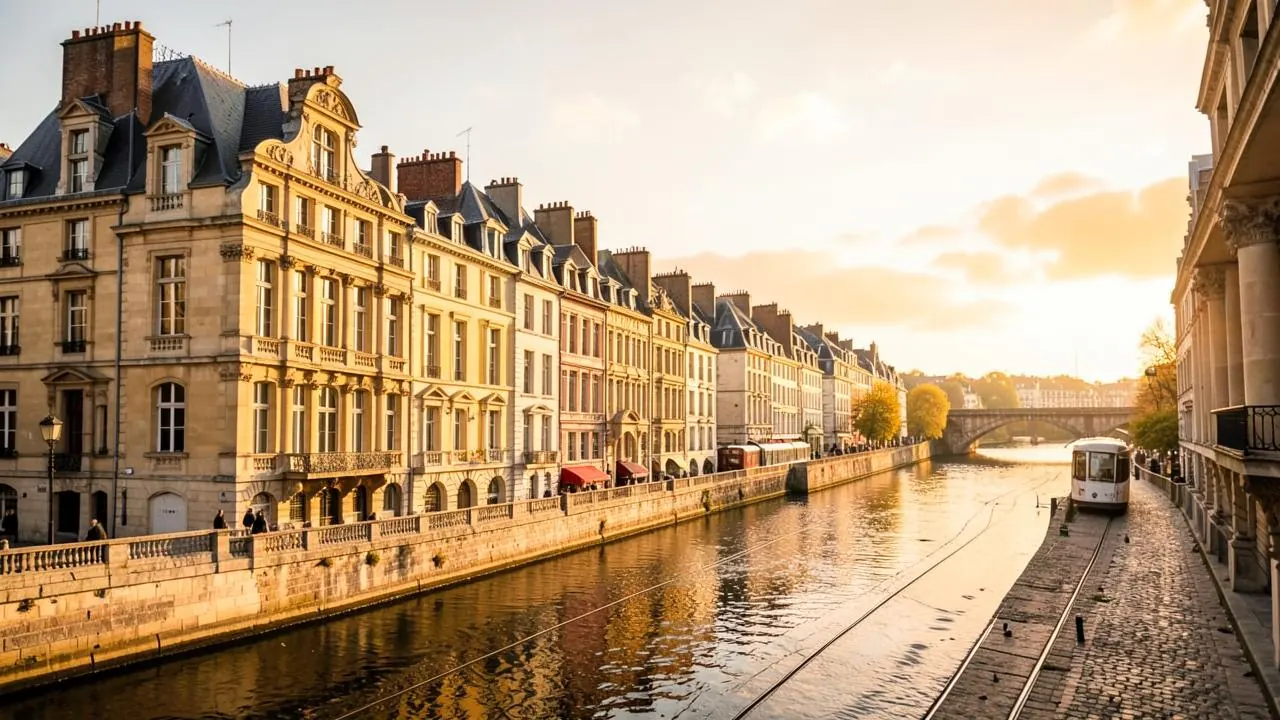
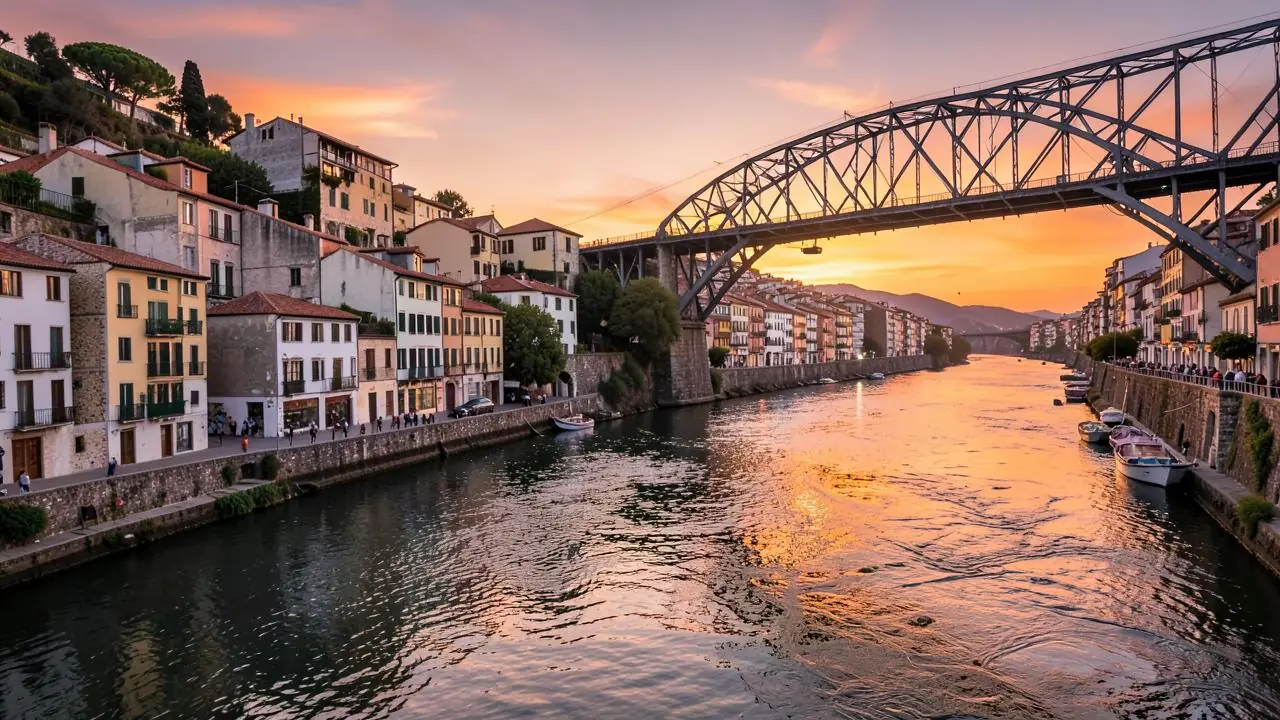
Near Lamego
Six Senses Douro Valley
A nineteenth-century manor with eight hectares and a wine library
Explore Hotel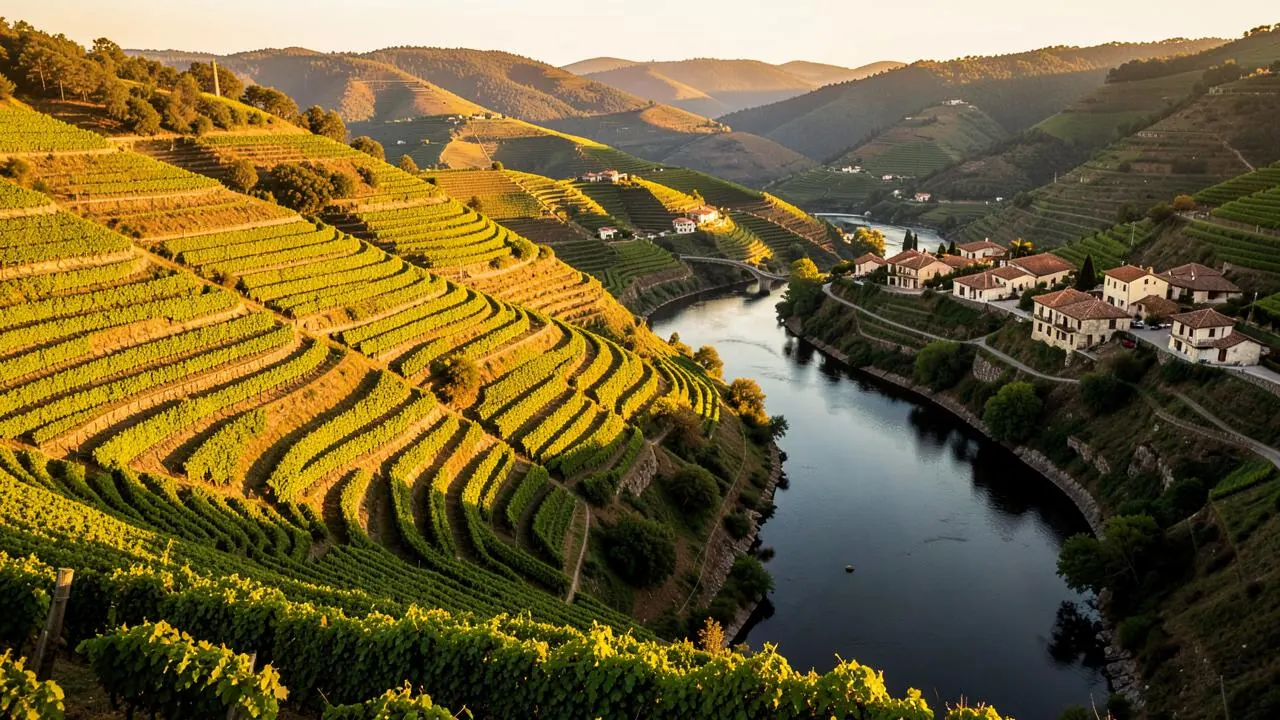

The Douro Valley, Portugal
A quarter of a million terraces cut into schist over three centuries, some supporting a single row of vines. The listing is for the hillsides.
The places to stay
Near Lamego
A nineteenth-century manor with eight hectares and a wine library
Explore Hotel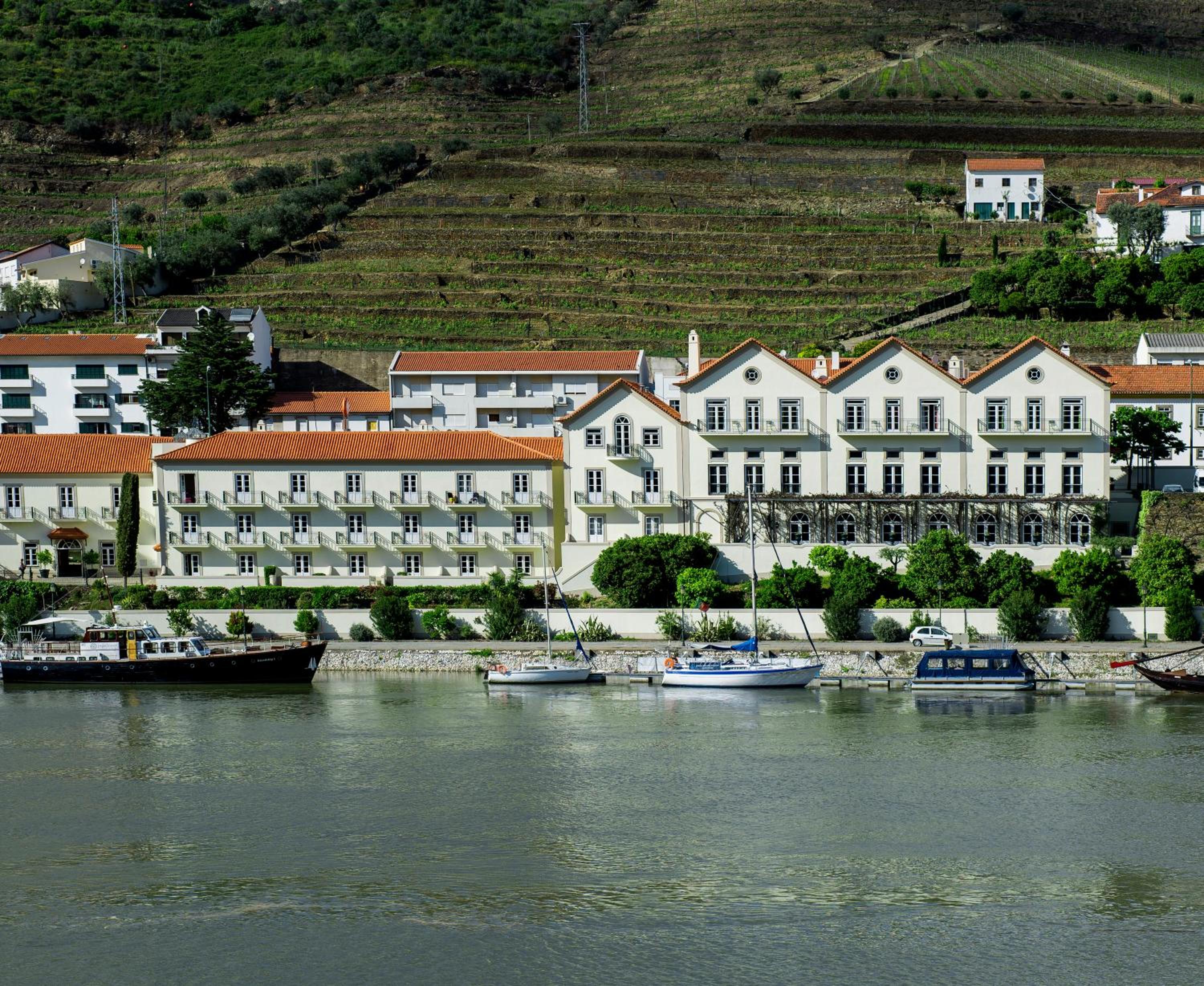
Pinhão riverbank
A former quinta manor beside the station and the boats
Explore Hotel
Peso da Régua
A pool over the terraces with the valley's newest rooms
Explore Hotel
By Happi · Last updated September 2026
A little local perspective
$$$ to $$$$ — roughly 250-900 euros a night, peaking at harvest
The Douro was demarcated in 1756, which makes it the oldest formally defined wine region in the world — boundaries drawn, permitted vineyards registered and quality classified by decree, a century before Bordeaux did the same.
What that produced is the landscape: about 250,000 terraces cut into schist hillsides above the river, some of them supporting a single row of vines, built and rebuilt by hand over three centuries. The whole valley became a UNESCO site in 2001 for the terracing rather than the wine.
Before the railway arrived in 1887, everything moved by boat. The rabelo, a flat-bottomed sailing barge, carried the barrels downriver to the lodges at Vila Nova de Gaia through rapids that no longer exist — the river has been dammed into a series of navigable pools since the 1960s.
The road along the valley is narrow, winding and slow. The train from Porto follows the river for the last stretch and is one of the best rail journeys in Europe. And the river itself now carries cruise boats and private charters.
The practical point: distances here are short on the map and long in the car. Pinhão to Porto is about 130 kilometres and takes over two hours.
Baixo Corgo, the western and wettest end around Peso da Régua, has the most vineyards and the lightest wines.
Cima Corgo, in the middle around Pinhão, is the heart of it: the classified quintas, the most dramatic terracing and most of the hotels.
Douro Superior, the eastern end toward Spain, is hot, dry, remote and where much of the best new wine is coming from.
The eight below are grouped by that.
The middle valley. The classified quintas and the best terracing.
Six Senses Douro Valley occupies a nineteenth-century manor and its estate above the river near Lamego, with 8 hectares of gardens, an organic vegetable garden, a very large spa and a wine library. It is the best hotel in the valley and the setting is the reason.
The Vintage House Hotel sits in Pinhão itself in a former quinta manor house on the riverbank, with a pool, gardens and the train station and the river boats a short walk away.
Quinta de la Rosa occupies a working quinta above Pinhão with rooms in the estate buildings, a pool over the vines and tastings of the wine made on site.
Casa do Rio Wine Hotel sits at Vale de Mendiz on a hillside with a small room count, a pool and views down the valley. It is the quietest of the wine hotels.
The western end, closest to Porto.
Torel Quinta da Vacaria occupies a quinta on a hill above Régua with a pool over the terraces, a spa and rooms in a restored estate building. It is the most contemporary property in the valley.
Quinta da Pacheca sits on a working estate near Lamego with rooms including converted wine barrels, a pool and one of the better restaurants in the region.
Quinta do Vallado Wine Hotel occupies a quinta near Régua with a pool, a wine cellar and a family operation going back generations.
The eastern end, hot and remote.
Douro House sits on a hillside estate in the upper valley with a pool, a small room count and the emptiest stretch of the Douro below it.
The river cruise boats are excluded. They are a very popular way to see the Douro and several are comfortable. They are vessels rather than hotels.
The rural guest houses across the valley are also excluded on the standard.
Take the train from Porto to Pinhão, at least one way. The last hour runs along the water through the terraces and it costs very little.
Visit quintas. Most require an appointment, several are family operations, and the tastings usually include the table wines as well as the ports, which is where the region has changed most in twenty years.
Get on the river. A rabelo trip or a small boat charter from Pinhão for a couple of hours is the way to see the terracing properly, because from the water you see the whole hillside.
Drive the N222 between Peso da Régua and Pinhão, which is regularly described as one of the best driving roads in the world and is 27 kilometres of switchbacks above the river.
Eat properly. The Douro's food is heavy and good: posta à mirandesa, roast kid, bacalhau, and the almond and egg sweets that come from the convents.
Porto is the gateway, about two hours by road or two and a half by train to Pinhão. Vila Real has a small airport with limited service.
Harvest, in September, is the best time and the busiest, and several quintas still tread grapes by foot in stone lagares. Spring is green and quiet. Summer is very hot in the upper valley. Winter is cold and many properties close.
Book quinta visits and restaurants ahead. This is a rural region with small operations.
Prices shown are sample rates from upcoming dates — not quotes for specific dates. Open a hotel and choose your own dates and guests to see the exact price.
No. Table wines from the same grapes have become the region's most interesting output over the last two decades.
Train for the arrival, car for the quintas, boat for a few hours to see the terraces from the water. All three if you can.
September, usually into early October, and it is the best and busiest time to visit.
Three. Two is enough for two quintas and a boat, and the third lets you go further upriver.