Sinquerim, north
Taj Fort Aguada Resort & Spa
A sixteenth-century Portuguese fort above the beach
Explore Hotel

Goa, India
Portuguese for 451 years, which is longer than it has been Indian. Churches, verandahs and a cuisine built on vinegar and pork.
The places to stay
Sinquerim, north
A sixteenth-century Portuguese fort above the beach
Explore Hotel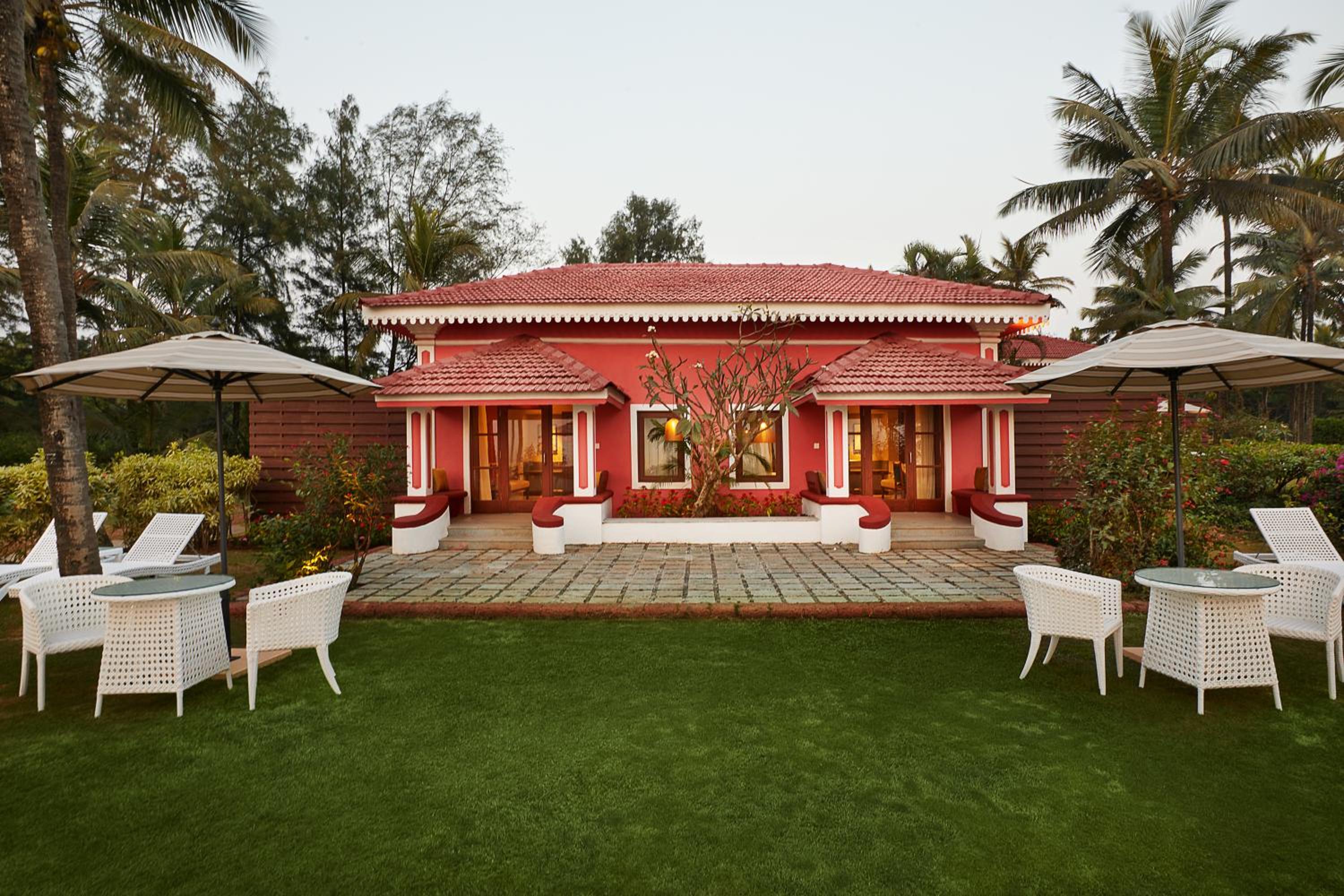
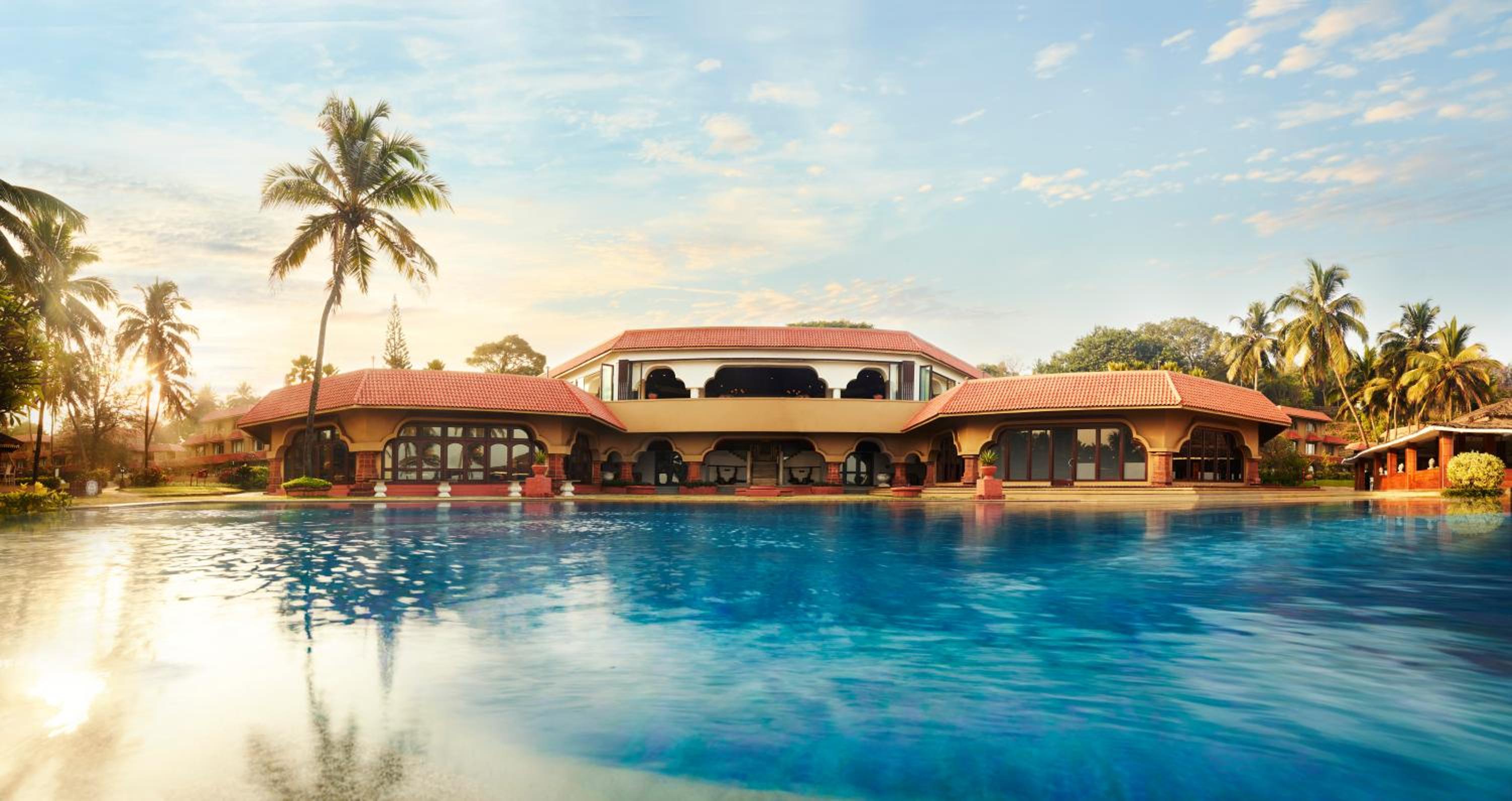
Sinquerim, north
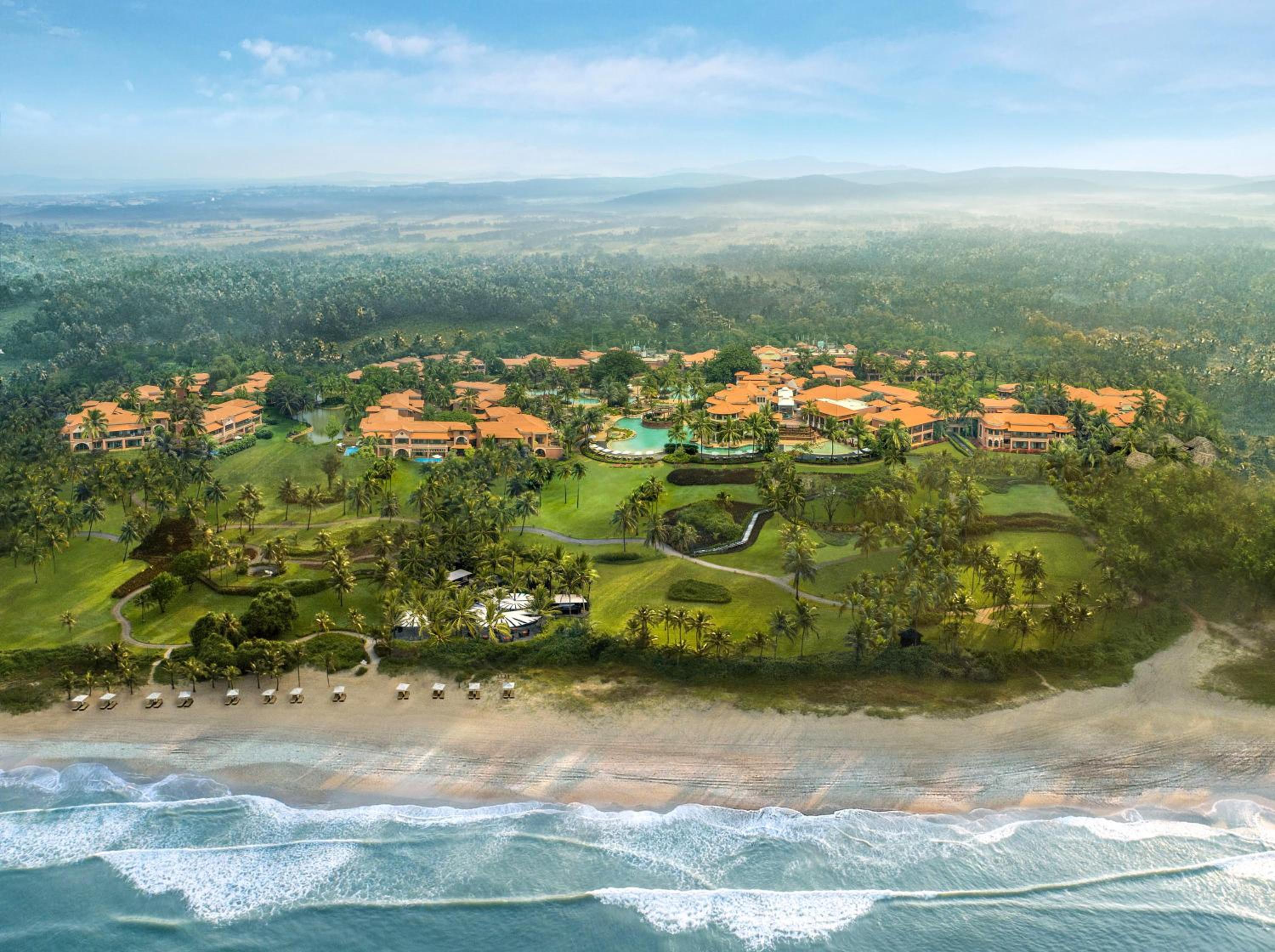
A village of red-roofed buildings running to the sand
Explore Hotel
Arossim Beach
Large south-coast estate with several pools
Explore Hotel


Benaulim, south
Golf and mature gardens on a long quiet beach
Explore Hotel

By Happi · Last updated September 2026
A little local perspective
$$ to $$$$ — roughly $150-700 a night, peaking at Christmas
Goa was Portuguese for 451 years, from 1510 until 1961, which is longer than it has been Indian. What that left is churches, whitewashed villages, a Catholic minority, a distinct cuisine built on vinegar and pork, and an architecture of verandahs and pitched tile roofs that looks nothing like the rest of the country.
It is also India's smallest state, about 100 kilometres of coastline, and it divides into two halves that have almost nothing in common.
North Goa, from Candolim up through Calangute, Baga, Anjuna, Vagator and Arambol, is the busy half. It has the markets, the beach shacks, the nightlife that made Goa's reputation in the 1970s and the trance scene that followed. The beaches are wide and crowded and the whole strip is developed.
South Goa, from Bogmalo down through Majorda, Colva, Benaulim, Cavelossim and Palolem, is the quiet half. Longer, emptier beaches, paddy fields between the road and the sand, and the large resorts on their own stretches.
Panjim, the capital, sits between them with the Latin Quarter of Fontainhas, which is a few streets of ochre and blue Portuguese houses and is the most interesting thing in Goa that is not a beach.
The drive from the far north to the far south is about two hours. Most people pick one half and stay in it.
The season is short and absolute: November to March is dry and busy, and the monsoon from June to September closes the shacks and empties the beaches entirely.
The ten below are grouped by half.
The busy half, with the markets and the nightlife.
Taj Fort Aguada Resort & Spa occupies a sixteenth-century Portuguese fort above Sinquerim beach, which is a genuinely historic building with a lighthouse and ramparts, with a beach below and a large site.
Taj Holiday Village Resort & Spa sits on the same headland as the lower-lying sister property, laid out as a village of red-roofed buildings among gardens running to the sand.
W Goa occupies a clifftop at Vagator with a beach club, a pool over the water and the liveliest ground floor in the state. It is the most design-forward hotel in Goa.
ITC Grand Goa, a Luxury Collection Resort & Spa, the former Park Hyatt Goa, sits on Arossim Beach in the south on a large estate with several pools, a spa and full family facilities.
Goa Marriott Resort & Spa occupies a position on the Miramar waterfront near Panjim with a pool, a good restaurant and the shortest walk to Fontainhas.
The quiet half. Long beaches and the large resorts.
The Leela Goa occupies 75 acres at Cavelossim between the Sal river and the sea, with a golf course, lagoons running through the grounds and a long private beach. It is the most complete resort in Goa.
Grand Hyatt Goa sits on 56 acres at Arossim with a garden, a spa, a large pool and Portuguese-influenced architecture. It is the best-run hotel in the state.
Taj Exotica Resort & Spa, Goa occupies a large site at Benaulim with a golf course, mature gardens and a long stretch of quiet sand.
Alila Diwa Goa sits at Majorda set back behind paddy fields, with a spa, a pool and a design that is more contemporary than its neighbours.
Novotel Goa Resort & Spa occupies a beachfront position in the south with a pool, straightforward comfortable rooms and the best value at this standard.
The beach shacks, guest houses and small hotels along the northern strip are excluded, and they are what Goa is actually built on. They are guest houses rather than hotels, and in the north they are a very large share of the beds.
Go to Old Goa, which was the capital until disease emptied it in the seventeenth century and now consists of enormous churches standing in open ground. The Basilica of Bom Jesus holds the remains of St Francis Xavier.
Walk Fontainhas in Panjim in the early evening, which takes an hour and is the most concentrated Portuguese architecture in Asia.
Do a market. Anjuna's Wednesday flea market and the Saturday night market at Arpora are institutions, and they are busy.
Eat Goan properly: vindaloo as it is actually made with vinegar and garlic rather than as a heat challenge, xacuti, recheado fish, and bebinca for dessert.
Take a boat on the backwaters or go inland to the Dudhsagar falls and the spice plantations, which is a different Goa entirely.
Goa has two airports: Dabolim in the centre and Mopa in the north, which opened recently and serves the northern beaches better. Check which one your flight uses, because the transfer times differ substantially.
November to March is the season, with peak rates around Christmas and New Year. April and May are hot. The monsoon from June to September closes most beach businesses and drops rates by two thirds.
Hire a scooter or a driver. Distances along the coast are longer than they look.
Prices shown are sample rates from upcoming dates — not quotes for specific dates. Open a hotel and choose your own dates and guests to see the exact price.
North for markets, nightlife and a developed strip. South for long empty beaches and large resorts. Two hours apart.
The north, in season, yes. The south has almost none of it.
June to September. The beaches empty, the shacks close and the state is green and very cheap.
Six. Longer if you are here to do nothing, which many people are.