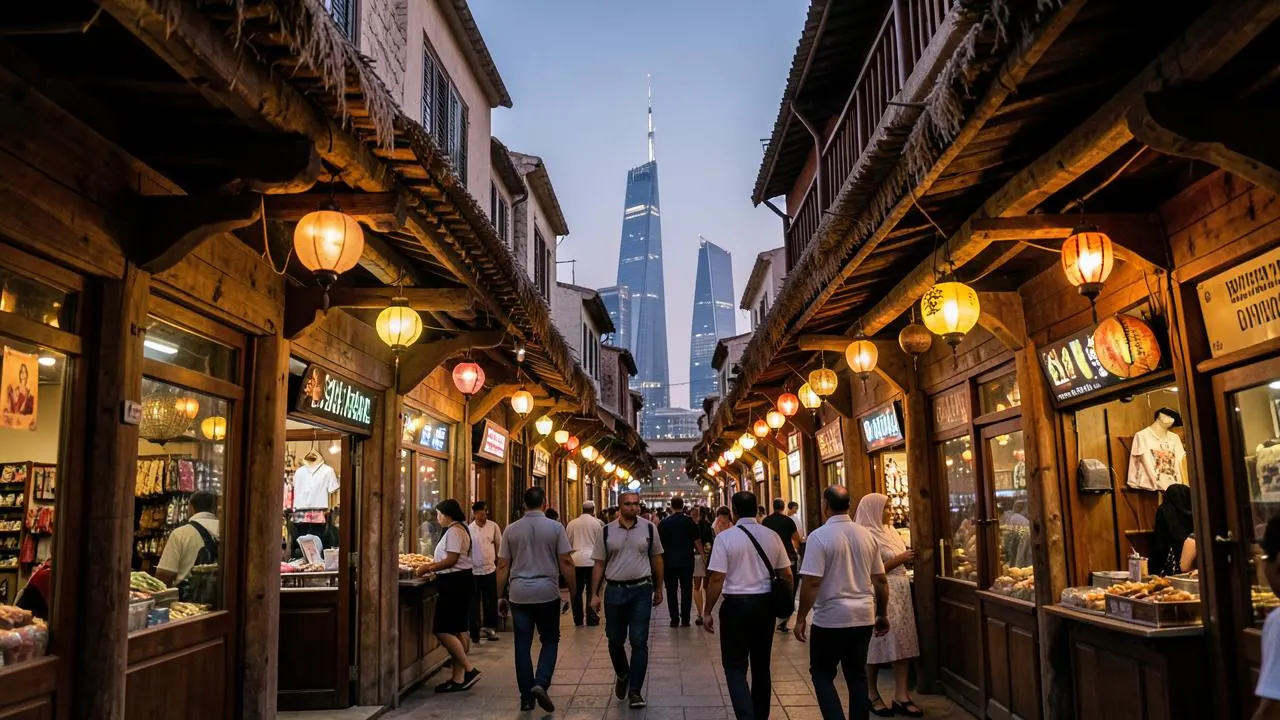
Jeddah Corniche
Waldorf Astoria Jeddah Qasr Al Sharq
A palace on the seafront with a private beach
Explore Hotel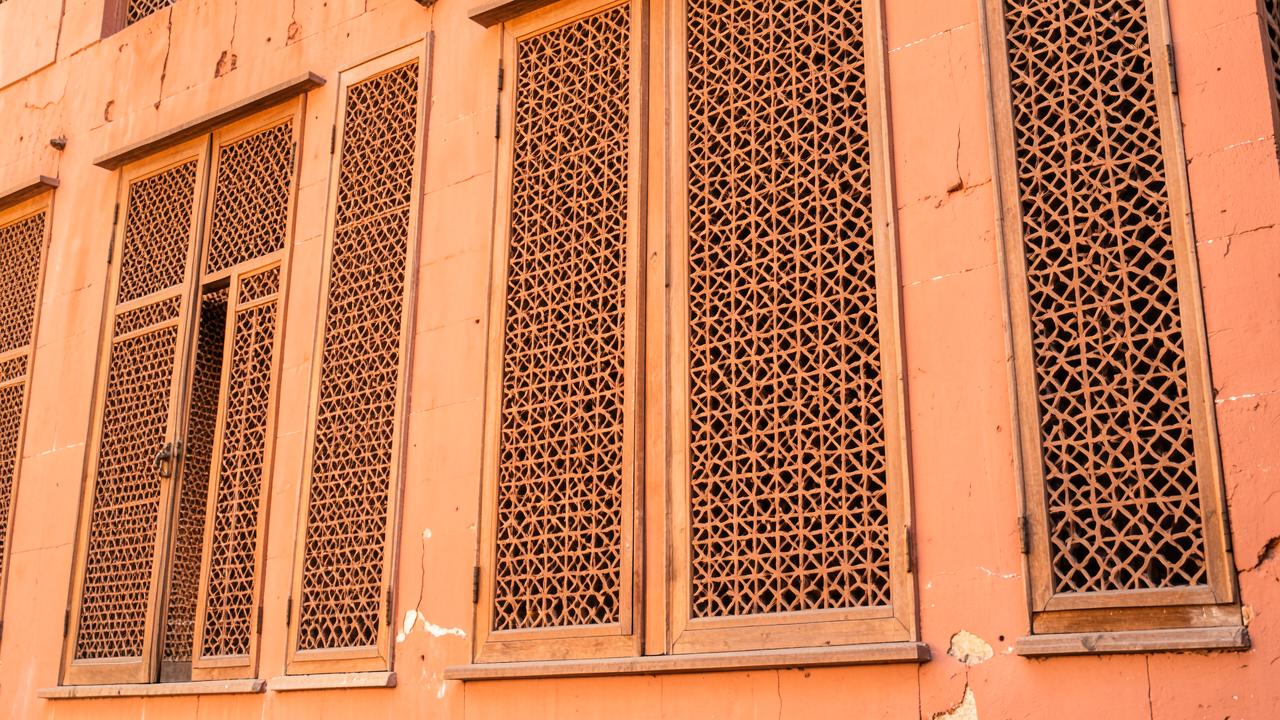

Jeddah and the Saudi Red Sea
Fossilised reef laid in courses with timber beams to absorb movement, and tall wooden screens designed to catch the sea breeze.
The places to stay
Jeddah Corniche
A palace on the seafront with a private beach
Explore Hotel

Jeddah Corniche
Contemporary rooms and a strong restaurant collection
Explore Hotel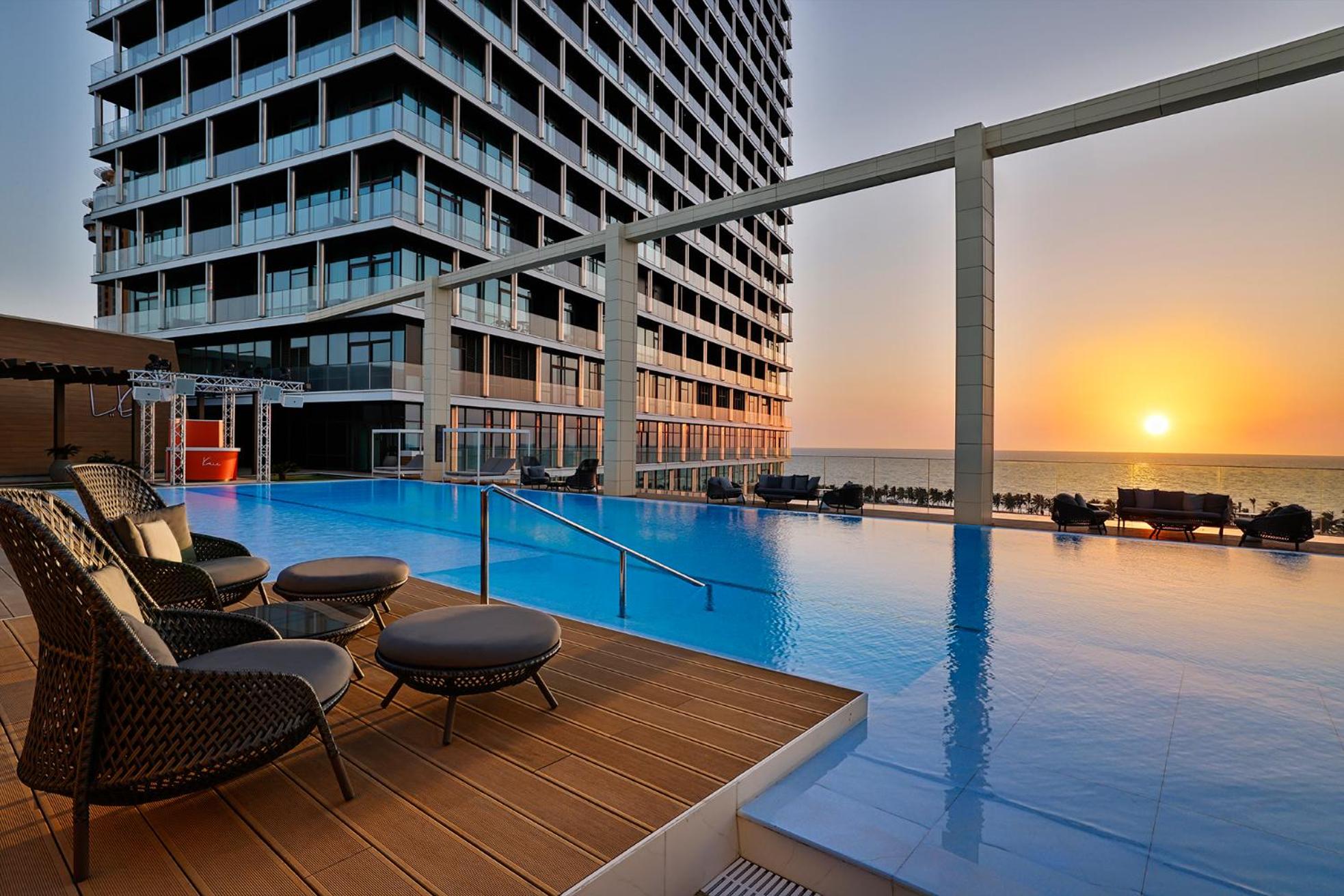

Near the Red Sea airport
A desert dune site drawn from the inland landscape
Explore Hotel
Ummahat islands
Overwater villas on a Red Sea archipelago
Check availabilityBy Happi · Last updated September 2026
A little local perspective
$$$ to $$$$ — roughly $300-1,500 a night, peaking October to April
The old houses of Jeddah are built from coral. Blocks of fossilised reef were quarried from the Red Sea shallows, laid in courses with timber tie-beams running through the walls to absorb movement, and rendered with lime — a technique used along this coast for centuries because there was very little else to build with.
Coral rag is porous, which turns out to be useful. The walls breathe, and the mashrabiya — the tall projecting wooden screens on the façades, some four and five storeys high — were designed to catch the sea breeze, filter the glare and let women see the street without being seen from it.
The district is Al-Balad, UNESCO-listed in 2014, and it needs constant maintenance because coral and timber do not last unattended in that heat and humidity. A large restoration programme has been running for several years and parts of it are scaffolded at any given time.
Saudi Arabia did not issue tourist visas until September 2019. Before that, visitors came for business, for work, or on pilgrimage to Mecca and Medina, which non-Muslims cannot enter.
So the leisure infrastructure is new, and the experience is not yet smoothed. Signage, opening hours and booking systems are inconsistent. Some things advertised as open are not. Set against that, you are looking at places that have had very few foreign visitors in living memory.
A few practical realities worth knowing before booking: alcohol is prohibited throughout the country and there are no exceptions in hotels. Dress expectations are more relaxed than they were — abaya is no longer required for foreign women — but modest dress covering shoulders and knees is expected in public for everyone. Mecca and Medina remain closed to non-Muslims and the roads in are checked.
Al-Balad is the old town, with the coral houses, the souks and the restoration.
The Corniche, along the seafront, has the newer hotels, the King Fahd Fountain and an open-air sculpture collection that includes Moore, Miró and Calder, installed in the 1970s and 80s and largely unremarked.
The Red Sea Project, several hours north near Umluj, is a new development across an archipelago of over ninety islands, with its own airport and a stated cap on visitor numbers.
Umluj and the northern coast have reefs and islands with almost nothing on them.
The seven below are grouped that way.
The city and the Corniche.
Waldorf Astoria Jeddah Qasr Al Sharq occupies a palace on the Corniche with a private beach, a spa and a scale that is considerable even by local standards.
The Ritz-Carlton, Jeddah sits on the seafront with a spa, several pools and the most polished service in the city.
Assila, a Luxury Collection Hotel occupies a building on the Corniche with contemporary rooms, a good restaurant collection and a rooftop.
Rosewood Jeddah sits on the waterfront with a spa, a pool and large rooms.
Shangri-La Jeddah occupies a position with a spa, a pool and a lower rate than the seafront landmarks.
North, in the new development.
Six Senses Southern Dunes, The Red Sea occupies an inland desert dune site near the Red Sea airport, with a spa, a pool and a design drawn from the surrounding landscape rather than the sea.
The St. Regis Red Sea Resort sits on an island in the Red Sea archipelago with overwater and beach villas and a reef offshore.
The restored houses in Al-Balad now operating as small guest houses are excluded, and a handful are the most interesting places to sleep in the city. They are guest houses rather than hotels.
Walk Al-Balad in the evening, when the heat drops and the souks open, and look up at the mashrabiya. Take a guide; the district is easier to read with one.
See the Corniche sculptures, which are genuinely major works standing unlabelled along a public seafront.
Dive or snorkel. The Saudi Red Sea has had a fraction of the pressure the Egyptian side has taken, and the reefs show it.
Eat. Jeddah is the most food-focused city in the kingdom, with a Hejazi tradition shaped by centuries of pilgrims arriving from everywhere.
Go north to Umluj for the islands if you have the days, or to AlUla, which is a separate trip and worth one.
Jeddah's airport is a major hub with heavy pilgrimage traffic. The Haramain high-speed railway runs to Medina.
October to April is the season. Summer is extremely hot and humid on the coast. Ramadan changes opening hours substantially across the country and is worth planning around either way.
Tourist visas are available online for many nationalities. Check the current position before booking.
Coral blocks quarried from the Red Sea with timber tie-beams, rendered in lime, with tall wooden mashrabiya screens on the façades.
No. It is prohibited throughout the country with no hotel exceptions.
No. Mecca and Medina are closed to non-Muslims and access roads are checked.
Three in Jeddah, or seven combining it with the Red Sea coast or AlUla.
The next chapter