Central Fukuoka
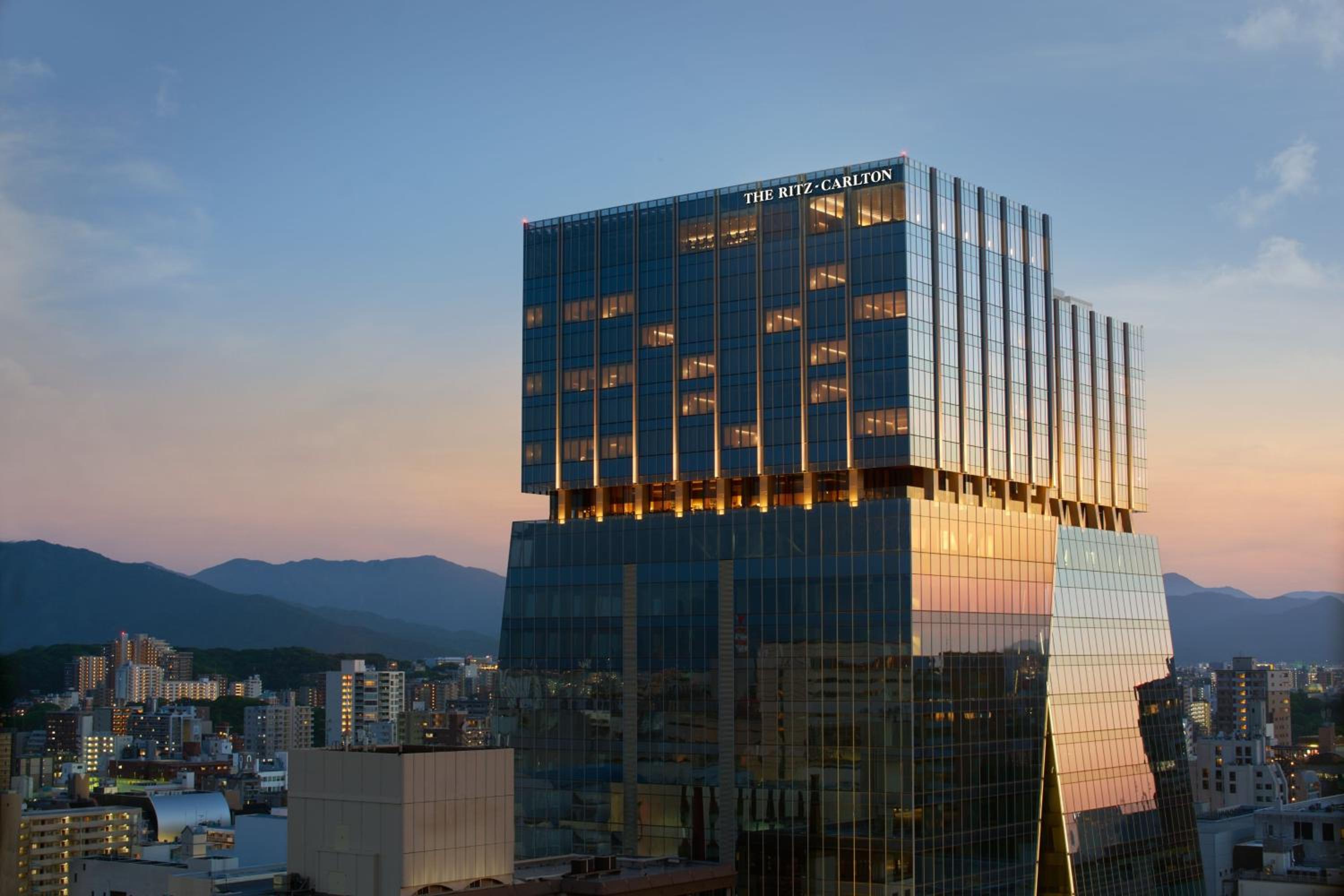
The Ritz-Carlton, Fukuoka
Spa and pool with the island's most polished service
Explore Hotel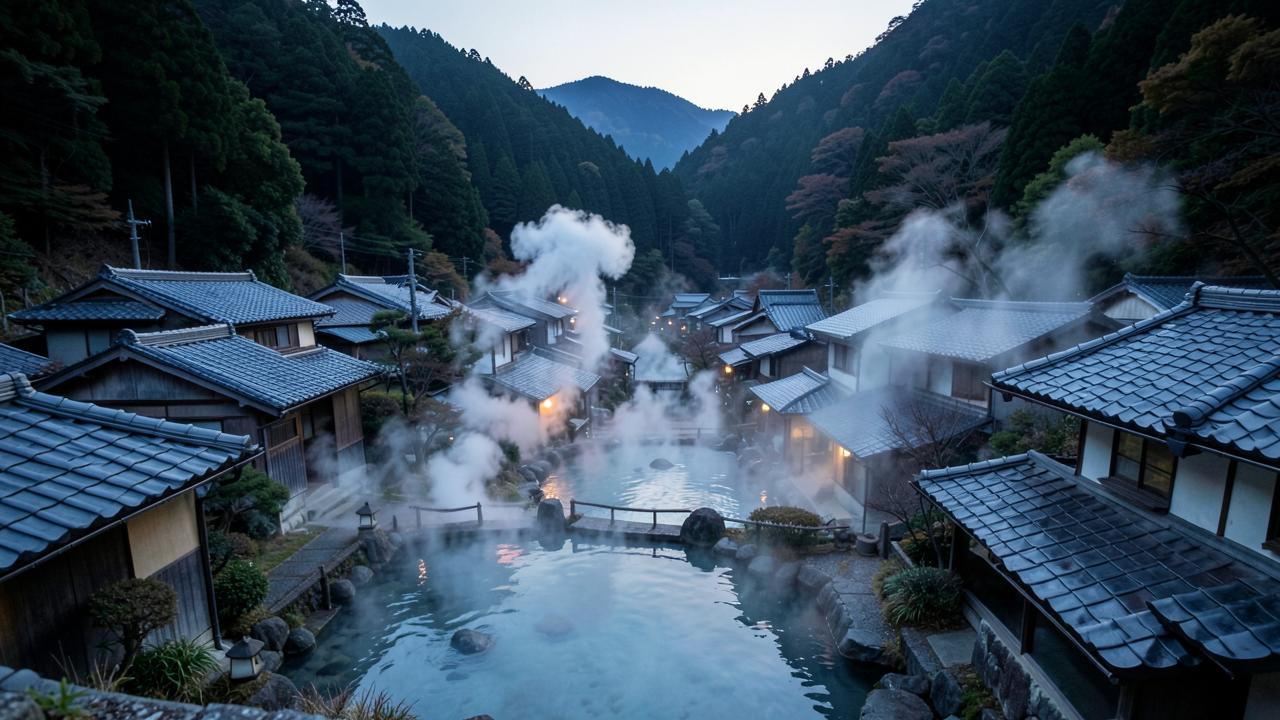

Fukuoka and Kyushu, Japan
Steam rising from drains and the gaps between houses, from around 2,200 vents. Eight of the ponds are too hot to enter and are kept for looking at.
The places to stay
Central Fukuoka
Spa and pool with the island's most polished service
Explore Hotel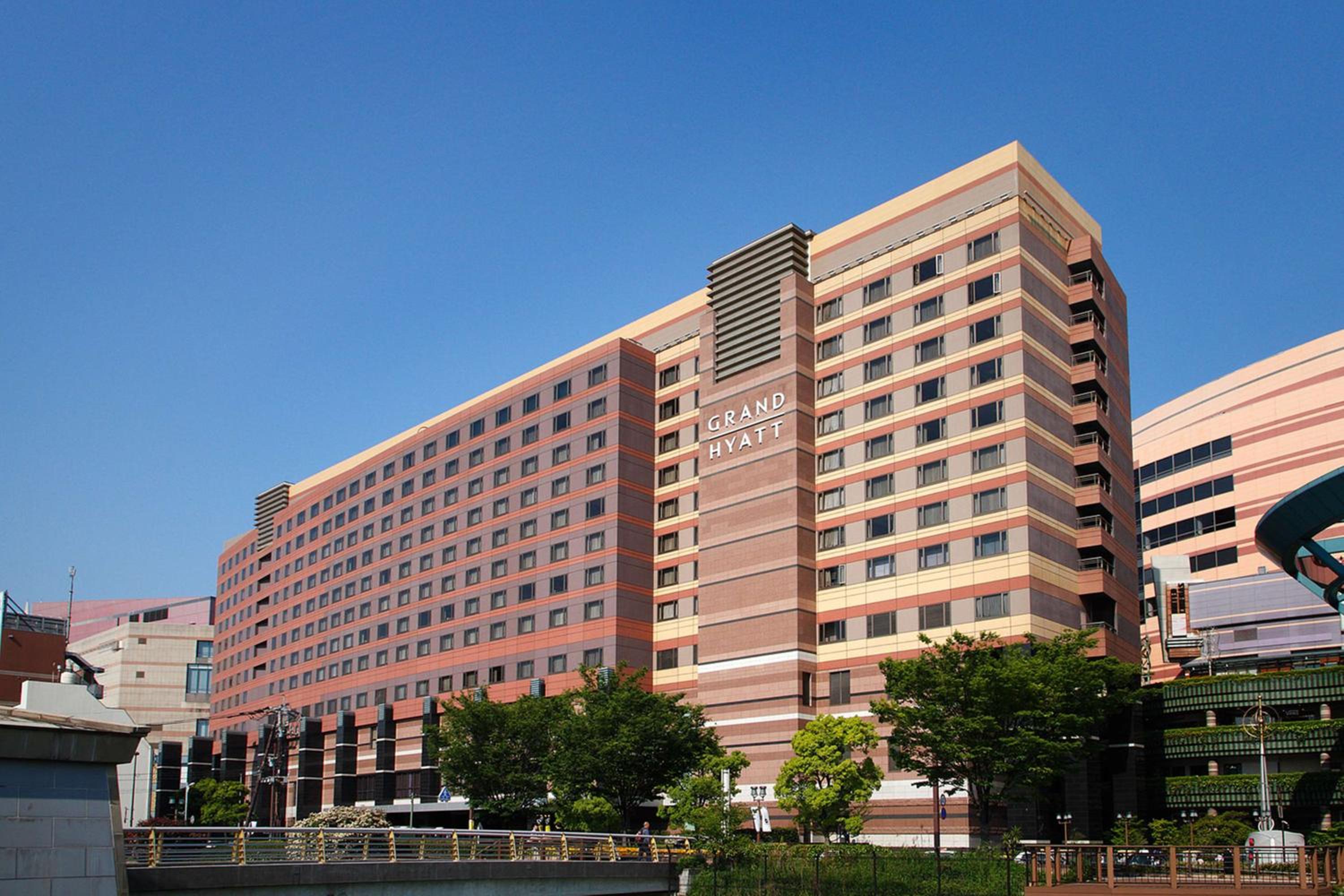
Hakata waterside
Design-led with a small room count and a quieter tone
Explore Hotel


Above Nagasaki harbour
A Kengo Kuma building of glass, water and timber
Explore HotelBy Happi · Last updated September 2026
A little local perspective
$$$ to $$$$ — roughly 35,000-120,000 yen a night, ryokan usually with meals
Beppu discharges more hot spring water than anywhere on earth except Yellowstone — roughly 130,000 tonnes a day from something in the order of 2,200 vents. The town sits on the flank of a volcano and steam rises from drains, gutters and the gaps between houses, which is not a spectacle laid on for anyone; it is simply what the ground does here.
Some of it is far too hot to bathe in. The jigoku, the hells, are eight boiling ponds kept for viewing rather than bathing — one is cobalt blue from dissolved iron sulphate, one is blood red from iron oxide, one erupts as a geyser every half hour or so. Locals used them to steam food for centuries and still do.
Japan's third-largest island sits at the southwestern end of the country and takes a fraction of the visitors that Honshu does, despite being three hours from Tokyo by bullet train and holding most of the country's geothermal activity.
Fukuoka is the main city and the reason a lot of Japanese people rate it above Tokyo for food. It has the yatai — around a hundred mobile food stalls that are wheeled onto the street at dusk, set up counters for eight or ten people, serve ramen, grilled skewers and shochu until the small hours, and are packed away before morning. No other Japanese city has kept the tradition at that scale.
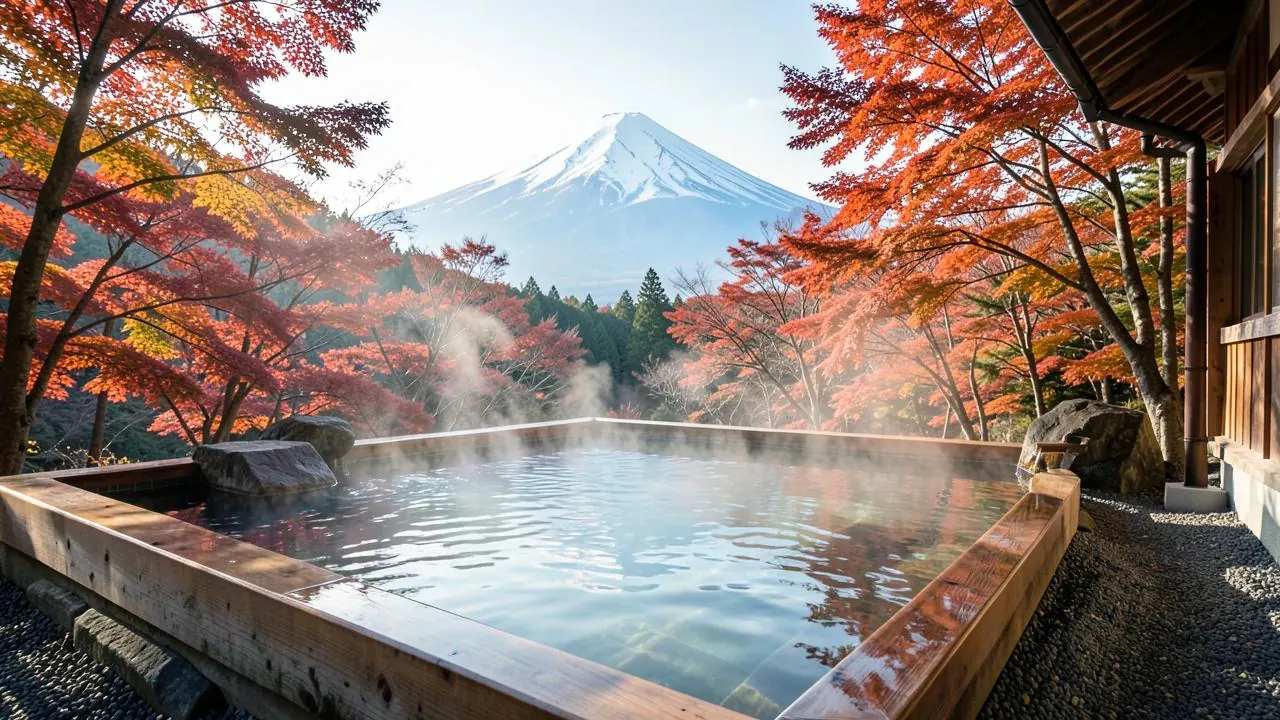
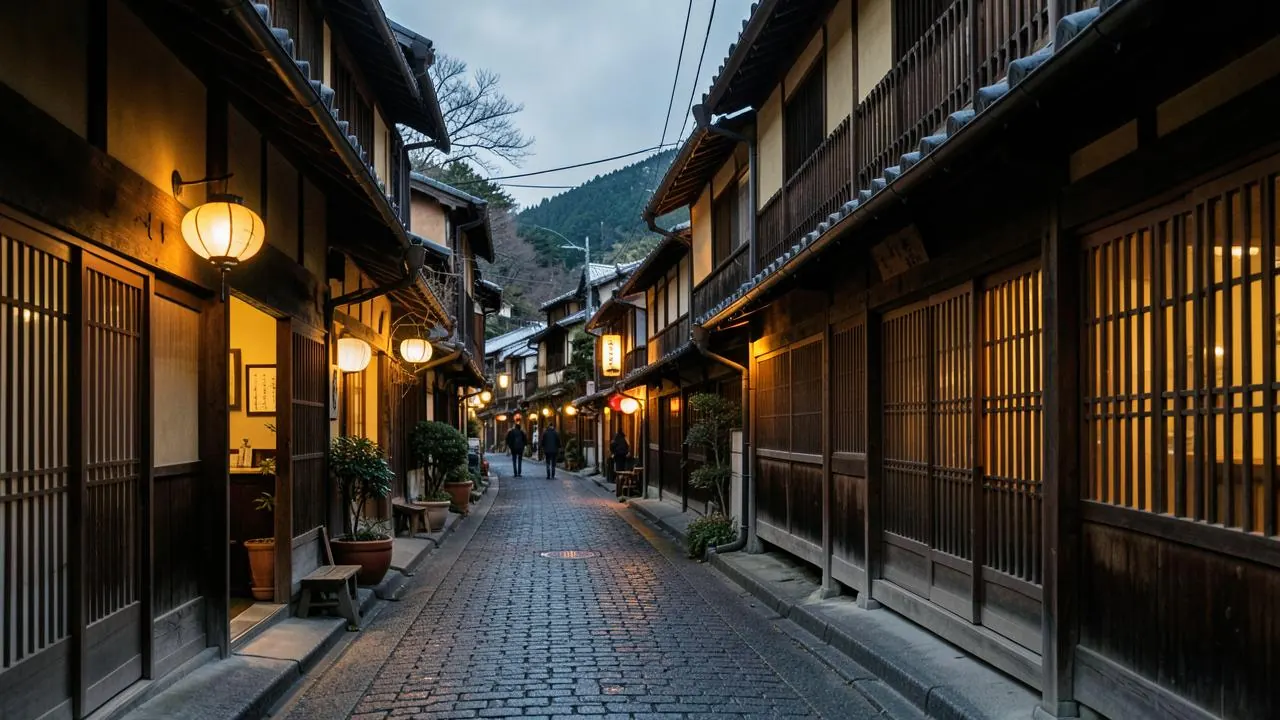
Yufuin and Beppu, ninety minutes east, are the two onsen towns. Yufuin is a quiet valley of ryokan below a twin-peaked volcano; Beppu is a working town sitting on the vents.
Nagasaki, two hours southwest, was Japan's only window to the outside world for two centuries under the closed-country policy, through a Dutch trading post on an artificial island in the harbour. The atomic bomb museum and peace park are there and should be given proper time.
Kumamoto and Aso, in the middle, have the castle and the largest volcanic caldera in Japan, 25 kilometres across with towns and farms inside it.
The nine below are grouped that way.
The city and the yatai.
The Ritz-Carlton, Fukuoka occupies the upper floors of a recent tower in the centre with a spa, a pool and the most polished service on the island.
Grand Hyatt Fukuoka sits above Hakata station with a large spa, several restaurants and the shortest transfer for the bullet train.
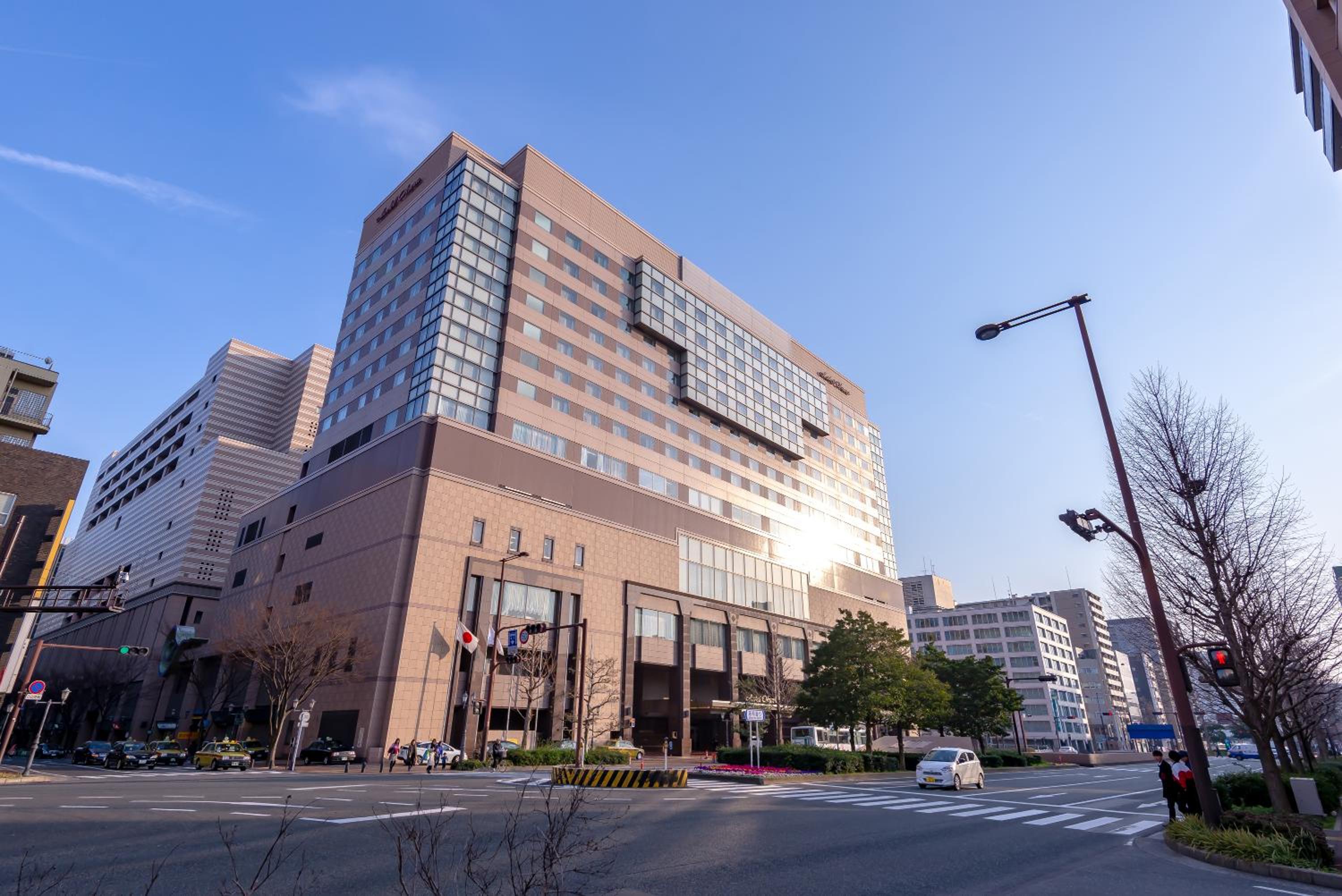
Hotel Okura Fukuoka occupies a long-established position near Nakasu, the island in the river where most of the yatai set up, with a pool and a good kitchen.
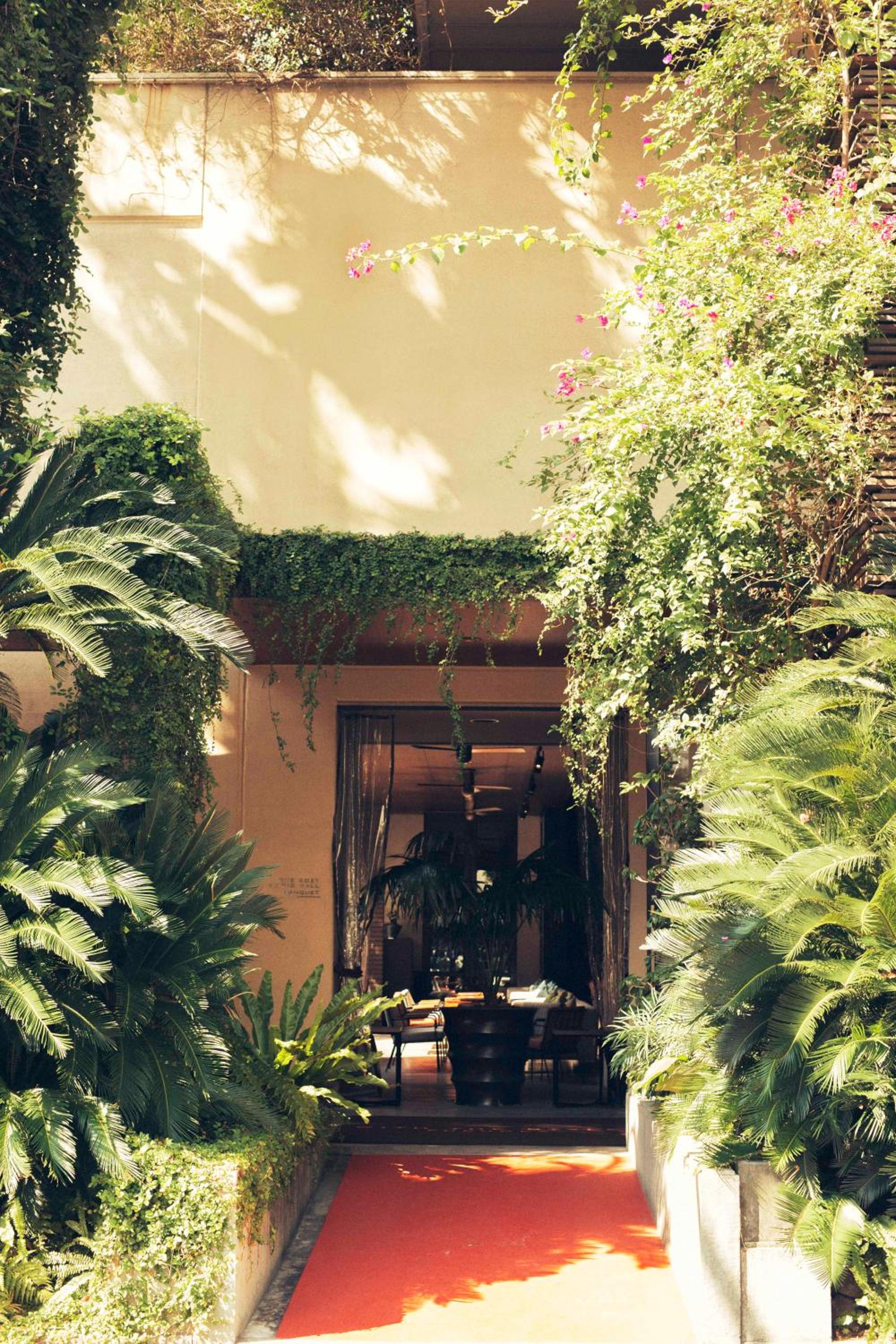
With The Style Fukuoka sits by the water with a design-led interior, a small room count and a quieter tone.
The onsen valley, ninety minutes east.
Sansou Murata occupies a group of separate houses spread through a village at the foot of Mount Yufu, each with its own bath, linked by lanes with a bakery and a bar the owners also run. It is the most admired ryokan in Kyushu.
KAI Yufuin sits in the same valley in a modern ryokan built around a stream, with private open-air baths and a set kaiseki dinner.
The town on the vents.
KAI Beppu occupies a hillside above Beppu with baths looking over the bay, a scale that is unusual for a ryokan and a view of the steam rising from the town below.
Suginoi Hotel sits on the Beppu seafront with several bath types, a large pool and full family facilities.
The old trading port.
Garden Terrace Nagasaki occupies a hillside above Nagasaki harbour in a Kengo Kuma building of glass, water and timber, with the port below and a view of the bridge.
The small family ryokan across Yufuin and Kurokawa are excluded, and in onsen country they are the traditional way to stay, often with only six or eight rooms. They are guest houses rather than hotels at this standard.
Eat at a yatai in Fukuoka. Sit at a counter, order tonkotsu ramen — the pork bone broth was invented here — and accept that you will be shoulder to shoulder with strangers.
See the Beppu hells, which takes about two hours for the main cluster, and then bathe somewhere separate. The hells themselves are not for bathing.
Go to Nagasaki and give the Atomic Bomb Museum and the Peace Park a full morning. Then see Dejima, the reconstructed Dutch trading post, and Glover Garden.
Ride the Yufuin no Mori, a wood-panelled sightseeing train from Fukuoka into the onsen valley, and book it ahead because it fills.
Drive into the Aso caldera, 25 kilometres across, with an active cone in the middle and farmland on the floor. Access to the crater rim depends on gas levels and is closed at short notice.
Fukuoka's airport is remarkably close to the centre — about five minutes by subway from the terminal to Hakata station. The Shinkansen reaches Tokyo in around five hours and Osaka in two and a half.
Spring and autumn are best. Summer is hot and humid; Kyushu is also on the typhoon track from roughly July to September. Winter is mild at sea level and the onsen towns are at their best in cold weather.
Ryokan rates usually include dinner and breakfast. Compare on that basis.
No. They are viewing ponds and are far too hot. Bathing happens in the town's ordinary onsen.
A mobile food stall wheeled onto the street at dusk with a counter for eight or ten people. Fukuoka has about a hundred, more than anywhere in Japan.
Yufuin for a quiet ryokan valley, Beppu for the geothermal spectacle and the scale. Twenty minutes apart.
Five. Two in Fukuoka, two in onsen country and one in Nagasaki.