Kathmandu
Dwarika's Hotel
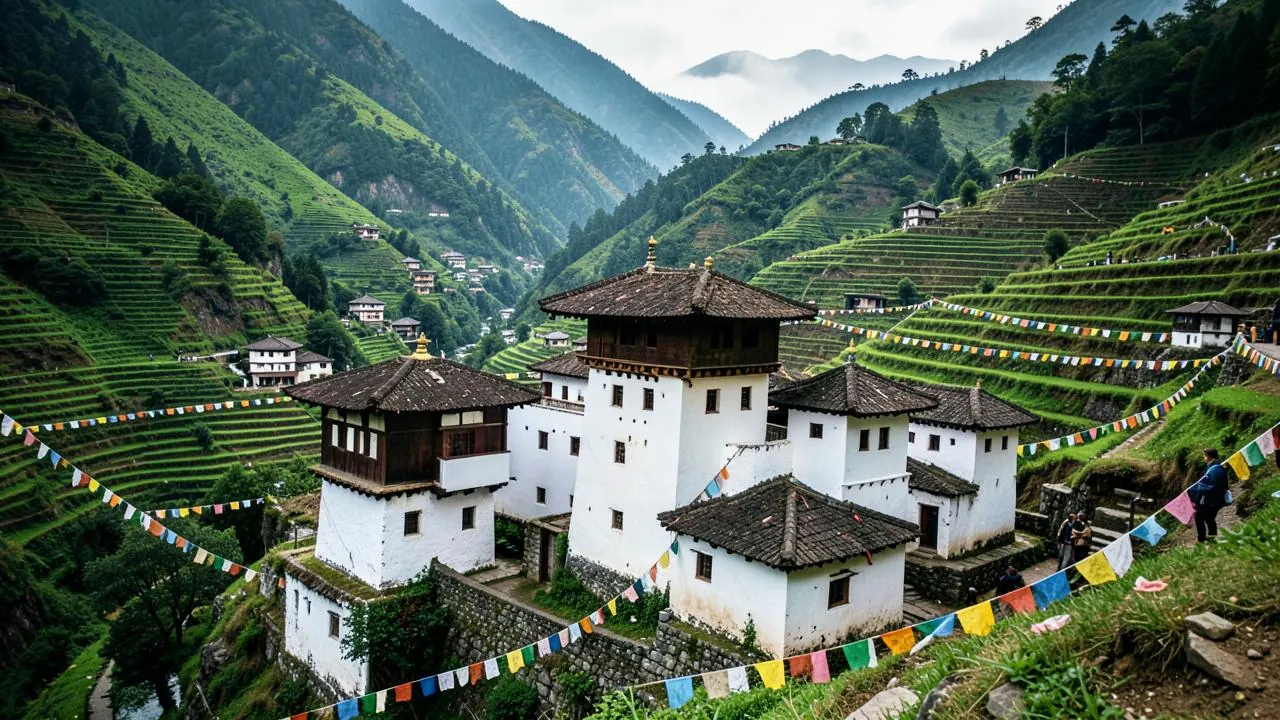
Built around salvaged Newari woodwork as a conservation project
Explore Hotel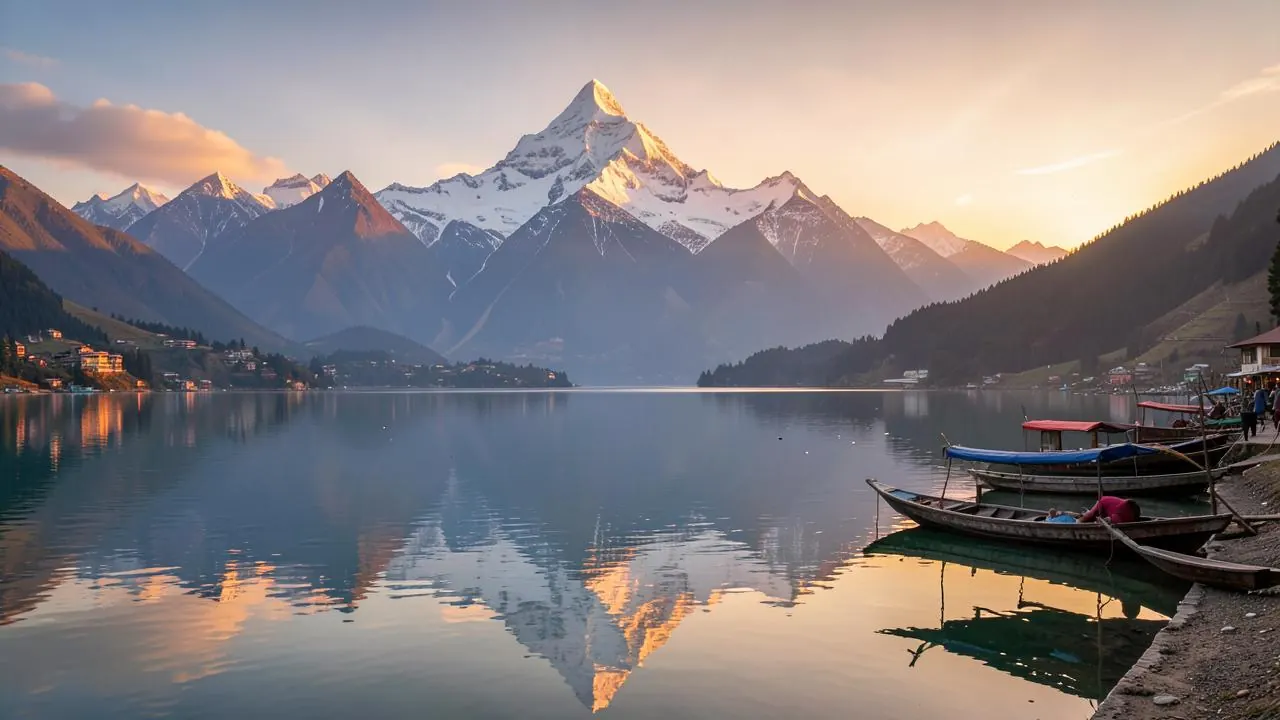

Kathmandu and Pokhara, Nepal
Nowhere else lets you see that much vertical relief from somewhere reachable by road. The word clear is doing a lot of work in that sentence.
The places to stay
Kathmandu
Built around salvaged Newari woodwork as a conservation project
Explore Hotel


Dhulikhel, valley rim
Terraced hillside with an organic farm and a Himalayan panorama
Explore Hotel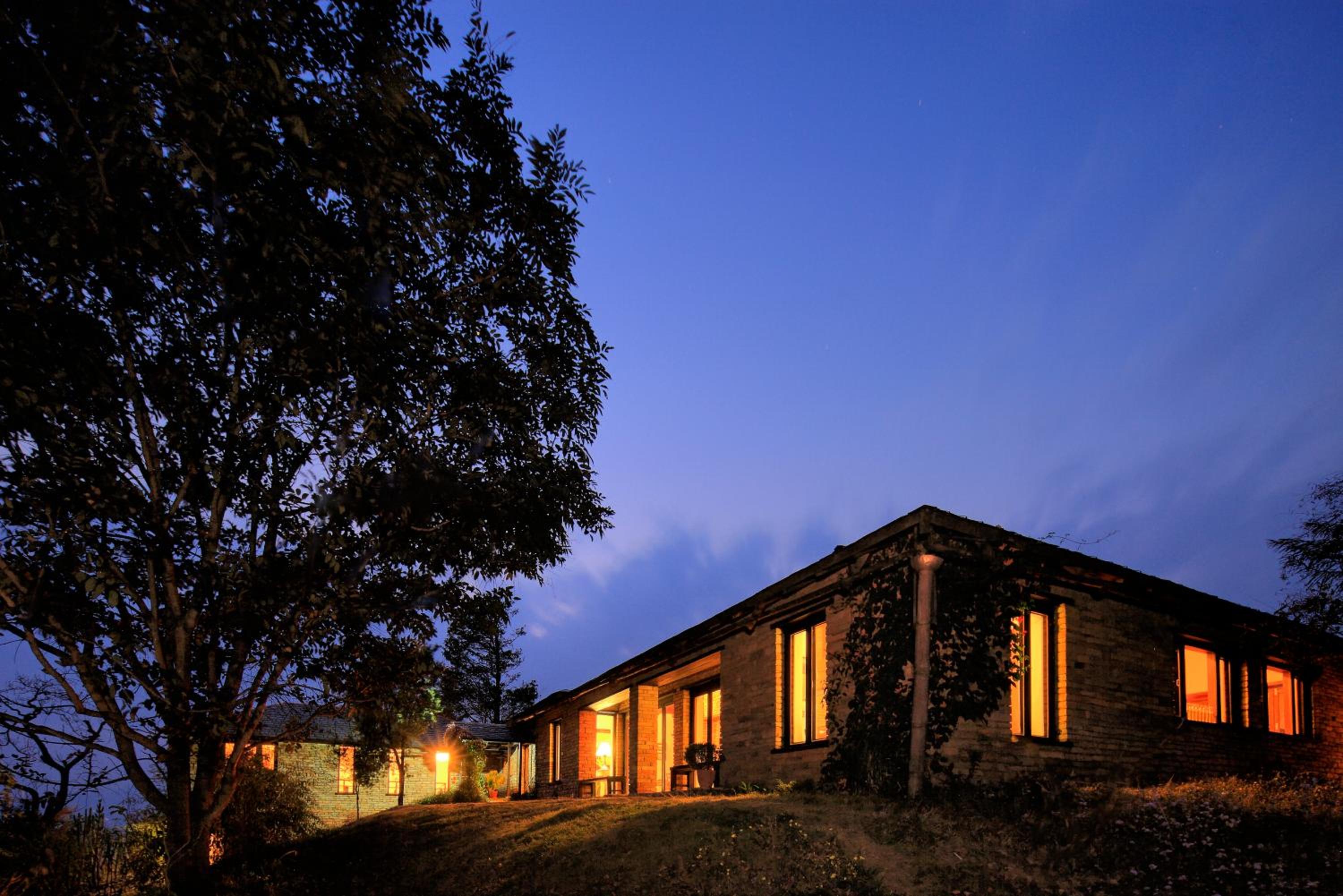
Ridge above Pokhara
Stone cottages with Machhapuchhre from the terrace
Explore Hotel

By Happi · Last updated September 2026
A little local perspective
$$ to $$$$ — roughly $120-600 a night, peaking October and November
Pokhara sits at about 820 metres on a lake, and the Annapurna range rises from that valley floor to over 8,000 metres within 30 kilometres. Machhapuchhre, the fishtail peak, is 6,993 metres and unclimbed by decree. On a clear morning the whole wall of them is visible from the lakeside, and there is nowhere else in the world where you can see that much vertical relief from a place you can drive to.
The word clear is doing a lot of work in that sentence. The mountains are visible on perhaps a minority of mornings across the year and reliably in autumn and winter. In spring the haze from agricultural burning across the plains can hide them for weeks.
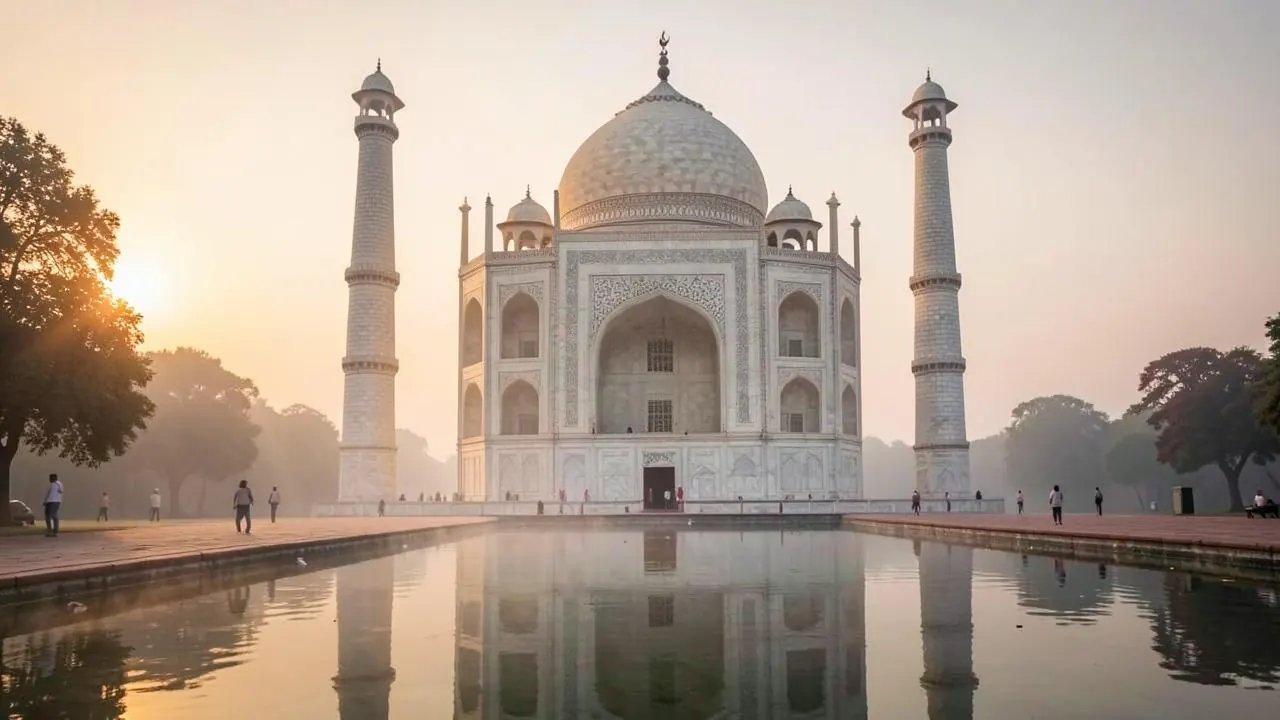
Kathmandu is the capital, at 1,400 metres, dense and loud, with the Durbar Squares, Boudhanath stupa and Pashupatinath. It has the international airport and it is where trips begin.
The Kathmandu Valley around it holds Bhaktapur and Patan, two former royal cities with their own Durbar Squares that are considerably better preserved than the capital's, and Nagarkot and Dhulikhel on the rim with mountain views.
Pokhara is 200 kilometres west: 25 minutes by air, or six to seven hours by road on a route whose condition varies. It is the trekking base for the Annapurna circuit and the basin below the peaks, and it is far more relaxed than Kathmandu.
An honest note: the 2015 earthquake caused severe damage across the Kathmandu Valley, including to the Durbar Squares and many temples. Reconstruction has been substantial but is ongoing and uneven, and some monuments remain scaffolded or closed. Check what is open before building a day around a specific site.
The seven below are grouped by place.
The capital, at 1,400 metres.
Dwarika's Hotel occupies a compound built around a collection of carved wooden windows, doors and struts salvaged from demolished Newari buildings over decades, with a courtyard pool and a museum's worth of woodwork in the fabric of the hotel itself. It is one of the more remarkable hotels in Asia and it is a conservation project as much as a business.
Hyatt Regency Kathmandu sits in central Kathmandu with a large garden, a pool, a spa and the most reliable facilities in the city.
Hotel Yak & Yeti occupies a site incorporating a former Rana palace with gardens, a pool and a long-standing position as the capital's established hotel.
Dhulikhel and Nagarkot, an hour east, with the mountain views.
Dwarika's Resort Dhulikhel occupies a hillside at Dhulikhel with terraced buildings, a spa, an organic farm and a Himalayan panorama on clear mornings. It is a genuine change of air from the city.
Two hundred kilometres west, under the Annapurnas.
Tiger Mountain Pokhara Lodge sits on a ridge above the Pokhara valley at around 1,000 metres, with stone cottages in gardens, no televisions and views to Machhapuchhre and the Annapurnas. It is the best mountain-view property in Nepal.
The Pavilions Himalayas occupies a valley site outside Pokhara with cottages, an organic farm, a pool and a quiet setting.
Temple Tree Resort & Spa sits by Phewa lake in Pokhara with a garden, a pool and the shortest walk to the lakeside strip.
The trekking lodges and teahouses along the Annapurna and Everest routes are excluded. They are the accommodation for the walking that most people come to Nepal for, and they are basic lodges rather than hotels.
Fly in the morning. Pokhara flights and mountain views are both better before the cloud builds, and the scenic flight along the Everest range from Kathmandu leaves at dawn.
See Bhaktapur and Patan rather than only Kathmandu Durbar Square. Both are better preserved and Bhaktapur in particular is a complete medieval city.
Walk to Sarangkot above Pokhara for sunrise on the Annapurnas, or paraglide from it, which Pokhara is one of the world's best places to do.
Trek, even briefly. The Poon Hill route from Pokhara takes four to five days and reaches 3,200 metres with a full Annapurna panorama, and it does not require technical experience.
Visit Boudhanath at dusk, when Tibetan pilgrims circle the stupa, and Chitwan in the lowlands for rhino and possibly tiger.
Kathmandu's airport is the international gateway, with connections through Delhi, Doha, Bangkok and Kuala Lumpur. Domestic flights are weather-dependent and delays are routine.
October and November are the best months: clear air after the monsoon, stable weather, and the trekking season. March and April are warm with rhododendrons but often hazy. The monsoon runs June to September. December to February is cold and clear at altitude.
Air quality in Kathmandu is poor for much of the dry season. Altitude matters if you are trekking; take it slowly.
Prices shown are sample rates from upcoming dates — not quotes for specific dates. Open a hotel and choose your own dates and guests to see the exact price.
In October and November, very likely. In spring, haze often hides them for long stretches. It is genuinely weather-dependent.
Reconstruction has been substantial and is ongoing. Some monuments remain closed or scaffolded; check before planning a day around one.
Kathmandu for the temples and the valley cities, Pokhara for the mountains and the air. Twenty-five minutes apart by plane.
Seven. Three in the valley and four in Pokhara, or longer if you are trekking.