Blasieholmen quay
Grand Hôtel Stockholm
Facing the palace with the archipelago boats outside
Explore Hotel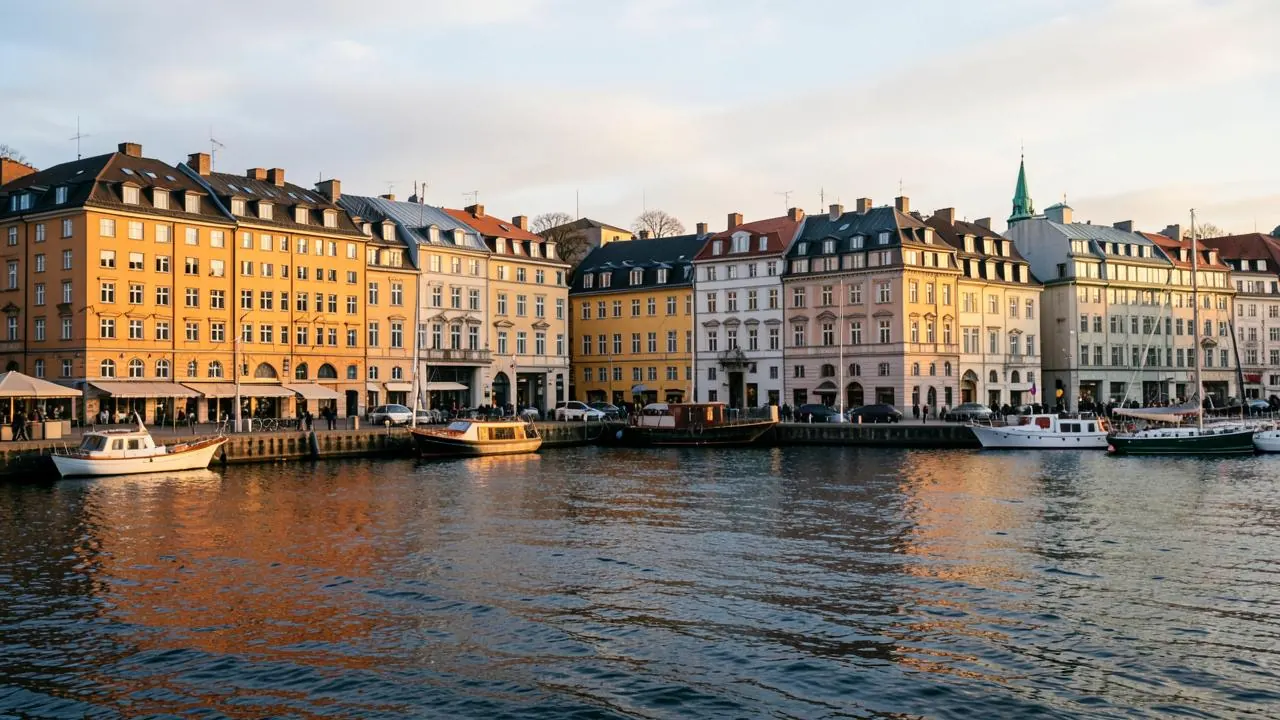

Stockholm, Sweden
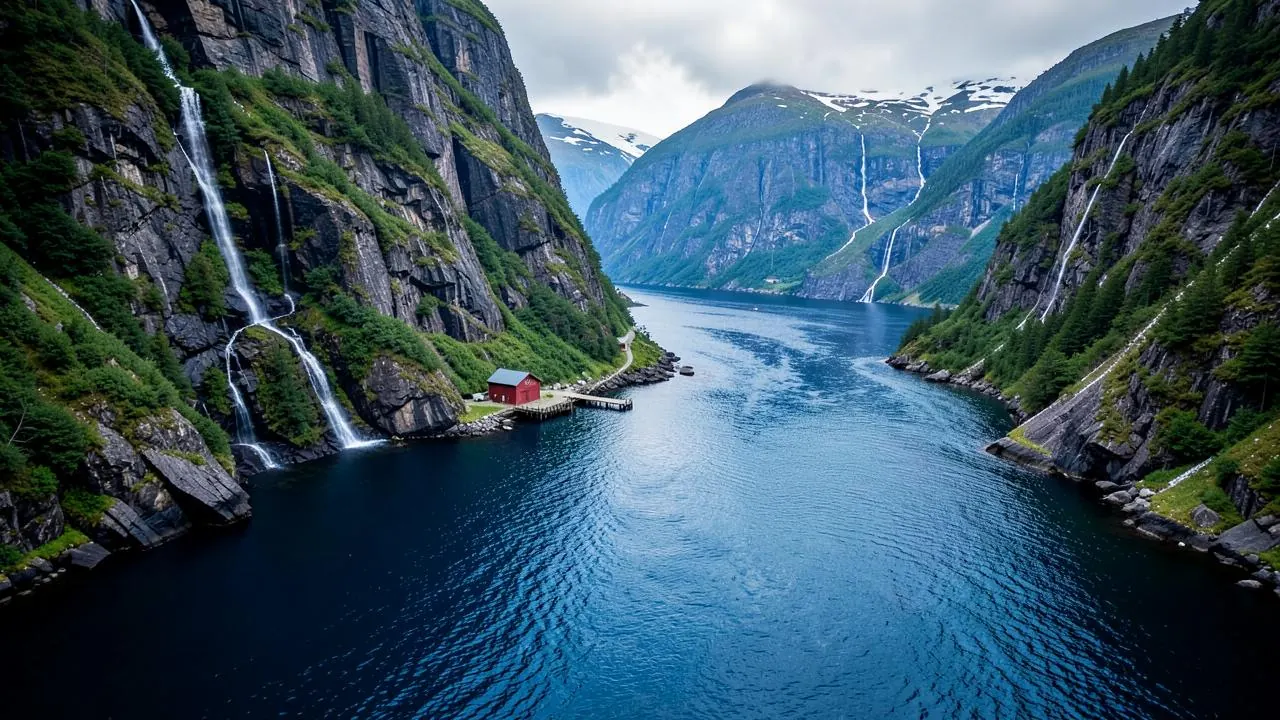
A third water, a third parks and a third built. The water is clean enough to swim in and to fish salmon from, in the middle of the capital.
The places to stay
Blasieholmen quay
Facing the palace with the archipelago boats outside
Explore Hotel


Mariatorget, Södermalm
A 1937 functionalist building with a cinema downstairs
Explore HotelBy Happi · Last updated September 2026
A little local perspective
$$$ to $$$$ — roughly 3,000-7,000 kronor a night, peaking June to August
Stockholm is built on fourteen islands where Lake Mälaren meets the Baltic, and the archipelago beyond it holds around 30,000 more. The city is roughly a third water, a third parks and a third built, which is why it feels less dense than its population suggests.
The practical consequence is the boats. Public ferries run as part of the transport network, commuter services connect the central islands, and the archipelago boats leave from the quay in front of the Grand Hôtel. In summer a boat is frequently the fastest way across the city and always the most pleasant.
The water is also clean enough to swim in and to fish for salmon in, in the middle of the capital, which is a piece of environmental policy that took decades.
Norrmalm is the modern commercial centre north of the water, with the shopping and the station.
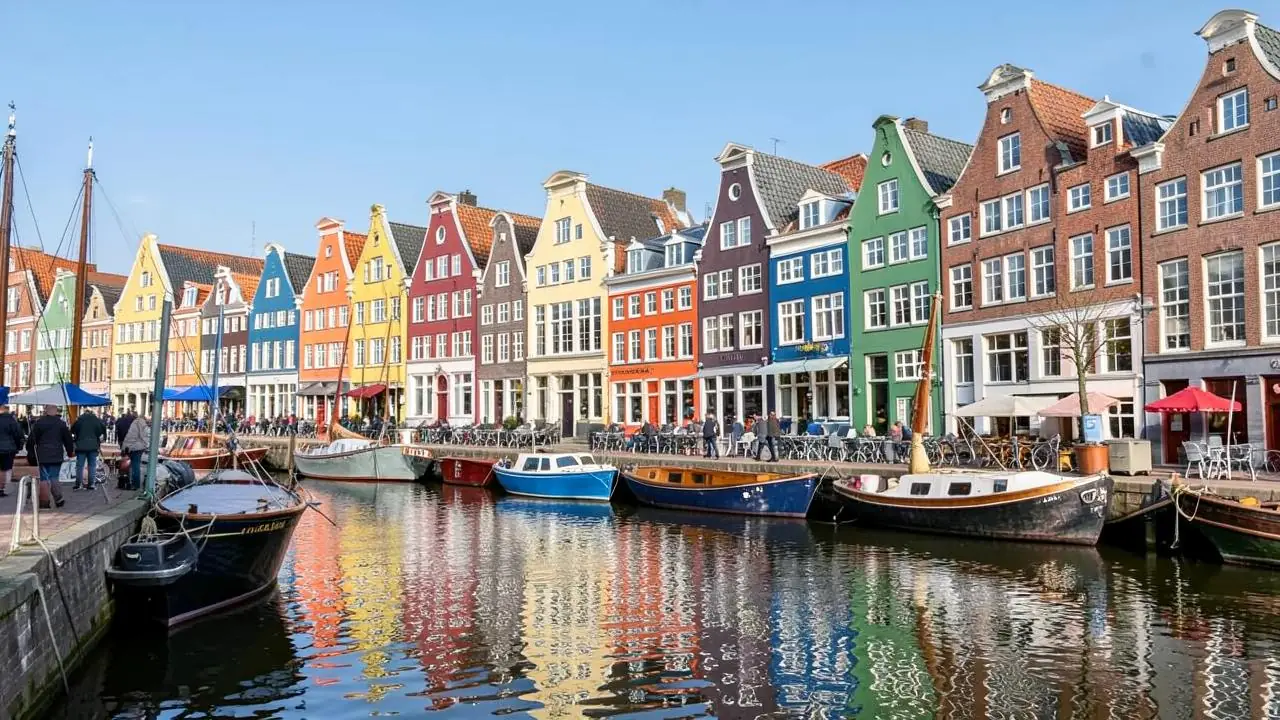
Gamla Stan is the medieval old town on its own island: ochre and rust-coloured buildings, the palace, and lanes narrow enough that two people pass sideways.
Blasieholmen and Skeppsholmen sit between them, with the Grand Hôtel, the National Museum and the Moderna Museet.
Östermalm, east, is the wealthy residential quarter with the food hall, the embassies and the best restaurants.
Södermalm, south, is the former working-class island now full of bars, vintage shops and viewpoints back at the old town. It is where a lot of the city's life is.
Djurgården is the park island, with the Vasa Museum, Skansen and the Abba museum, reached by a two-minute ferry.
The eleven below are grouped by island.
Facing the palace across the water, where the archipelago boats leave.
Grand Hôtel Stockholm occupies the 1874 building on the quay directly opposite the royal palace, with the archipelago boats outside, a spa and a veranda that is the city's meeting room. It is the grand hotel of Scandinavia.
Lydmar Hotel sits beside it in a smaller property with a bar that has been a Stockholm institution for years, an art collection and rooms looking across at the palace.
Bank Hotel occupies a converted 1910 bank on Blasieholmen with a rooftop bar over the water and the most contemporary rooms in the centre.
The commercial core, walkable to everything.
Nobis Hotel occupies two converted nineteenth-century buildings on Norrmalmstorg, including a former bank, with a courtyard atrium and a very good restaurant.
At Six sits on Brunkebergstorg with a large art collection, a rooftop bar and a design-led interior across eight floors.
The wealthy quarter, with the food hall and the restaurants.
Ett Hem occupies a townhouse in a residential street with twelve rooms, a conservatory kitchen where guests eat with the staff, and no reception desk. It is the most personal hotel in Sweden and it books a long way ahead.
Hotel Diplomat sits on Strandvägen, the waterfront boulevard, in a 1911 art nouveau building with rooms over the quay and the ferries.
Villa Dagmar occupies a position beside the Östermalm food hall with a courtyard, a spa and a design that references the market.
The old town and the museum island.
Hotel Reisen occupies a seventeenth-century building on the Gamla Stan waterfront with vaulted cellars, a spa and rooms facing the water.
Hotel Skeppsholmen sits on Skeppsholmen in a 1699 building that housed the naval barracks, on a car-free island a few minutes from the centre with the Moderna Museet next door.
South, where the city's life is.
Hotel Rival occupies a 1937 functionalist building on Mariatorget with a cinema in the basement and rates below the central hotels.
The apartment rentals across the central islands are excluded, and Stockholm has a substantial supply serving long-stay visitors. They are apartments rather than hotels.
Get on a boat. The archipelago tours from the quay run from an hour to a full day, and Vaxholm, Grinda and Sandhamn are all reachable. In summer the light lasts until eleven at night and the trip back is the best part.
See the Vasa, a warship that sank on its maiden voyage in 1628 in the harbour, was raised in 1961 and is now 98 percent original in a purpose-built museum. It is the best museum object in northern Europe.
Walk Gamla Stan early, before the coaches, and go up to the Monteliusvägen path on Södermalm for the view back across the water at it.
Eat at the Östermalm food hall and swim off Långholmen or Smedsuddsbadet in summer, in the middle of the city.
In winter the archipelago freezes in places and the city does dark extremely well: candles, saunas and long lunches.
Arlanda is 20 minutes by express train to the central station. Bromma is closer and mostly domestic.
June to August has the long light and the archipelago season, with midsummer in late June. September and May are quiet and pleasant. Winter is dark, cold and considerably cheaper, with the city at its most atmospheric in December.
The public transport card covers the commuter ferries, which most visitors do not realise.
Prices shown are sample rates from upcoming dates — not quotes for specific dates. Open a hotel and choose your own dates and guests to see the exact price.
Yes, in several places. The water quality was fixed over decades and salmon run through the middle of the capital.
Blasieholmen or Norrmalm for the centre and the boats, Östermalm for restaurants, Södermalm for value and atmosphere.
At least one. Boats leave from the central quay and the near islands are an hour away.
Four. Three for the city and one for the archipelago.