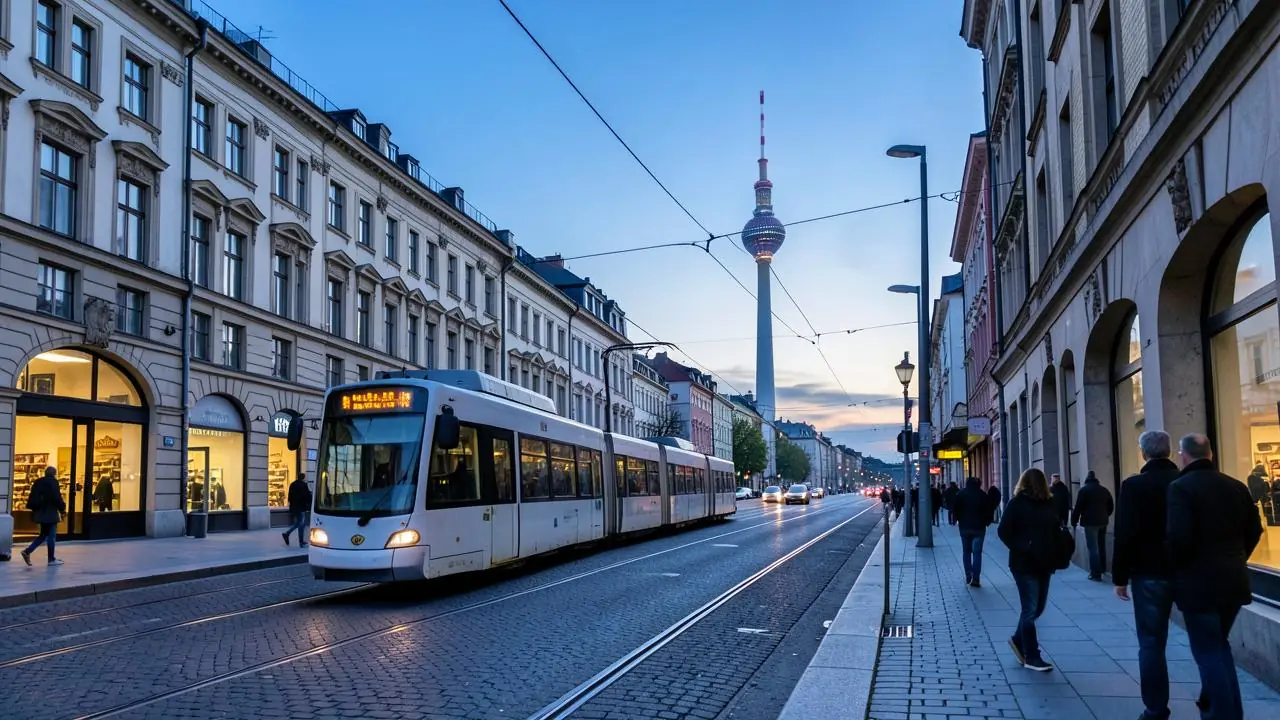
Toldbodgade, inner harbour
Copenhagen Admiral Hotel
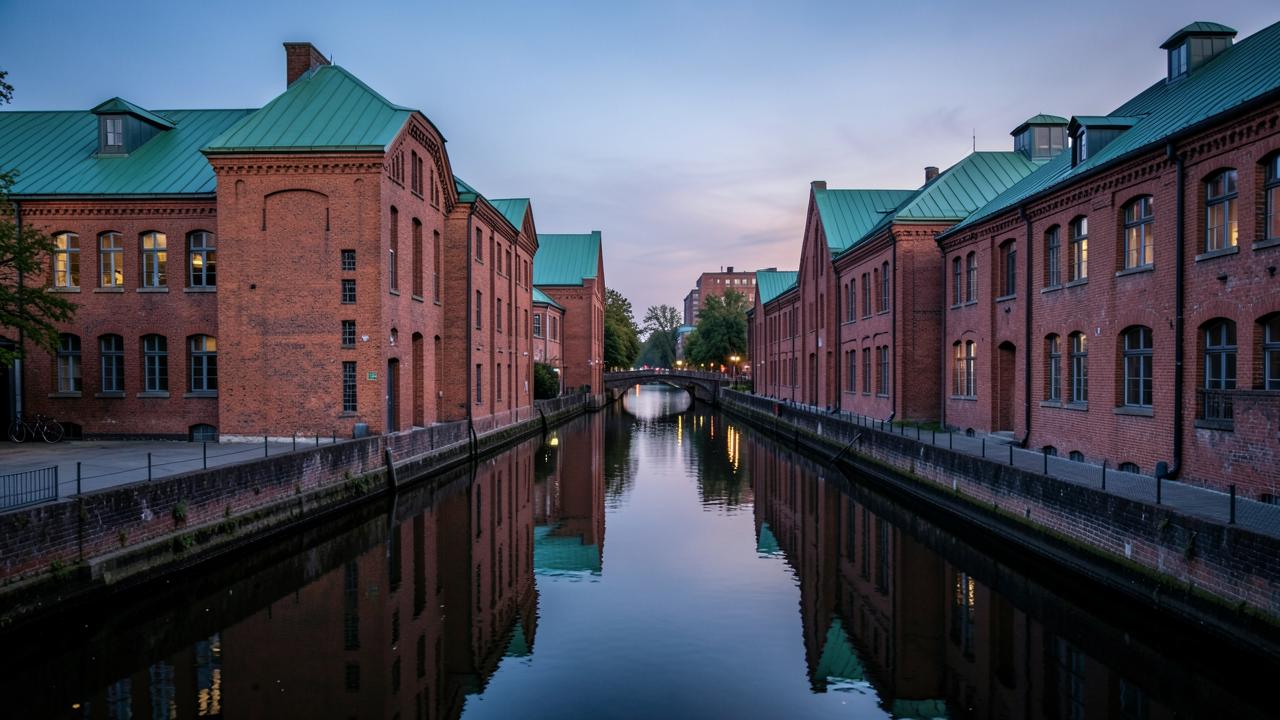
Converted 1787 granary with oak beams
Explore Hotel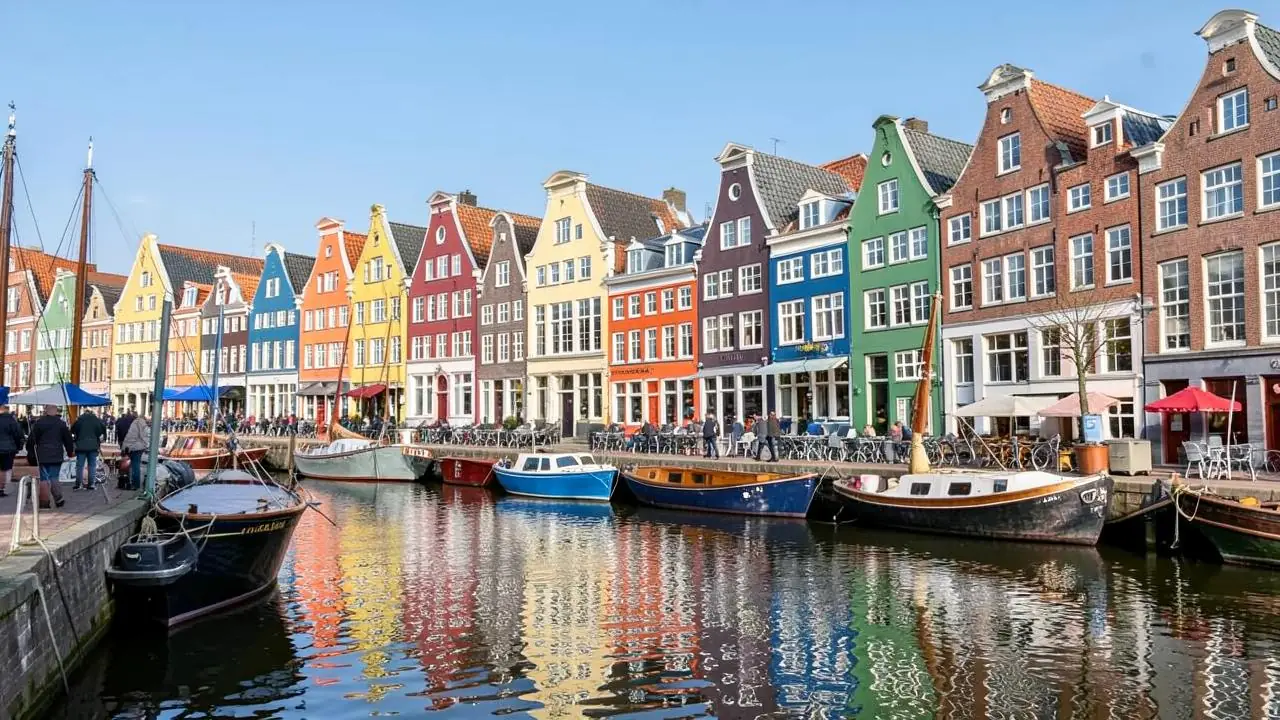

Copenhagen, Denmark
Two decades of separating stormwater from sewage produced free public swimming between office buildings. It is the best thing about the city.
The places to stay
Toldbodgade, inner harbour
Converted 1787 granary with oak beams
Explore Hotel
Behind the royal theatre
Small townhouse with the most refined interior in Scandinavia
Explore Hotel
Near the harbour front
Spa and water-facing rooms in a nineteenth-century building
Explore Hotel
By the central station
Rooftop pool heated by the building's surplus energy
Explore Hotel

Kalvebod Brygge
Closest hotel to the western harbour bathing platform
Explore Hotel
By Happi · Last updated September 2026
A little local perspective
$$ to $$$$ — roughly 1,800-5,000 kroner a night, peaking June to August
Copenhagen's harbour was an industrial waterway until the late 1990s, closed to swimming and not somewhere you would put your hand. The city spent two decades separating its stormwater from its sewage and building treatment capacity, and by 2002 the water in the middle of the city was clean enough to open a public swimming facility in it.
There are now several harbour baths, free, unstaffed for much of the year, in the centre of a European capital. On a warm July evening several thousand people are in the water between office buildings. It is the single most impressive thing about the city and it costs nothing.
The baths are used casually, the way a park is used. People swim before work, at lunch, after work, and the season runs longer than visitors expect because a substantial number of Danes swim year round.
That only works if you are close. The main baths are at Islands Brygge, on the Amager side facing the centre, at Sandkaj in the newer Nordhavn district, and at Kalvebod Bølge on the western quay. If your hotel is a fifteen-minute walk from one of them, you will use it repeatedly. If it is a metro ride, you will go once with a towel and a plan.
The city is also small and flat, which means the harbour, Nyhavn, the Tivoli gardens and the royal palaces sit within about two kilometres of each other, and a bike covers all of it.
The ten below are grouped by which stretch of water they sit nearest.
The old waterfront, closest to Islands Brygge across the water and to the centre on foot.
Copenhagen Admiral Hotel occupies a converted 1787 granary on the waterfront with vaulted brick ceilings, oak beams and rooms that are genuinely unlike anything else in the city. It is a short walk to the Opera ferry and to Nyhavn.
Hotel Sanders sits behind the royal palace in a restored townhouse with a conservatory bar and the most refined interior in Scandinavia. It is small, quiet and the best-run hotel in the city.
Nobis Hotel Copenhagen occupies a nineteenth-century building on the harbour front with a spa, a very good restaurant and rooms facing the water. It is the most comfortable of the waterfront group.
The southern side of the centre, by the gardens and the station, with the Kalvebod Bølge harbour bath a short walk west.
Villa Copenhagen occupies a converted 1908 post office building beside the station with a rooftop pool heated by surplus energy from the building, a courtyard garden and the most ambitious sustainability programme of any hotel here. It is five minutes from the western harbour bath.
Nimb Hotel sits inside the Tivoli gardens themselves, in a Moorish-style building, with rooms overlooking the park and the option of entering it before it opens.
Copenhagen Marriott Hotel occupies a waterfront tower on the western quay with the most direct access of any hotel to the Kalvebod Bølge bathing platform, large rooms and harbour views.
Inland by a few hundred metres, among the shops, the restaurants and the squares.
Hotel d'Angleterre is the grande dame on Kongens Nytorv, facing Nyhavn, with the deepest service in Denmark, a spa and a champagne bar that is a city institution. It is the most formal address in Copenhagen.
25hours Hotel Indre By occupies a converted building in the Latin Quarter with a rooftop terrace, a good bar and a design that has been widely imitated since.
Manon Les Suites sits near the lakes with a rooftop pool surrounded by planting, apartment-style rooms and a residential feel. It is the pick for a longer stay.
The Krane occupies a building in Nordhavn near the Sandkaj harbour bath, in the newest district, with the shortest walk to swimming of anything on this list. It is also furthest from the old centre, which is the trade.
The airport hotels at Kastrup are excluded, and they are convenient, comfortable and well priced. They are also eight minutes by metro from a city that is best experienced by walking out of the door into it.
Swim, if the weather allows. The baths are free, the water is tested continuously and there are lifeguards in high season.
Rent a bike on the first morning. Copenhagen has more bicycles than cars and the infrastructure is genuinely separated. Cycle to Refshaleøen for the street food halls and the former shipyard.
Do one castle, one museum, one garden. Rosenborg for the crown jewels, the Design Museum or the Glyptotek, and either Tivoli or the Botanical Garden.
Eat. Copenhagen changed European cooking twice over and the mid-priced restaurants are better than most cities' expensive ones. Book anything with a reputation months ahead.
Take the train to Louisiana, the modern art museum on the coast north of the city, which is 35 minutes each way and one of the best museums in Europe.
The airport is eight minutes by metro to the centre, which is the fastest airport link in Europe.
June to August is warm, long-daylight and the swimming season. May and September are pleasant and much cheaper. November to February is dark, cold and expensive to fly to but the city handles it well.
Copenhagen is very expensive. Cards are accepted everywhere and cash has effectively disappeared.
Prices shown are sample rates from upcoming dates — not quotes for specific dates. Open a hotel and choose your own dates and guests to see the exact price.
Yes, and it is monitored continuously with the baths closing if readings fall. This has been true for over twenty years.
The baths run through the summer with lifeguards and stay open in shoulder season. Danes swim year round; visitors mostly do not.
For food, design and the way the city works, yes. It is among the most expensive capitals in Europe and it is not pretending otherwise.
Three, four with a day at Louisiana or a trip across to Malmö, which is 35 minutes by train.