Blue Lagoon, Reykjanes
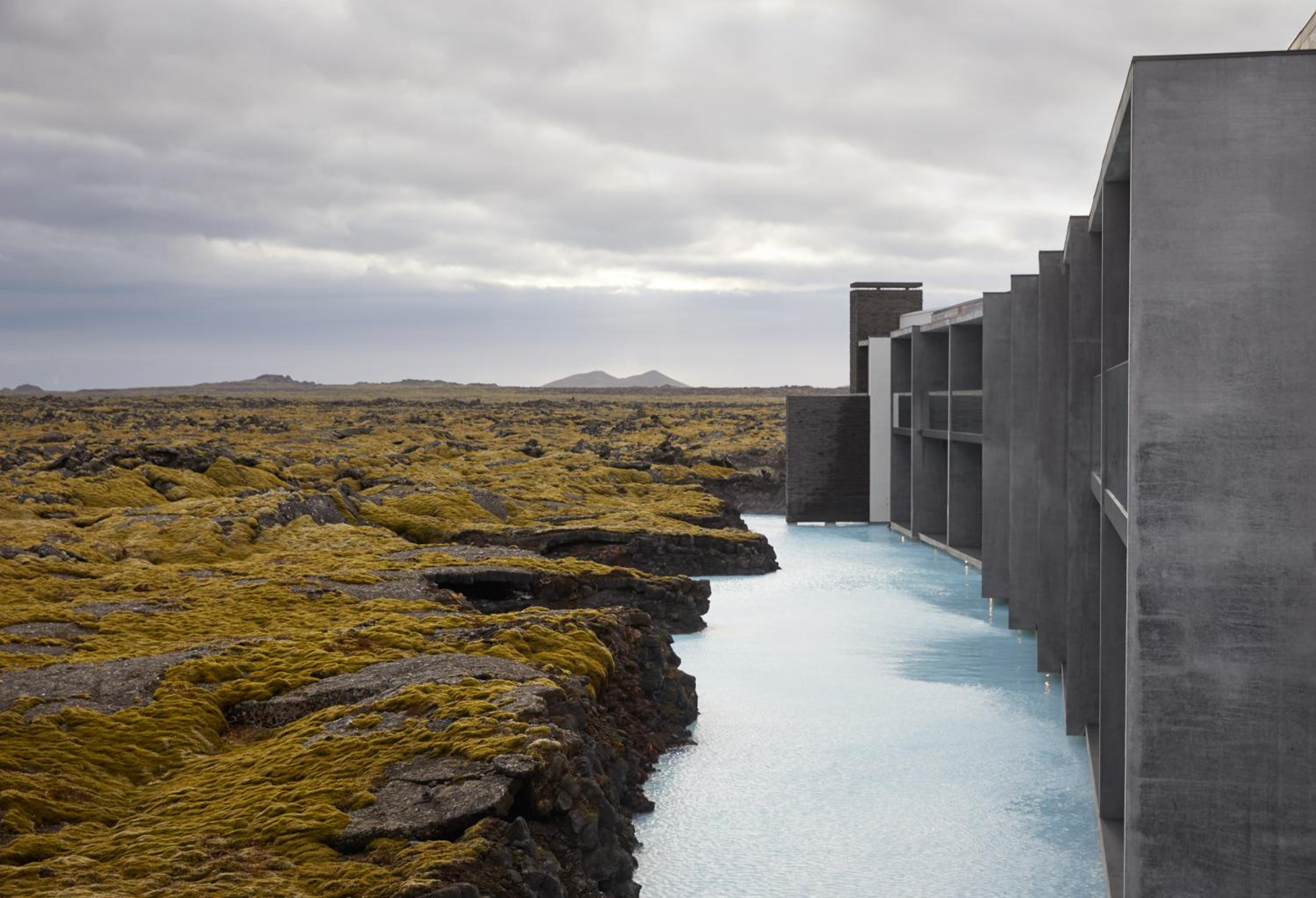
The Retreat at Blue Lagoon Iceland
Private lagoon access and spa rooms cut into lava
Explore Hotel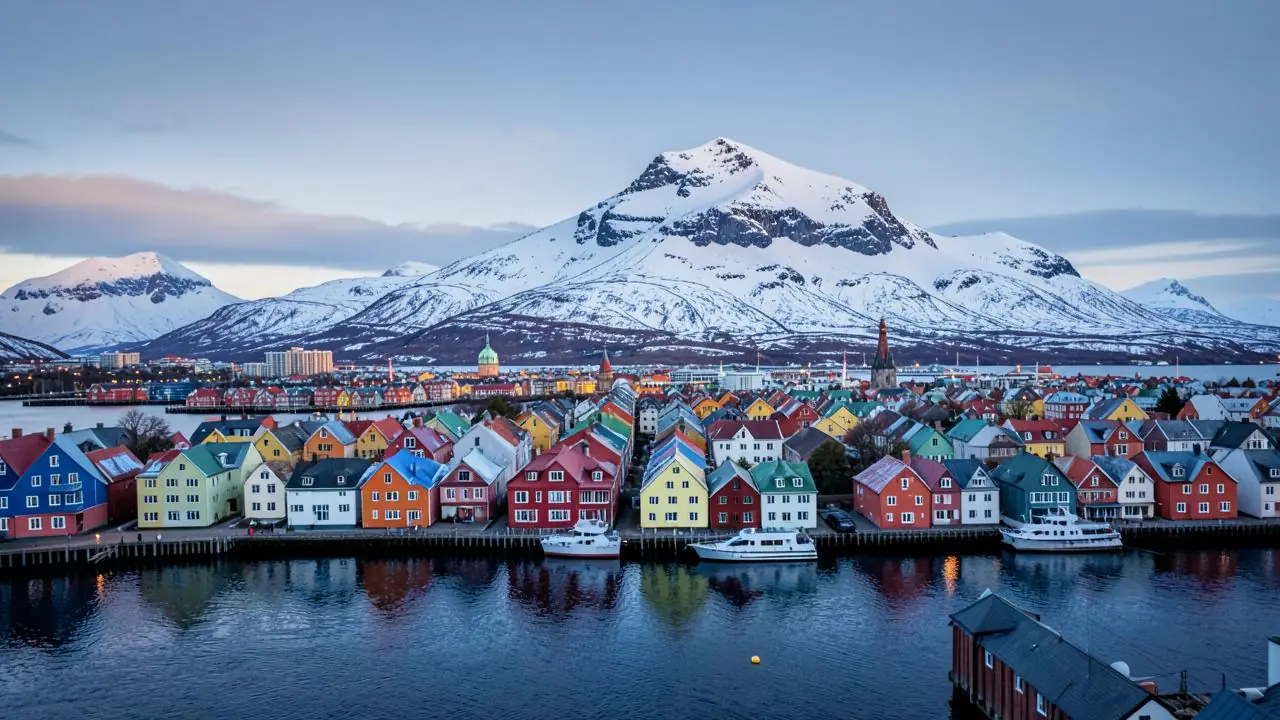

Reykjavik, Iceland
Doing the lagoon from the city means driving past the airport and back. Doing it on arrival day costs nothing and fixes a red-eye.
The places to stay
Blue Lagoon, Reykjanes
Private lagoon access and spa rooms cut into lava
Explore Hotel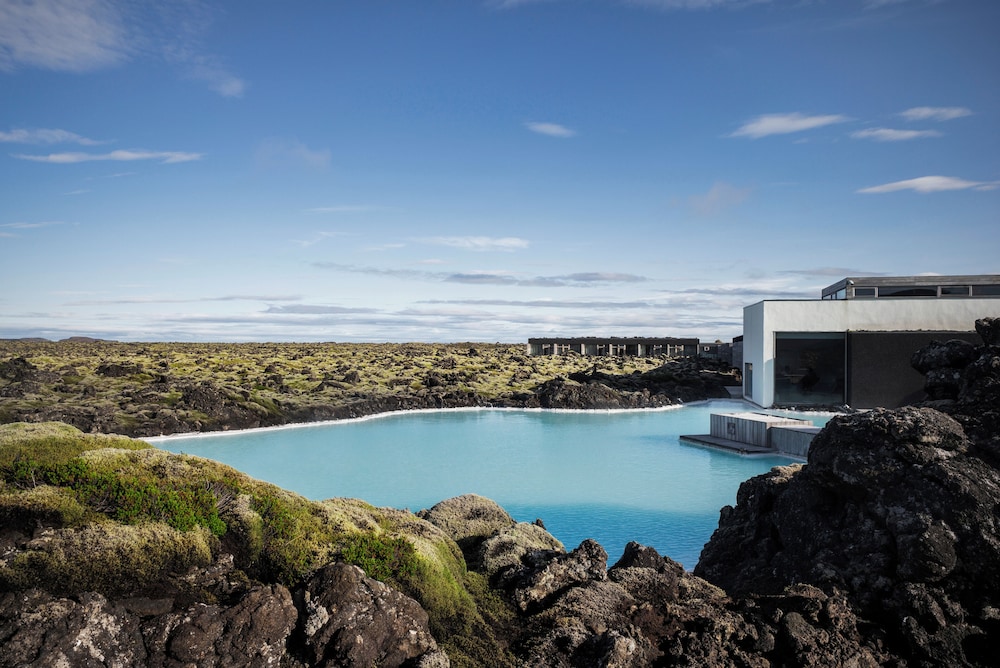
Austurvollur square
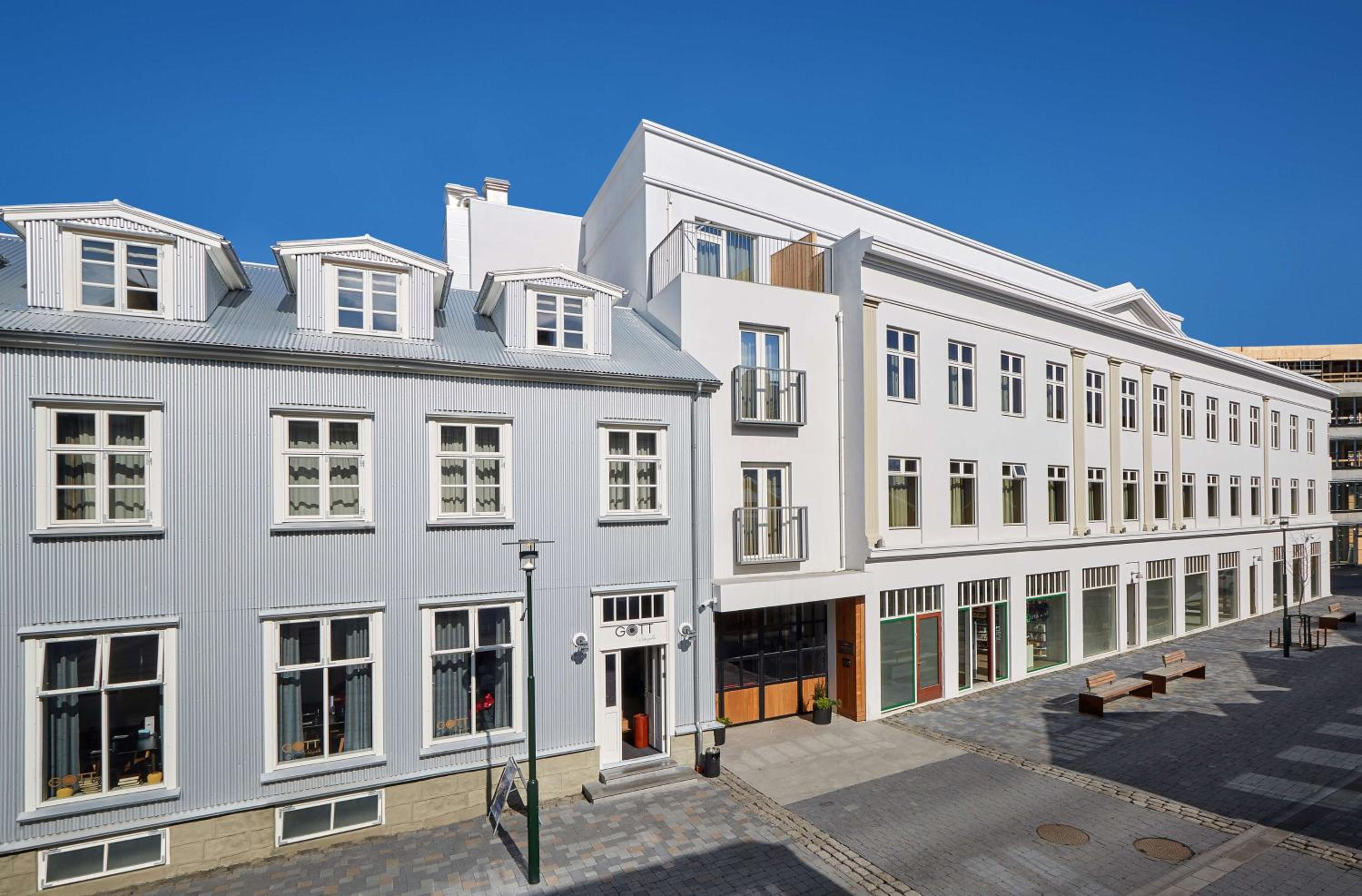
Restored houses with the best walking position
Explore Hotel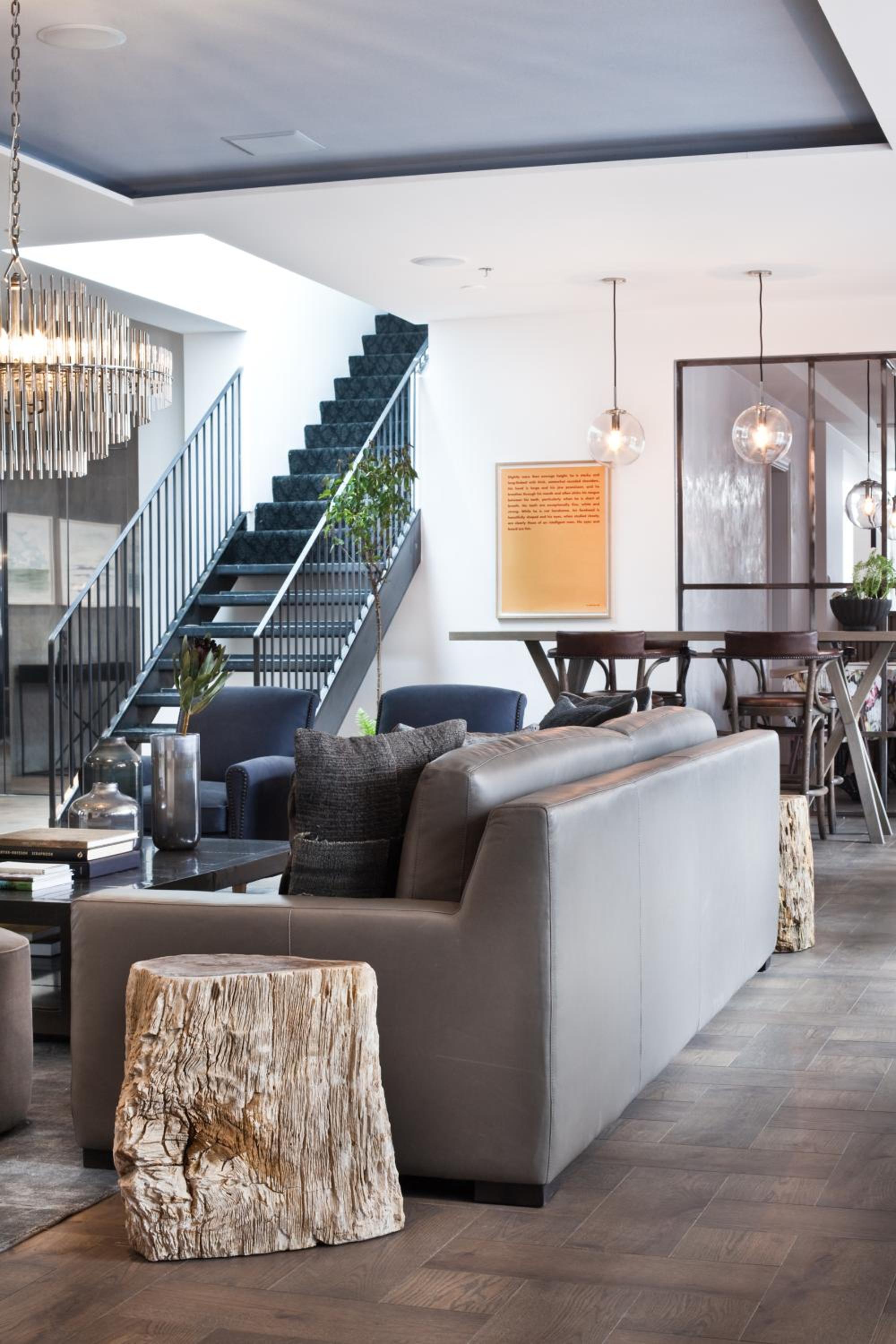
By Happi · Last updated September 2026
A little local perspective
$$ to $$$$ — roughly 40,000-200,000 kronur a night, peaking June to August
Almost every flight into Iceland lands at Keflavík, and almost every visitor's first instinct is to get to Reykjavík, drop the bags, and go to the Blue Lagoon the following day. That is a mistake of geography.
Keflavík is on the Reykjanes peninsula. The Blue Lagoon is also on the Reykjanes peninsula, about twenty minutes from the airport. Reykjavík is forty-five minutes in the opposite direction. Doing the lagoon as a separate excursion from the city means driving past the airport, going in, and driving back, which is an hour and a half of road for a two-hour soak.
Doing it on arrival day, straight from the terminal with your luggage in the lagoon's storage, costs you nothing extra and turns a red-eye into something restorative.
The strongest version books a night on the peninsula itself, at the lagoon, and moves into Reykjavík the following day. The second-strongest goes straight from the airport to the lagoon, then on to the city that afternoon. Both beat the standard version.
The same logic applies in reverse on the way out, since departure flights are frequently early and the lagoon sits on the road to them.
In the city itself the decision is smaller. Reykjavík is compact, walkable and about a kilometre across in the part that matters: the 101 postcode, running from the harbour up around Laugavegur and Hallgrímskirkja.
The eight below are split between the peninsula and the city.
The Retreat at Blue Lagoon Iceland sits directly on the lagoon with a private section of water accessible only to guests, subterranean spa rooms cut into the lava and suites with their own lagoon access. It is one of the more remarkable hotels in Europe and it is priced accordingly.
Silica Hotel is the smaller, simpler property in the same complex, with its own quiet bathing lagoon and access to the main one. It is a fraction of the price and it delivers most of the point.
The old centre. Everything within a walk, and the whole city is smaller than most visitors expect.
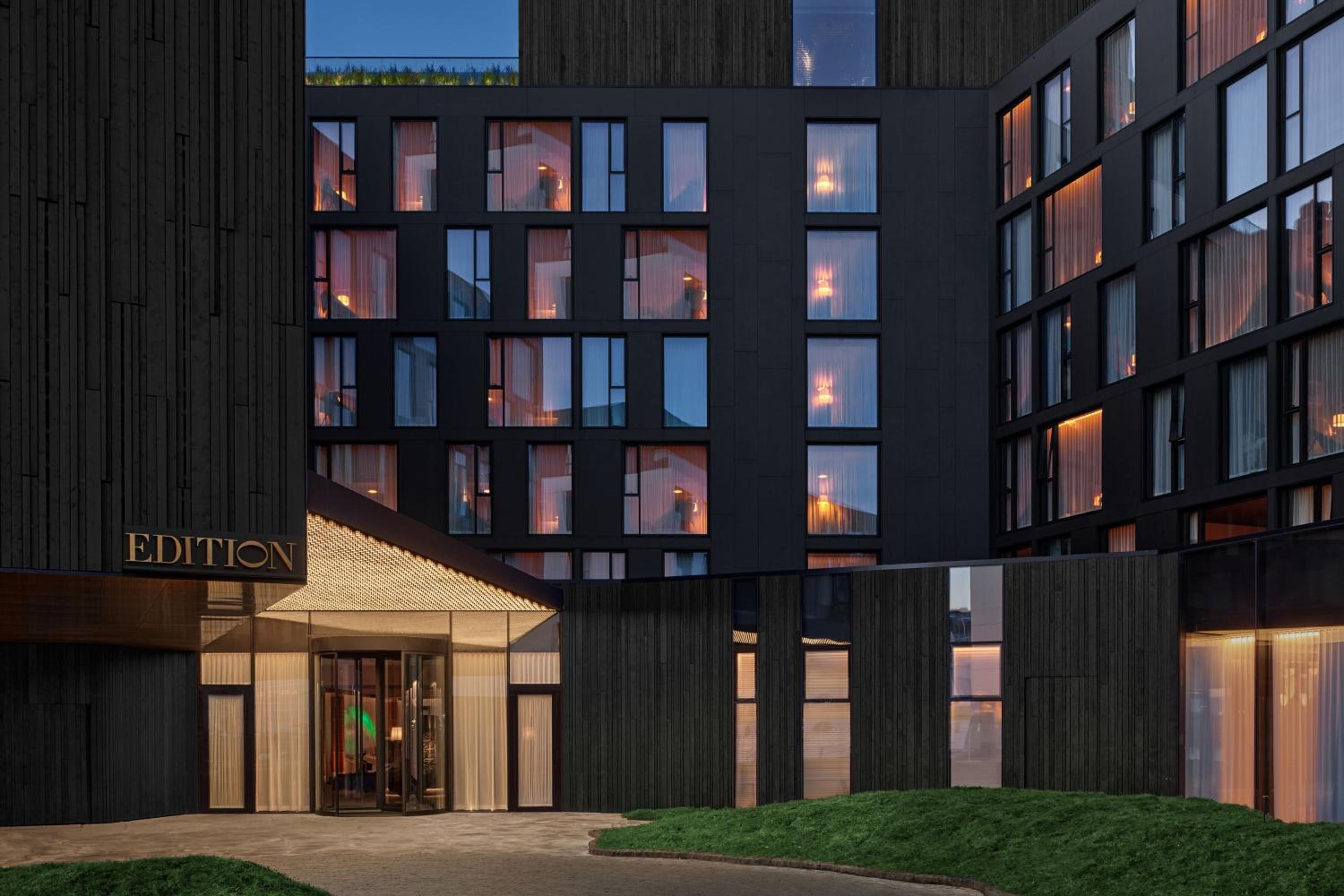
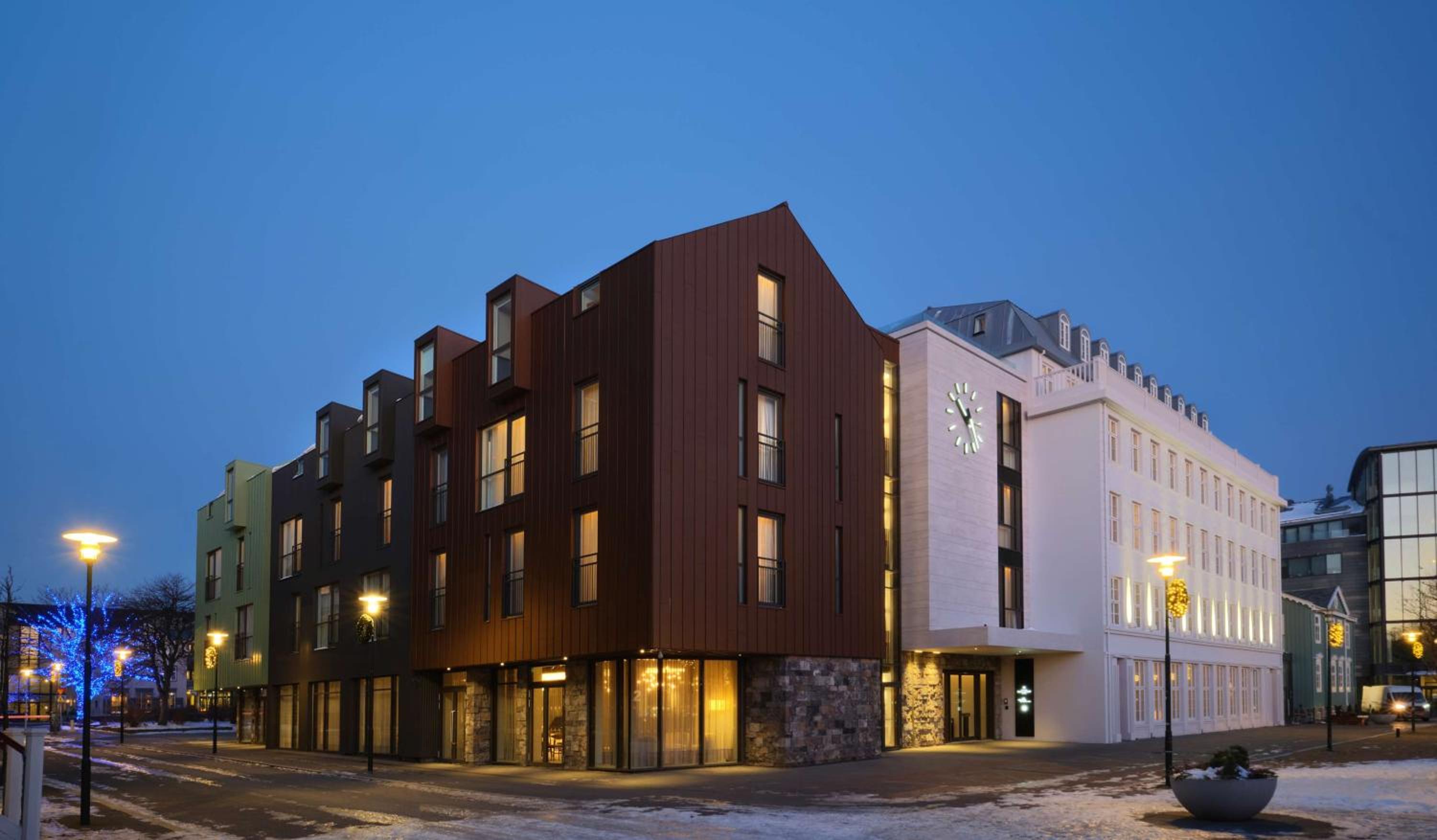
The Reykjavik EDITION occupies a building on the old harbour with a rooftop bar looking at the mountains across the bay, a spa and the most contemporary rooms in Iceland. It is the best hotel in the country outside the lagoon.
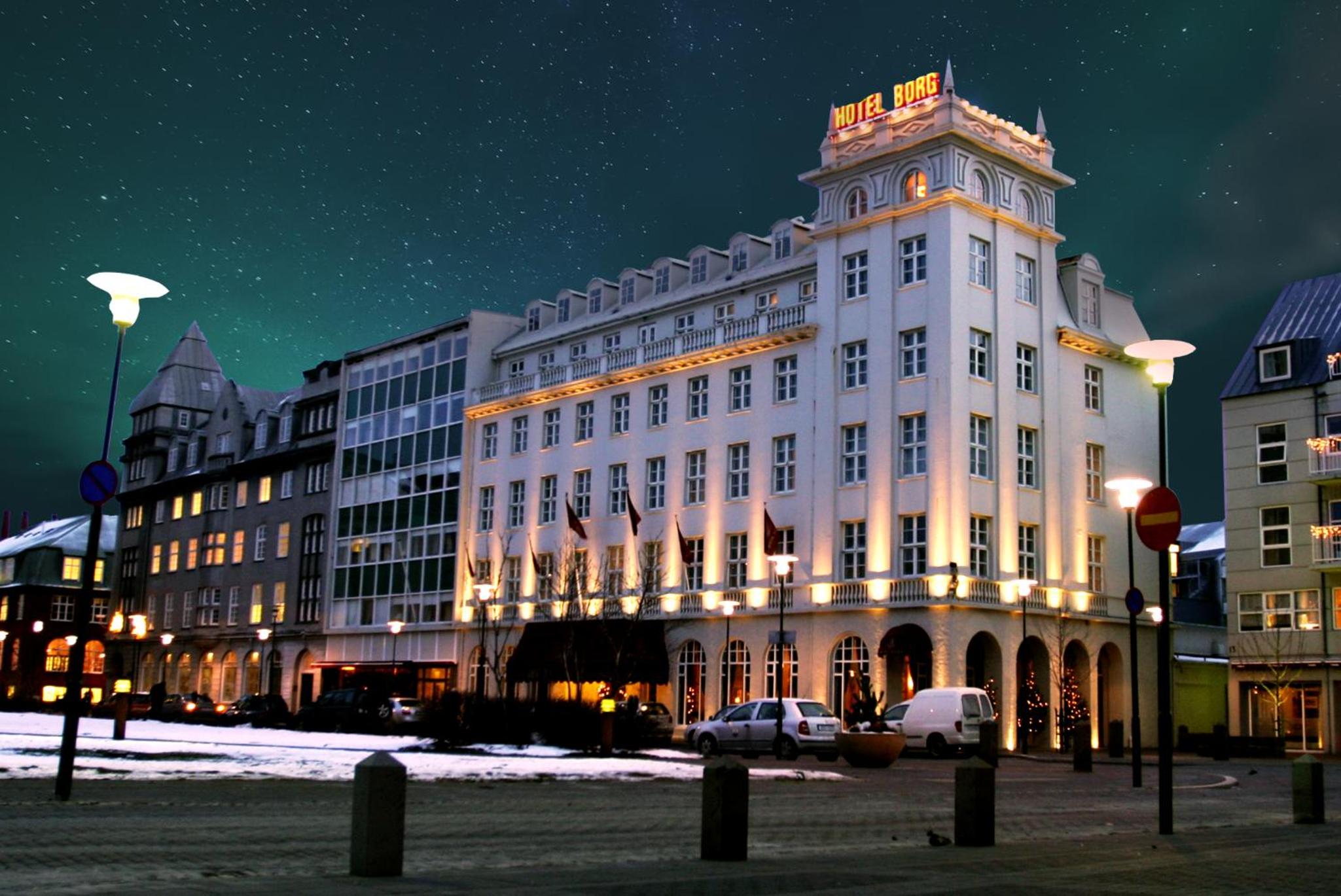
Hotel Borg by Keahotels is the 1930 art deco landmark on Austurvöllur square facing the parliament, restored, and it remains the most characterful stay in the city.
Konsulat Hotel Reykjavik occupies a converted 1900s building near the harbour with a courtyard, a good restaurant and rooms that are warmer in tone than the Nordic norm.
Iceland Parliament Hotel sits on Austurvöllur beside the parliament in a set of restored houses, with the best position in the city for walking and a considerably lower rate than the newer hotels.
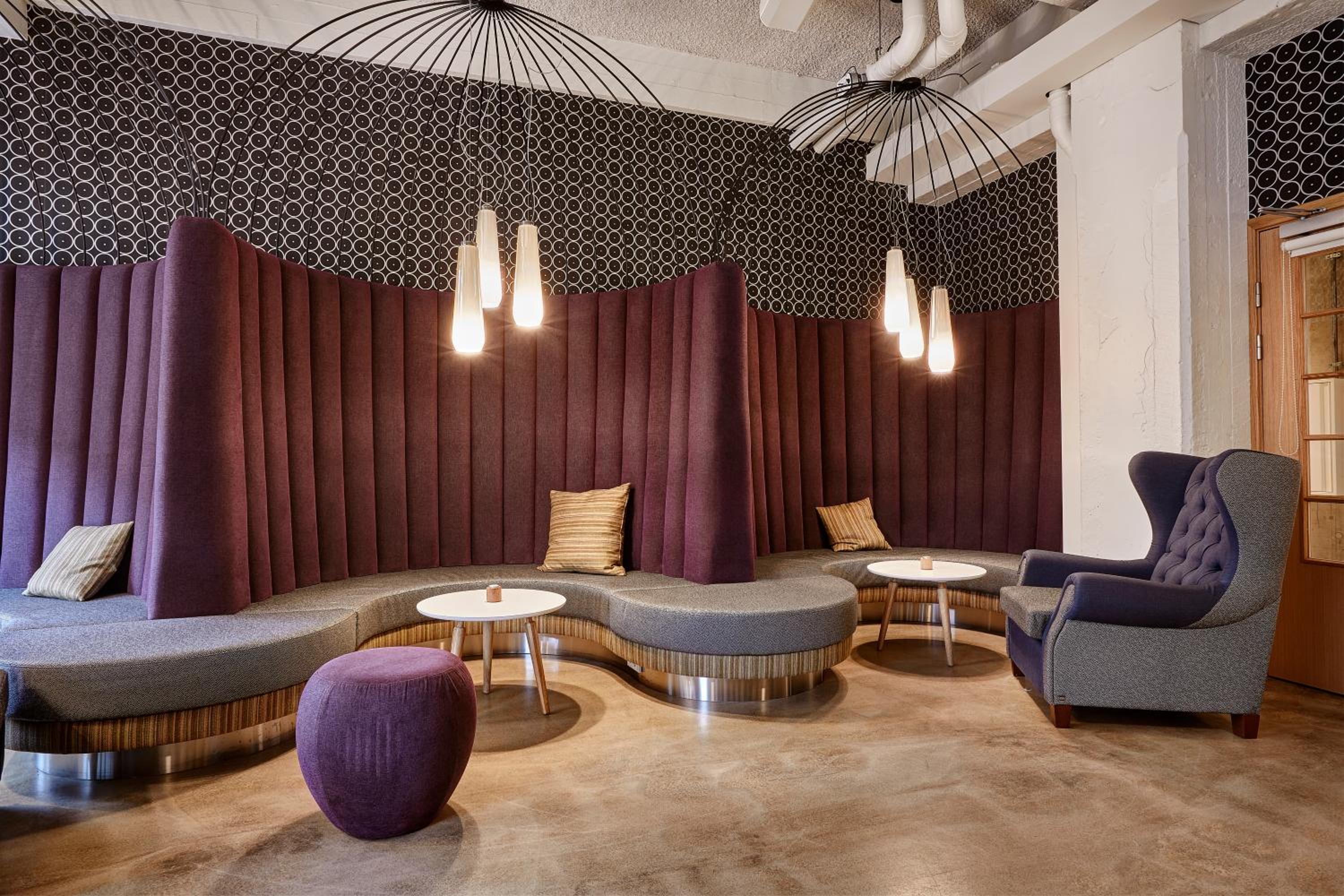
Sandhotel Reykjavik occupies a building on Laugavegur with a bakery on the ground floor, small well-designed rooms and the shortest walk to the bars and restaurants.
Reykjavik Marina Hotel sits at the old harbour with a nautical interior, a good bar and the closest position to the whale-watching and puffin boats.
The hotels along the ring road east of the centre are excluded. They have parking, more space and lower rates, which matters if you are collecting a hire car. They are also a twenty-minute walk or a bus from a centre that is the entire pedestrian pleasure of Reykjavík.
Book the lagoon in advance with a timed entry; it does not take walk-ins. Consider Sky Lagoon, which is closer to the city and has an infinity edge over the sea, as an alternative or an addition.
Drive the Golden Circle in a day: Þingvellir, where two tectonic plates are pulling apart, Geysir and Gullfoss. Then drive the south coast, which is better: black beaches, waterfalls and a glacier lagoon at Jökulsárlón five hours out.
In winter, chase the aurora away from city light with a forecast and patience. In summer, use the midnight sun and hike late.
In the city, Hallgrímskirkja's tower for the view, the Harpa concert hall for the building, and a hot dog from the stand by the harbour, which is a genuine local institution.
Keflavík is 45 minutes from Reykjavík and 20 from the lagoon. The Flybus is the standard link. A hire car is close to essential if you are leaving the city.
June to August has near-endless daylight and the highest prices. September to March gives you the aurora and the ice caves. Weather changes fast in every season and closes roads without much notice.
One thing to check before booking: the Reykjanes peninsula has been volcanically active in recent years, and eruptions in the area have at times affected access to the lagoon and to nearby roads. Conditions change quickly. Check the Icelandic Met Office and the official safetravel guidance close to your dates, and take any advisory seriously.
Prices shown are sample rates from upcoming dates — not quotes for specific dates. Open a hotel and choose your own dates and guests to see the exact price.
Yes, once, and better on arrival or departure day than as a separate trip. It is man-made, in that the water is a by-product of a geothermal plant, and it is still extraordinary.
One night at the lagoon and the rest in Reykjavík is the ideal shape. The lagoon hotels are expensive and are not a base for anything else.
Entirely. The centre is about a kilometre across.
Five. Two in the city and three on the road, or the reverse.