Old town, lower
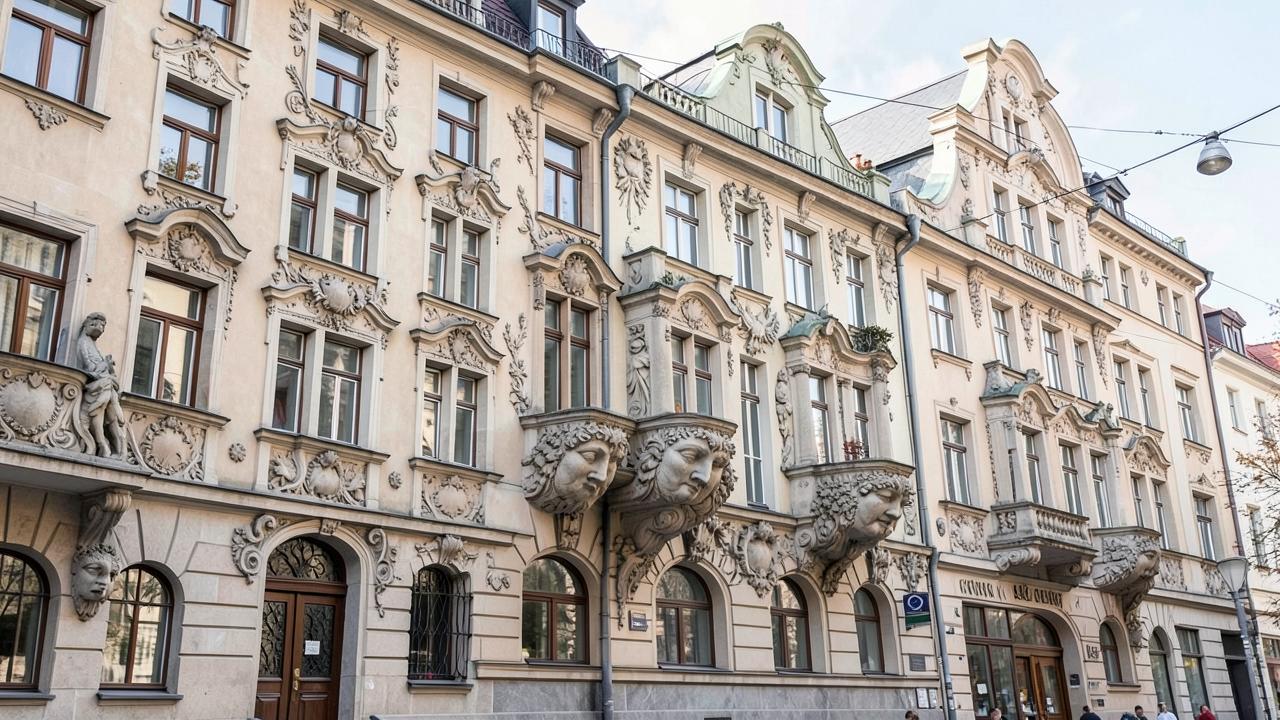
Telegraaf Hotel
A 1930s telegraph building with a spa in medieval cellars
Explore Hotel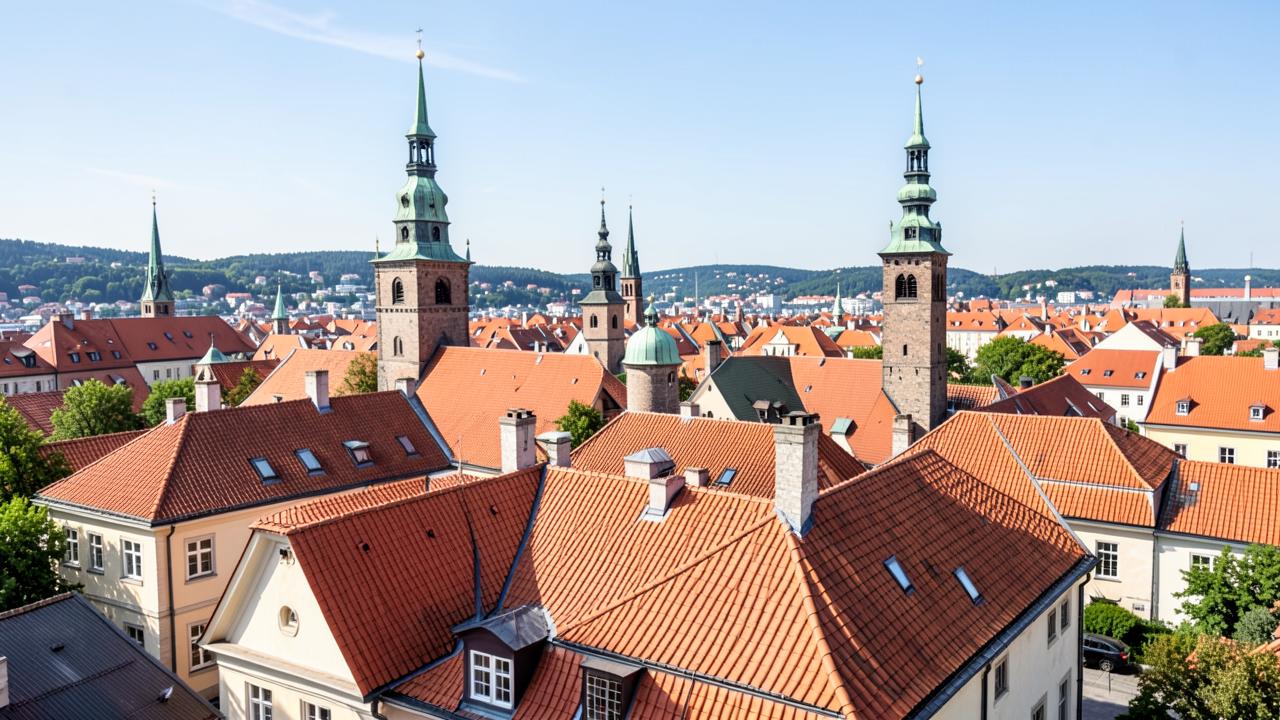

Tallinn, Estonia
The trade moved on, nobody could afford to rebuild, and the 1944 bombing largely missed the core. Decline preserved it.
The places to stay
Old town, lower
A 1930s telegraph building with a spa in medieval cellars
Explore Hotel


Rotermann, by the old town
A high-floor spa and pool over the medieval roofs
Explore Hotel
By Happi · Last updated September 2026
A little local perspective
$$ to $$$ — roughly 120-400 euros a night, peaking in summer and December
Tallinn's old town has about two kilometres of medieval wall still standing with twenty of its towers intact, which makes it one of the most complete walled cities in northern Europe. It survived because the city declined rather than prospered — the Hanseatic trade moved elsewhere in the sixteenth century, nobody had the money to demolish and rebuild, and the March 1944 Soviet bombing that destroyed large parts of the modern city largely spared the medieval core.
The result is a working old town of about a square kilometre that you can cross in fifteen minutes.
The old town is not one place and the division still shapes a visit.
Toompea, the upper town on a limestone outcrop, was the seat of the nobility, the bishop and later the Russian governor. It had its own walls, its own gates and its own jurisdiction, and the gates between upper and lower town were locked at night.
The lower town below it was the merchants' city: the Town Hall Square, the guild halls, the Hanseatic warehouses and the trades.
The two were legally separate until 1878. You climb between them by one of two stepped lanes, and the viewing platforms at the top of Toompea look out over the lower town's red roofs to the Baltic.
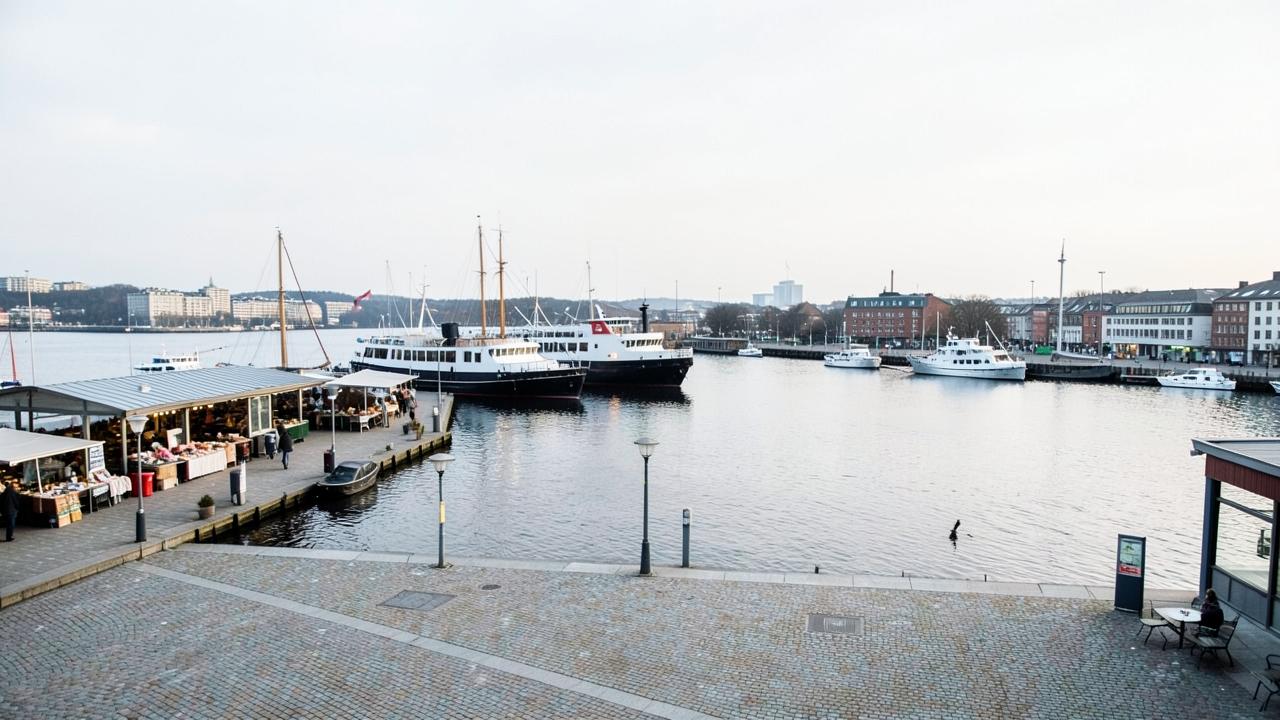
Kalamaja, north of the walls, is the old wooden fishermen's quarter now full of cafés and the Telliskivi creative complex. Rotermann, between the old town and the port, is a converted industrial quarter of brick warehouses with contemporary buildings dropped into them.
Estonia is also the most digitised state in Europe — almost all government services run online, and the country pioneered e-residency. It shows in small ways: contactless everywhere, fast public wifi, and a startup culture that is visible in the newer quarters.
The seven below are grouped by quarter.
The medieval core, on foot.
Telegraaf Hotel occupies a 1930s functionalist former telegraph building on a lane in the lower town, with a spa in the medieval cellars, a courtyard and the most polished service in the Baltics.
Schlössle Hotel sits in a merchant's house dating to the thirteenth century with painted beams, stone walls and a handful of rooms. It is the most atmospheric building any hotel here occupies.
Hotel St. Petersbourg occupies a nineteenth-century building near the Town Hall Square with a small room count and a good restaurant downstairs.
The Burman Hotel sits within the walls in a converted merchant house with contemporary rooms behind a historic frontage.
Savoy Boutique Hotel occupies a restored building in the lower town with a design-led interior and rates below the heritage properties.
The converted industrial quarter, minutes from the walls.
Swissôtel Tallinn occupies a tower beside the old town with a spa on an upper floor, a pool and views across the medieval roofs.
Nordic Hotel Forum sits opposite the old town with reliable contemporary rooms and the shortest walk to both the walls and the ferry terminal.
The apartment rentals inside the old town are excluded, and Tallinn has a large supply of them in genuinely medieval buildings. They are apartments rather than hotels.
Walk the walls where you can, and climb St Olaf's church tower, which was briefly the tallest building in the world in the sixteenth century and has a narrow spiral stair with a view over everything.
See both towns properly: the Town Hall Square and the guild halls below, then up to Toompea for the Alexander Nevsky cathedral and the Kohtuotsa platform.
Go to Kadriorg, a baroque palace and park built by Peter the Great, with the KUMU art museum at the far end of it.
Eat in Kalamaja and at Telliskivi, where the food scene actually is, and try the black bread, the smoked fish and the sprats.
Take the ferry to Helsinki, two hours across the Gulf of Finland, which many people do as a day trip in either direction.
Tallinn's airport is fifteen minutes from the centre by tram. Ferries run frequently to Helsinki and to Stockholm overnight.
May to September has the long light, with midsummer nights that barely get dark. December has a very good Christmas market in the Town Hall Square. Winter is cold, dark, cheap and atmospheric.
The old town is cobbled and the climb to Toompea is steep. Sensible shoes matter more than the distances suggest.
The city declined after the Hanseatic era so nothing was rebuilt, and the 1944 bombing largely missed the medieval core.
Almost all hotels are in the lower town. Toompea is a ten-minute climb and worth doing twice, in different light.
Yes. Two nights lets you see Kalamaja and Kadriorg as well as the walls.
Two. Three if you are adding Helsinki or the islands.