


A little local perspective
Worth knowing.
Worth going.
- Destination
- Riga, Latvia
- The selection
- 7 hotels
- Your kind of trip
- architecture · value · food · city break
$$ to $$$ — roughly 120-350 euros a night, peaking in summer
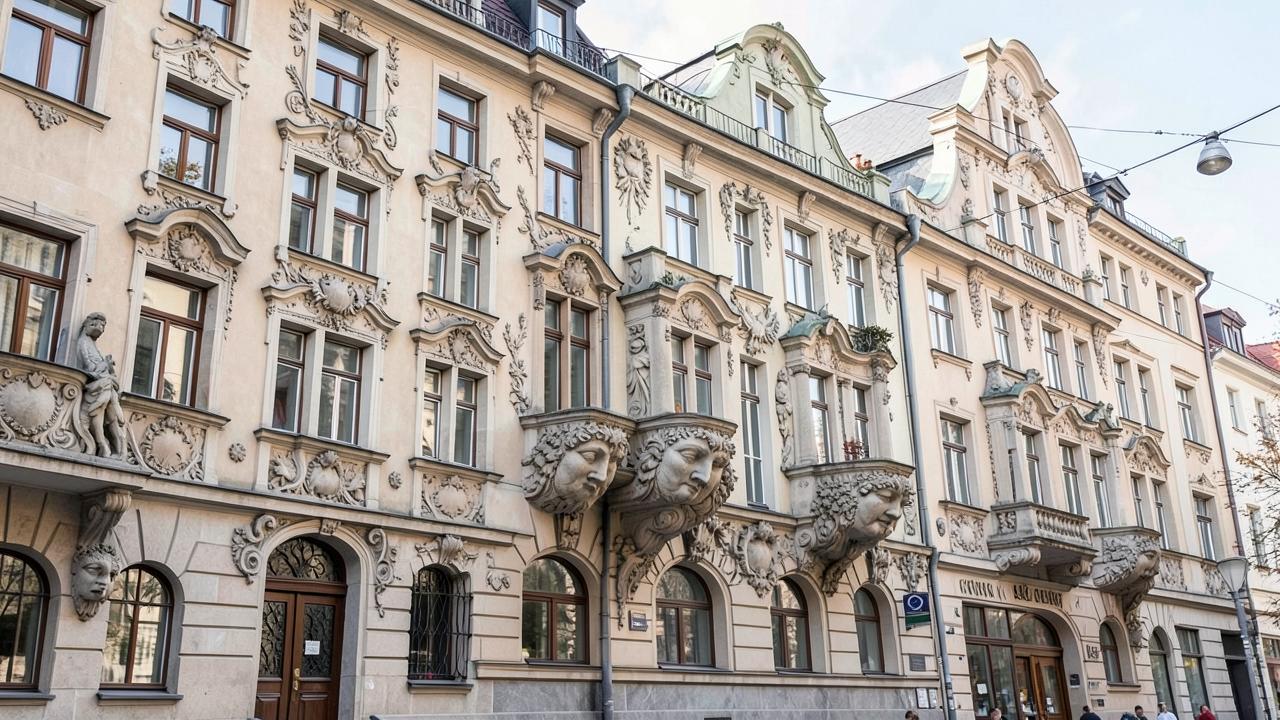
Riga has the largest concentration of art nouveau architecture of any city in the world. Roughly a third of the buildings in the centre are in the style, something in the order of 750 of them, and almost all went up in a single decade between about 1904 and 1914.
The reason was a boom. Riga was the Russian empire's busiest Baltic port, the population roughly tripled in forty years, and a building frenzy coincided exactly with the moment Jugendstil was fashionable across northern Europe. There was no time for anything to go out of style before it was all finished.
The most extravagant are on Alberta iela, a single short street designed largely by Mikhail Eisenstein — a city engineer whose son Sergei made Battleship Potemkin. The façades carry screaming masks, sphinxes, peacocks and human faces several metres tall, and the whole street was built in about five years.
Three cities in one
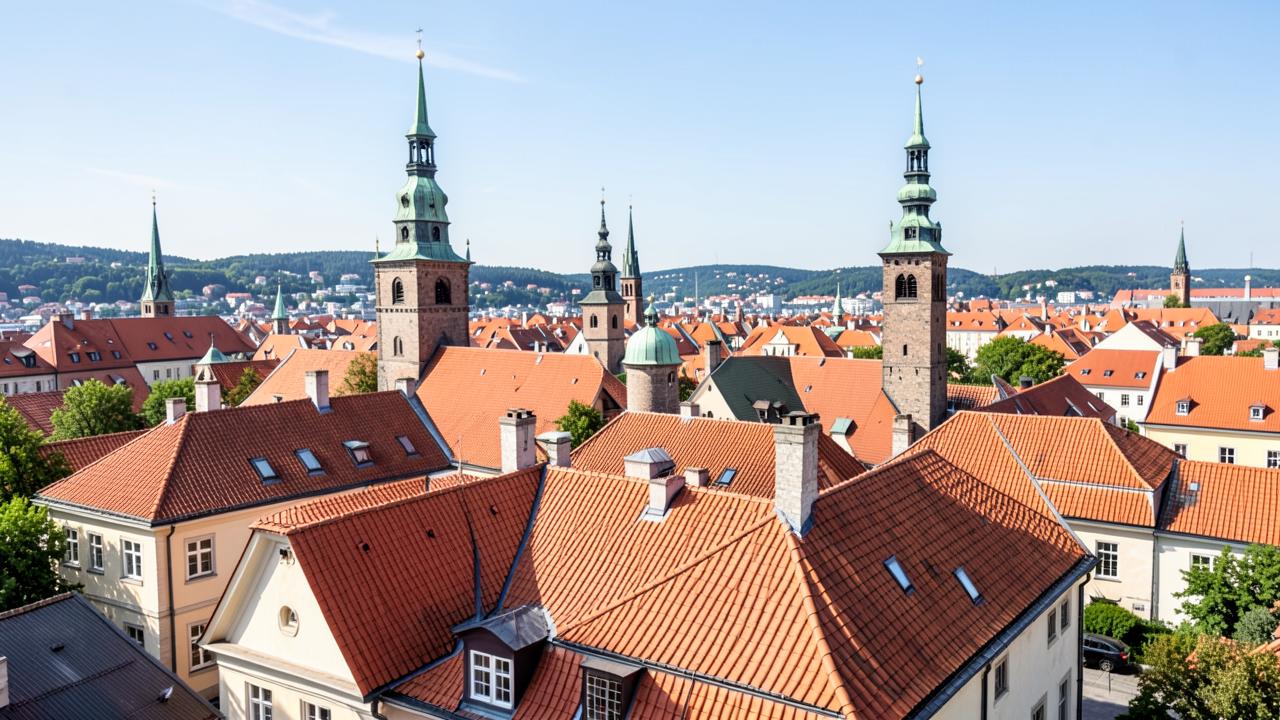
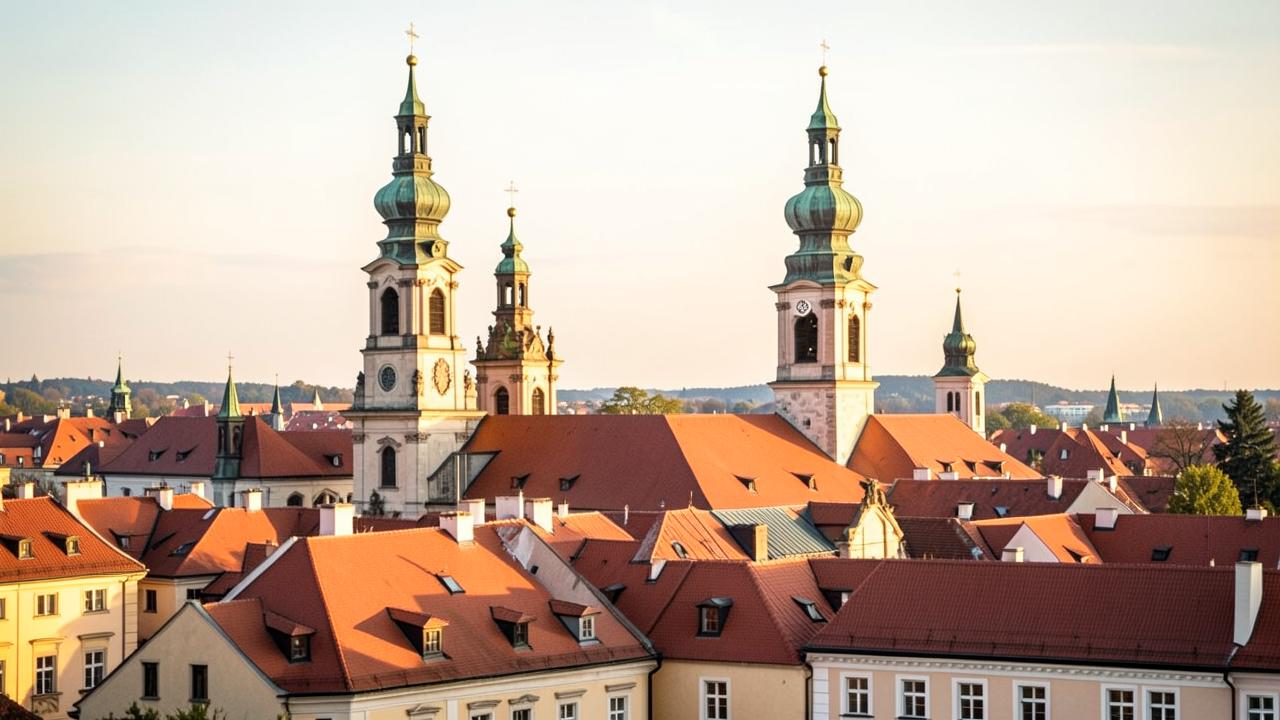
Vecrīga, the old town, is the medieval and Hanseatic core: cobbled lanes, the Dome cathedral, the House of the Blackheads rebuilt in the 1990s after being destroyed in the war and levelled by the Soviets.
The Centrs, the nineteenth-century quiet quarter, holds the art nouveau streets and a park belt where the old moat was.
Maskavas forštate and the Central Market, south, is where five former Zeppelin hangars were repurposed in 1930 into what is still one of Europe's largest markets.
Jūrmala, twenty-five minutes west, is a resort strip of wooden dachas and a long white beach on the Gulf of Riga, where the Soviet elite took holidays and where much of the wooden architecture survives.
The seven below are grouped that way.
The old town
Inside Vecrīga.
Neiburgs Hotel occupies a set of restored medieval warehouses on a lane in the old town with beamed rooms, a courtyard and the cathedral a minute away. It is the best conversion in the city.
Pullman Riga Old Town sits in the old town in a nineteenth-century building with a rooftop, contemporary rooms and the lanes outside.
Dome Hotel & Spa occupies a building near the Dome with a spa, a pool on an upper floor and views over the roofs.
The art nouveau quarter
Among the façades.
Grand Poet by Semarah occupies a restored art nouveau building in the quiet centre with a rooftop bar, a spa and the Eisenstein streets within a short walk. It is the most polished hotel in Latvia.
A22 Hotel sits on Alberta iela itself in a 1901 building, with a handful of rooms behind one of the most photographed façades in the Baltics.
Hotel Bergs occupies a nineteenth-century house near the park belt with a garden, a small room count and a good restaurant.
Jūrmala
The beach strip, twenty-five minutes west.
Semarah Hotel Lielupe occupies a position near the Jūrmala beach with a spa, a pool and the wooden dacha streets around it.
What we have left off
The apartment rentals across the centre are excluded, and Riga has a substantial supply of them inside art nouveau buildings. They are apartments rather than hotels.
What to do
Walk Alberta iela and Elizabetes iela with your head up. The detail is all above first-floor level and most people miss it entirely. The Art Nouveau Museum on Alberta iela is a restored apartment of the period and takes half an hour.
Go to the Central Market, in the Zeppelin hangars, for smoked fish, black bread, curd cheese and pickled everything.
Climb St Peter's church tower for the view over the old town and the river.
See the Occupation Museum, which covers 1940 to 1991 under both Soviet and Nazi rule, and is direct about it.
Take the train to Jūrmala and walk the beach, which runs for kilometres of hard white sand with the pines behind.
Practical notes
Riga's airport is twenty minutes from the centre with good European connections and it is the Baltic hub. Tallinn is four hours by bus, Vilnius four.
May to September has the long light and the beach season; midsummer in late June is a genuine national event. December has the Christmas market. Winter is dark, cold, cheap and the city is at its most atmospheric under snow.
Riga is very good value by northern European standards, including the restaurants.
Every hotel bookable in Riga
Questions people actually ask
Why so much art nouveau?
A port boom tripled the population and the building frenzy coincided exactly with the decade the style was fashionable.
Who designed Alberta iela?
Largely Mikhail Eisenstein, a city engineer, whose son Sergei directed Battleship Potemkin.
Old town or the art nouveau quarter?
Old town for the medieval lanes, the quarter for the façades and quiet. Ten minutes apart.
How many nights?
Two, or three with a day at Jūrmala.