Cathedral Square
Grand Hotel Vilnius, Curio Collection by Hilton
A spa and pool with the belfry outside the window
Check availability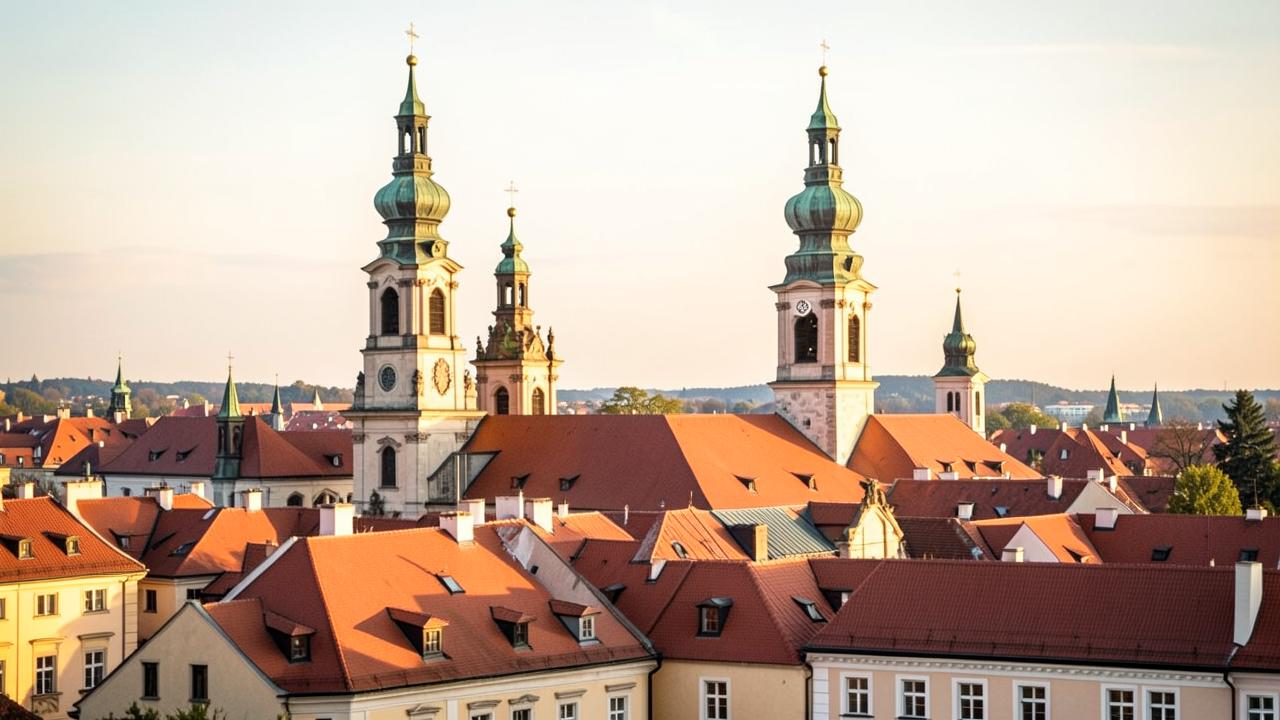

Vilnius, Lithuania
Forty-one constitutional articles on mirrored plates, including the right to be idle and the observation that a dog has the right to be a dog.
The places to stay
Cathedral Square
A spa and pool with the belfry outside the window
Check availability
Didžioji street, old town
A seventeenth-century palace with frescoes and vaults left visible
Explore Hotel
Near Vilnius University
Parts dating to the sixteenth century, around a courtyard
Explore Hotel
Vilnius old town
A restored townhouse with an art collection and a garden
Explore Hotel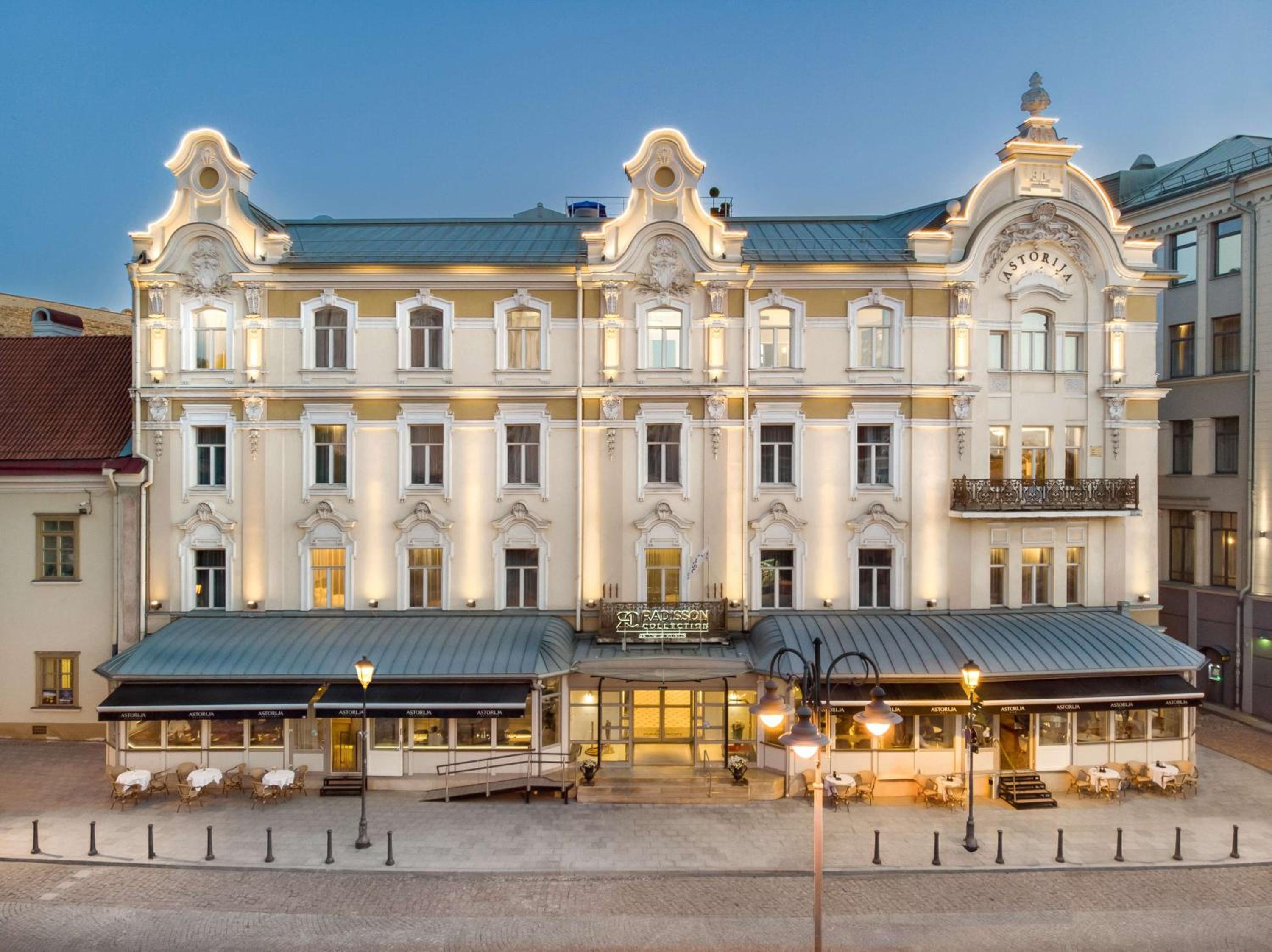
Didžioji, old town
A 1901 building with a long local reputation
Explore Hotel
By Happi · Last updated September 2026
A little local perspective
$$ to $$$ — roughly 110-320 euros a night, peaking in summer
In 1997 a group of artists in a run-down quarter of Vilnius across the Vilnia river declared their neighbourhood an independent republic. Užupis has a constitution of forty-one articles mounted on mirrored plates in twenty-odd languages, a president, a flag that changes with the season, an anthem, and an army that reportedly numbered about eleven men before being stood down.
The constitution includes the right to be happy, the right to be unhappy, the right to be idle, the right to love, the right to look after a dog until one of them dies, and the observation that a dog has the right to be a dog. It also states that everyone is responsible for their freedom.
It is a joke that has been maintained for nearly thirty years with complete seriousness, and it is five minutes from the cathedral.
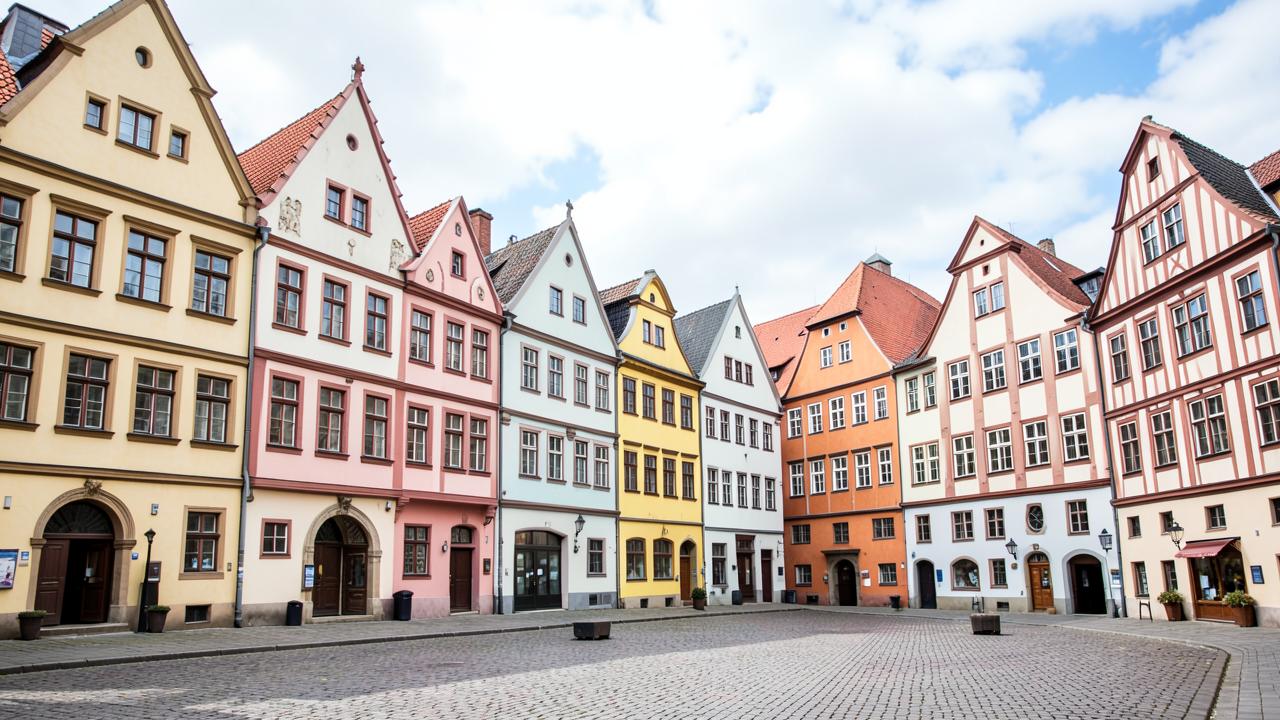
Vilnius has the biggest surviving medieval old town in northern and eastern Europe — about 3.6 square kilometres, UNESCO-listed in 1994. What makes it unusual is the layer on top: the city burned and was rebuilt repeatedly, most decisively in the eighteenth century, and it was rebuilt in baroque.
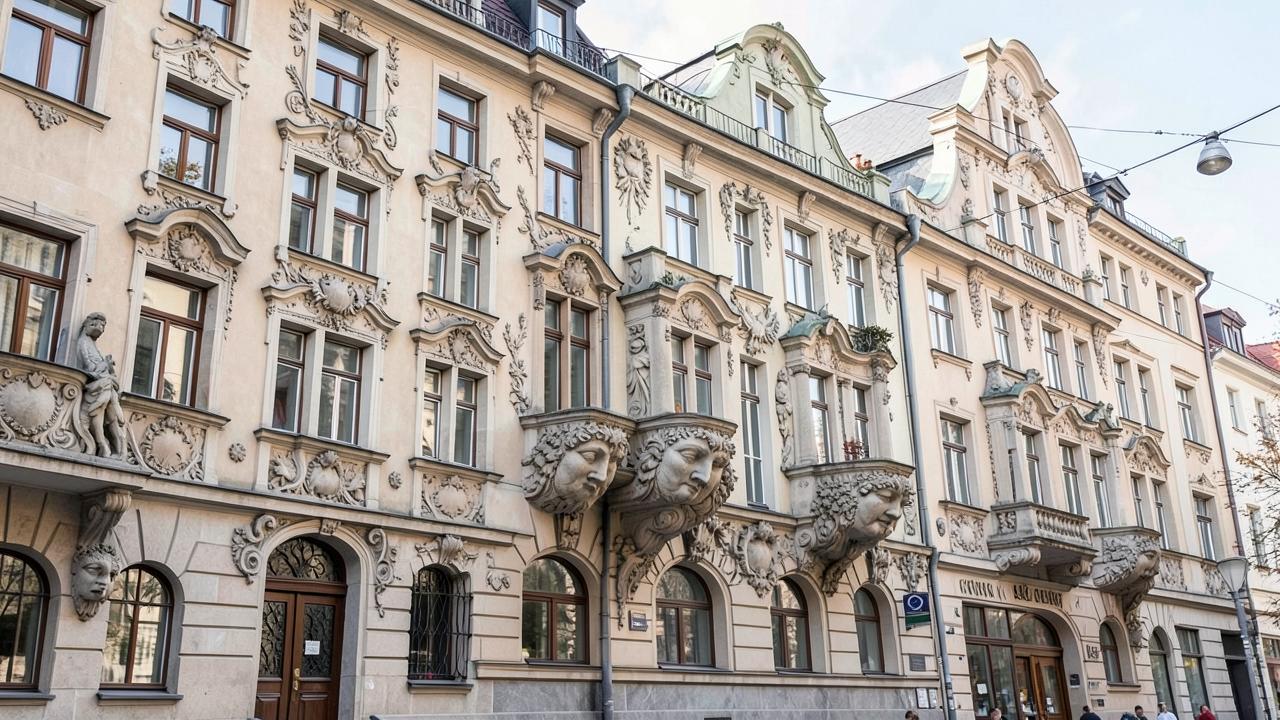
The result is a Gothic street plan filled with baroque churches — more than twenty of them — and a skyline of curved gables and cupolas that looks more like Italy than the Baltic. St Anne's, the exception, is late Gothic in red brick and reputedly so admired by Napoleon that he wanted to carry it back to Paris in the palm of his hand.
Vilnius was also, until 1941, one of the great centres of Jewish life in Europe, known as the Jerusalem of the North, with around a hundred synagogues and a population that was roughly forty percent Jewish. Almost all of it was destroyed. The Vilna Gaon Museum and the surviving synagogue cover that history properly and it should not be skipped.
The old town holds the university, the cathedral, the baroque churches and almost all the hotels.
Užupis, across the river, has the constitution, the galleries and the bars.
Naujamiestis and the station side, west, is where the newer restaurant scene is.
The six below are grouped that way.
Inside the baroque core.
Grand Hotel Vilnius, Curio Collection by Hilton, the former Kempinski Hotel Cathedral Square, occupies a set of restored buildings on Cathedral Square with a spa, a pool and the belfry outside the window. It is the most polished hotel in Lithuania.
Hotel Pacai sits in a seventeenth-century palace on a lane in the old town, restored with the original stonework, frescoes and vaults left visible against a contemporary interior. It is the most interesting building here.
Narutis Hotel occupies a building parts of which date to the sixteenth century, near the university, with a courtyard and a small room count.
Grotthuss Hotel sits on a quiet old town street in a restored townhouse with an art collection and a garden.
Radisson Blu Royal Astorija occupies a 1901 building on the main avenue with a long-standing local reputation and the old town behind it.
Vilnia Hotel sits near the cathedral with contemporary rooms and the best value inside the walls.
The apartment rentals across the old town are excluded, and Vilnius has a large supply of them in baroque and neoclassical buildings at low prices. They are apartments rather than hotels.
Walk into Užupis over the bridge, read the constitution on the wall, and have a drink. The Angel of Užupis in the square was raised in 2002 and the district celebrates its independence day on 1 April.
See the baroque properly: St Peter and St Paul, with something over two thousand stucco figures and no two alike, and the Church of St Casimir.
Go up to the Hill of Three Crosses at dusk for the view over the old town roofs.
Visit the Vilna Gaon Museum of Jewish History and the Choral Synagogue, the only one of around a hundred to survive.
Drive out to Trakai, half an hour west, where a red brick island castle sits in a lake and the Karaim community, brought here in the fourteenth century, still runs restaurants serving kibinai.
Vilnius airport is fifteen minutes from the old town with European connections. Riga is four hours by bus, Warsaw about eight by train.
May to September has the long light and the outdoor tables. December has a Christmas market in Cathedral Square. Winter is cold, dark and very cheap.
The old town is compact and entirely walkable, and Lithuania is among the best value destinations in the European Union.
No. It is a neighbourhood that declared itself a republic in 1997 and has maintained the joke with complete seriousness ever since.
It is the largest surviving medieval old town in the region and it was rebuilt in baroque, which is why it looks Italian.
Among the best value in the European Union, restaurants included.
Two, or three with Trakai.
The next chapter