Royal Route
Raffles Europejski Warsaw
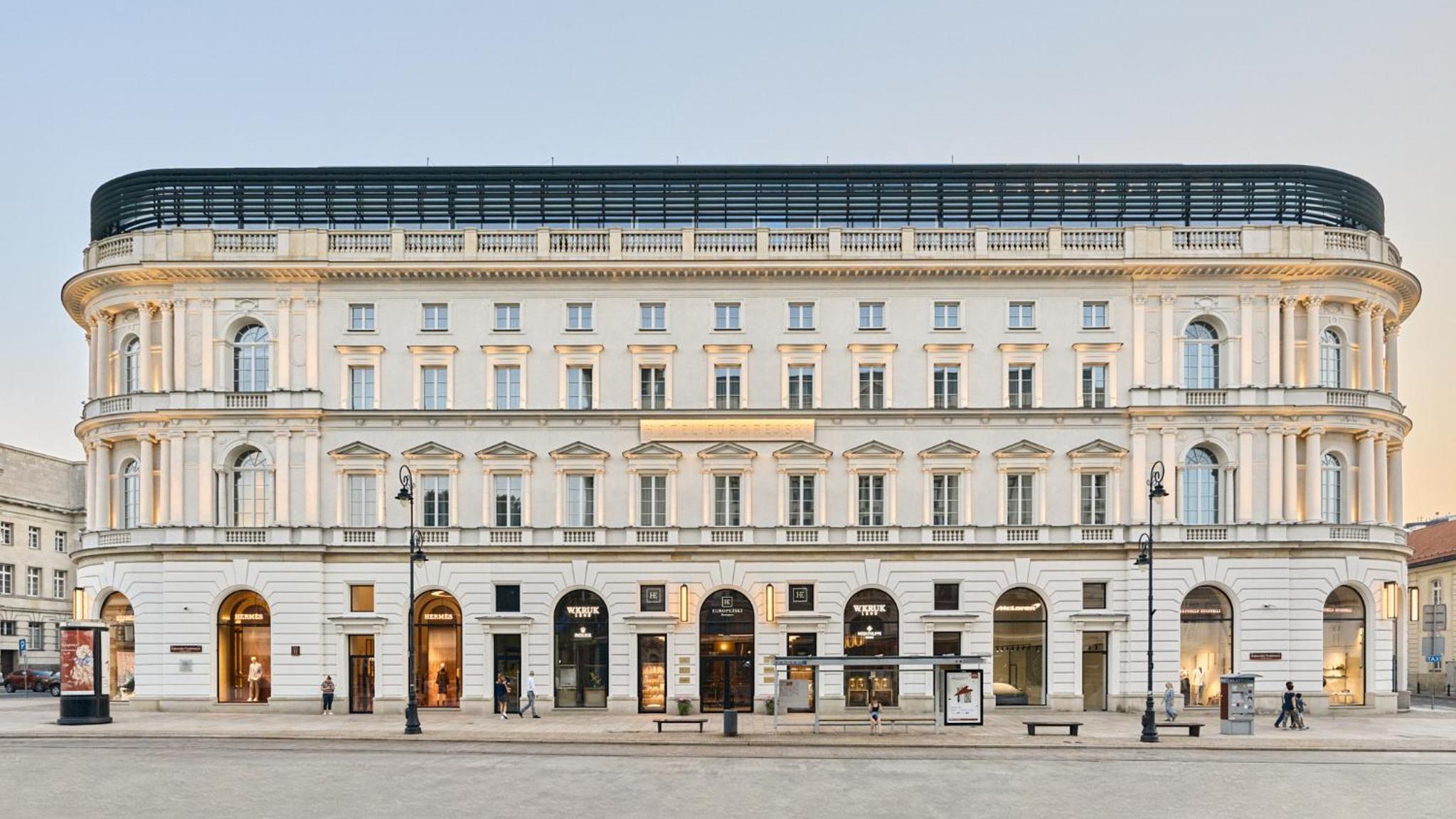
An 1857 building restored over five years, with a serious art collection
Explore Hotel

Warsaw, Poland
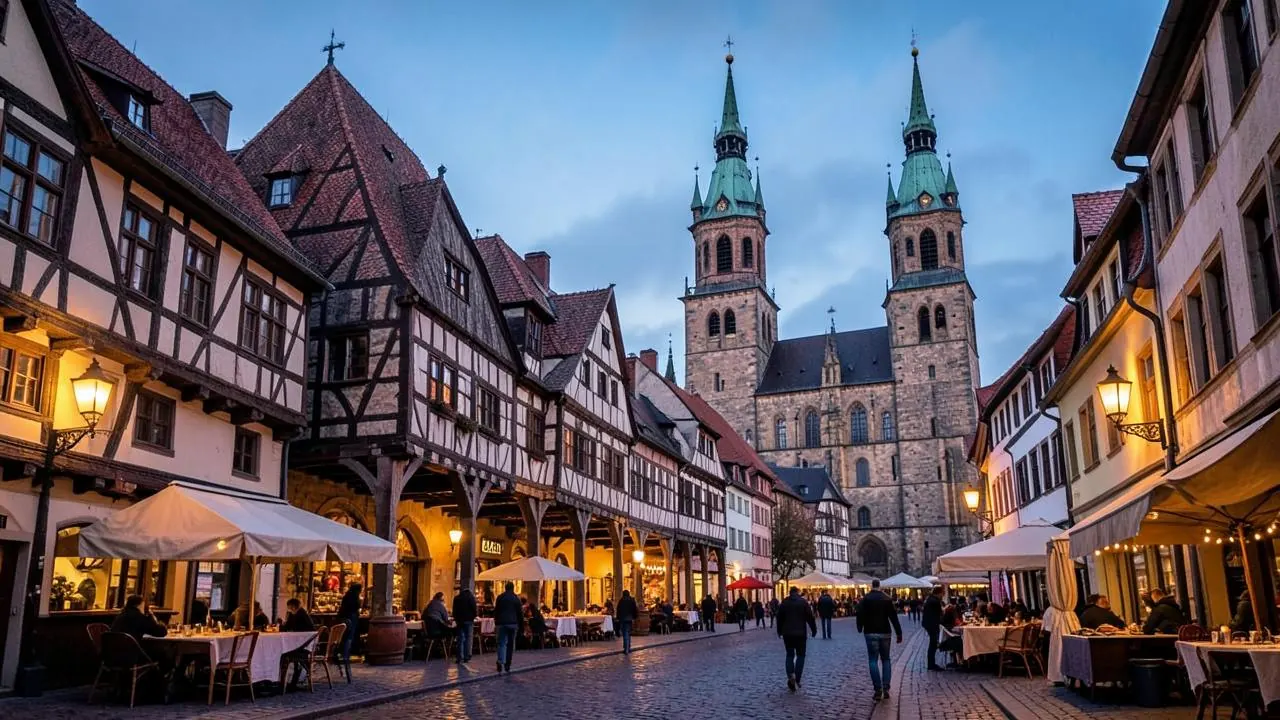
Demolition squads went through building by building after the fighting stopped. The reconstruction used cityscapes painted by Canaletto's nephew.
The places to stay
Royal Route
An 1857 building restored over five years, with a serious art collection
Explore Hotel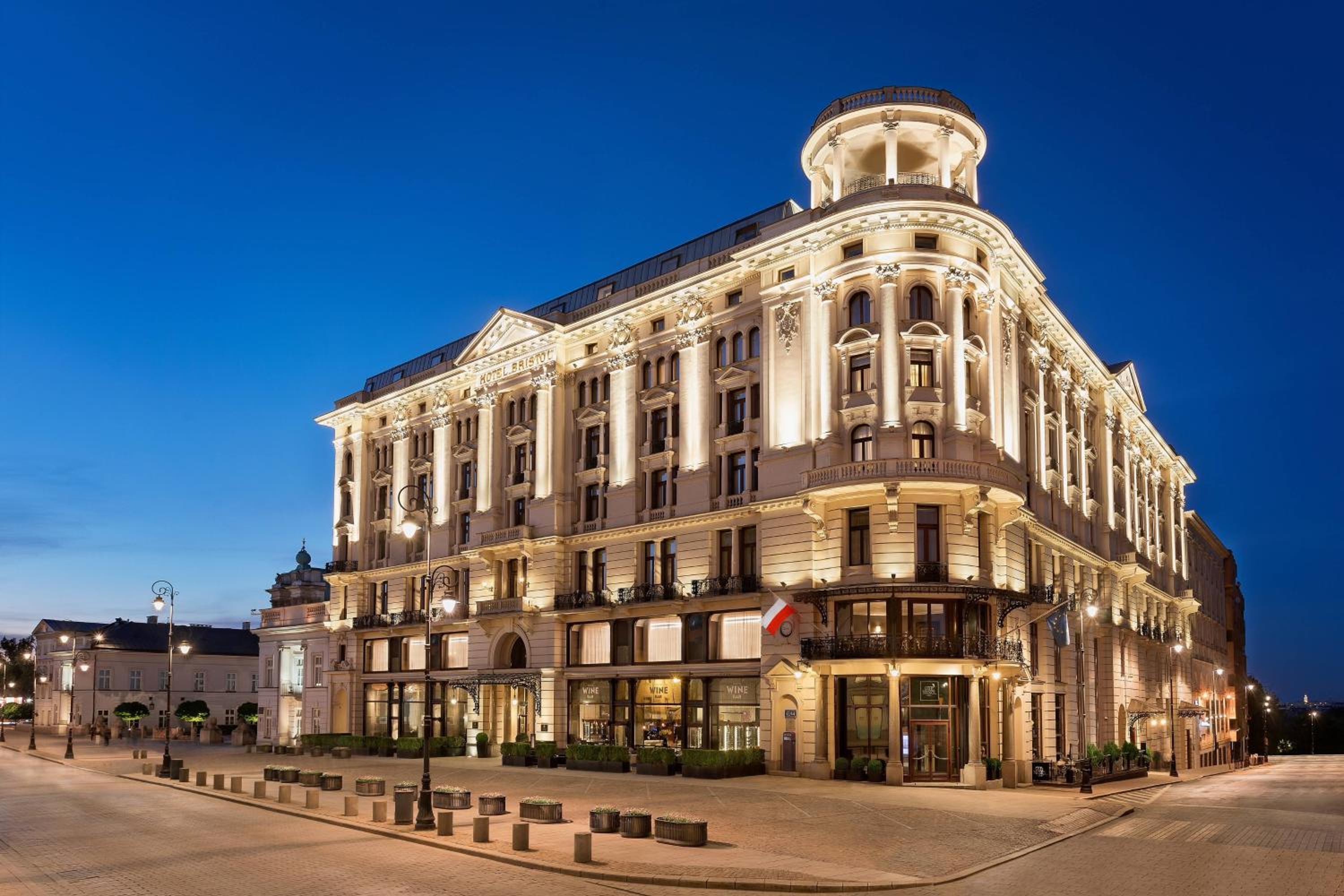
Royal Route
A 1901 art nouveau landmark with a century-old café
Explore Hotel


Central Warsaw
A tower with panoramic rooms and full facilities
Explore Hotel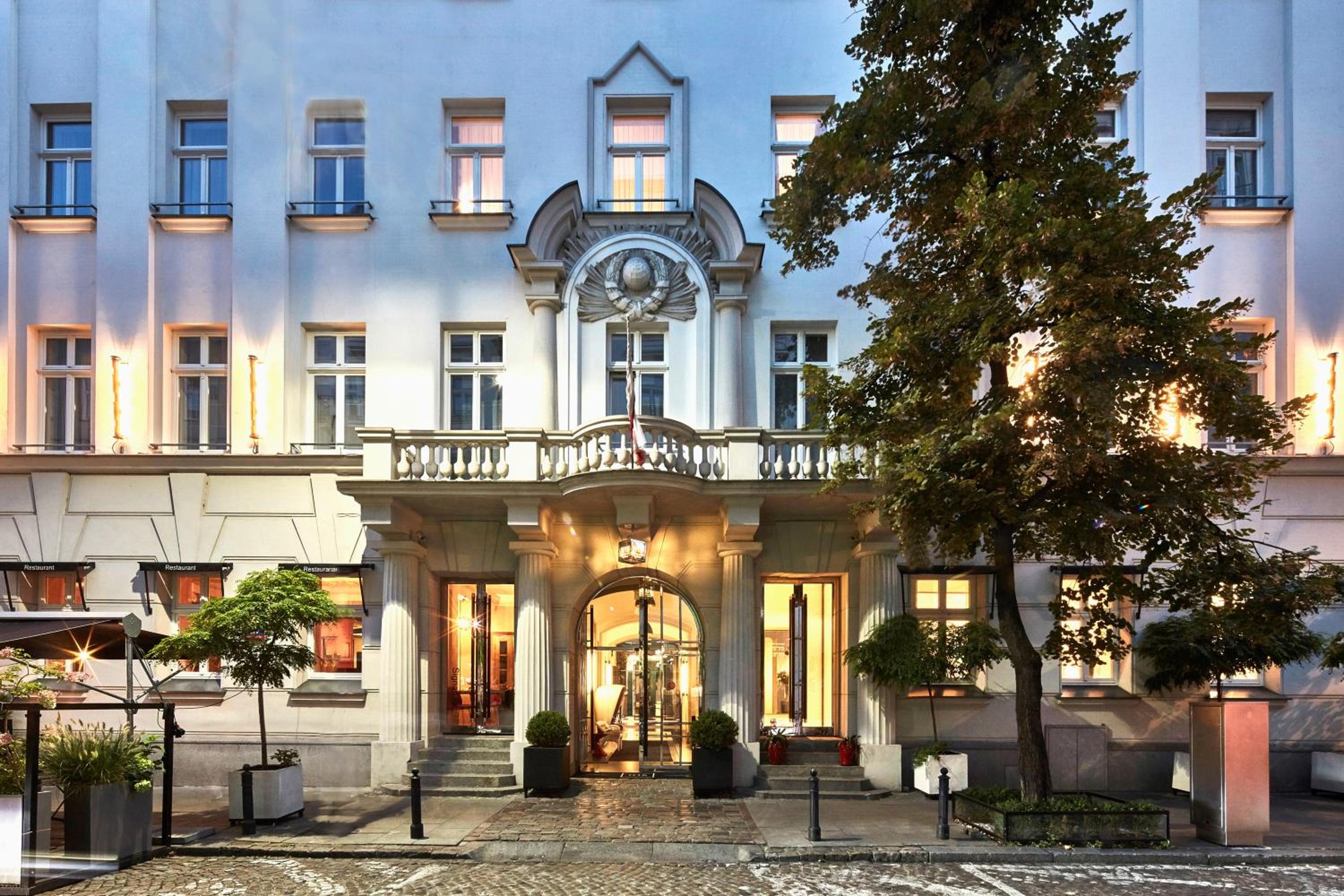
Near Łazienki
A small property with an art collection and a strong kitchen
Explore Hotel
Edge of the Old Town
A rooftop and spa minutes from the reconstructed square
Explore Hotel

By Happi · Last updated September 2026
A little local perspective
$$ to $$$$ — roughly 150-500 euros a night, peaking May to September
Warsaw's old town is about eighty years old. In 1944, after the Warsaw Uprising, German demolition squads went through the city systematically with flamethrowers and explosives, building by building, on orders to erase it. Something in the region of eighty-five percent of the historic centre was destroyed on purpose after the fighting had stopped.
It was rebuilt between 1945 and 1966, and the reference used was a set of eighteenth-century cityscapes painted by Bernardo Bellotto, who worked in Warsaw for the last decade of his life and signed himself Canaletto, his uncle's name. His paintings were detailed enough to reconstruct façades, window proportions and decorative detail from. Architecture students had measured and drawn much of the old town in the 1930s, and those surveys survived.
UNESCO listed the result in 1980, and the citation is explicit that it is being listed as a reconstruction — an exceptional example of the near-total rebuilding of a heritage site, and of what a population decided to do about its own erasure.
Warsaw is not a museum city and it does not pretend to be. Outside the old town it is a working capital of steel and glass with a Stalinist tower in the middle of it — the Palace of Culture and Science, a gift from the Soviet Union that Varsovians have had complicated feelings about for seventy years, and from whose viewing terrace you get the only view of Warsaw that does not include it.
The Old Town and New Town hold the reconstructed squares, the royal castle and the barbican.
Śródmieście, the centre, has the Palace of Culture, Nowy Świat and the main hotels.
Praga, across the Vistula, largely survived the war because the Red Army stopped there, so it has the pre-war tenements and courtyards the west bank lost. It is now the art and nightlife district.
Wilanów and Łazienki, south, are the royal palaces and the park where Chopin concerts are played free under a statue on summer Sundays.
The nine below are grouped that way.
The main hotel district.
Raffles Europejski Warsaw occupies an 1857 building on the Royal Route, restored over five years with the original spaces reopened and a very large art collection through the public rooms. It is the best hotel in Poland.
Hotel Bristol, a Luxury Collection Hotel sits next door in a 1901 art nouveau landmark where Paderewski was a shareholder, with a Malinowa dining room and a café that has been a Warsaw institution for a century.
Nobu Hotel Warsaw occupies a building near the Palace of Culture with a Japanese restaurant, a spa and the most contemporary rooms in the city.
Regent Warsaw Hotel sits in the diplomatic quarter with a pool, a large spa and a quieter setting than the Royal Route.
InterContinental Warszawa occupies a tower in the centre with panoramic rooms and full facilities.
H15 Boutique Hotel sits near Łazienki park in a small property with an art collection, a courtyard and a strong kitchen.
Among the reconstruction.
Hotel Verte, Autograph Collection occupies a building on the edge of the Old Town with a rooftop, a spa and the reconstructed square a short walk away.
Mamaison Hotel Le Regina sits in the New Town in a converted building with a garden, a pool and a quieter position.
Across the river, in the surviving tenements.
Warsaw Marriott Hotel occupies a position near the river with contemporary rooms and the Praga galleries and bars across the bridge.
The apartment rentals across Śródmieście are excluded, and Warsaw has a very large supply of them at low prices. They are apartments rather than hotels.
Go to the Warsaw Rising Museum, which covers the 63 days of the 1944 uprising and the destruction that followed. It is crowded, it is not gentle, and it is the single thing that makes the rest of the city legible.
Walk the Old Town knowing what you are looking at, and then find the Bellotto paintings in the Royal Castle and compare.
Visit POLIN, the Museum of the History of Polish Jews, built on the site of the ghetto, which covers a thousand years rather than only the destruction.
Hear Chopin. Free concerts run at Łazienki park on summer Sundays, and the Chopin Museum is in a baroque palace nearby.
Cross to Praga for dinner and the Neon Museum, a collection of Cold War-era signage rescued from across the eastern bloc.
Chopin airport is fifteen minutes from the centre; Modlin is further out and serves budget carriers. Kraków is two and a half hours by train.
May, June and September are the best months. Summer is warm and the parks are the point. Winter is cold, grey and cheap, and the museums are the reason to be there.
Warsaw is substantially better value than western European capitals, restaurants included.
No. It was rebuilt between 1945 and 1966 after deliberate demolition, using eighteenth-century paintings and 1930s student surveys as reference.
The Warsaw Rising Museum. Everything else in the city reads differently afterwards.
The centre has the hotels and the restaurants; the Old Town is fifteen minutes north on foot.
Three. Two for the museums and one for Praga and the parks.