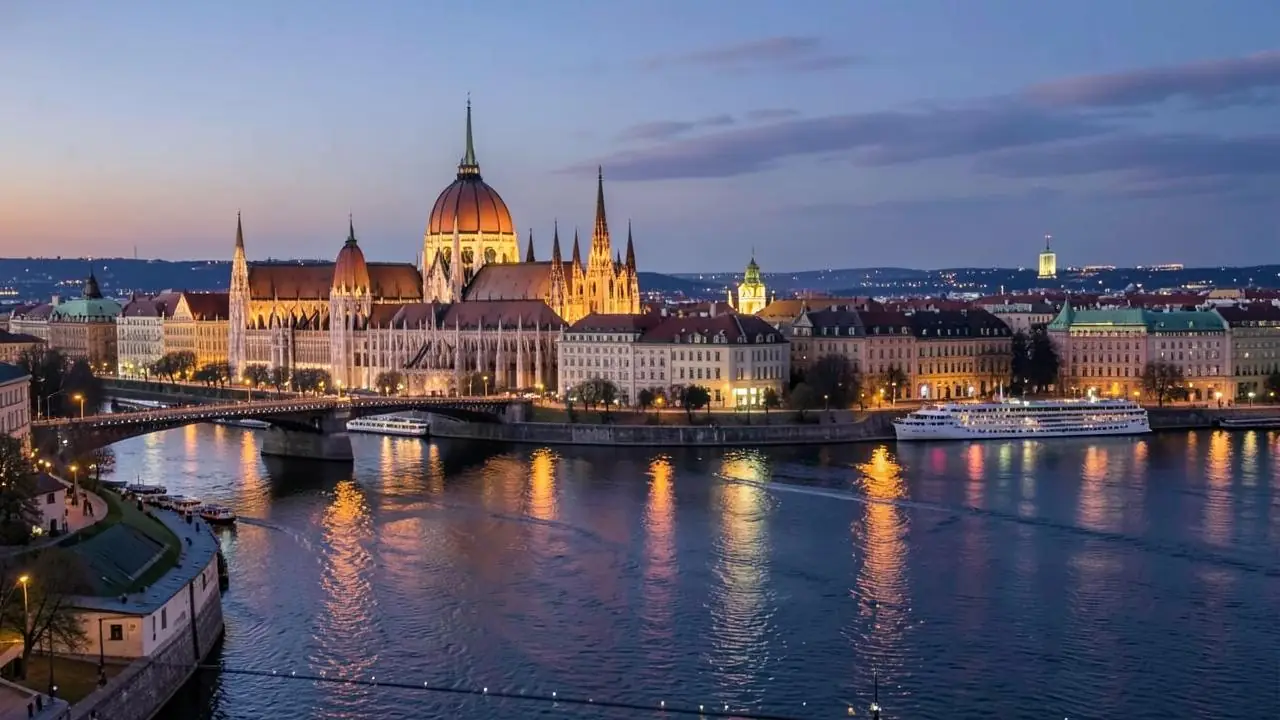
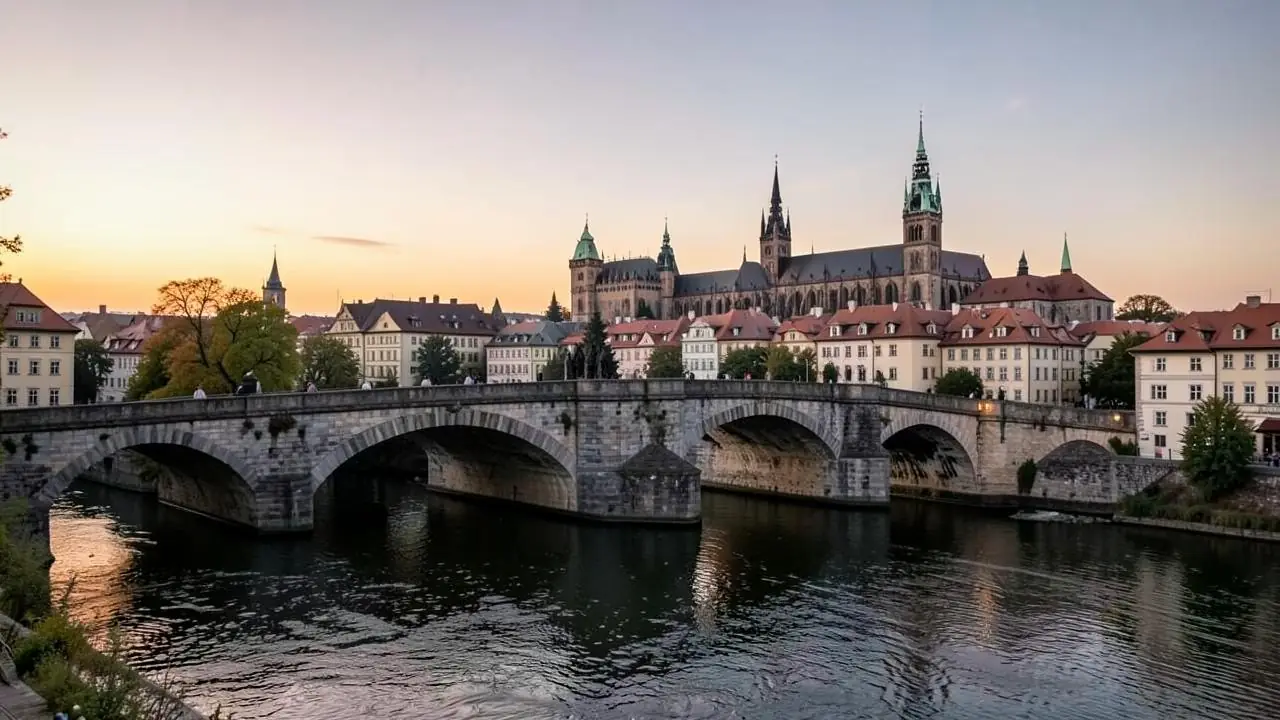
Kanonicza, below Wawel
Hotel Copernicus
Renaissance painted ceilings and a pool in the Gothic cellar
Explore Hotel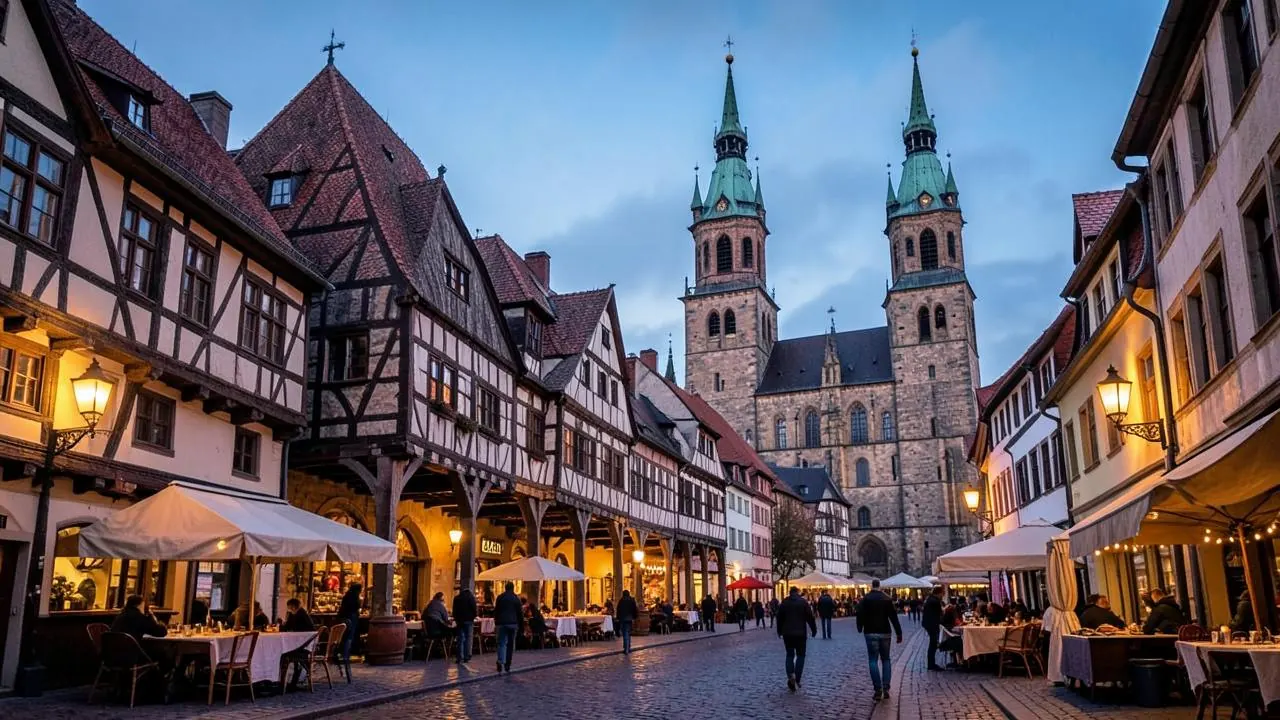

Krakow, Poland
Two hundred metres square, laid out in 1257, and one of the few Polish cities that came through the war with its buildings intact.
The places to stay
Kanonicza, below Wawel
Renaissance painted ceilings and a pool in the Gothic cellar
Explore Hotel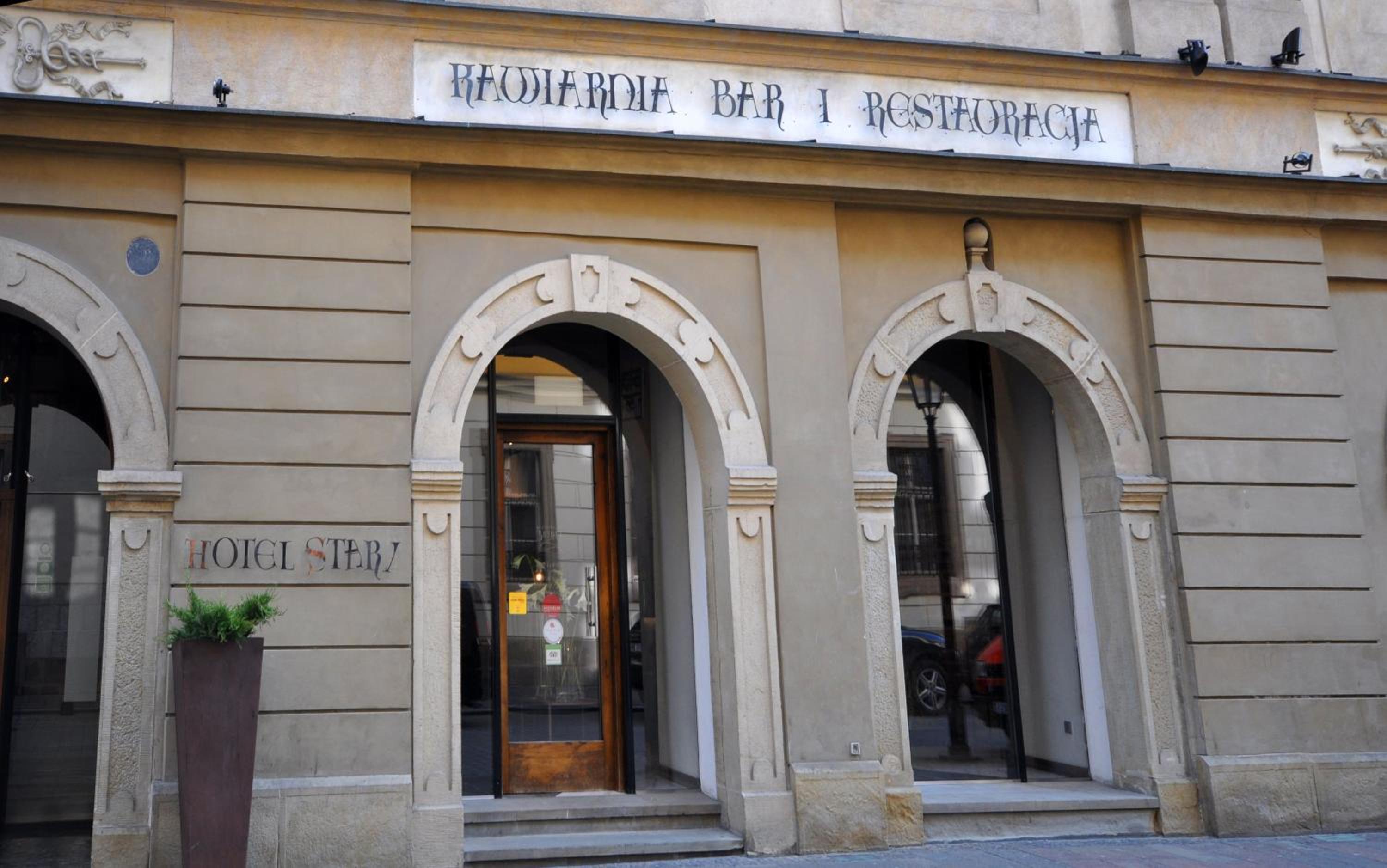


Planty, by the Vistula
Spa, pool and the fullest facilities in the old town
Explore Hotel

Old town edge
Contemporary rooms below the historic-property rates
Explore Hotel
Straszewskiego, Planty
Reliable rooms positioned for both quarters
Explore Hotel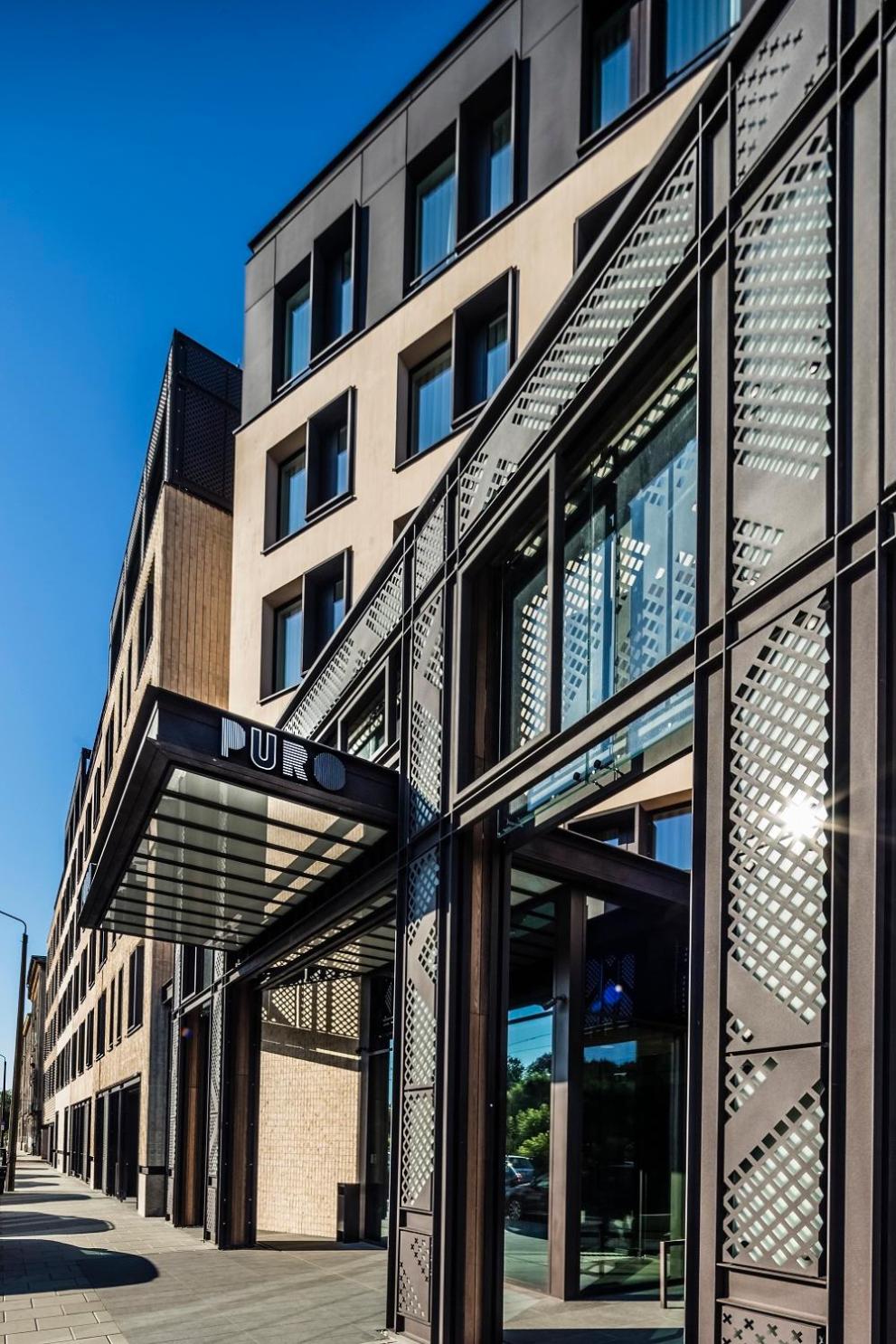


By Happi · Last updated September 2026
A little local perspective
$$ to $$$$ — roughly 150-600 euros a night, peaking May to September
Kraków's Rynek Główny is 200 metres square, which makes it the largest medieval town square in Europe. It was laid out in 1257 and it has never been rebuilt, because Kraków is one of the very few Polish cities that came through the Second World War with its buildings substantially intact.
That is the reason the old town is what it is, and it is also inseparable from the other reason people come here.
The Stare Miasto, the old town, sits inside the Planty, a ring of park where the walls were. The Rynek, the Cloth Hall, St Mary's Basilica and the university are in it, and Wawel Castle sits on a rise at its southern edge above the Vistula.
Kazimierz, ten minutes' walk south, was the Jewish quarter from the fourteenth century. Around 68,000 Jews lived in Kraków before 1939. The Nazi occupation moved them to the Podgórze ghetto across the river and then to the camps, and almost none returned.
Kazimierz today holds seven surviving synagogues, the old cemeteries, and a quarter that has become the city's centre for bars, restaurants and small hotels. Both things are true at once and the district holds them without much difficulty.
The memorial and museum at Oświęcim is about 70 kilometres west, an hour and a half each way, and a visit takes a full day.
It is a memorial at the site of a mass murder, not a sightseeing stop. Entry is free and requires a booked timed ticket, which should be reserved well in advance; guided tours in most languages are available and are the better way to do it. Visitors are asked to dress and behave appropriately, and the museum publishes guidance that is worth reading before going.
Most people find they need the rest of the day afterwards. Plan accordingly rather than scheduling dinner reservations.
The twelve below are grouped by quarter.
Inside the Planty, around the Rynek.
Hotel Copernicus occupies two fourteenth-century buildings on Kanonicza street below Wawel, with Renaissance painted ceilings, a pool in the Gothic cellar and a rooftop looking at the castle. It is the finest hotel in Poland.
Hotel Stary sits a street from the Rynek in a restored townhouse with a rooftop terrace, a pool in the vaults and a strong restaurant.
Bonerowski Palace occupies a fourteenth-century palace on the corner of the Rynek itself, with rooms overlooking the square and the Cloth Hall.
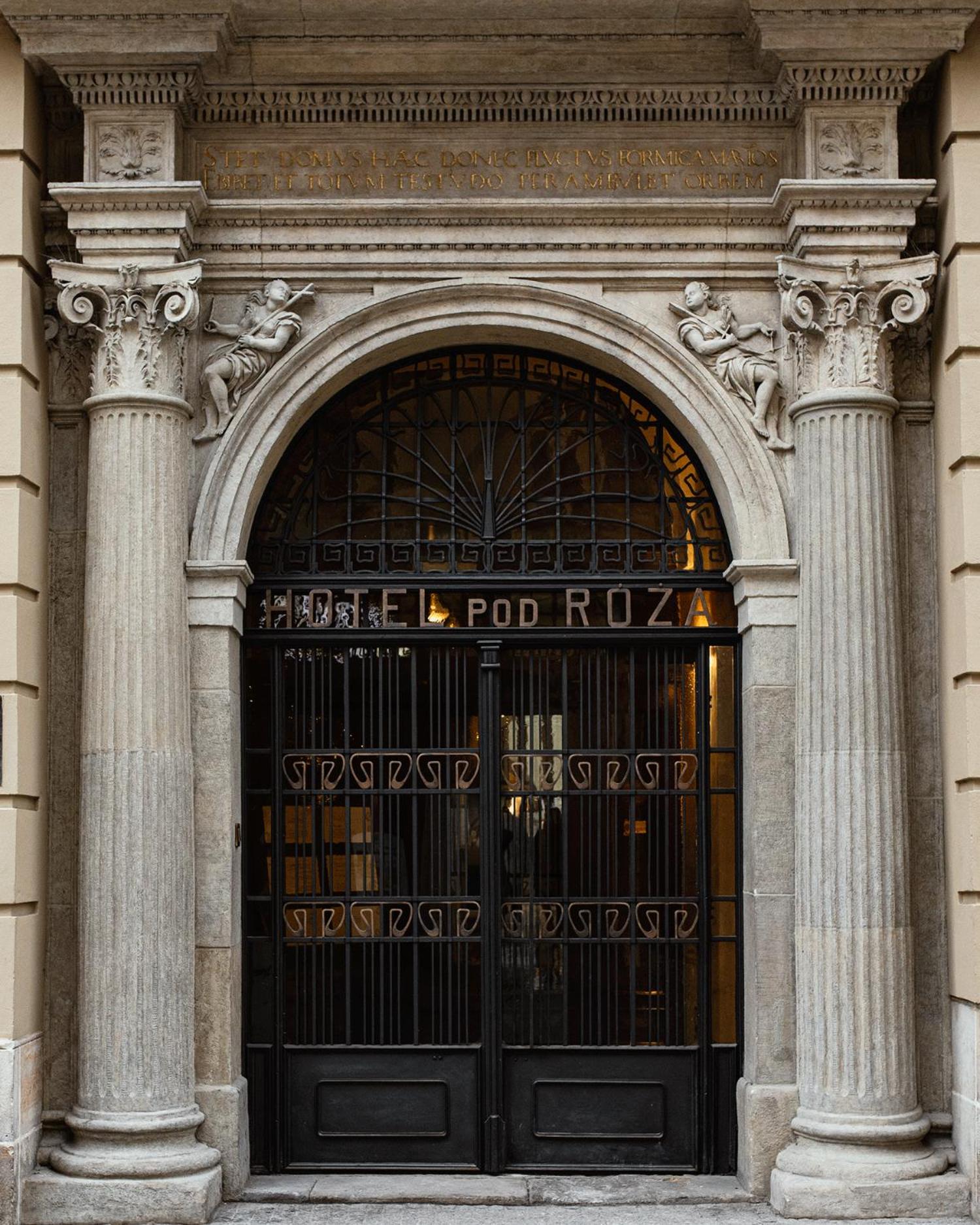
Hotel Pod Różą sits on Floriańska street in a building that has taken guests since the sixteenth century, with a restaurant in the cellar and the market square at the end of the road.
Sheraton Grand Kraków occupies a position on the Planty with a spa, a pool and the most complete facilities in the old town.
Hotel Unicus Palace sits in a restored townhouse near the Rynek with a small room count and a courtyard.
Hotel Indigo Kraków Old Town occupies a building a short walk from the square with contemporary rooms and rates below the historic properties.
Radisson Blu Hotel Kraków sits on the edge of the old town with reliable rooms, a spa and a good position for both quarters.
Ten minutes south. Synagogues, cemeteries, bars and restaurants.
Kazimierz Residence occupies a restored building on Szeroka street, the historic heart of the quarter, with a rooftop terrace over the square.
PURO Kraków Kazimierz sits in a contemporary building on the edge of Kazimierz with a design-led interior, a good bar and the best value of the newer hotels.
Queen Boutique Hotel occupies a converted property between the two quarters with a courtyard and a short walk to either.
Across the river, the former ghetto district.
Metropolo by Golden Tulip Kraków sits near the Vistula with contemporary rooms, a good restaurant and the shortest walk to the Schindler factory museum.
The apartment rentals across the old town and Kazimierz are excluded, and Kraków has a very large supply of them at low prices. They are apartments rather than hotels.
Walk the Rynek early. At seven in the morning the largest medieval square in Europe is empty and the trumpet call from St Mary's tower, played hourly and cut off mid-phrase, sounds across it to nobody.
Go into Wawel Castle and cathedral, which is the coronation site of Polish kings, and down to the dragon's den beneath it.
Do Kazimierz properly: the Remuh synagogue and cemetery, the Old Synagogue, Plac Nowy, and the Galicia Jewish Museum, which is the best introduction to the quarter's history.
Visit the Schindler factory museum in Podgórze, which is about occupied Kraków rather than the film.
The Wieliczka salt mine is 30 minutes south, a UNESCO site with chapels carved out of rock salt 100 metres underground.
Eat and drink well. Kraków's food has improved sharply and the milk bars, the state-era canteens, still serve pierogi for very little.
Kraków's airport is 30 minutes from the centre with heavy European traffic and a train link. Warsaw is two and a half hours by fast train.
May, June and September are ideal. Summer is busy. December has one of the better Christmas markets in Europe. Winter is cold and quiet.
Book Auschwitz-Birkenau timed entry well ahead, particularly in summer, and allow the whole day.
Prices shown are sample rates from upcoming dates — not quotes for specific dates. Open a hotel and choose your own dates and guests to see the exact price.
Book a free timed ticket in advance, take a guided tour, allow a full day, and read the museum's visitor guidance before going.
Old town for the square and the castle, Kazimierz for the history, the restaurants and lower rates. Ten minutes apart.
It escaped the systematic destruction that flattened Warsaw, and the old town survived largely as it was.
Four. Two for the city, one for Auschwitz-Birkenau and one for Wieliczka or Kazimierz.