Taormina terrace
San Domenico Palace, Taormina
A fourteenth-century convent with a pool facing Etna
Explore Hotel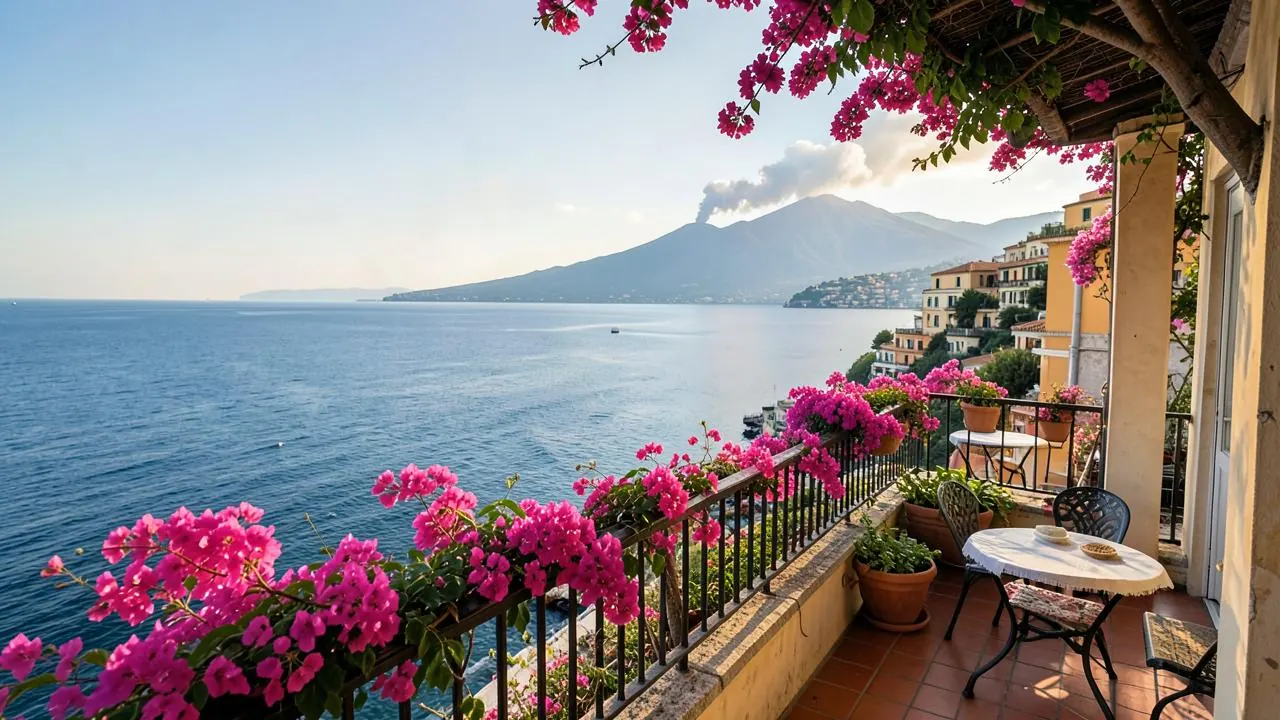

Taormina and Eastern Sicily, Italy
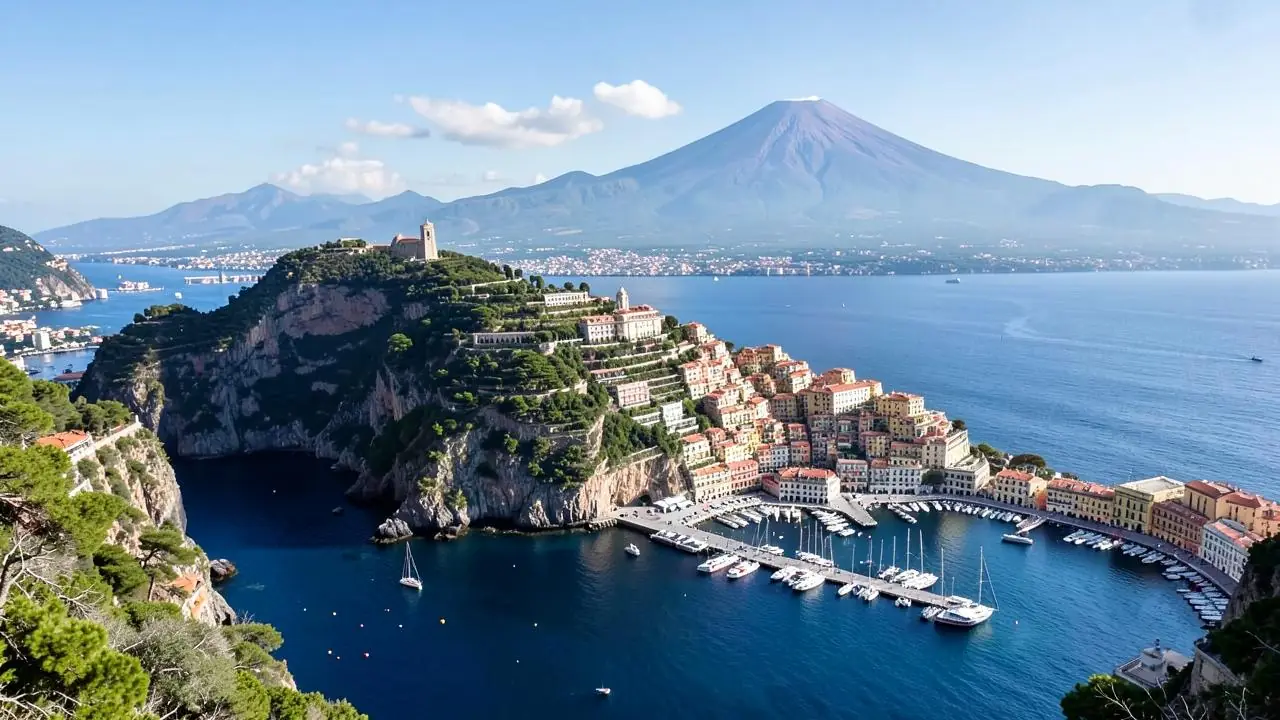
A third-century BC theatre cut into the hillside so that the stage opens onto a live volcano. The town has faced the same way ever since.
The places to stay
Taormina terrace
A fourteenth-century convent with a pool facing Etna
Explore Hotel
Beside the Greek theatre
The terrace with the view the theatre was built for
Explore Hotel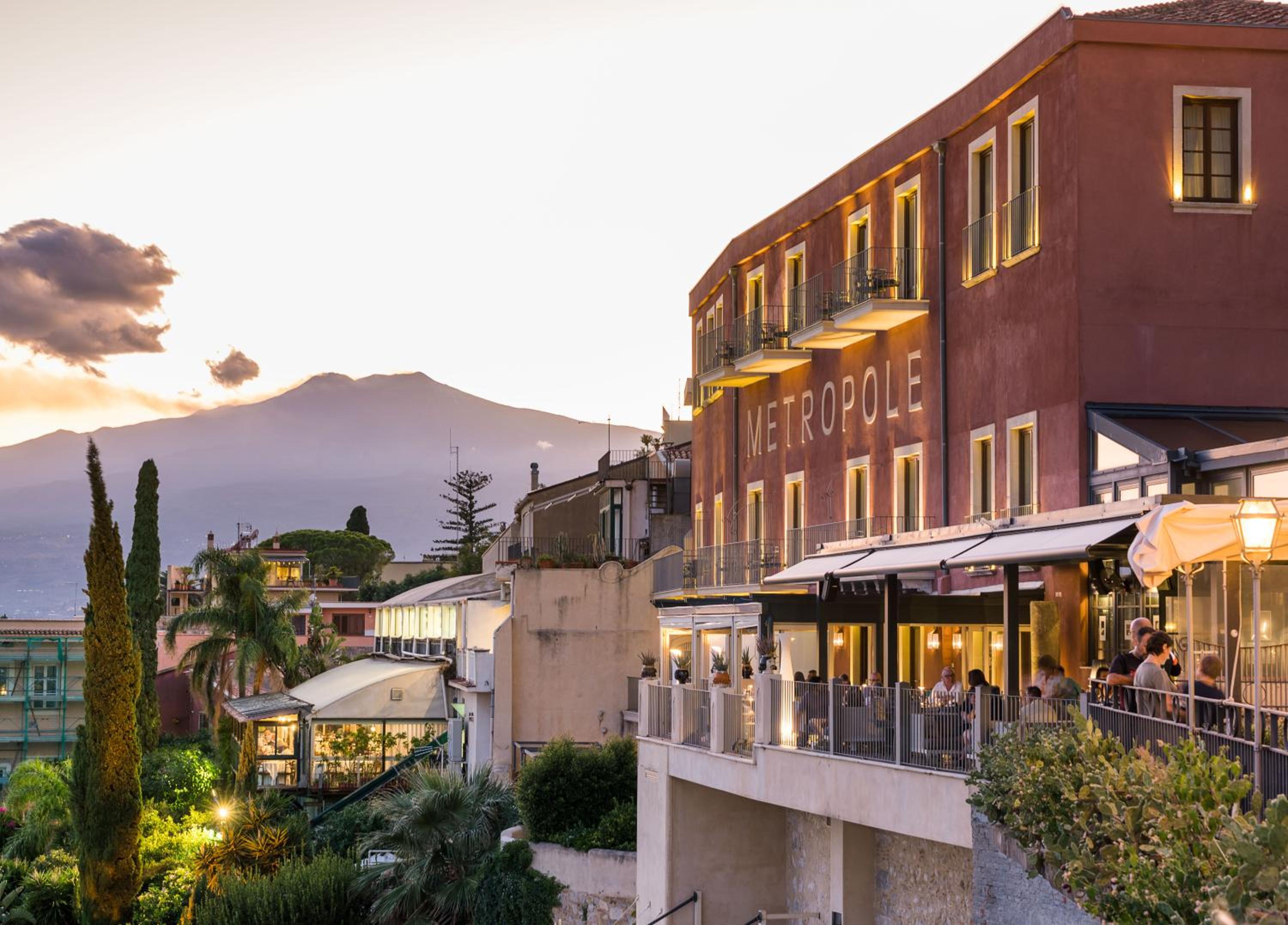


Mazzaro bay
A private beach and a garden, three minutes below by cable car
Explore Hotel
Ortigia, Syracuse
Rooftop pool over the harbour of the island old town
Explore Hotel
Ortigia lanes
Exposed stone and a courtyard near the cathedral square
Explore HotelBy Happi · Last updated September 2026
A little local perspective
$$$ to $$$$ — roughly 300-1,500 euros a night, peaking July and August
Etna is 3,300 metres high, it is the most active volcano in Europe, and it erupts often enough that ash on the cars in Catania is an ordinary inconvenience rather than an event. It also dominates the view from Taormina, 45 kilometres north along the coast, and this is the thing to get right when booking.
Taormina sits on a terrace about 200 metres above the sea on the eastern flank of a headland. The town faces two ways: south toward Etna and the bay, and north up the coast. Only the southern aspect sees the volcano.
The town itself, on the terrace, has the Corso Umberto, the Greek theatre and the hotels with the view. Everything is on foot and it is steep.
Mazzarò, at sea level directly below, has the beaches, the Isola Bella nature reserve and a cable car up to the town that takes three minutes.
Castelmola, 500 metres above, is a village on the peak with a view over everything and almost nothing in it.
The Greek theatre is the reason the view is famous: a third-century BC amphitheatre cut into the hillside, later rebuilt by the Romans, positioned so that the stage opens onto Etna and the sea behind it. It still stages a summer festival.
Syracuse is 90 minutes south, and its old town on the island of Ortigia is the finest urban space in Sicily: a baroque square built over a Greek temple, with the columns still visible in the cathedral walls.
Noto, 40 minutes further, was rebuilt entirely after the 1693 earthquake in a single style and is the most complete baroque town in Europe.
Catania, between them, has the airport, a fish market that is a genuine spectacle and a city built from black lava stone.
The eight below are grouped that way.
On the terrace, facing Etna.
San Domenico Palace, Taormina occupies a fourteenth-century convent on the edge of the terrace with a cloister, a garden and a pool looking straight down the coast at the volcano. It is the finest hotel in Sicily.
Grand Hotel Timeo, A Belmond Hotel sits directly beside the Greek theatre with a terrace that has the same view the theatre was built for, a garden and a bar that has been a fixture for over a century.
Metropole Taormina occupies a townhouse on the Corso with a small room count, a rooftop and a personal operation.
Villa Ducale sits above the town toward Castelmola in a former villa with terraced gardens, a pool and the widest view of Etna of anything here.
Below the town, with the beaches and the cable car.
Belmond Villa Sant'Andrea occupies a nineteenth-century villa in gardens on the bay at Mazzarò, with a private beach, a pool and a boat. It is a three-minute cable car from the town above.
Ninety minutes south. The island old town.
Ortea Palace Hotel occupies a restored nineteenth-century palace on the Ortigia waterfront with a rooftop pool over the harbour and the baroque centre behind it.
Algila Ortigia Charme Hotel sits in a converted medieval building in the Ortigia lanes with a courtyard, exposed stone and the shortest walk to the cathedral square.
Forty minutes further south. The baroque town.
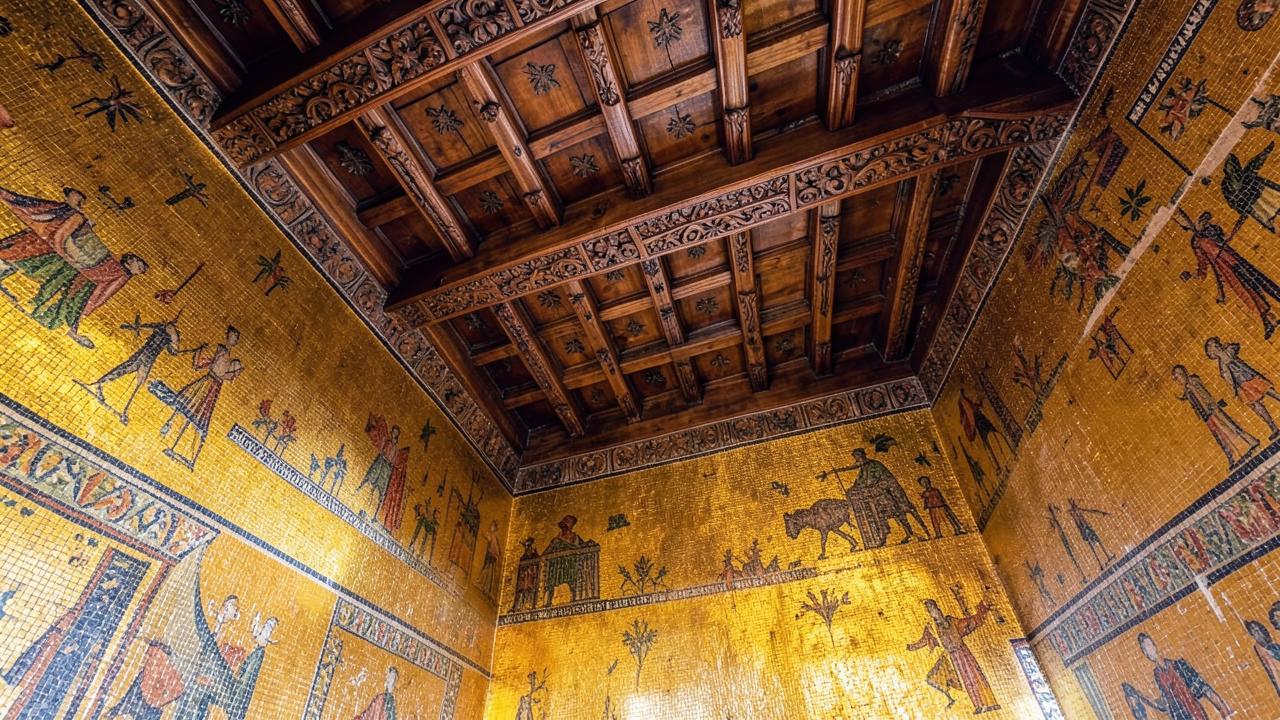
Seven Rooms Villadorata occupies part of an eighteenth-century palace on Noto's main street with a handful of rooms, frescoed ceilings and a courtyard. It is the best small hotel in southeastern Sicily.
The large beach resorts along the coast at Giardini Naxos and Letojanni are excluded. They are cheaper, they have the sand and they sit below the terrace with a view of the headland rather than the volcano.
Go up Etna. The southern side from Rifugio Sapienza has a cable car and four-wheel-drive access to around 2,900 metres; the northern side from Piano Provenzana is quieter. Access depends on current activity and it changes; go with a guide and check the day.
See the Greek theatre in the late afternoon when the light is on Etna, and go to a performance if the summer festival is running.
Swim at Isola Bella, a tiny island joined to the shore by a spit of shingle, which is a nature reserve and a very good snorkel.
Do Ortigia properly: the cathedral built into a Greek temple, the Fonte Aretusa where papyrus grows, and the fish market in the morning.
Eat Sicilian: pasta alla Norma, arancini, granita with brioche for breakfast, and the almond and pistachio pastries that are the island's real speciality.
Catania airport is about an hour from Taormina and 45 minutes from Syracuse, with heavy European traffic. Ash from Etna occasionally closes it briefly.
May, June, September and October are ideal. July and August are very hot and Taormina is at capacity. Winter is mild and much of the town is quiet.
Taormina is pedestrian in the centre and steep. Park outside and walk, or use the cable car from Mazzarò.
Prices shown are sample rates from upcoming dates — not quotes for specific dates. Open a hotel and choose your own dates and guests to see the exact price.
No. Only the southern aspect of the Taormina terrace sees the volcano. Ask which way the room faces.
Town for the theatre, the Corso and the view. Mazzarò for the sand, three minutes below by cable car.
Access is managed and depends on current activity. Go with a licensed guide and check the day's conditions.
Five. Three in Taormina and two in Ortigia.
Search 4 and 5 star hotels in Taormina and Eastern Sicily, Italy