Outside Jinghong
Anantara Xishuangbanna Resort
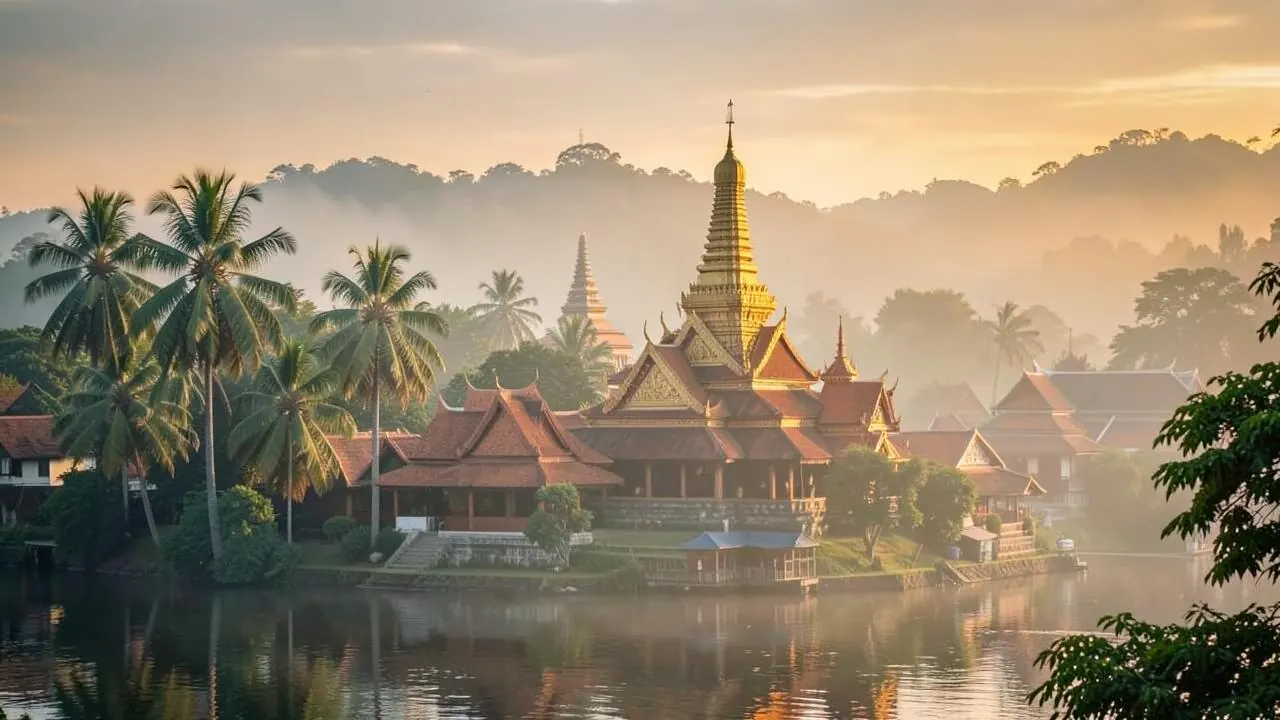
Villas in tropical gardens drawn from Dai architecture
Explore Hotel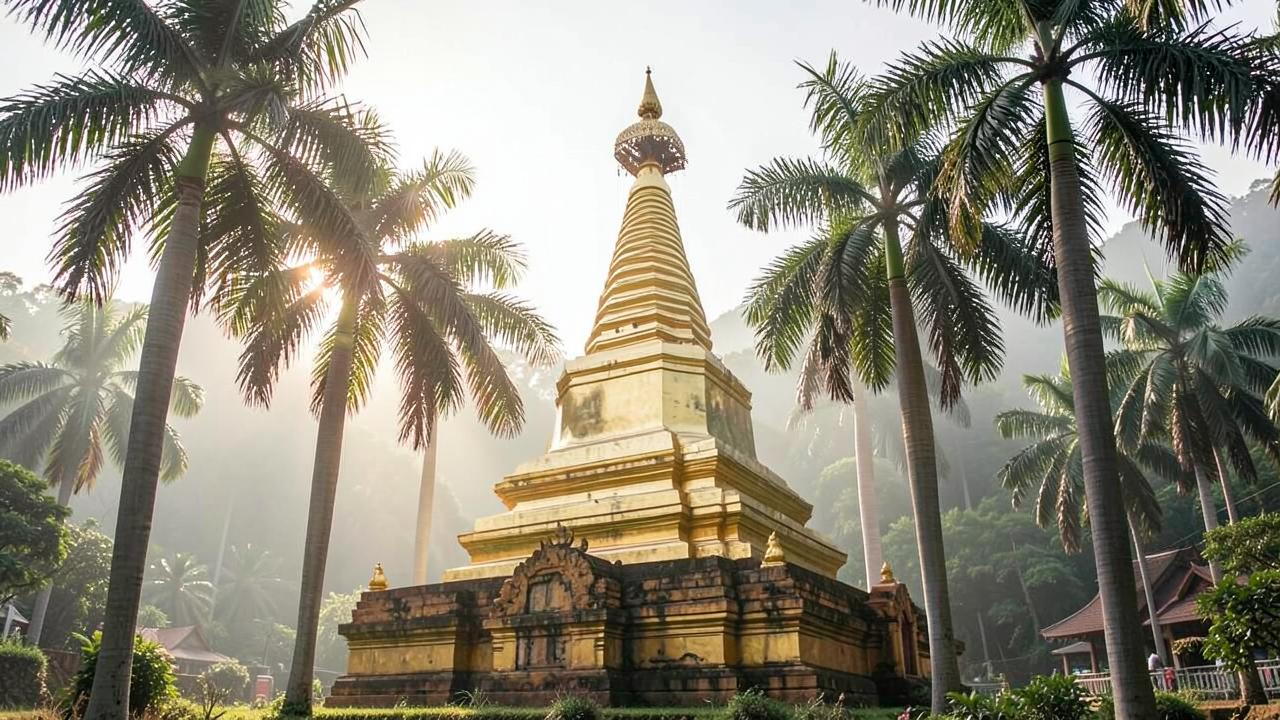

Xishuangbanna, China
Strangler figs, wild elephants and a fifth of China's plant species, in a Tai kingdom whose people write their own script and follow their own calendar.
The places to stay
Outside Jinghong
Villas in tropical gardens drawn from Dai architecture
Explore Hotel
Jinghong, Mekong
A spa and pool with rooms facing the river
Explore Hotel


Near the Mekong, Jinghong
Straightforward rooms at the prefecture's best value
Explore HotelBy Happi · Last updated September 2026
A little local perspective
$$ to $$$ — roughly $120-400 a night, peaking October to April
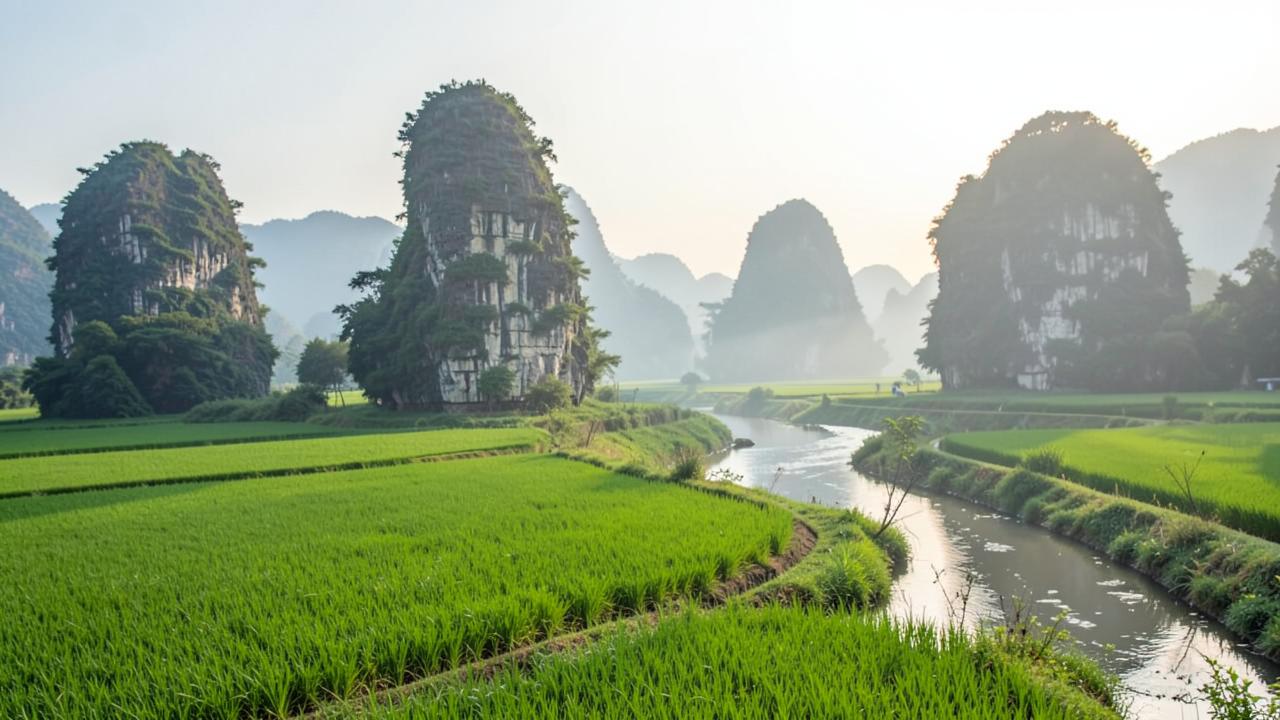
Xishuangbanna is the only part of China with genuine tropical rainforest. It sits in the far south of Yunnan, pressed against the borders of Laos and Myanmar, on the same latitude as central Thailand, and the vegetation belongs to Southeast Asia rather than to China — strangler figs, buttress roots, wild elephants and around a fifth of the country's plant species in a fraction of a percent of its land.
The name is a Chinese rendering of the Tai Sipsong Panna, meaning twelve rice-growing districts, and the region was an independent Tai kingdom for most of its history. The Dai people who live there are culturally and linguistically closer to Thailand and Laos than to Beijing — Theravada Buddhist rather than Mahayana, with their own script, their own calendar and stupas that look nothing like Chinese pagodas.
Until recently getting here meant a flight or a very long drive. In December 2021 the China-Laos Railway opened — a line running from Kunming through Xishuangbanna and on to Vientiane, largely in tunnel and on viaduct through some genuinely difficult terrain.
Kunming to Jinghong now takes about three hours. The through service to Laos put a Chinese tropical region on a direct rail line to Southeast Asia for the first time, and the effect on the area is still working itself out.
Dai new year falls in mid-April and is marked by Songkran in the Thai and Lao form, called the Water-Splashing Festival here. Three days of it, with dragon boat racing on the Mekong — called the Lancang on this stretch — sky lanterns, and everyone in the street soaking everyone else.
It is the biggest event in the region by a wide margin and accommodation books out.
Xishuangbanna and neighbouring Pu'er are where pu'er tea comes from, and some of the tea trees on the old mountains are several hundred years old and are harvested by climbing them. The Jingmai Mountain ancient tea forests, just outside the prefecture, were UNESCO-listed in 2023 as a cultural landscape — the first tea-growing site anywhere to be listed.
The five below are grouped around Jinghong, which is where the inventory is.
The prefecture capital.
Anantara Xishuangbanna Resort occupies a large site outside Jinghong with villas among tropical gardens, several pools and a spa, in a design drawing on Dai architecture rather than resort generic. It is the best hotel in southern Yunnan.
InterContinental Xishuangbanna Resort sits on the Mekong with a pool, a spa and rooms facing the river.
Wanda Vista Xishuangbanna occupies a tower in Jinghong with a spa, a pool and the night markets nearby.
Crowne Plaza Xishuangbanna sits in the city with contemporary rooms, a pool and reliable facilities at a lower rate.
Pullman Xishuangbanna occupies a position near the river with straightforward rooms and the best value in the prefecture.
The Dai village guest houses across the prefecture are excluded, and staying in a stilt house in a working village is how a great many Chinese visitors see the region. They are guest houses rather than hotels.
Go to the Tropical Botanical Garden at Menglun, which is a serious research institution of the Chinese Academy of Sciences across about 1,100 hectares, with over 13,000 species and far more substance than a garden visit implies.
See the Wild Elephant Valley, where a few hundred Asian elephants live in the reserve. Sightings are genuinely uncertain and the operation has a canopy walkway and a viewing platform rather than any guarantee.
Drink tea properly. The markets in Jinghong sell pu'er by the compressed cake and the older mountain leaf is graded by village and by year.
Walk a Dai village and a Theravada temple, and note that the monks wear orange rather than the maroon or grey of Chinese Buddhism.
Take the train. Even a short hop on the Laos line through the tunnels and viaducts is worth doing for the engineering.
Jinghong has an airport with domestic connections and the high-speed line reaches Kunming in about three hours. The through train to Laos requires a visa for Laos arranged in advance.
October to April is the dry season and the best window. The rains run roughly May to September. April is the water festival and books out.
It is hot and humid year round at a low elevation, unlike the rest of Yunnan.
Yes, the country's only genuine tropical rainforest, holding around a fifth of China's plant species on a very small area.
Dai new year in mid-April, the same festival as Thai and Lao Songkran, with three days of dragon boats, lanterns and water.
A flight, or the China-Laos railway from Kunming in about three hours, opened in December 2021.
Four. Two for the botanical garden and the reserve, two for the villages and the tea.