



A little local perspective
Worth knowing.
Worth going.
- Destination
- Beijing, China
- The selection
- 9 hotels
- Your kind of trip
- history · design · first visit · food
$$ to $$$$ — roughly $250-1,200 a night, peaking September and October
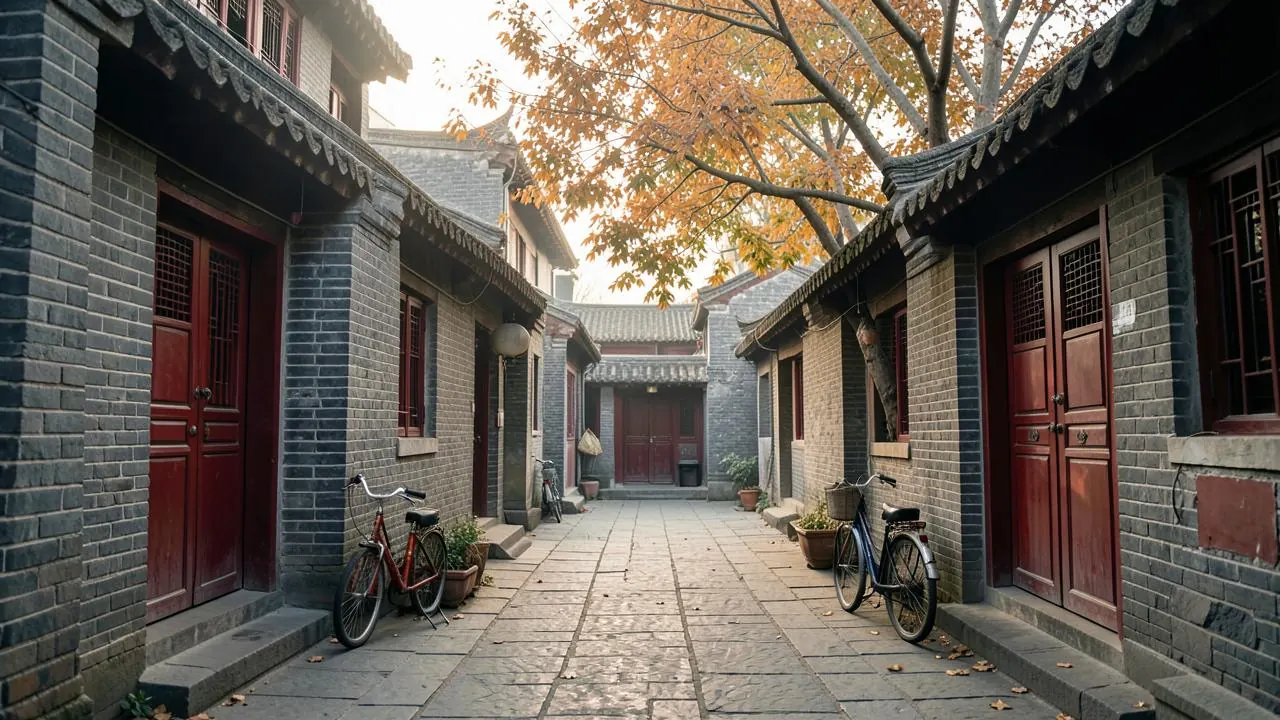
A hutong is a lane formed by the walls of siheyuan, the courtyard houses that made up most of Beijing for six centuries. A siheyuan is four single-storey buildings around a central courtyard, entered through a gate in one corner, facing inward with blank walls to the street.
There were something like 3,000 hutongs in the 1950s. Redevelopment through the second half of the twentieth century removed a great many of them, and what survives is concentrated in a few protected districts around the Drum Tower, Nanluoguxiang and Qianmen.
Courtyard or tower
That history produces the choice here, and it is not evenly weighted.
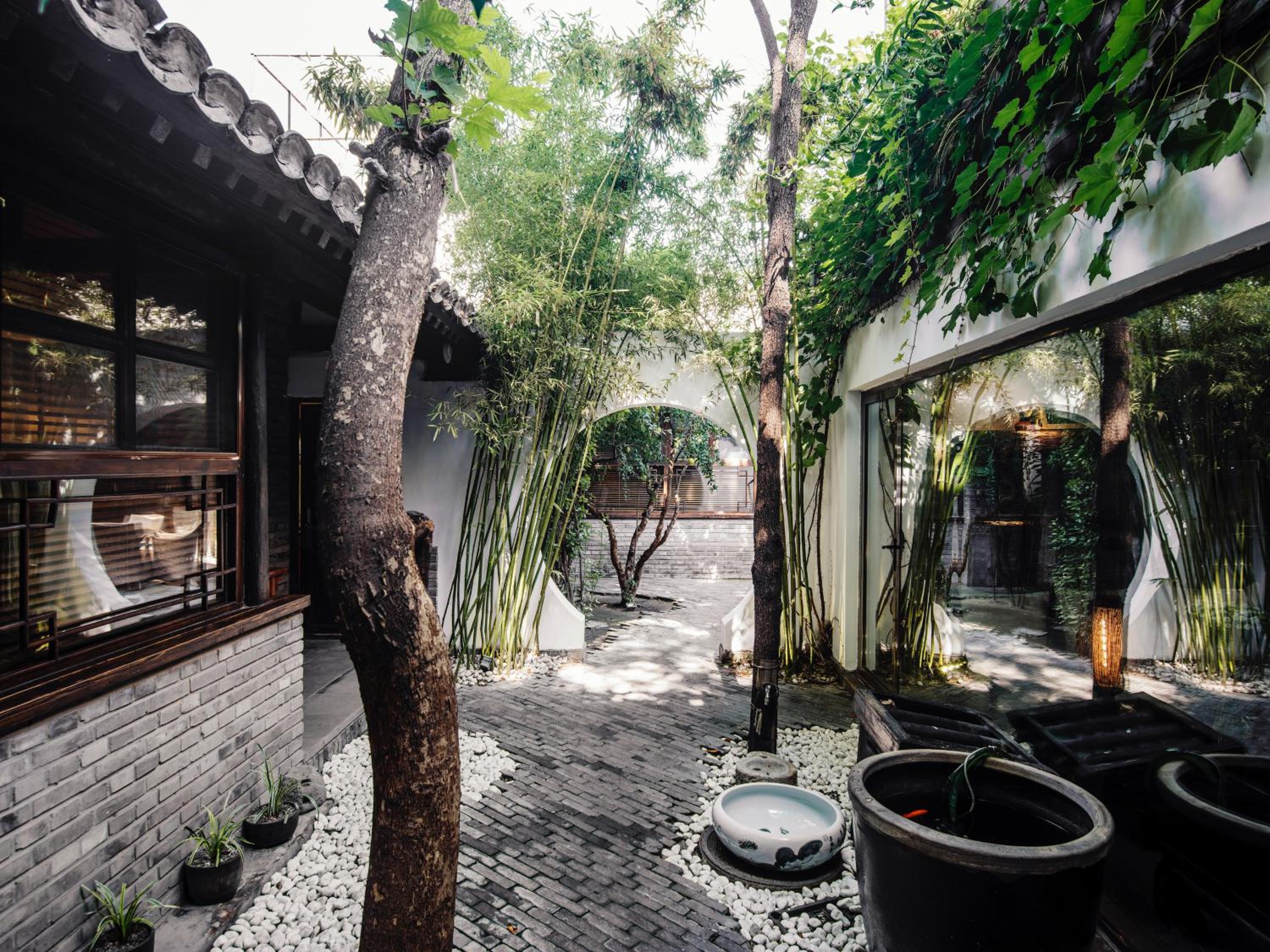
Courtyard hotels put you inside the surviving old city: single-storey, around a garden, on a lane you can cycle. There are very few of them at this standard, because converting a protected courtyard compound is difficult, expensive and constrained by heritage rules.
The towers are in the eastern business districts, Chaoyang and the CBD, or around Wangfujing near the Forbidden City. They have the space, the spas, the restaurants and the service depth. They are also in a part of Beijing that looks like any other large Asian city.
The other thing to weigh is scale. Beijing is enormous — the Sixth Ring Road encloses an area larger than Los Angeles — and traffic is heavy. The subway is excellent and it is the only sensible way to cross the city at rush hour.
The eleven below are grouped that way.
Courtyard and low-rise
Inside the old city, on a lane.
Mandarin Oriental Qianmen, Beijing occupies a hutong compound near Qianmen, built as a series of courtyards in the traditional arrangement with a garden at the centre and a spa below ground. It is the only luxury hotel in Beijing that is genuinely a courtyard property rather than a tower with a courtyard theme.
Aman Summer Palace, Beijing sits beside the Summer Palace on a lakeside site that was an imperial garden, with pavilions around courtyards, its own gate into the palace grounds and a level of quiet no city hotel matches. It is thirty minutes from the centre and it is the finest hotel in Beijing.
The Orchid Beijing occupies a small courtyard house in a hutong near the Drum Tower with a handful of rooms, a garden and a family operation. It is the best value way to sleep inside the old city.
Waldorf Astoria Beijing sits near the Forbidden City with a set of hutong villas alongside the main building, which is the compromise between a courtyard and a full-service hotel.
Wangfujing and the Forbidden City
Central, walkable to the palace and Tiananmen.
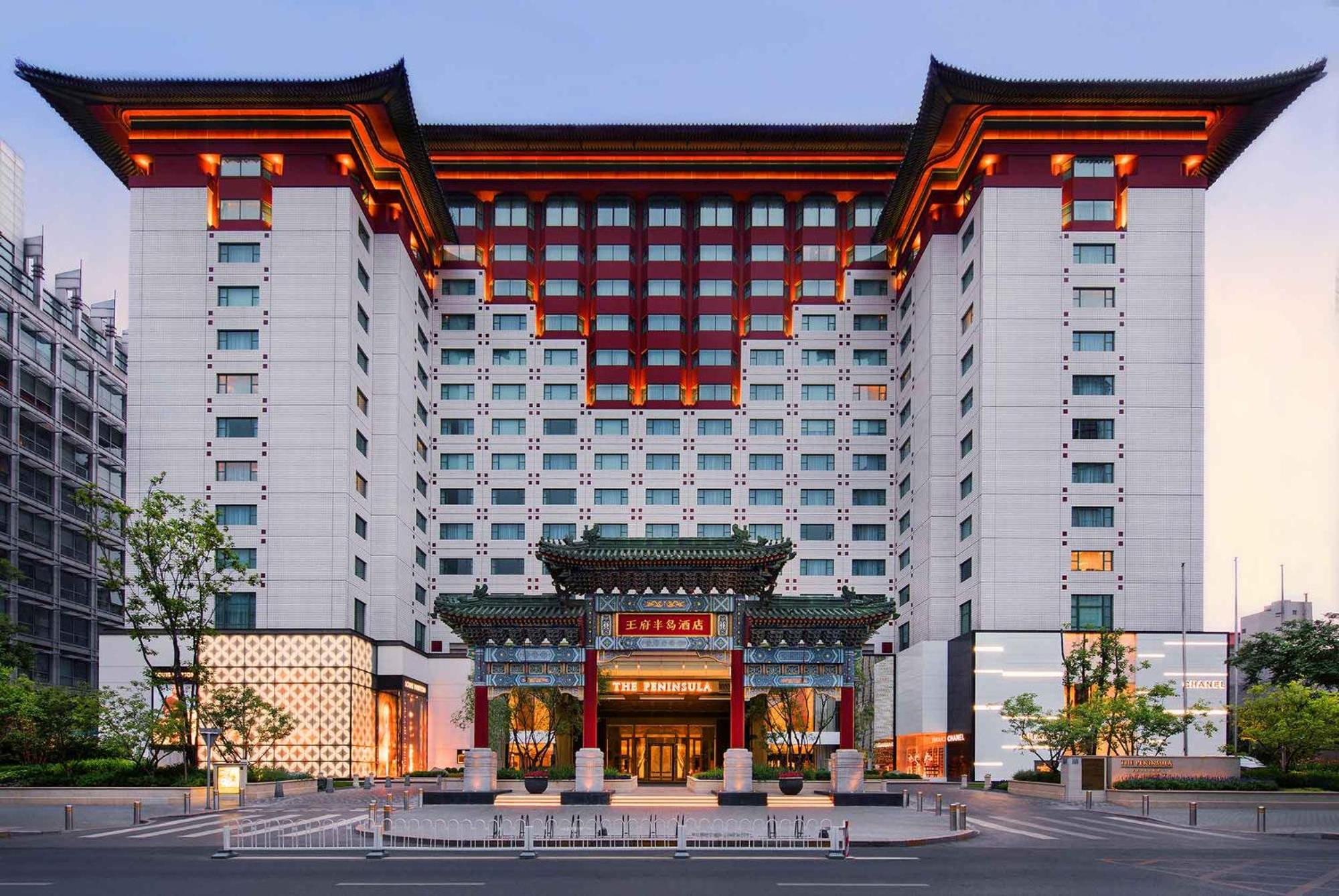
The Peninsula Beijing occupies a building a short walk from the Forbidden City with an all-suite layout, a shopping arcade and the most established luxury operation in the city.
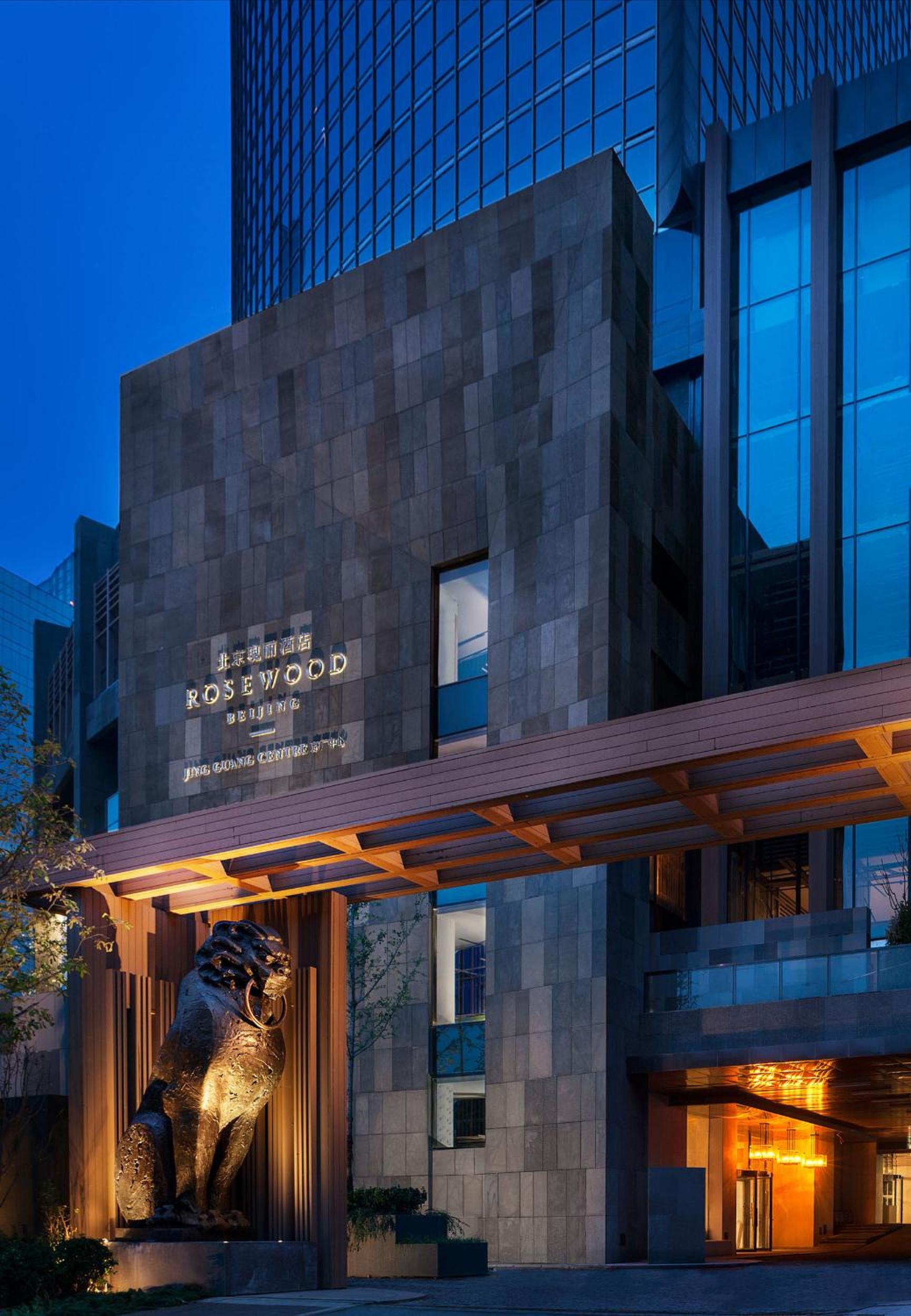
Rosewood Beijing sits near the palace with a spa, a pool and rooms designed around a courtyard concept in a modern building.
Chaoyang and the CBD
The eastern business districts. Towers, restaurants and the best service depth.
Four Seasons Hotel Beijing occupies a tower with a marble-heavy interior, a large spa and rooms that are among the biggest in the city.
Park Hyatt Beijing sits in the CBD with a very high-floor restaurant, a pool under a glass roof and views across the business district.
Bulgari Hotel Beijing occupies a building beside the CCTV tower with the most contemporary interior of the international hotels and a good bar.
The Opposite House sits in Sanlitun with a Kengo Kuma interior, a stainless steel pool and the most design-led rooms in Beijing. It is in the middle of the nightlife district.
Hotel Eclat Beijing occupies a tower with a serious art collection through the public spaces and the most idiosyncratic interior of the city's hotels.
What we have left off
The courtyard guest houses across the Drum Tower hutongs are excluded, and several are lovely, inexpensive and the most atmospheric way to sleep in old Beijing. They are guest houses rather than hotels.
What to do
Go to the Forbidden City with a pre-booked ticket, which is required, and enter from the south at the Meridian Gate. Allow three hours and continue up Jingshan hill behind it for the view down over the roofs.
Walk the Great Wall at a restored but quieter section. Mutianyu is about 90 minutes out and far less crowded than Badaling; Jinshanling is further and largely unrestored.
Cycle the hutongs around the Drum Tower and Houhai in the late afternoon.
The Temple of Heaven's park fills with people practising tai chi, playing cards and singing in the early morning, and it is the best free thing in Beijing.
Eat Peking duck at a proper duck house, and eat well beyond it: Beijing's restaurant scene is much better than its reputation.
Practical notes
Beijing has two airports, Capital in the northeast and Daxing to the south. Both are far out and the subway link is faster than the road.
September and October are the best months: clear, dry and warm. Spring is dusty. Summer is hot and humid. Winter is very cold and dry with the fewest visitors.
Check current visa and entry arrangements before travelling, since China's rules have changed repeatedly, including transit exemptions that may apply to short stays.
Explore 4 & 5 Star Beijing Hotels
Prices shown are sample rates from upcoming dates — not quotes for specific dates. Open a hotel and choose your own dates and guests to see the exact price.
Questions people actually ask
Are there real courtyard hotels?
A small number at this standard. Converting a protected siheyuan is difficult and expensive, which is why the list is short.
Courtyard or tower?
Courtyard for the old city and the atmosphere, tower for space, spas and service. The old city is the more distinctive experience.
Which Great Wall section?
Mutianyu for a restored section without the crowds of Badaling. Jinshanling if you want it unrestored and quiet.
How many nights?
Four. The Forbidden City, the Wall and the hutongs each need most of a day.