Downtown, RESO connected
Fairmont The Queen Elizabeth
Direct access to the network and the trains
Explore Hotel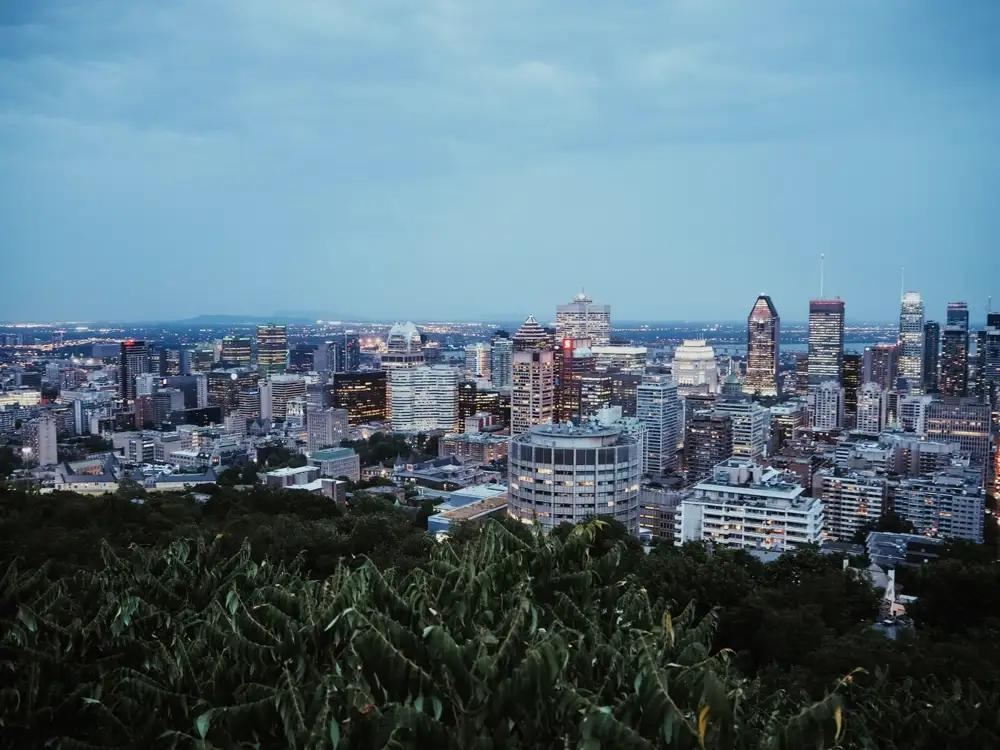

Montreal, Canada
From December to March a door into the RESO means reaching the metro, the shops and the concert hall without putting on a coat.
The places to stay
Downtown, RESO connected
Direct access to the network and the trains
Explore Hotel
Downtown, RESO connected
Heated rooftop outdoor pool open in the snow
Explore Hotel
Downtown, RESO connected
Most straightforward family setup on the network
Explore Hotel
Golden Square Mile
Garden courtyard and the best service in the city
Explore Hotel
Sherbrooke Street
Canada's oldest luxury hotel, with ducks in the courtyard
Explore Hotel
By Happi · Last updated September 2026
A little local perspective
$$ to $$$$ — roughly C$250-700 a night, peaking in festival season
Montreal is cold in a way that visitors underestimate. January averages around minus ten and the wind pushes it well below that, snow lies from December into March, and the pavements are genuinely difficult for stretches of the winter. It is also one of the best food cities in North America, with a festival calendar that runs year round and a European density that no other city on the continent matches.
The city solved its own problem underground. The RESO, sometimes called the Underground City, is a network of pedestrian tunnels connecting more than thirty kilometres of passages, shopping concourses, metro stations, offices and hotels beneath the downtown core. It was begun in the 1960s and it is the largest system of its kind anywhere.
From roughly December to March, a hotel with a door into that network changes the shape of a day. You can reach the metro, a shopping centre, a food court, the concert hall and the convention centre without putting on a coat. For a business trip, a conference or a family with small children in February, that is worth more than a view.
The counter-argument is that the RESO is downtown, and the most attractive part of Montreal is Old Montreal, along the river, where the stone buildings and the cobbles are. Old Montreal is beautiful and it is above ground and exposed.
The honest answer is seasonal: connected downtown from December to March, Old Montreal from May to October. The eight below cover both.
Downtown, with a direct interior route into the network.
Fairmont The Queen Elizabeth sits above the central station with direct access to the network and the trains, and it is the largest and best-connected hotel in the city. It was extensively renovated and the John Lennon suite is still there.
Hotel Bonaventure Montreal occupies a distinctive concrete building with a rooftop heated outdoor pool that is open through the winter, which means swimming outside in the snow. It connects into the network below.
Le Centre Sheraton Montreal Hotel is the large downtown property connected directly to the network and the convention route, with a pool and the most straightforward family setup downtown.
Uphill from the network, at the foot of Mount Royal, with the museum and the grander streets.
Four Seasons Hotel Montreal sits on Sherbrooke Street with a garden courtyard, the best service in the city and a restaurant that is a genuine destination. It is a short walk to the museum and the shopping.
The Ritz-Carlton, Montreal occupies the 1912 building on the same street, the oldest luxury hotel in Canada, restored, with a courtyard garden and ducks in the pond. It is the most traditional address in Montreal.
The stone quarter along the river, cobbled and beautiful, and the right choice from May to October.
Hotel Le St-James occupies a nineteenth-century bank building with a marble hall, a small room count and the most opulent interiors in the city. It is the most romantic hotel in Montreal.
William Gray sits on the waterfront edge of the old quarter with a rooftop terrace and pool over the port, a good restaurant and a younger tone. It is the best summer position in the city.
Hotel Place d'Armes occupies a set of joined heritage buildings on Place d'Armes facing the basilica, with a rooftop terrace and a spa. It is the most convenient base for the old quarter.
The Plateau and Mile End are excluded, and between them they hold the best walking and the best bagels in Montreal. They also have almost no hotels at this standard, which is a gap rather than an oversight.
Eat. Bagels from a wood-fired bakery in Mile End, smoked meat downtown, and then the modern Quebecois restaurants that are the reason chefs move here. Book the well-known ones.
Walk Mount Royal, which is the park in the middle of the city by the designer of Central Park, and go up to the chalet lookout. In winter, the same hill has cross-country trails and tobogganing.
Do Old Montreal early in the morning before the coaches. The Notre-Dame basilica interior is worth the ticket.
Go to a festival. Jazz in summer, Just for Laughs, the film festivals, the winter light events. There is essentially always one.
The Plateau and Mile End are where to walk on an afternoon: the outdoor staircases, the bookshops and the cafes.
Trudeau airport is 25 minutes from downtown by taxi at a flat rate, or on the express bus.
June to September is warm and the festival season peaks. Late September and early October give you the autumn colour on the mountain. December to March is genuinely cold and the city is set up for it. April and November are grey and are the two months to avoid.
French is the working language; English is widely spoken downtown and less so elsewhere, and an attempt at French is appreciated.
Prices shown are sample rates from upcoming dates — not quotes for specific dates. Open a hotel and choose your own dates and guests to see the exact price.
In winter, yes, particularly with children or a conference. In summer it is a shopping concourse and irrelevant.
Old Montreal from May to October for beauty and walking. Downtown in deep winter for the connections.
Yes, if you dress for it. The food, the festivals and the underground network make it workable, and rates are much lower.
Three. Four with a day trip to Quebec City, which is three hours by train.