Inside the walls
Sofitel Legend People's Grand Hotel Xi'an
A restored 1953 landmark in gardens within the Ming circuit
Explore Hotel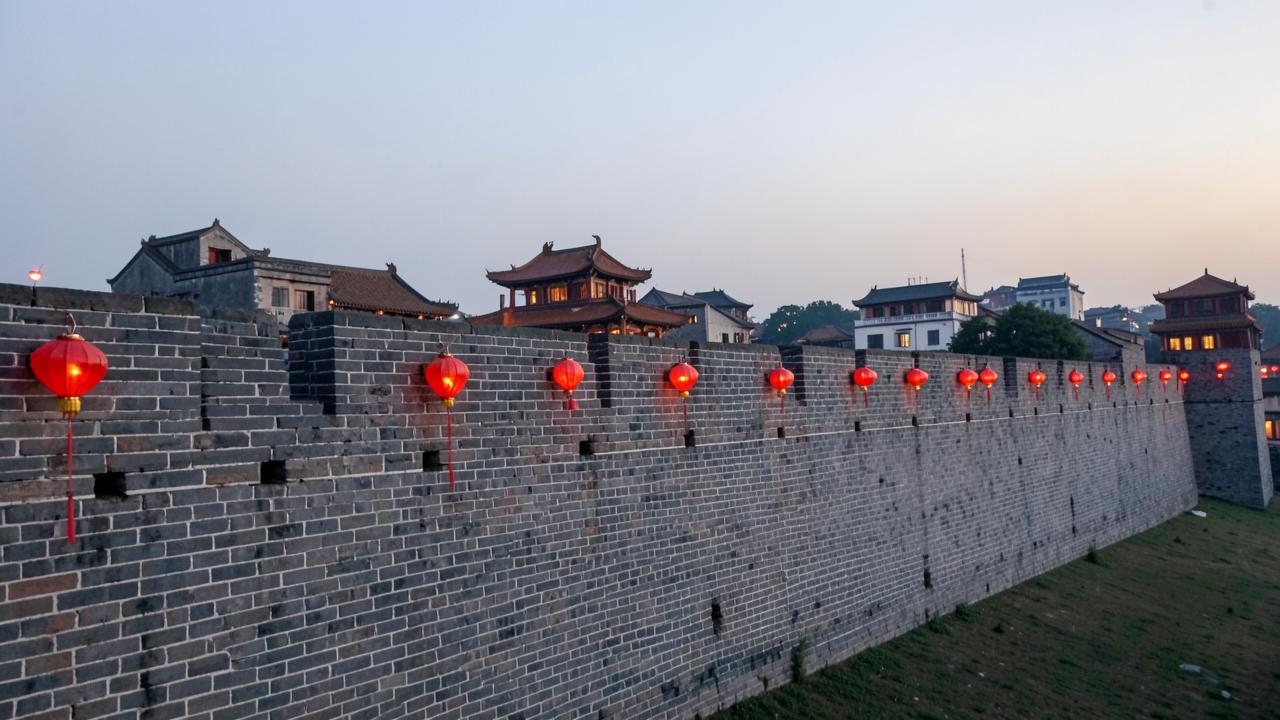

Xi'an, China
Twelve metres high and up to eighteen wide along the top, built for troops to move at speed. The largest complete city wall in China.
The places to stay
Inside the walls
A restored 1953 landmark in gardens within the Ming circuit
Explore Hotel
Near the Bell Tower
A pool and spa a short walk from the Muslim quarter
Explore Hotel
Xi'an old town
Tang motifs and a small room count inside the walls
Explore Hotel

By Happi · Last updated September 2026
A little local perspective
$$ to $$$ — roughly $120-400 a night, peaking in spring and autumn
Xi'an still has its city wall. Thirteen point seven kilometres of it, built in the 1370s at the start of the Ming dynasty on the foundations of the Tang imperial city, twelve metres high and between fifteen and eighteen metres wide along the top — wide enough that it was designed for troops to move along at speed.
It is the largest and most complete city wall in China and the circuit is unbroken. You can hire a bicycle at any of the four main gates and ride the whole thing in about ninety minutes, looking down into courtyards on one side and at towers on the other. Very few cities anywhere let you do that.
Xi'an was Chang'an, capital of thirteen dynasties and the eastern end of the Silk Road. Under the Tang in the eighth century it was plausibly the largest city on earth, with a population approaching a million and a foreign quarter of Persian, Sogdian and Arab traders. The Muslim community that arrived then is still here, still centred on the same quarter behind the Drum Tower, and the Great Mosque in the middle of it is built as a Chinese temple complex — courtyards, pavilions and a minaret that looks like a pagoda.
In March 1974 farmers digging a well east of the city hit fired clay. What they had found was the outer edge of a buried army of something over eight thousand life-size figures, arranged in battle formation, guarding the tomb mound of the first emperor of unified China, who died in 210 BC.
No two faces are the same. They were originally painted and most of the pigment was lost within minutes of excavation as it dried and flaked, which is why large sections of the site remain deliberately unexcavated — the technology to preserve the colour did not exist and largely still does not. The tomb mound itself has never been opened.
The site is about an hour east of the city and is best in the first hour after opening.
The eight below are grouped by position relative to the wall.
Within the Ming circuit.
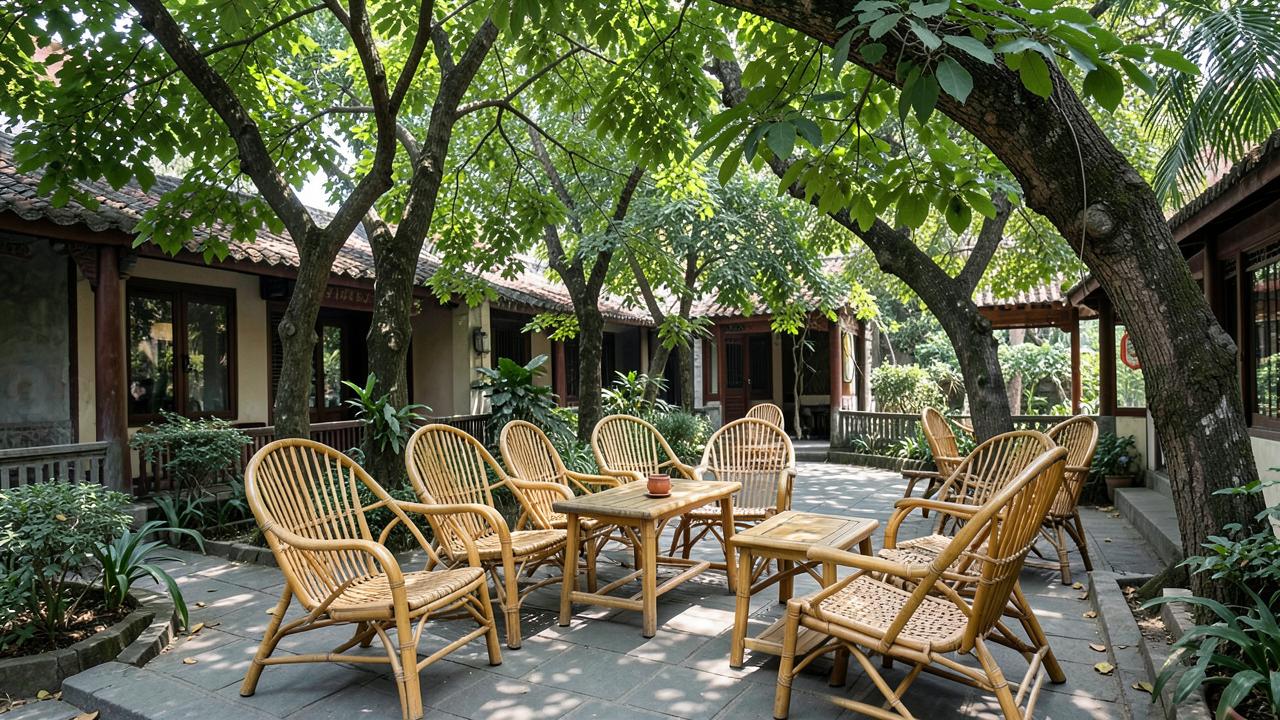
Sofitel Legend People's Grand Hotel Xi'an occupies a 1953 Soviet-influenced building set in gardens, restored with the original scale and detail intact, with a pool and considerable grandeur. It is the most interesting building any hotel here occupies.
Shangri-La Hotel Xi'an sits inside the walls near the Bell Tower with a pool, a spa and the Muslim quarter a short walk away.
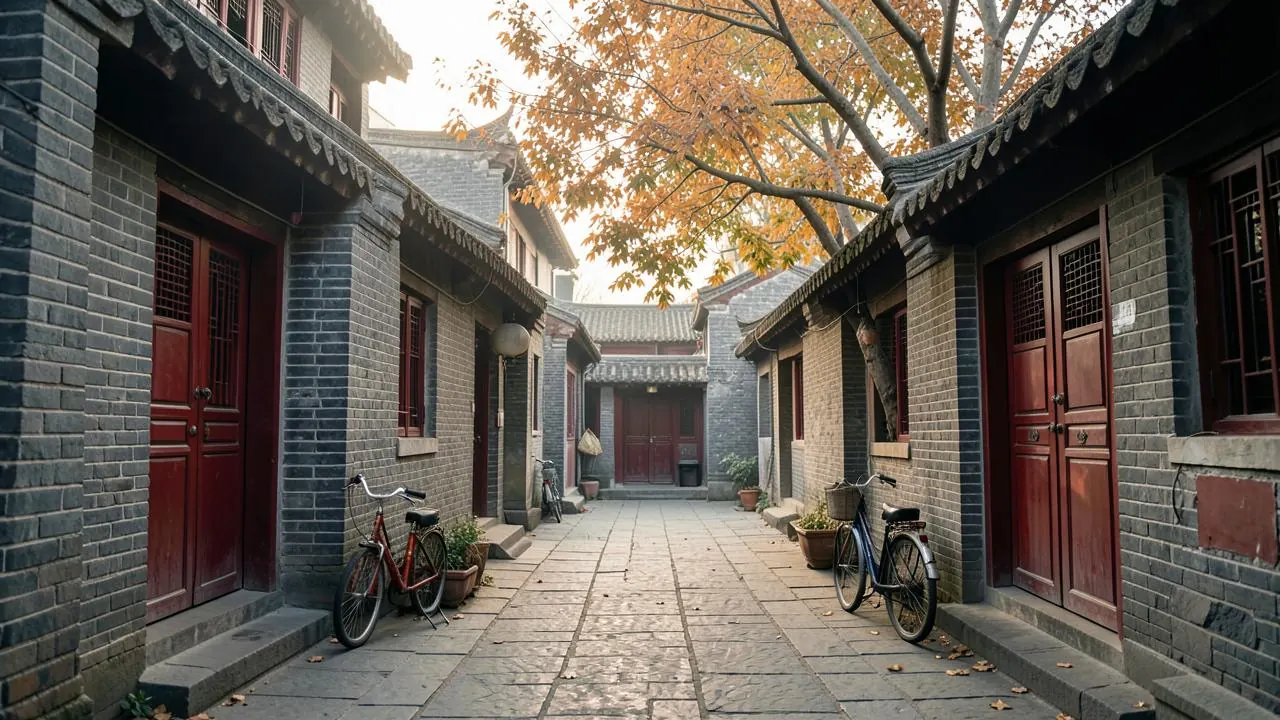
Eastern House Boutique Hotel occupies a converted property in the old town with a design drawn from Tang motifs and a small room count.
South of the walls, in the temple quarter.
Gran Meliá Xi'an sits beside the pagoda with a spa, two pools and gardens designed around water, and it is the most comfortable hotel in the city.
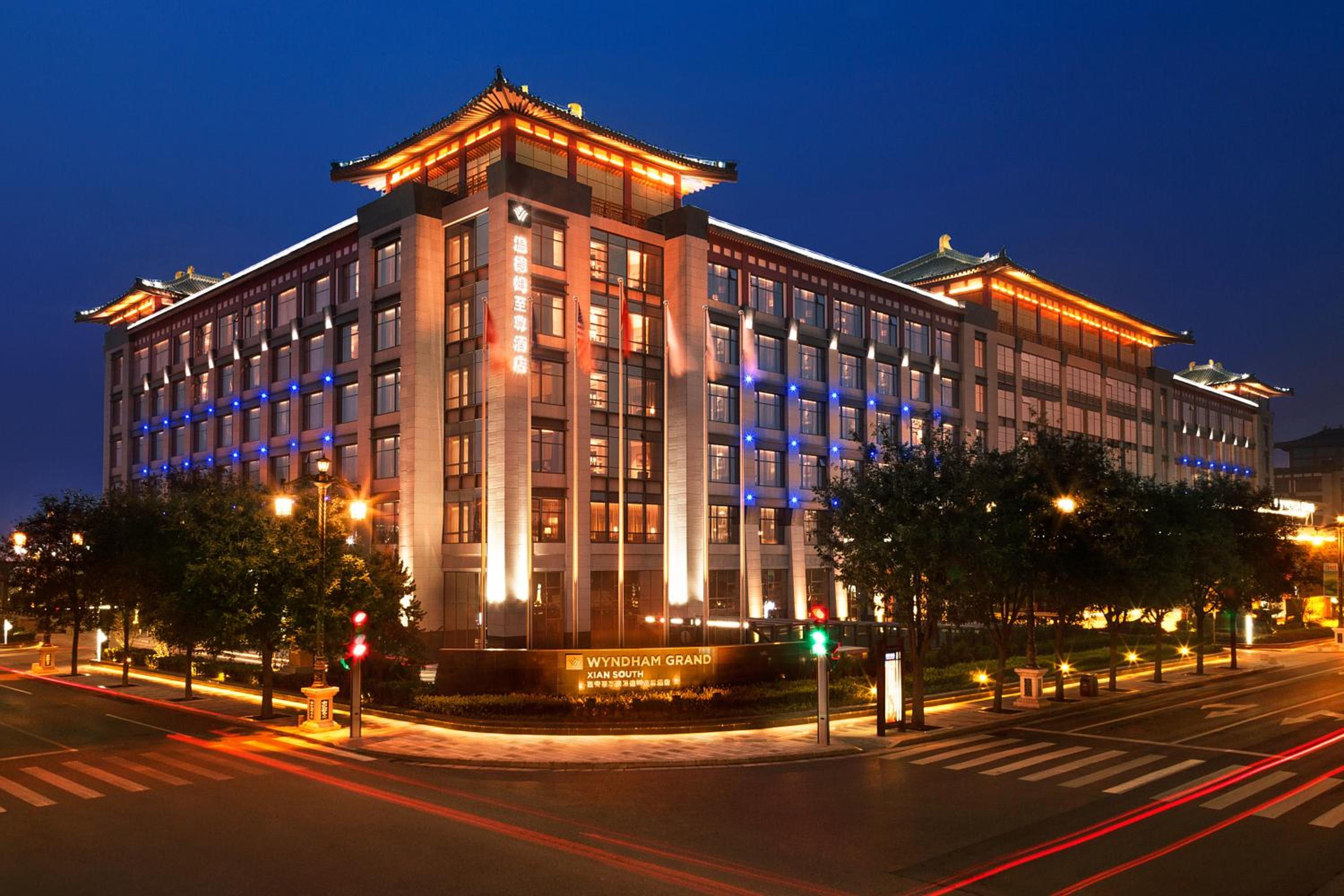
Wyndham Grand Xi'an South occupies a position in the southern district with a very large spa, several restaurants and full facilities.
Newer, and better value.
W Xi'an occupies a tower with a rooftop bar, contemporary rooms and a livelier ground floor than the older hotels.
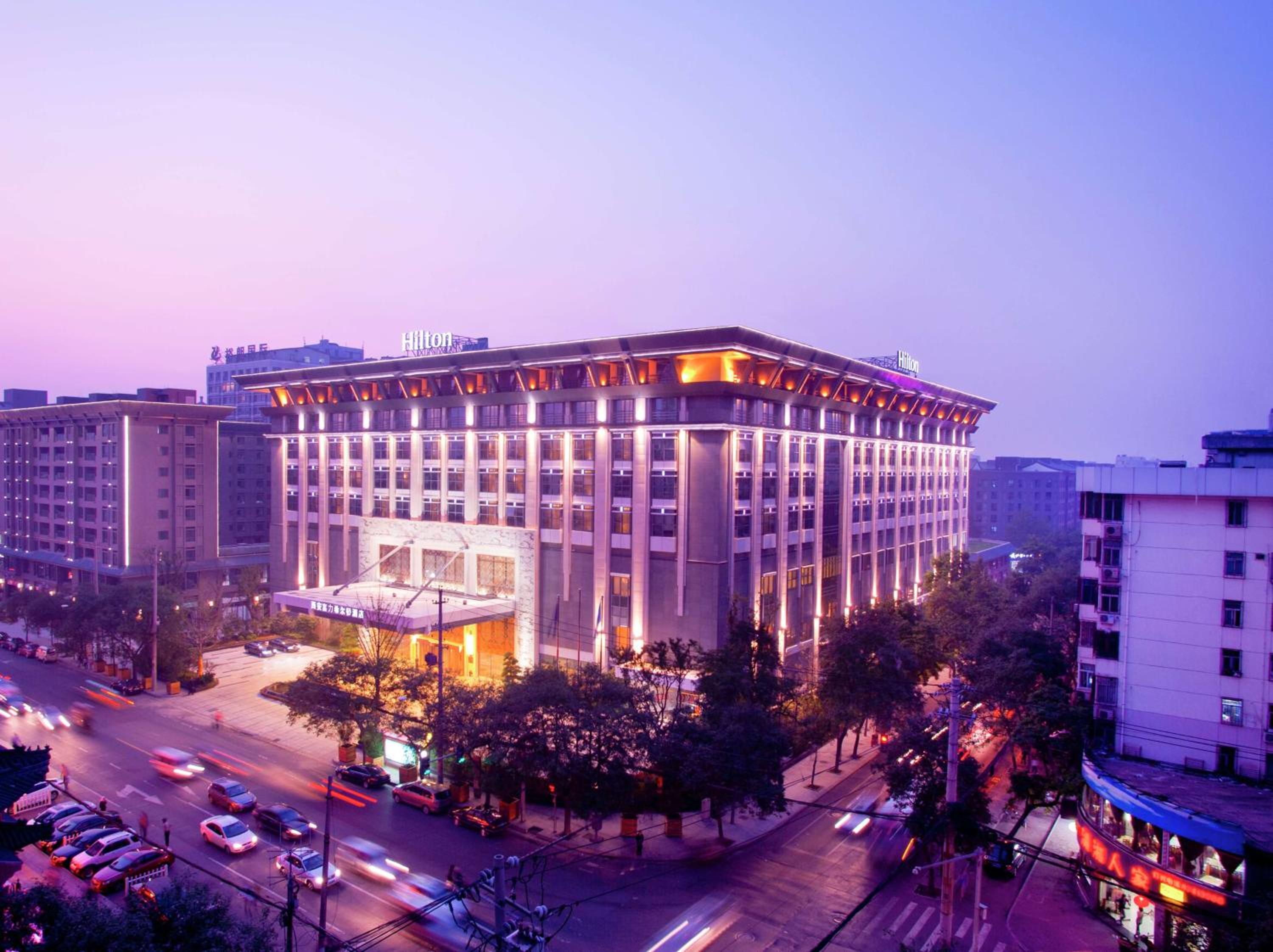
Hilton Xi'an sits south of the walls with a pool, a spa and reliable rooms at a lower rate.
Grand Park Xi'an occupies a position near the high-tech zone with large rooms and good value.
The courtyard guest houses inside the walls are excluded, and a handful occupy genuinely old buildings in the lanes. They are guest houses rather than hotels.
Cycle the wall, ideally in the late afternoon when the light is low and the lanterns come on along it.
Go to the terracotta warriors at opening and start with pit one, then two and three, and then the bronze chariots in the museum, which are the finest objects on the site.
Eat in the Muslim quarter: hand-pulled biang biang noodles, roujiamo — a flatbread filled with stewed pork or beef, sometimes called China's oldest sandwich — and yangrou paomo, a mutton soup you crumble your own bread into.
Climb the Big Wild Goose Pagoda, built in 652 to house sutras brought back from India by the monk Xuanzang, whose journey became the basis of Journey to the West.
See the Han Yang Ling, a second-century BC tomb complex with a glass-floored underground museum, which almost nobody visits and is more atmospheric than the warriors.
Xi'an's airport has domestic and regional connections and the city is a high-speed rail hub — Beijing in four and a half hours, Chengdu in three.
March to May and September to November are best. Summer is hot; winter is cold, grey and can have poor air quality.
The terracotta site is an hour east by road or by a direct tourist bus from the railway station.
Yes. Bicycles at the main gates, about ninety minutes for the full 13.7-kilometre circuit.
The original paint was lost within minutes of exposure in early digs, and preservation technology still is not adequate. The emperor's tomb mound has never been opened.
Inside for the Bell Tower, the Muslim quarter and the wall itself. South for newer hotels and better value.
Two. One for the warriors and one for the city.