Outer harbour, peninsula
Mandarin Oriental, Macau
Large spa and gardens with no casino attached
Explore Hotel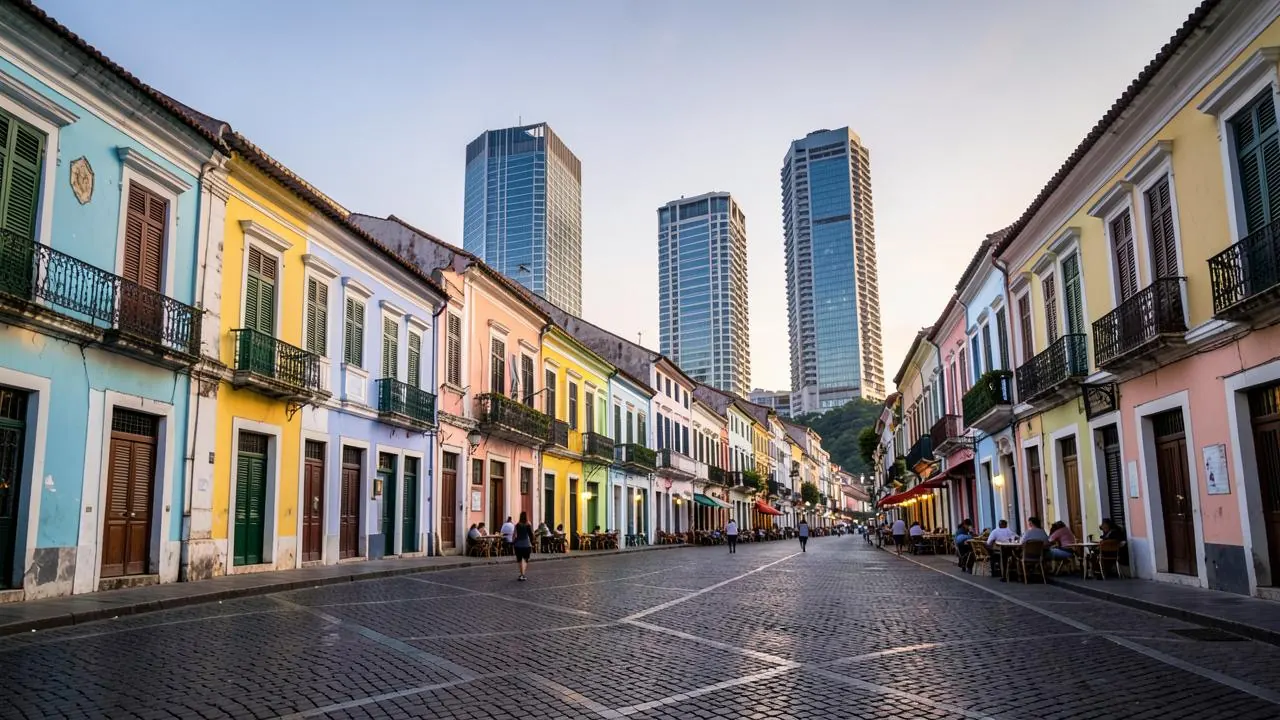

Macau
Portuguese for 442 years, longer than any other European presence in Asia. The old city is why you come here instead of Las Vegas.
The places to stay
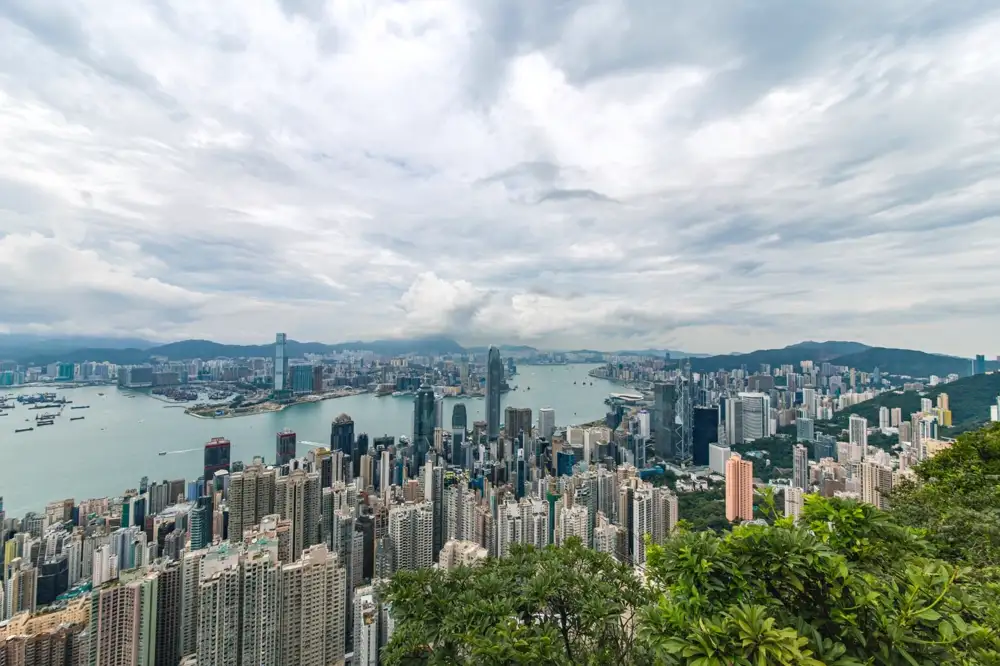
Outer harbour, peninsula
Large spa and gardens with no casino attached
Explore Hotel


Outer harbour, peninsula
Best service and restaurants of the peninsula casinos
Explore Hotel


By Happi · Last updated September 2026
A little local perspective
$$$ to $$$$ — roughly $250-900 a night, peaking at Chinese New Year
Macau was Portuguese for 442 years, from 1557 until 1999, which is longer than any other European presence in Asia. What that left behind is a historic centre of pastel churches, cobbled squares and baroque facades that is a UNESCO World Heritage site, sitting on a small peninsula attached to mainland China.
What it also became, after the casino monopoly ended in 2002, is the largest gambling market in the world by revenue, several times the size of Las Vegas. Most of that happens on Cotai, a strip of reclaimed land between the islands of Taipa and Coloane, which was ocean until the 1990s and is now a row of enormous integrated resorts.
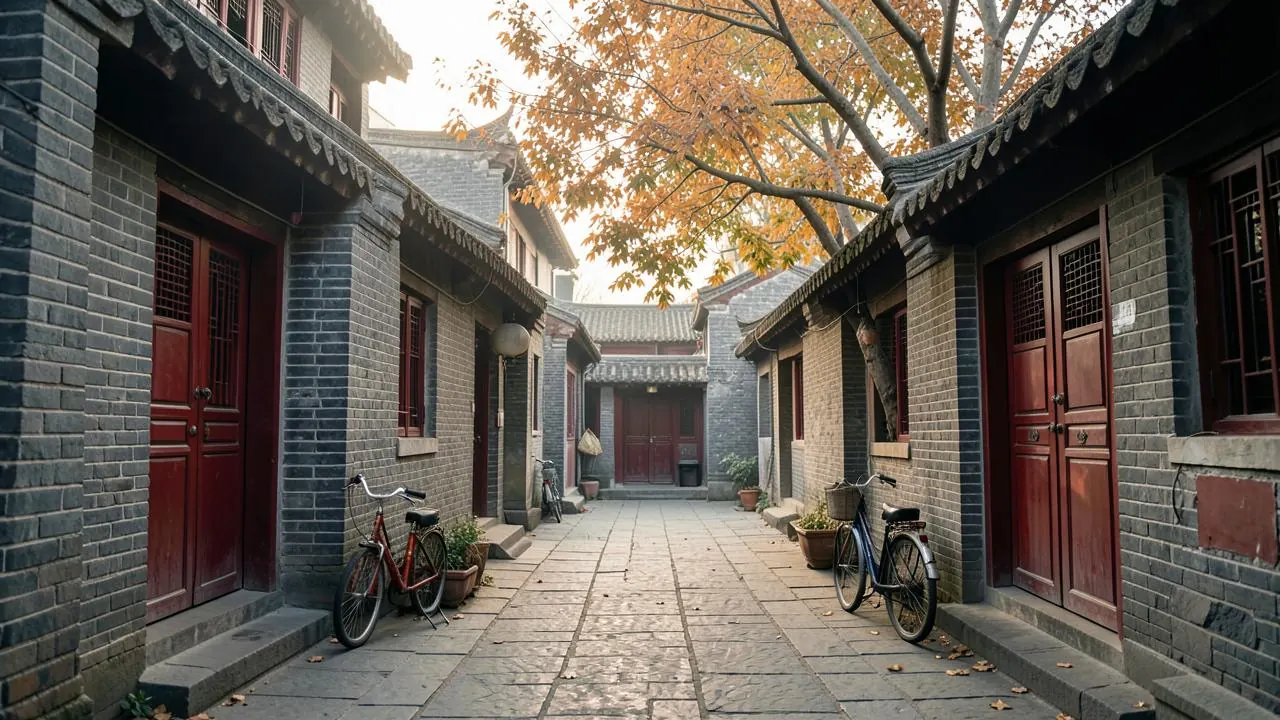
The peninsula has the Portuguese city: the ruins of St Paul's, Senado Square, the Fortaleza do Monte, the A-Ma temple, and the back lanes where the Macanese food actually is. It also has the older casinos. It is dense, walkable and it looks like nowhere else in Asia.
Cotai has the new resorts: canals, replica landmarks, shopping malls, theatres and thousands of rooms. It is comfortable, well run and it could be anywhere.
They are fifteen to twenty minutes apart by taxi, which means staying on the peninsula and visiting Cotai is easy, and the reverse is also true. But the peninsula is where the reason to come to Macau rather than Las Vegas actually lives.
Hong Kong is an hour by ferry, or thirty to forty minutes across the sea bridge, which makes Macau a straightforward addition to a Hong Kong trip.
The eleven below are grouped that way.
The Portuguese city. Old lanes, the historic centre and the Inner Harbour.
Pousada de Sao Tiago occupies a seventeenth-century Portuguese fortress on the Barra hill, built into the stone with a chapel inside the walls and a stair cut through the original rock. It has twelve suites and it is the most extraordinary building any hotel in Macau holds.
Mandarin Oriental, Macau sits on the outer harbour with a large spa, mature gardens and a level of quiet the casino hotels do not attempt. It is the best-run hotel on the peninsula.
Artyzen Grand Lapa Macau occupies a low-rise property with a garden, a pool and a Portuguese-inflected interior that dates from before the casino boom.
Sofitel Macau at Ponte 16 sits at Ponte 16 on the Inner Harbour beside the historic centre, with the shortest walk to Senado Square and the ruins of St Paul's.
Wynn Macau occupies a tower on the outer harbour with a strong restaurant programme, a spa and the best service among the peninsula casino hotels.
MGM Macau sits beside it with a glazed atrium, an art programme and rooms looking across the harbour.
The reclaimed strip. Large resorts, shopping and theatres.
Morpheus at City of Dreams occupies a Zaha Hadid tower with a free-form exoskeleton and voids cut through the middle of the building, a rooftop pool and the most striking architecture in Macau.
Wynn Palace sits on Cotai with a performance lake, a cable car over it, a very serious art collection and the best restaurants on the strip.
Four Seasons Hotel Macao occupies a position within a larger resort with all-suite accommodation, a spa and the most consistent service on Cotai.
The Ritz-Carlton, Macau sits in the same complex with an all-suite layout, a sky pool on the 51st floor and full facilities.
Banyan Tree Macau occupies a quieter corner of Cotai with a spa built around private relaxation pools in the rooms, which is unusual and genuinely good.
The guest houses and small hotels in the older streets of the peninsula are excluded. They are inexpensive and central and they are not hotels at this standard.
Walk the historic centre on foot: Senado Square, St Dominic's, the ruins of St Paul's, and up to the Monte Fort for the view. It takes a morning and it is free.
Eat Macanese, which is a genuine creole cuisine and not Portuguese or Chinese: minchi, African chicken, bacalhau and pork chop buns. The old restaurants in Taipa village are the place.
Go to Coloane, the southern island, which has a village, a black sand beach and the original Lord Stow's bakery where the Portuguese egg tart was adapted.
See a show on Cotai. The production values are Las Vegas standard and the House of Dancing Water has been a fixture.
Take the ferry from Hong Kong rather than the bridge if you have the choice; the harbour approach is better.
Macau has its own airport with regional connections, and most visitors arrive by ferry from Hong Kong or across the Hong Kong-Zhuhai-Macau bridge.
October to December is the best window: dry, warm and clear. Summer is hot, humid and inside typhoon season. Chinese New Year and Golden Week fill the city entirely.
Check current entry requirements for Macau and mainland China separately; they are different jurisdictions with different rules and these have changed repeatedly.
Prices shown are sample rates from upcoming dates — not quotes for specific dates. Open a hotel and choose your own dates and guests to see the exact price.
Peninsula for the Portuguese city, the food and the reason to come here rather than Las Vegas. Cotai for the resorts and the shows.
It can be, and a night is much better. The historic centre in the early morning is worth staying for.
The gambling is the economy. The UNESCO historic centre and the Macanese food are the reason to visit.
Two. Three if you are doing Cotai shows as well as the old city.