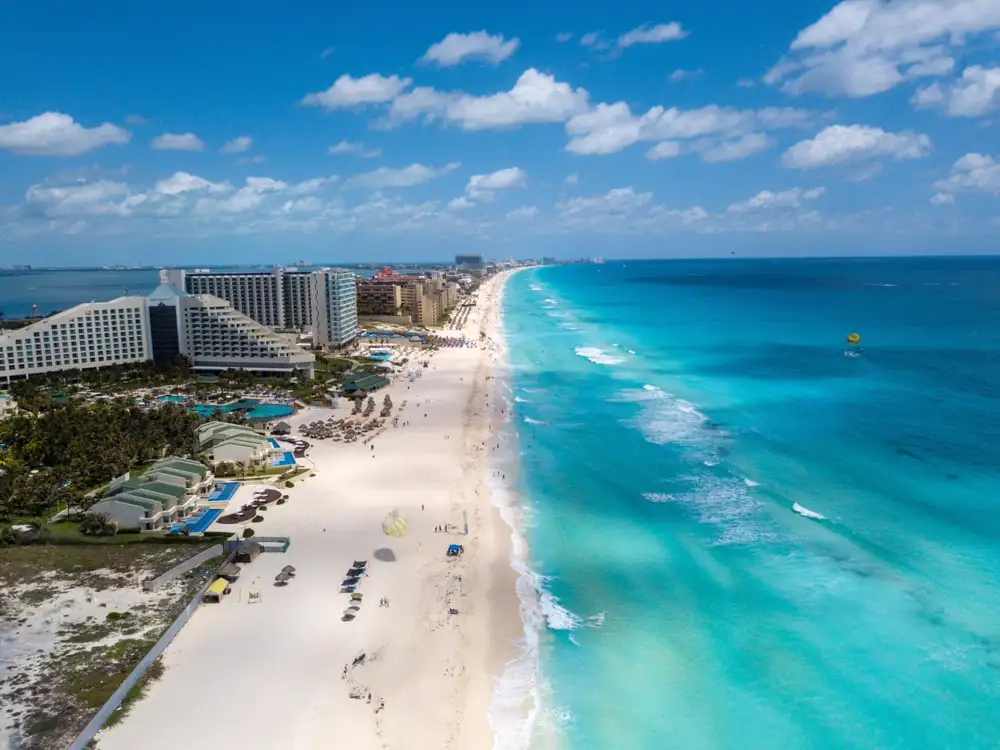
Tulum beach road
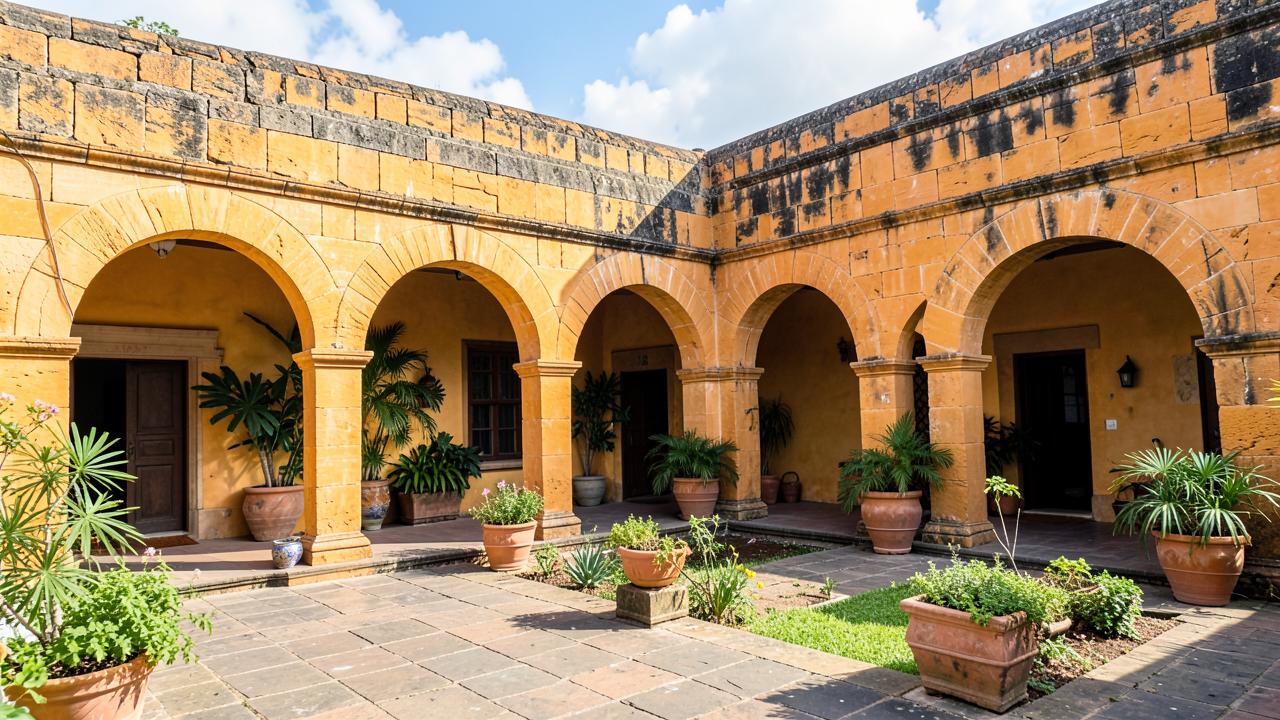
BE Destination Tulum
Thatched buildings, several pools and a destination restaurant
Explore Hotel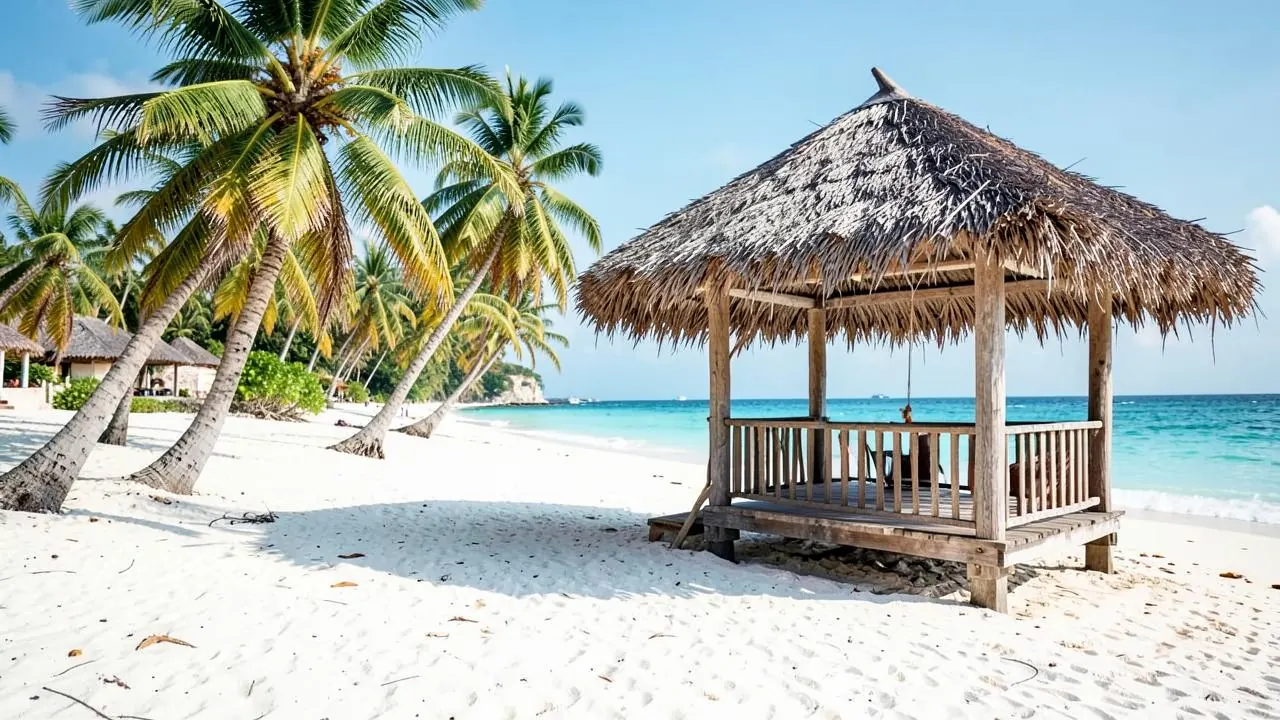

Tulum and the Riviera Maya, Mexico
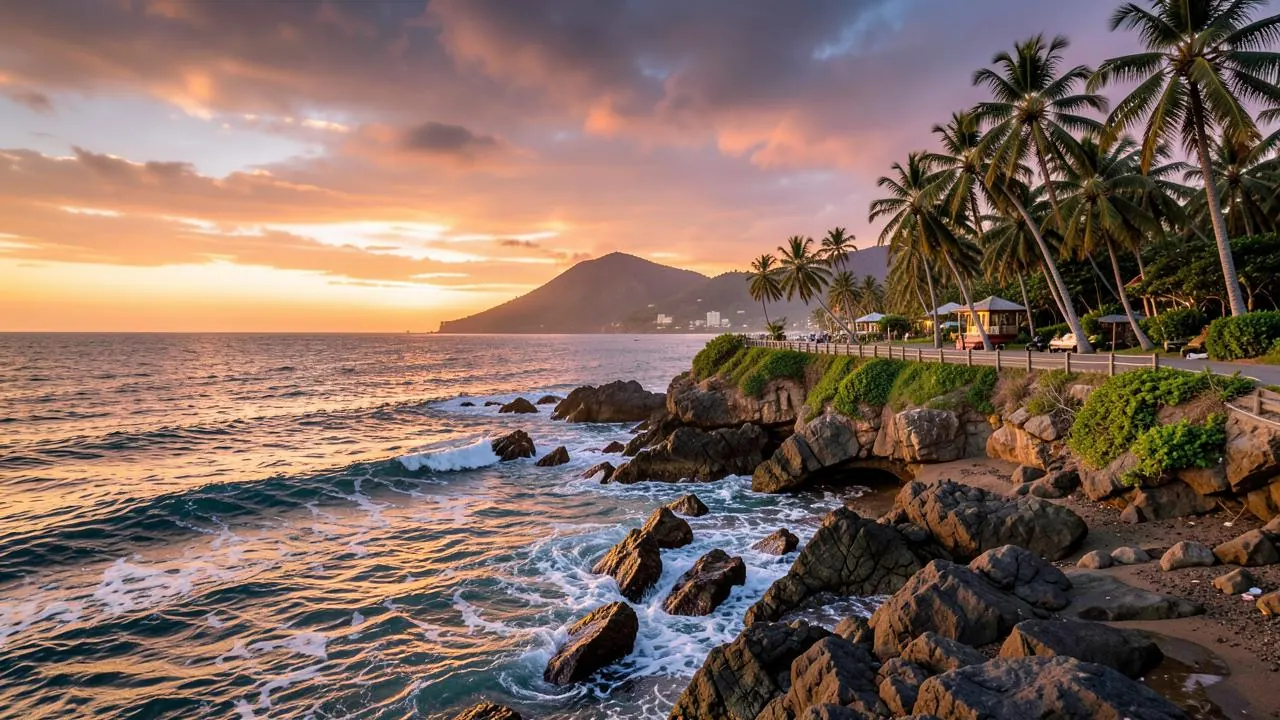
Two places joined by one road. Generators, non-municipal water and repeated regulatory disputes do not appear in the photographs.
The places to stay
Tulum beach road
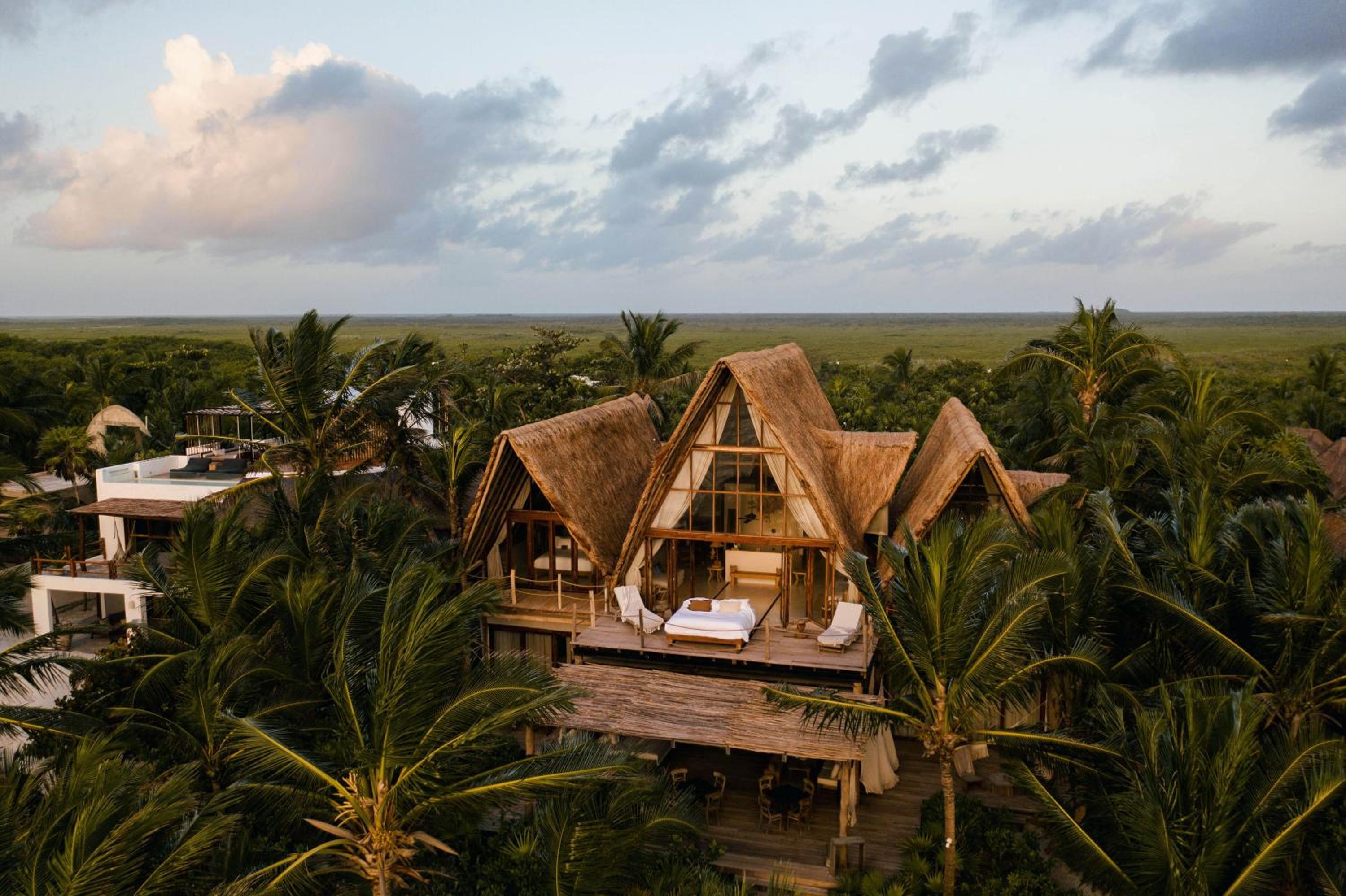
Thatched buildings, several pools and a destination restaurant
Explore Hotel



Maroma beach
Palapas in mature gardens on one of Mexico's best beaches
Explore Hotel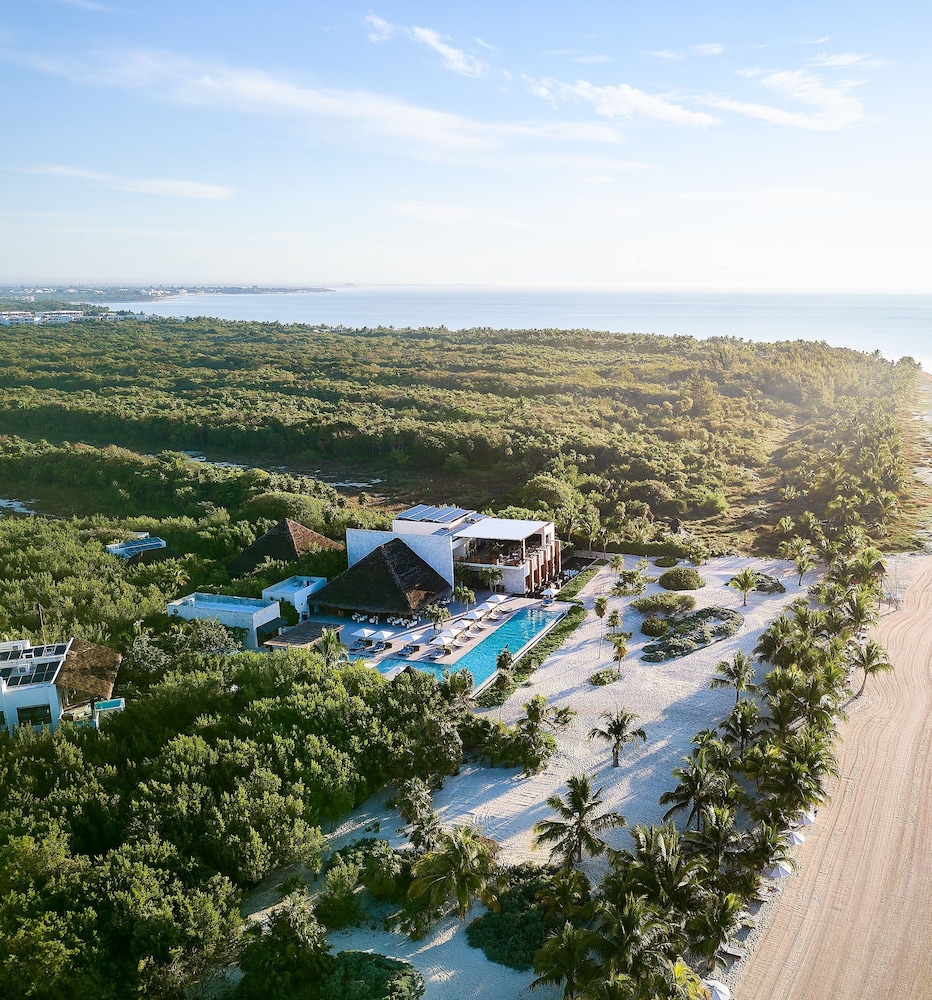


By Happi · Last updated September 2026
A little local perspective
$$$ to $$$$ — roughly $400-1,800 a night, peaking December to April
Tulum is two places joined by one road. The pueblo sits on the highway, four kilometres inland: a working Mexican town with a bus station, supermarkets and the cheapest food. The beach road runs about ten kilometres along the coast between the ruins and the Sian Ka'an biosphere reserve, and it is where every hotel you have seen photographs of is.
That road is narrow, sand-edged, congested and it has never had the infrastructure to match what was built along it. Many properties run on generators, water supply is not municipal in stretches, and the strip has been through repeated rounds of regulatory pressure over land title, environmental compliance and building permits. Some hotels have been closed and reopened.
None of that shows in the photographs and it is the honest context for booking here.
North of the ruins, toward Playa Paraíso, has the widest public beach and is closer to the town.
The middle, around the main hotel cluster, is the busiest and where the restaurants and beach clubs are.
The southern end, toward the Sian Ka'an gate, is quieter, darker at night and where the largest properties sit.
Soliman Bay and Tankah, fifteen minutes north, are a sheltered bay with calmer water and a fraction of the traffic. Several people who know the coast well now stay there instead.
Riviera Maya proper, from Akumal up to Playa del Carmen and Mayakoba, is the larger resort coast, forty minutes to an hour north, with the reef, the cenotes and considerably more infrastructure.
Sargassum affects this whole coast, heaviest broadly from April to August, and the beach road hotels clear it by hand each morning to varying degrees.
The fourteen below run north to south.
Where the photographs are taken.
BE Destination Tulum occupies a long beachfront stretch with thatched buildings, several pools, a spa and a restaurant that draws people down from the strip. It is the most complete hotel on the road.
Casa Malca sits on the beach in a former private house with a serious contemporary art collection through the property, a pool and rooms that are among the largest here.
Nomade Tulum occupies a beachfront position with a wellness programme, a good restaurant and a design that leans hard into the coast's aesthetic.
La Valise Tulum sits on the sand with a small room count, a pool and a quieter tone than its neighbours.
Dune Boutique Hotel occupies a beachfront site at the northern end with a pool, contemporary rooms and rates below the middle of the strip.
Be Tulum Beach & Spa Resort sits toward the southern end with an adults-only policy, a beach club and a strong restaurant.
Fifteen minutes north. A sheltered bay and calm water.
Jashita Hotel occupies a position on Soliman Bay with a pool, a beach on protected water and a fraction of the beach road's traffic. It is the quiet alternative and it is the better swimming.
The stretch between Tulum and Playa del Carmen.
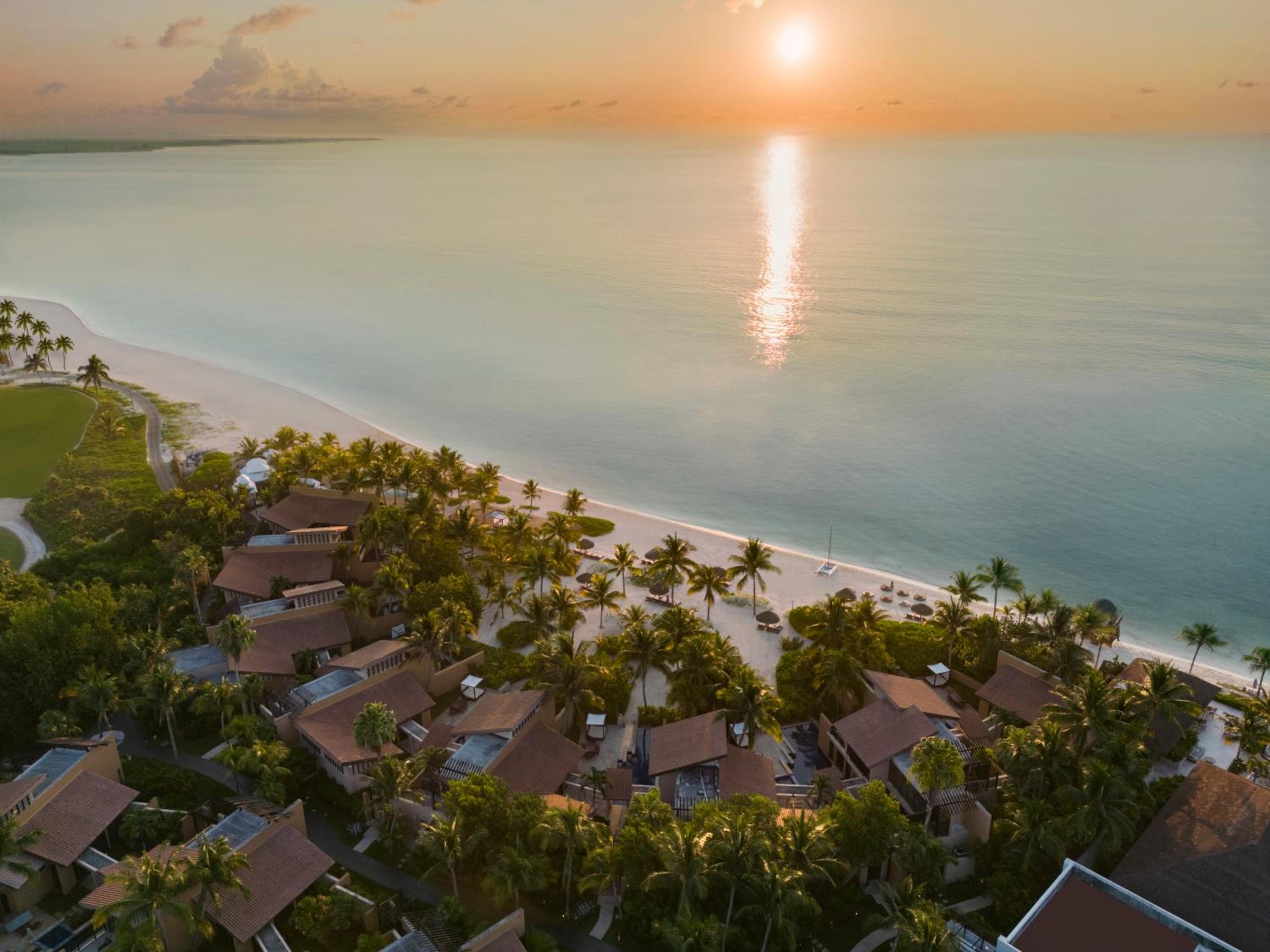
Maroma, A Belmond Hotel occupies a long beach at Maroma with palapa buildings in mature gardens, a spa and a beach that is consistently rated among the best in Mexico.
Chable Maroma sits on the same bay with a Yucatecan-influenced design, a spa and a quieter operation.
Hotel Esencia occupies a private beach at Xpu-Ha with a jungle setting, two pools and a deliberately low-key tone.
Forty minutes to an hour north. Freshwater lagoons cut through mangrove.
Rosewood Mayakoba occupies a lagoon site at Mayakoba with rooms reached by boat along the waterways, a large spa and a golf course. It is the most complete resort on the Riviera Maya.
Banyan Tree Mayakoba sits on the same development with rooms over the water, a spa on an island and a quieter setting.
Fairmont Mayakoba occupies a large lagoon and beach site with several pools, a golf course and full family facilities.
Riviera Maya Suites sits at Mayakoba with a beach club, several pools and a more contemporary design.
The cabañas and small beach properties along the Tulum road are excluded, and they are how the strip started. Many are three-star or below and several sit in the regulatory grey area described above.
Swim in cenotes. The Yucatán is limestone with no surface rivers and thousands of collapsed sinkholes fed by an underground system. Gran Cenote, Dos Ojos and Casa Cenote are the accessible ones; the further you go from the road the better they get.
See the Tulum ruins early. They are the only major Maya site on the coast and the setting on a cliff above the sea is the point rather than the architecture.
Go into Sian Ka'an, the biosphere reserve south of the strip, by boat through the mangrove channels.
Do Cobá or Chichén Itzá inland. Cobá is quieter and in jungle; Chichén Itzá is the famous one and should be done at opening.
Eat in the pueblo as well as on the beach road. The price difference is several times over and the food is often better.
Cancún airport is about ninety minutes from Tulum. A newer airport at Tulum opened recently and has been adding routes, which shortens the transfer considerably; check which airport your flight uses.
December to April is the dry season and peak. Sargassum risk runs roughly April to August. September and October are the wettest and the hurricane peak.
Cash is useful on the beach road and card acceptance varies. Mosquito protection matters, particularly at the southern end near the reserve.
Prices shown are sample rates from upcoming dates — not quotes for specific dates. Open a hotel and choose your own dates and guests to see the exact price.
The beaches and the design are real. The infrastructure behind them is thin, and the strip has been through repeated regulatory disputes.
Beach road for the aesthetic and the cenotes, Riviera Maya for infrastructure, reef access and better value in facilities.
It affects this whole coast, heaviest roughly April to August, and it varies year to year.
Six. Three or four on the coast with cenote and ruin days.
Search 4 and 5 star hotels in Tulum and the Riviera Maya, Mexico